
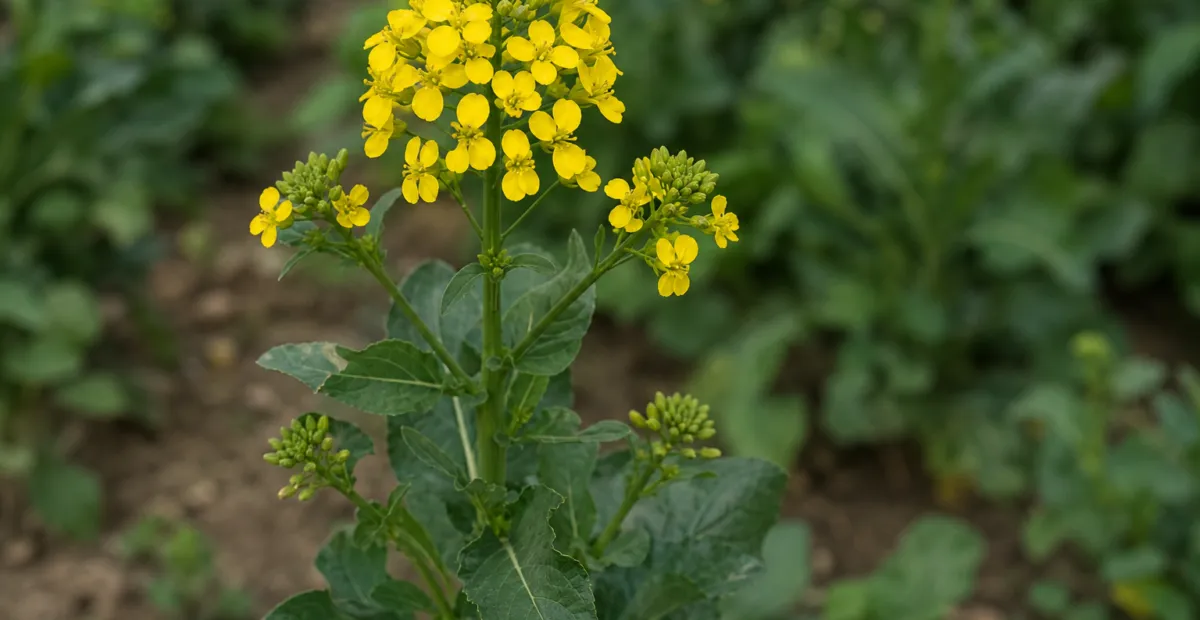
 AI-generated illustration
Ethiopian Rape (Brassica carinata) short overview
Ethiopian Rape (Brassica carinata) is an upright annual brassica cultivated especially in Ethiopia and other parts of eastern Africa for leafy greens, young shoots and oilseed. The plant forms substantial green leaves often marked by purple veins, then sends up branching stems with small yellow, four-petaled flowers and narrow seed pods. In the United States, it is best treated as a cool-season crop or specialty cover crop in full sun.
Taxonomic classification
Ethiopian Rape (Brassica carinata) care guide
Light and placement
Give full sun, ideally six or more hours of direct light in an open bed with good air movement. A south- or west-facing position is suitable in the United States. Too little light produces weak, stretched growth and reduced leaf quality; intense heat combined with drought can trigger premature bolting, so provide afternoon protection in hot climates while retaining strong morning light.
Watering and humidity
Water deeply when the top inch of soil begins to dry, keeping moisture reasonably even during establishment and leaf production. Increase frequency during hot, windy weather and reduce it after cool-season growth slows, while never allowing the root zone to remain saturated. Drip irrigation or watering at soil level helps limit foliar disease.
Soil and growing medium
Use fertile loam or sandy loam that drains freely yet holds even moisture. Avoid compacted, saline or waterlogged ground. A near-neutral to slightly alkaline soil is suitable; incorporate compost before planting, but do not rely on heavy nitrogen applications late in the season because lush growth can delay maturity and increase lodging risk.
Feeding
Mix finished compost into the bed before sowing. If growth is pale or slow, apply a balanced vegetable fertilizer at the label rate once after establishment. Avoid repeated high-nitrogen feeding, especially after the crop begins elongating, because it can produce soft, overly leafy growth and delay seed maturity.
Growth and habit
This is a rapid, upright annual that develops a strong root system and may branch freely, particularly in smaller-leaved forms. Regular harvesting keeps vegetable plants compact and delays bolting. Plants grown for seed become taller and more open, so staking may be useful in exposed sites.
Planting and repotting
Direct-sow in early spring or late summer for a cool-season crop, timing around local frost and heat patterns. Cover seed lightly, keep the seedbed evenly moist, and thin promptly. Allow more room for oilseed or flowering plants than for repeatedly harvested greens.
Usually grown directly in the ground. If started in containers, transplant young seedlings before they become root-bound, disturbing the deepening taproot as little as possible.
Propagation and pruning
Propagation
Propagate from seed. Direct sowing is simplest; start indoors only briefly because older seedlings can transplant poorly after the taproot develops. Sow in cool conditions for leafy harvest or time a longer season when seed production is desired.
Pruning
No formal pruning is needed. Harvest outer leaves and young shoots regularly to prolong the vegetative phase. Remove flowering stems after seed collection or cut plants down after harvest to limit volunteer seedlings and brassica disease carryover.
Overwintering
Usually treated as a seasonal annual. In mild US climates, fall-sown plants may continue through light frosts, but hard freezes can kill exposed plants. Use row cover for short cold events and harvest before a severe freeze; do not assume reliable overwintering outside the crop’s adapted climate.
Uses
Young leaves and shoots are used as cooked greens in East African food traditions. Other forms are grown for oilseed research, renewable fuels, high-protein meal, livestock-related systems and winter cover cropping. Seed oil should not be treated as edible without cultivar-specific food-quality evidence; avoid unsupported medicinal uses.
Appearance
Leaves are alternate, generally broad and non-heading, with long petioles and a green surface that may show purple veins. Stems are often reddish green and can branch from the sides. The mature plant is recognized by its tall racemes of small yellow flowers and subsequent narrow seed pods.
Flowering
The plant produces an extended raceme in which flowering begins near the lowest buds and progresses upward. Flowers are typically pale to bright yellow with four free petals. Vegetable forms may flower later when leaves and young shoots are harvested regularly; drought or heat stress can hasten bolting.
Pollination and visitors
Flowers may receive visits from bees and hoverflies, but available biological accounts also report substantial self-pollination. Visitor activity is therefore possible but not essential for seed set.
Brassica carinata photos
Click any photo for a larger view. Source, author and license are shown separately.
Diseases and pests
Diseases
Use rotation, clean seed and good air circulation. Watch for leaf spots, white mold, seedling and root diseases, and viral symptoms. Remove badly affected plants, avoid overhead irrigation late in the day, and do not grow brassicas repeatedly in the same bed.
Pests
Scout for aphids, flea beetles, whiteflies, cabbageworms, loopers, diamondback moth larvae and other brassica pests. Use row cover over young plants, hand-pick caterpillars, remove crop debris after harvest, and rotate away from brassicas. Apply labeled controls only when monitoring shows they are warranted.
Related diseases and pests
Only Plant Doctor profiles whose host data indicate this plant may be affected are shown here.
 PestDiamondback MothPlutella xylostella
 PestCabbage Stem Flea BeetlePsylliodes chrysocephala
 PestCabbage mothMamestra brassicae (Linnaeus, 1758)
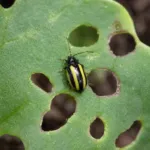 PestTurnip flea beetlePhyllotreta nemorum (Linnaeus, 1758)
 DiseaseAlternaria leaf spot of brassicasAlternaria brassicae (Berk.) Sacc.
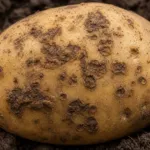 DiseasePotato common scabStreptomyces scabiei (synonym: Streptomyces scabies)
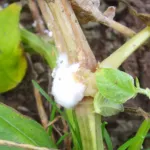 DiseaseWhite mold (Sclerotinia stem rot)Sclerotinia sclerotiorum
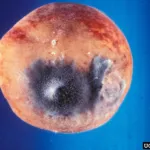 DiseaseRhizopus soft rotRhizopus stolonifer
Toxicity and pollen
The leaves and young shoots are used as food in traditional and agricultural systems, but seed oil from carinata is not a food oil and may contain high erucic acid and glucosinolates. Do not consume seed or unprocessed oil unless a product is specifically prepared and labeled for food use. Wash edible leaves and use only correctly identified plants.
- Typical season
- During flowering, commonly spring or fall in US seasonal plantings.
- Pollination / pollen
- Heavy, sticky pollen; limited wind dispersal
Brassica pollen is relatively heavy and sticky and is not efficiently wind-dispersed over long distances. Human sensitivity to Brassica pollen is documented in the broader genus, but species-specific clinical allergy evidence for B. carinata is limited; flowering plants may still bother highly sensitive individuals.
Native habitat
The crop is associated with cultivated fields and disturbed ground in northeastern and eastern Africa, from cool highlands to warmer, drier lowlands. It tolerates a broad range of soils but performs best with drainage and dependable moisture; salinity and waterlogging reduce establishment and growth.
Interesting fact
Brassica carinata is an amphidiploid crop associated with the genomes of black mustard and cabbage relatives. It is important both as a traditional leafy vegetable and as a developing oilseed and renewable-feedstock crop. The species can flower without a prolonged cold requirement, unlike many cabbage types.
Frequently asked questions (FAQ)
The most relevant questions about this plant, with short and direct answers.
🌱Quick care
What is Brassica carinata commonly called in the United States?⌄
Brassica carinata is commonly called Ethiopian Rape. It is an annual brassica grown as an edible leafy green, forage crop, cover crop, and oilseed plant.
Is Brassica carinata easy to grow?⌄
Yes, Brassica carinata is generally easy to grow when given full sun, fertile well-drained soil, and consistent moisture. It is relatively tolerant of drought and cool weather but performs best under moderate temperatures.
Is Ethiopian Rape an annual or perennial plant?⌄
Ethiopian Rape is normally grown as an annual. In some climates, plants may survive winter and flower during the following season, but they typically complete their life cycle after producing seed.
How much sun does Brassica carinata need?⌄
Brassica carinata needs full sun, meaning at least 6 hours of direct sunlight daily. Strong light supports compact growth, better leaf production, and more reliable flowering and seed development.
🌤️Environment and placement
What USDA hardiness zones can grow Brassica carinata?⌄
Brassica carinata is best treated as a seasonal annual across the United States rather than assigned a dependable perennial hardiness range. It is especially suited to cool-season production, including winter cropping in the Southeast.
Does Brassica carinata tolerate frost?⌄
Brassica carinata has useful frost tolerance but should be protected from severe or prolonged freezes. In the southeastern United States, it is commonly planted in fall several weeks before the first expected frost.
What temperatures are best for Ethiopian Rape?⌄
Ethiopian Rape grows best in cool to mild weather rather than intense summer heat. It can tolerate more heat and drought than canola, but hot conditions may accelerate bolting and reduce leaf quality.
What type of soil does Brassica carinata need?⌄
Brassica carinata prefers fertile, well-drained loam or sandy loam with good moisture-holding capacity. Avoid waterlogged sites and correct severe nutrient deficiencies before planting.
Can Brassica carinata grow in containers?⌄
Yes, Brassica carinata can grow in a large container filled with fertile, well-drained potting mix. Choose a container at least 12 inches deep and provide full sun, regular watering, and adequate spacing.
💧Care and problems
How often should I water Brassica carinata?⌄
Water Brassica carinata whenever the top inch of soil begins to dry, aiming for even, moderate moisture. Do not allow the soil to remain saturated because poor drainage can damage the roots.
How often should I fertilize Ethiopian Rape?⌄
Fertilize Ethiopian Rape when soil tests or plant growth indicate a nutrient need, using a balanced vegetable fertilizer or compost before planting. Excess nitrogen can produce lush growth and may increase susceptibility to some pests.
Why is my Brassica carinata turning yellow?⌄
Yellow leaves on Brassica carinata commonly result from nitrogen deficiency, waterlogged soil, drought stress, or older leaves naturally aging. Check soil moisture and drainage first, then use a soil test before adding fertilizer.
Why is Brassica carinata bolting?⌄
Brassica carinata bolts when it experiences maturity, increasing temperatures, long days, or other stress. Harvest leaves regularly and maintain steady moisture, but once strong flowering begins, bolting usually cannot be permanently reversed.
How can I prevent Ethiopian Rape from bolting?⌄
To delay bolting, grow Ethiopian Rape during cool weather, keep it evenly watered, and harvest young leaves frequently. Use succession sowing because no technique can keep an annual brassica vegetative indefinitely.
What pests commonly attack Brassica carinata?⌄
Common pests include aphids, flea beetles, caterpillars, and other brassica-feeding insects. Row covers, weed control, crop rotation, and regular inspection can reduce damage, while treatment should follow the product label.
What diseases affect Brassica carinata?⌄
Brassica carinata can be affected by common brassica diseases such as damping-off, downy mildew, and fungal leaf or stem diseases. Good drainage, clean seed, crop rotation, airflow, and avoiding overhead watering help reduce risk.
🪴Planting and repotting
When should I plant Brassica carinata in the United States?⌄
Planting time depends on region and intended use, but it is usually sown in late summer through fall for cool-season growth. In the Southeast, commercial recommendations commonly place planting about 3 to 4 weeks before the first frost.
How deep should I plant Ethiopian Rape seeds?⌄
Plant Ethiopian Rape seeds about ¼ to ½ inch deep, with the shallowest depth used in heavier soils. Small seeds may remain partly visible after sowing, but they must have firm contact with moist soil.
How far apart should Brassica carinata plants be spaced?⌄
For home gardens, thin Brassica carinata seedlings to roughly 6 to 12 inches apart, depending on whether you want baby greens or larger plants. Commercial carinata is commonly grown in narrow rows to improve canopy closure and weed suppression.
Can I direct-sow Brassica carinata?⌄
Yes, direct sowing is usually the simplest method for Brassica carinata. Sow into a prepared, weed-free seedbed, keep the surface evenly moist during germination, and thin seedlings after emergence.
Can Brassica carinata be transplanted?⌄
Yes, Brassica carinata can be transplanted while seedlings are young, although direct sowing usually minimizes disturbance. Harden transplants before setting them outdoors and avoid damaging the main root.
How long does Brassica carinata take to germinate?⌄
Brassica carinata commonly germinates within several days under cool, moist conditions. Germination may be slower or uneven if seeds are planted too deeply, allowed to dry out, or exposed to unsuitable temperatures.
✂️Propagation and pruning
How do I propagate Brassica carinata?⌄
Propagate Brassica carinata from seed. Sow fresh seed directly in the garden or start it in cells, then transplant young seedlings carefully if needed.
Can I save seeds from Ethiopian Rape?⌄
Yes, you can save Ethiopian Rape seeds by allowing pods to mature and dry on the plant, then collecting them before they shatter. Because Brassica species can cross-pollinate, isolate flowering plants from related brassicas if seed purity matters.
Does Brassica carinata need pollination to produce seed?⌄
Yes, Brassica carinata requires successful pollination for seed production, and insects commonly provide that service. Flowering plants can attract pollinators, but poor weather or limited insect activity may reduce seed set.
Should I prune Brassica carinata?⌄
Routine pruning is unnecessary, but harvesting outer leaves and young shoots functions as light pruning and encourages continued leaf production. Remove damaged leaves and flower stalks only if you want to delay seed production briefly.
⚠️Toxicity and safety
Are Brassica carinata leaves edible?⌄
Yes, the leaves of Brassica carinata are edible and are used as cooked greens in some cuisines. They may have a strong mustard-like flavor, and cooking can alter their glucosinolate content and pungency.
Can you eat Ethiopian Rape seeds?⌄
Do not assume that ordinary Ethiopian Rape seed is suitable for eating. Many oilseed types contain high levels of erucic acid and glucosinolates, so use seed only when it comes from a cultivar specifically identified and approved for food use.
Is Brassica carinata oil safe for cooking?⌄
Brassica carinata oil should not be used as cooking oil unless it is a verified food-grade, low-erucic-acid product. Standard carinata oil is primarily an industrial or renewable-fuel feedstock rather than a general household edible oil.
Is Brassica carinata toxic to pets or livestock?⌄
Brassica carinata has low toxicity as a garden plant, but its seeds, oil, and meal can contain concentrated erucic acid and glucosinolates. Prevent pets and livestock from consuming large amounts of seed or unprocessed oil, and consult a veterinarian about exposure.
Is Brassica carinata invasive in the United States?⌄
Brassica carinata is not generally considered invasive in the southeastern United States. Prevent unwanted volunteers by removing mature seed pods and rotating crops, especially where commercial or forage plantings are involved.
🌸Flowering and special interest
When does Brassica carinata flower?⌄
Brassica carinata flowers after it has developed sufficient vegetative growth and receives the seasonal cues that trigger reproduction. In southeastern field trials, first flowering occurred roughly three months after planting, although timing varies by cultivar and weather.
What do Brassica carinata flowers look like?⌄
Brassica carinata produces small, four-petaled yellow flowers typical of the mustard family. Flowers are held on branching stalks above the leaves and are followed by narrow seed pods.
Can I eat Brassica carinata flowers?⌄
Tender Brassica carinata flower buds and flowers may be eaten like other edible brassica shoots, but they often become stronger and more bitter as the plant matures. Eat them only from plants grown without unsafe pesticides or other chemical treatments.
What should I do after Brassica carinata finishes flowering?⌄
After flowering, allow the plant to form seed pods if you want to save seed; otherwise remove the plant when leaf quality declines. Harvest pods when they are dry but before most of them split and release seed.
Similar plants
 Azure Monkshood (Aconitum carmichaelii) care guideAconitum carmichaelii
 Monkshood (Aconitum ‘Stainless Steel’)Aconitum 'Stainless Steel'
 Monkshood (Aconitum ‘Bressingham Spire’)Aconitum 'Bressingham Spire'
 Golden full moon maple (Acer shirasawanum ‘Aureum’)Acer shirasawanum 'Aureum'
 Globosum (Acer platanoides ‘Globosum’)Acer platanoides 'Globosum'
 Striped maple (Acer pensylvanicum) care guideAcer pensylvanicum