
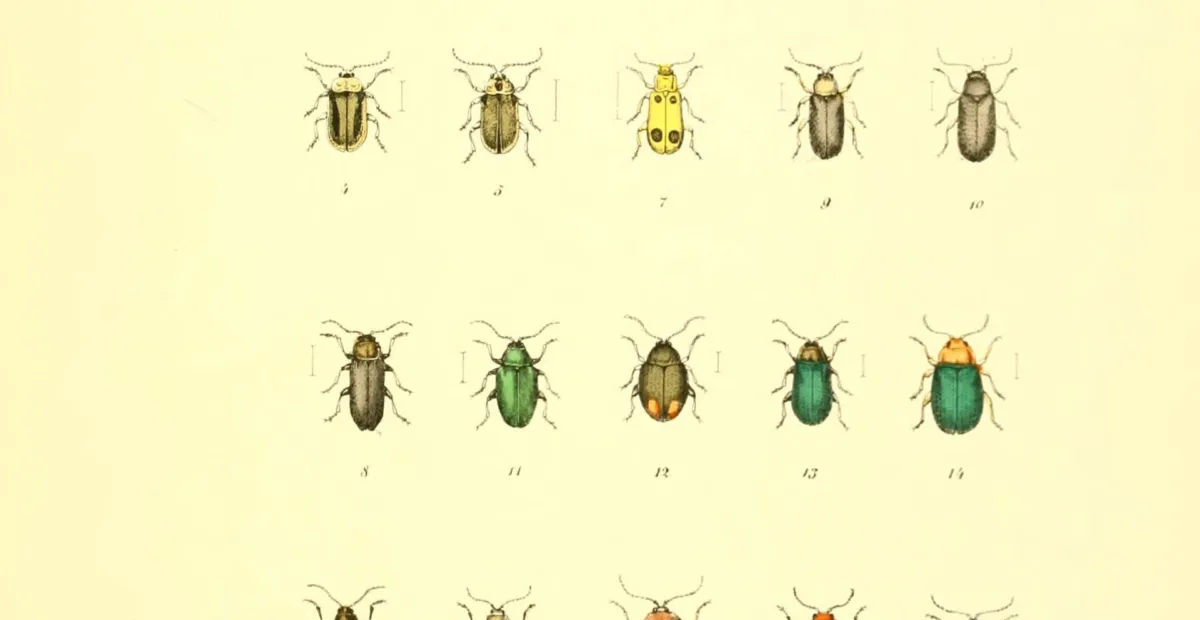
Cabbage Stem Flea Beetle
Psylliodes chrysocephalaCabbage Stem Flea Beetle overview
The cabbage stem flea beetle, Psylliodes chrysocephala, is a specialist brassica pest best known for damaging winter oilseed rape in Europe and parts of Canada. Adults create small “shot-holes” in newly emerged leaves and cotyledons, while larvae tunnel inside leaf petioles and stems. Because several flea beetle species look similar, suspected U.S. findings should be confirmed by an experienced diagnostician.
Typical conditions
Overview
Psylliodes chrysocephala (Coleoptera: Chrysomelidae) is commonly called the cabbage stem flea beetle. Adults are usually about 3–5 mm long, dark with a metallic blue-green sheen, and have enlarged hind legs that allow them to jump when disturbed. The pest is most economically important in winter oilseed rape, Brassica napus, but it can use other cultivated and wild brassicas.
The adult and larval stages cause different injuries. Adults chew shallow, round holes in cotyledons and young leaves; larvae enter petioles and later stems, where concealed feeding can reduce vigor, cause stunting, increase winter injury and, under heavy pressure, kill plants. Several North American flea beetles produce similar shot-hole damage, so photographs alone are not always sufficient for identification.
Symptoms and identification
- Adults produce numerous small, round or irregular “shot-holes” in cotyledons, young leaves and shoot tissues.
- Severely attacked seedlings may wilt, lose vigor, fail to establish or die, especially during dry or cool conditions.
- Larvae mine within leaf petioles and stems. Splitting affected tissue may reveal a slender pale larva with a dark head and posterior markings.
- Infested plants may become bushy, stunted or poorly elongated. Internal tunneling can weaken stems and increase susceptibility to frost and secondary pathogens.
- Damage is often most serious in newly emerged winter oilseed rape during the fall, followed by concealed larval injury through winter and early spring.
Causes and spread
Damage is caused by adult and larval feeding, not by a microorganism. Adults move into newly emerged brassica crops from field margins, hedgerows, woodland edges and other sheltered sites. They are attracted to young, actively growing brassica tissue and may spread into crops soon after emergence.
After feeding and mating, females place eggs in the soil near host plants. Larvae hatch and enter petioles, then move toward larger stems as they develop. Brassica volunteers, weeds and closely spaced successive brassica crops can help maintain local populations, while large areas of susceptible young crop provide abundant feeding and oviposition sites.
Life cycle and persistence
This species generally has one generation per year in the European oilseed-rape production systems where it is best studied. Adults spend summer in aestivation or shelter, then become active from late summer into early fall as new brassica crops emerge. Adults feed on cotyledons and leaves before females lay eggs in the soil near plants.
Eggs may be laid from fall through winter, depending on temperature and locality. Larvae pass through three instars, initially mining leaf petioles and later the main stem. Mature larvae leave the plant and pupate in earthen cells in the soil, commonly a few inches below the surface. New adults emerge in late spring or summer, then seek sheltered sites before the next crop-colonization period. Timing in the United States should not be assumed to match European calendars.
Treatment and control
Base intervention on confirmed identification, crop value, plant growth stage, local monitoring and the degree of injury. Small plantings can often be protected with insect netting, hand removal of adults, irrigation that relieves drought stress, and removal of severely infested plants. For field crops, inspect both adult shot-hole injury and petioles for larvae; foliar sprays aimed only at adults will not reliably eliminate larvae already protected inside stems.
Where crop protection is justified, use an integrated program rather than calendar spraying. Selective spot treatment of crop edges or hotspots may reduce exposure to beneficial organisms compared with whole-field treatment. Rotate insecticide modes of action only where a legally registered option exists, and avoid applications during bloom or when pollinators are actively foraging.
Low-impact and biological control
Use fine-mesh row covers, vigorous transplants, weed management and crop rotation as the primary nonchemical measures in gardens. On small plants, adults can be dislodged onto a cloth or collected by hand. Remove heavily infested plants and destroy them rather than composting them if larvae are present in stems.
Conserve ground beetles, spiders, predatory bugs and parasitoids by reducing unnecessary soil disturbance and broad-spectrum sprays. Research has investigated parasitoids, entomopathogenic fungi and other biological tools against this pest, but effectiveness, product availability and U.S. registration are variable; do not assume that a biological product tested in Europe is commercially available or labeled for this pest in the United States.
Prevention
- Confirm the pest before treatment; distinguish it from locally common flea beetles and other brassica-chewing insects.
- Use crop rotation and avoid placing successive brassica crops close together when practical.
- Remove or manage brassica volunteers and cruciferous weeds after harvest, while preserving non-crop habitat in a way that does not create a direct bridge into young plants.
- Establish seedlings rapidly with good seedbed preparation, adequate fertility based on soil testing, and timely irrigation during dry establishment periods.
- Scout from crop emergence, concentrating on field edges and newly emerged plants. Use yellow sticky traps or standardized field counts where locally validated monitoring methods are available.
- For small gardens, cover direct-sown brassicas with fine insect netting or floating row cover immediately after seeding, securing edges and removing covers when pollination or heat management requires it.
Interesting facts
- The common name refers to the beetle’s association with cabbage-family plants and to the larval stage’s concealed feeding in stems and petioles.
- Adults use powerful hind legs to jump rapidly when disturbed, a characteristic shared with many flea beetles.
- This specialist herbivore can tolerate the glucosinolate-based chemical defenses characteristic of Brassicaceae.
- Larvae are more difficult to target than adults because they feed inside plant tissue.
- European populations have developed resistance to some pyrethroid insecticides, illustrating why repeated use of one mode of action is poor long-term IPM.
Use only insecticide products legally authorized and currently labeled for the specific crop, pest and application site in your U.S. state. Follow the current label for rate, timing, personal protective equipment, preharvest interval, reentry interval, resistance-management requirements and pollinator precautions. Do not use a product solely because it is labeled for another flea beetle or another crop, and do not infer U.S. legality from European recommendations. Species confirmation and consultation with a state Extension specialist are especially important for a suspected new or regulated occurrence.
Affected plants
The plants below are linked to this problem by structured host-plant data. The list updates automatically as new plant profiles are added.
 Ethiopian Rape (Brassica carinata) care guideBrassica carinata
 Brown Mustard (Brassica juncea) care guideBrassica juncea
 Rapeseed (Brassica napus) care guideBrassica napus
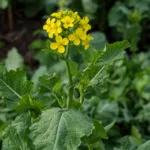 Urnip rape (Brassica rapa) care guideBrassica rapa
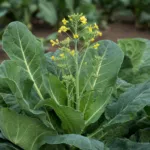 Collard greens (Brassica oleracea) care guideBrassica oleracea
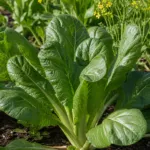 Integrifolia Group (Brassica juncea Integrifolia Group)Brassica juncea Integrifolia Group
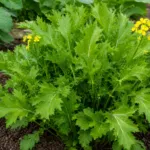 Multiceps Group (Brassica juncea Multiceps Group)Brassica juncea Multiceps Group
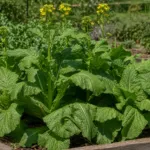 Broad-leaved mustard (Brassica juncea Rugosa Group)Brassica juncea Rugosa Group
 Black Mustard (Brassica nigra) care guideBrassica nigra
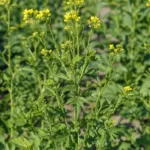 White Mustard (Sinapis alba) care guideSinapis alba
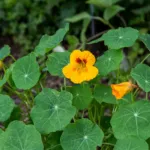 Mashua (Tropaeolum tuberosum) care guideTropaeolum tuberosum
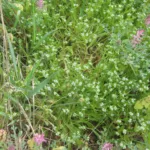 Cornsalad (Valerianella locusta) care guideValerianella locusta