
Strawberry mild yellow edge virus
Potexvirus fragariaeStrawberry mild yellow edge virus overview
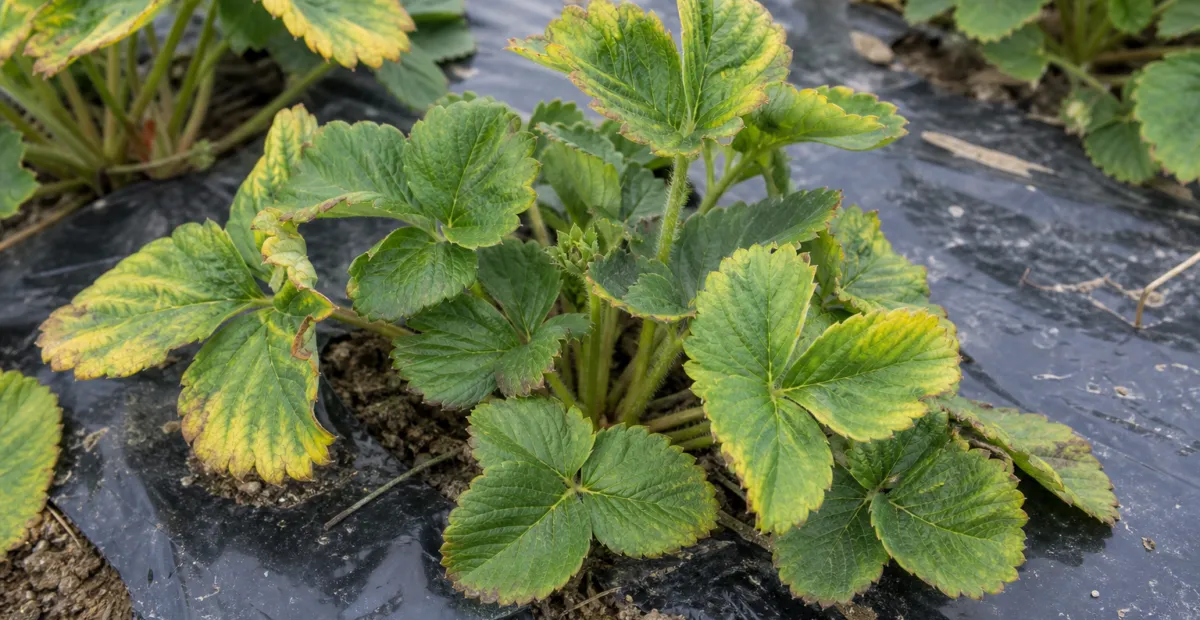
Strawberry mild yellow edge virus is an aphid-transmitted virus of strawberries that may cause marginal yellowing, leaf distortion, dwarfing and reduced fruit size in sensitive cultivars. Many modern strawberry cultivars show few or no symptoms when infected alone, while mixed infections with other strawberry viruses can produce serious loss of vigor, yield and fruit quality. Laboratory testing is needed for reliable diagnosis.
Typical conditions
Overview
Strawberry mild yellow edge virus (SMYEV), currently classified as Potexvirus fragariae in the genus Potexvirus, infects strawberry plants and is part of the strawberry virus complex. The virus is widely distributed in cultivated and wild strawberry material. Many modern cultivars are tolerant or show only subtle symptoms when SMYEV occurs alone, so visual diagnosis is unreliable.
In the United States, concern is greatest where infected nursery stock or aphid movement introduces the virus into commercial or home strawberry plantings. Mixed infections with strawberry mottle virus, strawberry crinkle virus or other viruses can cause much more obvious decline than SMYEV alone.
Symptoms and identification
- Yellowing or chlorosis along the margins of older or newly expanded leaflets.
- Leaf distortion, reduced leaflet size, crinkling or an irregular appearance in sensitive cultivars.
- General dwarfing, reduced vigor and shortened petioles.
- Small fruit or reduced yield may occur, particularly in plants carrying virus mixtures.
- Some infected cultivars remain symptomless or show symptoms only under stress or in combination with other viruses.
Symptoms overlap with nutrient imbalance, herbicide injury, aphid feeding and other strawberry viruses. A symptom pattern alone cannot confirm SMYEV.
Causes and spread
SMYEV is spread primarily through infected strawberry propagation material, including runners, daughter plants and nursery stock. The principal natural vector reported for strawberry mild yellow edge disease is the strawberry aphid, Chaetosiphon fragaefolii; related Chaetosiphon species may also be involved in some regions. Aphids acquire virus while feeding and can transmit it while moving among strawberry plants.
Spread is favored by movement of infected plants and by aphid activity within or between plantings. Seed transmission is not considered an important route. Mechanical transmission between ordinary garden plants is not the primary concern, although sap-contact contamination should still be avoided during propagation and handling.
Life cycle and persistence
The virus survives systemically in infected strawberry plants and can move into runners and daughter plants. When an aphid feeds on an infected plant, virus particles may be acquired and then introduced into another strawberry during subsequent probing and feeding. The new plant may remain symptomless or develop symptoms depending on cultivar, virus strain, plant age, environmental conditions and the presence of additional viruses.
Because symptoms may be latent, infected plants can pass the virus through several propagation cycles before a problem is recognized. Laboratory detection commonly uses serological methods such as ELISA or molecular tests such as RT-PCR; sensitive Fragaria vesca indicator clones have also been used in virus indexing.
Treatment and control
There is no curative treatment that eliminates SMYEV from an established field-grown strawberry plant. Remove and discard confirmed or strongly suspected infected plants, especially in small plantings and propagation beds. Replace them with certified clean stock rather than rooting runners from the affected bed.
For commercial production, submit representative leaf samples to a qualified plant diagnostic laboratory for RT-PCR or another validated test, particularly when mixed infection is suspected. Heat treatment and meristem culture are specialized nursery sanitation methods, not practical home-garden treatments, and should be performed only by qualified propagators.
Low-impact and biological control
No organic spray can cure an infected strawberry plant or reliably inactivate SMYEV inside plant tissue. Organic and low-input management should focus on exclusion and vector suppression: start with certified clean plants, remove infected plants, eliminate volunteer strawberries, use insect-exclusion fabric in propagation areas and conserve beneficial aphid predators.
Inspect young leaves and leaf undersides regularly for strawberry aphids. Strong water sprays can reduce aphid colonies on small plantings, but they will not reverse virus infection and may not prevent brief vector probing. Avoid unnecessary broad-spectrum insecticides that destroy natural enemies and disrupt integrated pest management.
Prevention
- Purchase virus-tested, certified strawberry plants from reputable U.S. nurseries whenever available.
- Do not propagate runners from plants showing dwarfing, marginal yellowing, leaf distortion or unexplained poor yield.
- Inspect incoming plants before planting and quarantine questionable material away from established beds.
- Remove and dispose of suspect plants rather than composting them or leaving them to produce runners.
- Control volunteer strawberries and manage aphid hosts near propagation areas.
- Keep nursery and home-garden strawberry beds separated from older, declining plantings when practical.
- Use laboratory testing when symptoms are important, widespread or associated with nursery stock.
Interesting facts
- SMYEV is classified in the virus genus Potexvirus and has a single-stranded, positive-sense RNA genome.
- Most commercial cultivars are relatively tolerant, which makes field diagnosis difficult.
- Fragaria vesca clones are used as sensitive indicator plants in virus indexing and diagnostic work.
- Strawberry mild yellow edge disease historically included virus complexes, and severe symptoms are often associated with simultaneous infection by multiple strawberry viruses.
- Documented natural hosts are concentrated in the strawberry genus, although some diagnostic and host-database records report additional experimental or minor hosts; host lists should therefore be interpreted cautiously.
No pesticide program cures strawberry mild yellow edge virus. If aphid control is warranted, use only products legally authorized for aphids on strawberries in the United States and in the specific state and production setting; follow the current label exactly, including crop, site, rate, preharvest interval, worker-protection and pollinator requirements. Chemical control may reduce aphid numbers but may not prevent virus transmission because acquisition and inoculation can occur during brief feeding probes.