
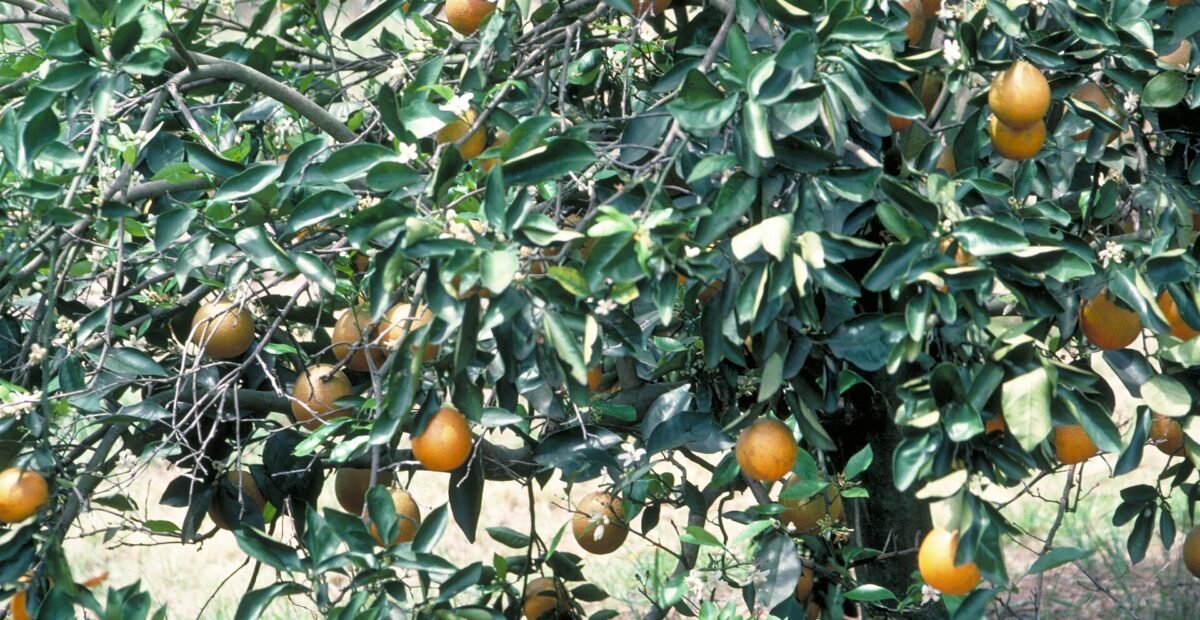
Zinc deficiency
Zinc deficiency overview
Zinc deficiency is a physiological nutrient disorder caused by insufficient plant-available zinc or poor root uptake. It is especially important in fruit trees, vines, corn, beans and some vegetables. Typical signs include small, pale or chlorotic young leaves, shortened internodes, stunting and rosetted growth. Because symptoms can resemble iron or manganese deficiency, herbicide injury and root disorders, soil and tissue testing is often needed for confirmation.
Typical conditions
Overview
Zinc is an essential micronutrient required in very small quantities, but deficiency can restrict shoot growth, leaf development, flowering, fruit set and yield. The disorder is commonly encountered in fruit and nut trees, grapevines, corn, sweet corn, edible beans and selected vegetable crops. It may occur because the soil contains little zinc, but more often the zinc present is chemically unavailable or roots cannot absorb it effectively.
In US landscapes and gardens, zinc deficiency is particularly worth considering where topsoil has been removed, soil is sandy or highly leached, pH is high, phosphorus has been overapplied, or roots are stressed by compaction, poor drainage, nematodes or decay. Visual diagnosis alone is unreliable because iron deficiency, manganese deficiency, herbicide injury and some diseases can produce similar chlorosis.
Symptoms and identification
Symptoms are usually most visible on young foliage because zinc is relatively immobile within the plant. Broadleaf plants may develop pale green to yellow tissue between veins, small or narrow leaves, pointed leaf tips, distorted margins, shortened internodes and reduced shoot growth. Severe deficiency can produce rosettes or tufted clusters of leaves, delayed spring leaf-out, poor flowering, reduced fruit set, premature leaf drop and twig dieback.
Crop symptoms vary. Corn may show broad white or pale bands on both sides of the midrib and general stunting. Beans may develop yellowing that progresses to bronze or brown, while soybean commonly shows interveinal chlorosis. Citrus, almond, peach and plum can develop small, narrow, pointed leaves on shortened shoots. Grapevines may show small leaves, shortened internodes and poor berry development.
Compare affected and healthy plants, inspect the newest growth, and consider spray records and root-zone conditions. Zinc deficiency often preserves greener veins, whereas some herbicide injuries or viral and bacterial disorders may follow different patterns. A laboratory soil test plus properly timed tissue analysis provides stronger evidence than appearance alone.
Causes and spread
This disorder does not spread biologically from plant to plant. It develops where plant-available zinc is low or uptake is restricted. Common contributing conditions include high-pH or calcareous soil, sandy or highly leached soil, low organic matter, removal or erosion of topsoil, cool spring soil, excessive phosphorus fertilization, compacted soil, waterlogging, overwatering, root injury, nematode damage and root-decay pathogens.
High soil pH can bind zinc in forms roots absorb poorly. Excess phosphorus can aggravate the problem in some crops, especially where zinc is already low. Distribution may be patchy, following soil texture, grading, irrigation patterns, fertilizer bands or damaged root zones. A plant can therefore show symptoms even when a bulk soil test detects some total zinc.
Life cycle and persistence
Zinc deficiency has no pathogen, insect or other biological lifecycle. It is a recurring soil–plant nutrient-availability problem. Symptoms may intensify during cool, wet spring conditions when root growth and nutrient mineralization are slow, or during periods of rapid shoot growth when demand exceeds uptake. Correcting the root-zone limitation allows new growth to develop normally, but already damaged leaves generally do not regain their original size or color.
Treatment and control
First confirm the diagnosis with a soil test and, when appropriate, plant-tissue analysis. Test separately from healthy areas and sample the correct plant part and growth stage for the crop. Also inspect roots, drainage, irrigation, pH and recent phosphorus applications so that a hidden root or soil problem is not mistaken for simple zinc shortage.
Correct the root-zone cause. Apply a zinc fertilizer or zinc-containing amendment only when testing and crop recommendations support it. Soil-applied zinc may be incorporated before planting or placed in a suitable fertilizer program; chelated zinc can be useful in selected situations. Foliar zinc may provide short-term correction for some crops, but effectiveness and crop safety vary, and improperly timed or concentrated sprays can burn foliage. Existing damaged leaves usually remain damaged; judge success by the color and size of new growth, improved shoot elongation and recovery of flowering or fruit set.
For home landscapes, correct drainage, reduce compaction, avoid indiscriminate high-phosphorus fertilizer and obtain advice from a local Extension office or certified crop adviser before applying micronutrients.
Low-impact and biological control
Organic management focuses on improving zinc availability and root health rather than using a pesticide. Add well-finished compost only when appropriate for the soil and crop, maintain adequate but not excessive moisture, improve drainage, and reduce compaction around the root zone. Use balanced organic fertilizers with known nutrient analysis instead of repeated applications of manure or compost that may overload phosphorus.
Beneficial arbuscular mycorrhizal fungi can improve zinc and phosphorus acquisition in some crops, but results depend on the plant, soil, disturbance and product quality. Preserve existing beneficial root symbioses by avoiding unnecessary soil sterilization, excessive phosphorus and repeated severe cultivation. Organic zinc materials or chelated products may be used only if permitted for the intended production system and supported by a soil or tissue diagnosis.
Prevention
- Test soil before planting and periodically thereafter, especially in orchards, vineyards, vegetable beds and fields with a history of deficiency.
- Maintain crop-appropriate pH rather than applying lime routinely. Avoid excessive phosphorus and use fertilizer according to soil-test recommendations.
- Protect the root zone from compaction, grading damage, mechanical injury and prolonged saturation. Irrigate deeply but allow suitable drainage.
- Return organic matter through mature compost or appropriate organic amendments, while avoiding excessive manure or phosphorus inputs.
- Choose planting sites and rootstocks suited to local soil conditions, and monitor sensitive crops such as corn, beans, grape, citrus and stone fruit.
- Where deficiency has occurred repeatedly, use a locally recommended zinc source preventively at the correct crop stage and rate, guided by soil and tissue testing.
Interesting facts
- Zinc is needed in minute amounts but participates in many enzyme systems and helps regulate shoot elongation and chlorophyll formation.
- The disorder is often an availability problem rather than a complete absence of zinc from the soil.
- Fruit and nut trees may form conspicuous rosettes of small, pointed leaves because shortened internodes compress new growth.
- In corn, broad pale or white bands beside the midrib are a useful field clue, but testing is still preferable to visual diagnosis alone.
- Old leaves generally cannot supply enough mobile zinc to new growth, so symptoms often appear first on expanding leaves.
- Too much zinc can injure plants, particularly sensitive crops, making careful diagnosis and rate control important.
Zinc deficiency is not controlled with pesticides. Use only fertilizer, soil-amendment or foliar micronutrient products legally authorized for the crop and intended use in your country, and follow the current product label. Do not exceed label rates: zinc can become toxic, and foliar zinc can cause phytotoxic burn. In the United States, confirm state and crop-specific requirements and consult the current label, Extension guidance or a licensed professional before application.
Affected plants
The plants below are linked to this problem by structured host-plant data. The list updates automatically as new plant profiles are added.
 Onion (Allium cepa) care guideAllium cepa
 Allium christophii care guideAllium christophii
 Bunching onion (Allium fistulosum) care guideAllium fistulosum
 Giant Allium (Allium giganteum) care guideAllium giganteum
 Ornamental onion (Allium) care guideAllium
 Garlic (Allium sativum) care guideAllium sativum
 Chives (Allium schoenoprasum) care guideAllium schoenoprasum
 Ransoms (Allium ursinum) care guideAllium ursinum