
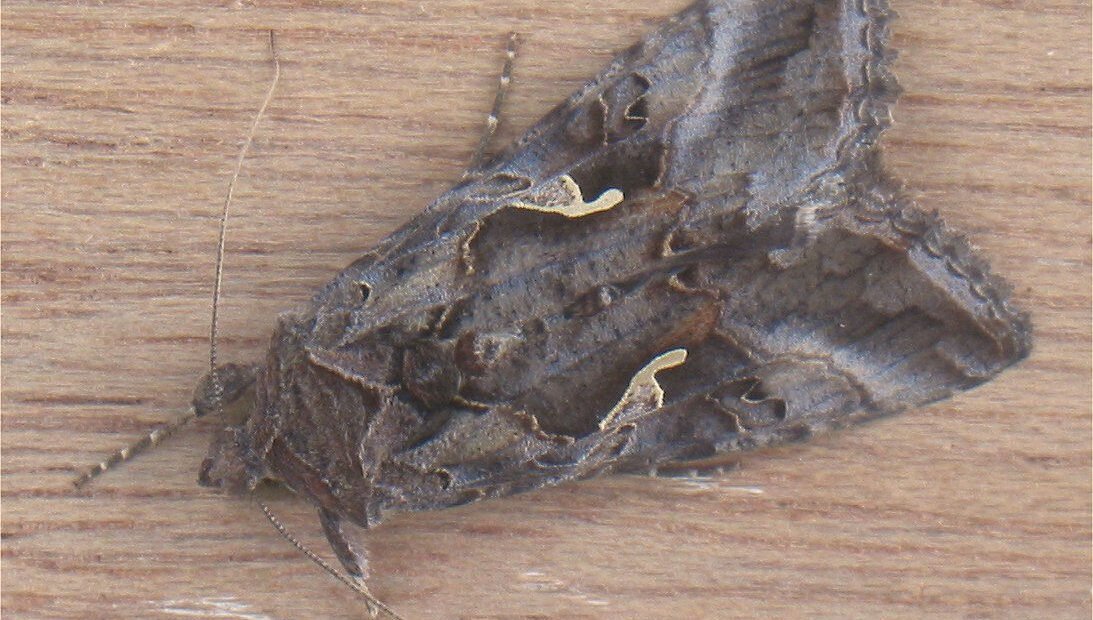
Silver Y moth
Autographa gammaSilver Y moth overview
The silver Y moth, Autographa gamma, is a migratory, highly polyphagous noctuid whose caterpillars chew vegetable, field-crop and ornamental foliage. Heavy infestations can skeletonize leaves, cut petioles and damage crop hearts or flower heads. It is not established in the United States, where suspected specimens require careful confirmation because similar native Autographa moths occur and may be attracted to the same pheromone lures.
Typical conditions
Overview
The damaging stage is the caterpillar, not the adult moth. Young larvae scrape and skeletonize leaves; older larvae make larger holes, consume leaf tissue toward the midrib, and may cut petioles or enter crop hearts. Documented hosts include beet, tobacco and a broad range of vegetable and field crops. In the United States, a suspect should be photographed, contained and reported to the state plant-health authority or USDA APHIS rather than assumed to be this species.
Adults are brownish moths with a conspicuous silvery marking resembling the Greek letter gamma or a “Y” on each forewing. Identification from an adult photograph can be unreliable because several North American Autographa species are similar; rearing, dissection or DNA barcoding may be required.
Symptoms and identification
Typical damage begins as translucent scraping or small windows in leaves, progressing to irregular holes and broad areas of skeletonization. Older caterpillars may remove most of the blade while leaving sections of the midrib, notch leaf margins, sever leaf stalks or damage the heart of lettuce and beet plants.
- Green caterpillars are usually found singly on leaf undersides and may drop when disturbed.
- Frass may collect on foliage or in crop hearts.
- Artichoke and similar crops can show perforated or twisted bracts when larvae feed in flower heads.
- An adult moth with a silver Y-like mark is not sufficient for diagnosis in the United States because native look-alikes occur.
Causes and spread
Spread occurs primarily through adult migration and movement of infested plant material, cut flowers and vegetables. Females deposit eggs directly on host foliage, and larvae can be transported unnoticed in dense leaves, flower heads or harvested plant material. Weedy field margins and unmanaged host plants can support populations between crop periods.
In the United States, repeated interceptions have been associated with imported commodities, but interception does not mean establishment. Because native species resemble A. gamma, suspected findings should be preserved and submitted for official identification.
Life cycle and persistence
Females lay eggs singly or in small groups, commonly on the underside of leaves, young shoots, flowers or newly set fruit. Eggs may hatch in about 3 days under warm laboratory conditions but can require roughly 10–12 days in temperate conditions.
Larvae pass through several instars and feed mainly at night or during low light. Development may take about 15–16 days near 77°F but considerably longer in cool weather. Pupation occurs in a thin pale silken cocoon attached to foliage, plant stems or sometimes just below the soil surface. The pupal stage may last about 6–8 days at warm temperatures and around a month in cool conditions.
Depending on climate, one to several generations may occur annually. Adults are strong migrants and may arrive from distant areas; in regions where winter survival is possible, larvae or pupae can overwinter. There is no dependable U.S. garden calendar because the species is not established in the country.
Treatment and control
First confirm that caterpillars, rather than slugs, chewing beetles or another native moth, are causing the injury. Remove larvae and heavily infested leaves when practical, then inspect neighboring plants because larvae may drop when disturbed.
For commercial or high-value plantings, base intervention on crop value, larval density, plant growth stage and expected defoliation. Target young larvae because they are easier to control and cause less cumulative injury. If a pesticide is necessary, select a product currently labeled for the crop and the confirmed pest, rotate effective modes of action, avoid spraying open flowers when pollinators are foraging, and follow the label exactly.
After treatment, reassess the crop rather than applying automatically. Look for surviving larvae, fresh frass and new feeding injury, and document specimens if an exotic-pest report is warranted.
Low-impact and biological control
Use integrated, low-impact measures first:
- Inspect plants at least weekly, concentrating on leaf undersides, crop hearts and dense foliage.
- Hand-pick and destroy larvae and egg masses in small gardens; check after dusk when feeding is easier to observe.
- Use floating row cover or insect-exclusion netting over susceptible crops, removing it only when pollination or crop access requires.
- Remove crop residues and control important weeds after harvest, while retaining flowering habitat away from the crop where feasible to support natural enemies.
- If larvae are confirmed and treatment is justified, a labeled microbial product based on Bacillus thuringiensis var. kurstaki may be appropriate for susceptible young caterpillars. Coverage is most effective before larvae become large.
- Protect parasitoids, predatory bugs, birds and other natural enemies by avoiding unnecessary broad-spectrum sprays.
Do not release, rear or transport this non-native pest in the United States without appropriate permits.
Prevention
Buy plants and cut flowers from reputable sources, inspect shipments before bringing them into the garden, and isolate suspicious material. Look beneath leaves and inside dense crop hearts for eggs, small green larvae, webbing and frass.
- Use pheromone trapping only as a monitoring aid; captures of related Autographa moths are not diagnostic.
- Scout susceptible crops weekly and increase inspections during warm, wet periods or after reports of migratory flights.
- Remove crop residues promptly and manage volunteer plants and weeds that can sustain larvae.
- Use row covers, screens and physical exclusion where practical.
- Report a suspected A. gamma in the United States to the state department of agriculture or USDA APHIS, especially when associated with imported material.
Interesting facts
The species name gamma refers to the bright metallic forewing marking that resembles the Greek letter gamma. Adults commonly visit flowers for nectar and may be active during daylight as well as at dusk and night.
Autographa gamma has been reported from more than 200 plant species in many families, but host records differ in reliability and importance. EPPO identifies Beta vulgaris as a major host and lists Nicotiana tabacum and vegetable plants as hosts.
USDA APHIS lists the silver Y moth as a pest of concern. The species has been intercepted at U.S. ports, while surveys must distinguish it from similar native moths, including species attracted to the same pheromone lures.
Use only insecticides legally authorized for Autographa gamma or the relevant caterpillar on the specific crop in your state and country. Follow the current product label for crop, pest, rate, timing, personal protective equipment, harvest interval and pollinator precautions. Do not treat based on an adult moth alone; confirm larvae and use an integrated pest-management threshold whenever one is available.
Affected plants
The plants below are linked to this problem by structured host-plant data. The list updates automatically as new plant profiles are added.
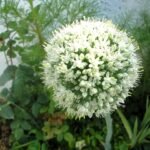 Onion (Allium cepa) care guideAllium cepa
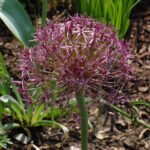 Allium christophii care guideAllium christophii
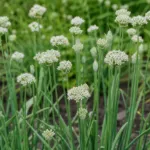 Bunching onion (Allium fistulosum) care guideAllium fistulosum
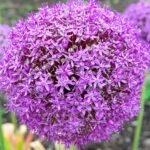 Giant Allium (Allium giganteum) care guideAllium giganteum
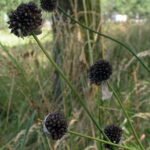 Ornamental onion (Allium) care guideAllium
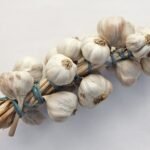 Garlic (Allium sativum) care guideAllium sativum
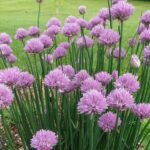 Chives (Allium schoenoprasum) care guideAllium schoenoprasum
 Ransoms (Allium ursinum) care guideAllium ursinum
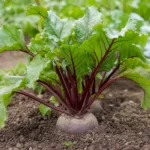 Beet (Beta vulgaris) care guideBeta vulgaris
 Ethiopian Rape (Brassica carinata) care guideBrassica carinata
 Brown Mustard (Brassica juncea) care guideBrassica juncea
 Rapeseed (Brassica napus) care guideBrassica napus