
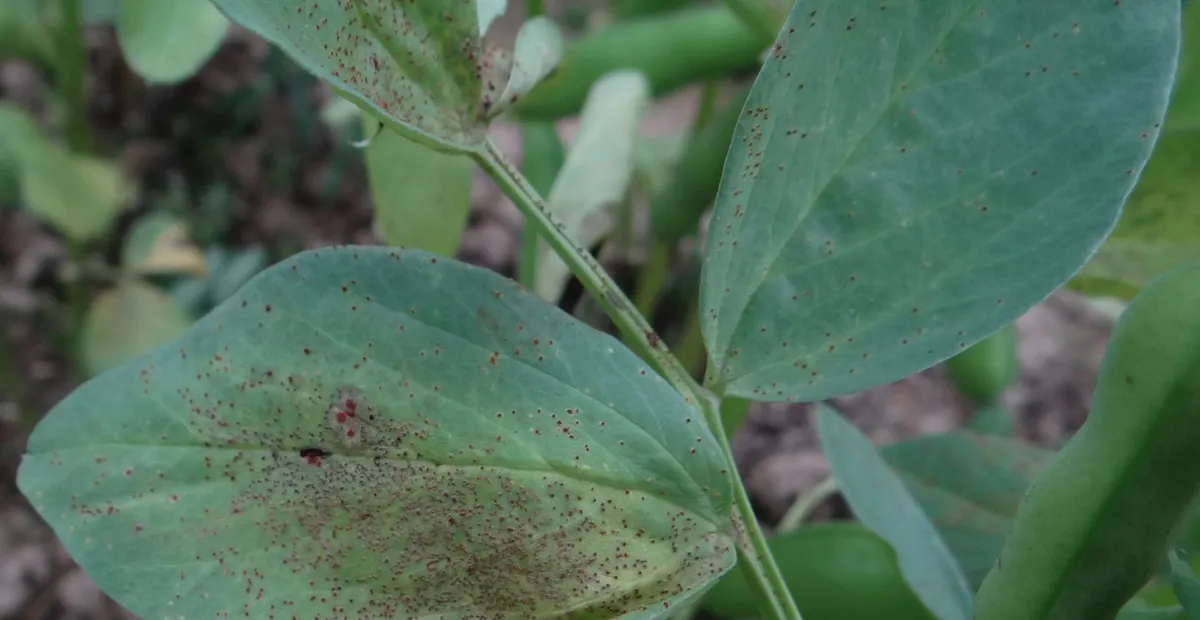
Fava Bean Chocolate Spot
Botrytis fabaeFava Bean Chocolate Spot overview
Fava bean chocolate spot is a fungal disease associated with Botrytis fabae, especially during cool, wet and humid weather. It starts as small red-brown spots on mature leaves, stems, flowers or pods, then may progress to large coalescing lesions, defoliation, flower loss and poor pod development. Similar symptoms can be caused by other Botrytis species, so laboratory confirmation may be needed for exact identification.
Typical conditions
Overview
Chocolate spot is a foliar and pod disease of fava bean, also called broad bean or field bean. Botrytis fabae is the named causal fungus for this entry and is reported as a major cause of the disease. Closely similar symptoms can be produced by other Botrytis species, including B. cinerea, B. fabiopsis and, in some regions, additional species.
Early lesions are usually small, red to reddish-brown spots. Under prolonged wetness and high humidity, lesions enlarge and merge, causing extensive blighting, premature leaf loss, flower abortion, poor pod set and, in severe cases, collapse of the plant.
Symptoms and identification
Look for numerous small, circular to oblong red-brown or chocolate-colored spots on leaves and stems. As disease pressure increases, spots may coalesce into irregular dark red or brown areas. Older lesions can develop tan or gray-brown centers, darker margins or concentric zones, followed by tissue death and leaf blight.
- Leaves may yellow, dry, fall prematurely or become more than half defoliated.
- Flowers can be infected or shed, reducing pod formation.
- Stems and pods may develop brown to black lesions; severe infections can weaken stems and cause plant collapse.
- Gray Botrytis sporulation may appear on dead, humid tissue, although it is not always present.
Ascochyta blight, bacterial spots, frost injury and other Botrytis species can look similar. A diagnostic laboratory is needed when species-level identification matters.
Causes and spread
The disease spreads when Botrytis spores from infected residue or lesions reach wet fava bean tissue. Rain, overhead irrigation, splashing water, wind-driven droplets, insects moving through the canopy and handling wet plants can distribute inoculum.
- Dense plantings and lush, poorly ventilated foliage dry slowly.
- Cool, rainy periods and repeated cloudy weather extend leaf-wetness duration.
- Infected crop debris, volunteer fava beans and repeated fava bean production maintain inoculum near the next crop.
- Frost, hail, insect injury, senescing flowers and other wounds can provide infection sites.
Life cycle and persistence
Botrytis fabae survives between crops mainly in infected plant residue and hardened fungal survival structures called sclerotia. When moisture returns, the fungus can produce spores that are moved by rain splash, irrigation, wind and contact between crowded plants.
Infection is favored by extended leaf wetness and high relative humidity. Lesions enlarge during continued wet weather and may produce additional spores, allowing disease to move rapidly through a dense canopy. The fungus may also colonize senescing flowers and damaged tissue before expanding into healthy plant parts.
The precise overwintering contribution of B. fabae can vary by production system, and other Botrytis species may be involved in the same field. This is why sanitation and moisture management are useful even when the exact species has not been confirmed.
Treatment and control
Begin by confirming that the symptoms are not frost injury, Ascochyta blight or another leaf-spot disease. Remove the most heavily infected foliage when the planting is small and maintain maximum airflow. Reduce overhead irrigation and avoid handling plants while wet.
Once lesions have merged and foliage is dying, sanitation and cultural measures cannot reverse existing damage. In commercial or high-value plantings, a timely fungicide may reduce new infections, but only products legally labeled for Botrytis or chocolate spot on fava bean in the United States may be used. Rotate fungicide groups when labels permit and follow the current label’s resistance-management requirements.
If exact identification is important, submit symptomatic tissue to a land-grant university diagnostic clinic or qualified plant pathology laboratory. This is particularly useful because several Botrytis species can cause nearly indistinguishable chocolate spot symptoms.
Low-impact and biological control
There is no dependable organic cure once extensive blighting has developed. Use an integrated, preventive approach:
- Remove and destroy heavily infected leaves and whole plants when practical; do not compost diseased material unless the composting system reliably reaches pathogen-killing temperatures.
- Water at the soil surface, preferably with drip irrigation, and avoid working among wet plants.
- Improve airflow by following the cultivar’s recommended spacing and removing weeds or volunteer fava beans that keep the canopy humid.
- At harvest, remove or bury infected residue and rotate out of fava bean and other susceptible legume plantings where feasible.
- Select cultivars described by a reputable seed source as having improved chocolate-spot tolerance, recognizing that resistance may be partial and pathogen populations vary.
- Biological fungicides or other organic-labeled products should be considered only if they are currently registered for the crop and disease in the United States; apply them preventively according to the label rather than expecting them to restore dead tissue.
Prevention
Start with clean seed and healthy transplants, and inspect plants frequently during cool, wet periods. Space fava beans so foliage can dry quickly, keep weeds controlled and use drip irrigation or water early enough for leaves to dry before night.
- Rotate fava bean away from the same bed for several seasons when practical, especially after a severe outbreak.
- Remove volunteer fava beans and promptly manage infected residue after harvest.
- Avoid excessive nitrogen that produces a dense, succulent canopy.
- Choose locally adapted cultivars with documented partial resistance or tolerance when available.
- In commercial plantings, use weather and crop scouting to time any legally labeled fungicide before disease becomes severe.
Interesting facts
- The name “chocolate spot” refers to the characteristic red-brown to dark brown lesions, not to a nutrient disorder.
- Botrytis fabae is strongly associated with fava bean, while B. cinerea has a much broader host range.
- Chocolate spot is a species-complex problem: published reports identify several Botrytis species as causes of similar disease on Vicia faba.
- Severe foliage loss reduces photosynthetic capacity and can interfere with flowering, pod development and final yield.
- Recent U.S. work on emerging faba bean production shows that the Botrytis species present may vary by region, reinforcing the value of laboratory identification for research and commercial decisions.
Use fungicides only when a product is currently labeled for chocolate spot or Botrytis disease on fava bean in the United States and in your state. Follow the current label exactly, including crop, rate, timing, personal protective equipment, preharvest interval and resistance-management instructions. Product registrations and labels can change; do not use an off-label pesticide program.
Affected plants
The plants below are linked to this problem by structured host-plant data. The list updates automatically as new plant profiles are added.
 Broad Bean (Vicia faba) care guideVicia faba
 Lentil (Vicia lens) care guideVicia lens
 Onion (Allium cepa) care guideAllium cepa
 Bunching onion (Allium fistulosum) care guideAllium fistulosum
 Common Garden Peony (Paeonia lactiflora) care guidePaeonia lactiflora
 Paeonia mlokosewitschii care guidePaeonia mlokosewitschii
 Garden Peony (Paeonia officinalis) care guidePaeonia officinalis
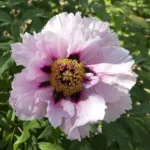 Tree peony (Paeonia suffruticosa) care guidePaeonia suffruticosa
 King begonia (Begonia rex) care guideBegonia rex
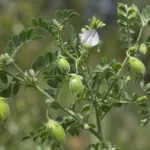 Chickpea (Cicer arietinum) care guideCicer arietinum
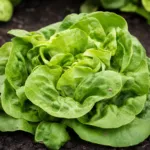 Capitata Group (Lactuca sativa Capitata Group)Lactuca sativa Capitata Group
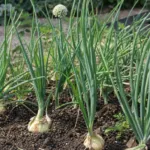 Cepa Group (Allium cepa Group)Allium cepa Cepa Group