
 Source:
 Garden Peony (Paeonia officinalis) short overview
Garden Peony (Paeonia officinalis) is a long-lived herbaceous perennial from southern Europe, grown for its early, cup-shaped flowers and divided foliage. The species typically forms a compact clump about 18–24 inches tall and wide. Crimson-red blooms are usually produced in May, although cultivated forms may also bear pink or white flowers. Plant it in fertile, well-drained soil with full sun or light afternoon shade, and avoid burying the crown deeply.
Taxonomic classification
Garden Peony (Paeonia officinalis) care guide
Light and placement
Give Garden Peony full sun for the strongest flowering, ideally with at least 6 hours of direct light. In hot southern locations, morning sun with light afternoon shade can reduce heat stress. Excess shade produces weak stems and few flowers; harsh reflected heat may scorch foliage or shorten bloom life. Keep the plant in an open position with good air movement.
Watering and humidity
Water deeply when the upper few inches of soil begin to dry, especially during spring growth and flowering. Maintain even moisture while buds are developing, but do not leave the crown or roots waterlogged. Reduce irrigation after foliage naturally declines. Established plants tolerate brief dry periods, yet drought during bud formation can reduce flowering. Average garden humidity is adequate.
Soil and growing medium
Use a fertile loam amended with compost, with reliable drainage and enough organic matter to hold moderate moisture. Avoid compacted clay, permanently wet sites and very sandy beds that dry rapidly. A slightly acidic to slightly alkaline reaction is acceptable. Good drainage is particularly important in winter, when saturated soil can promote crown and root problems.
Feeding
Top-dress with compost in early spring as shoots emerge. If growth is weak, apply a modest, balanced slow-release fertilizer according to the product label. Avoid heavy nitrogen feeding, which can produce soft foliage at the expense of flowers. Do not fertilize after late summer or once the plant has entered natural dormancy.
Growth and habit
This species emerges from a persistent underground root system each spring, flowers early, then retains useful foliage through summer before dying back after frost. It is long-lived and generally performs best when left undisturbed. Mature clumps may need little support, though crowded growth should be divided only when flowering declines or the planting becomes difficult to manage.
Planting and repotting
Plant dormant divisions in fall when possible, or in early spring before active growth. Prepare a broad area of fertile, well-drained soil rather than a narrow deep hole. Position the eyes only about 1–2 inches below the finished soil level; excessive depth is a common cause of poor flowering. Water thoroughly after planting and keep evenly moist during the first growing season.
Container culture is possible in a large, deep pot with drainage holes and a fertile, well-drained mix. Repot or divide only during dormancy, preferably in fall. Avoid repeatedly disturbing established roots, and protect containers from severe temperature swings and prolonged winter saturation.
Propagation and pruning
Propagation
Propagate by dividing dormant root clumps in fall or very early spring, ensuring each division has healthy roots and several visible eyes. Seed propagation is possible but slow and may require multiple seasons before flowering; seedlings may not reproduce named cultivated forms faithfully.
Pruning
Remove spent flowers after blooming if you do not want seed capsules. After the foliage has yellowed and frost has ended the season, cut stems to the ground and remove fallen debris. Do not cut healthy foliage early, since it replenishes the underground roots for the following year.
Overwintering
In suitable USDA Zones 8–10, plants can remain outdoors with no special winter covering beyond good drainage. Allow foliage to die back naturally, then remove it after frost. Container-grown plants need protection from repeated freeze-thaw cycles and should not be kept in a warm indoor room, which can disrupt dormancy.
Uses
Use Garden Peony in sunny perennial borders, cottage gardens, woodland-edge plantings and compact mixed beds. Its flowers can be used as short-lived cut flowers. It is not recommended for culinary or medicinal use in a home-garden profile because the plant contains paeonol and ingestion can cause problems, particularly in pets.
Appearance
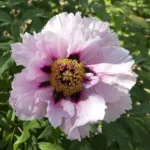
The plant forms erect stems clothed in deeply divided, usually green leaves. Its compact, bushy habit and early flowering help distinguish it from taller later-blooming peonies. The single species form has cup-shaped flowers with prominent yellow stamens; cultivated selections may show pink, white or fuller flowers. Foliage is deciduous and disappears after autumn frost.
Flowering
Flowers open in late spring, typically during May in much of the United States. The species commonly bears single crimson-red cups with a conspicuous ring of yellow stamens. Some cultivated forms associated with the species may have pink, white or double flowers. Remove spent blooms if seed production is not desired.
Pollination and visitors
The showy, mildly fragrant flowers are documented as attracting butterflies. The exposed stamens provide accessible pollen, and other opportunistic insects may visit, but reliable species-level visitor evidence for this exact taxon is limited. Do not interpret general peony visitation records as proof of a particular insect species.
Paeonia officinalis photos
Click any photo for a larger view. Source, author and license are shown separately.
Diseases and pests
Diseases
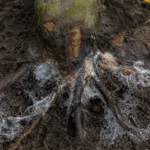
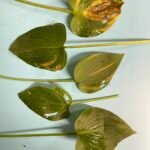
Botrytis blight and Phytophthora problems may occur, especially in wet or poorly ventilated conditions. Prevent disease with well-drained soil, adequate spacing, careful watering at the base and prompt removal of damaged foliage. Remove all cut stems and debris in autumn; avoid overhead irrigation when foliage remains wet for long periods.
Pests
Peonies are generally relatively pest resistant. Ants on unopened buds are common and usually harmless rather than a pest requiring treatment. Monitor for distorted or spotted growth, improve airflow and remove affected material. Use targeted controls only when a confirmed pest reaches damaging levels.
Related diseases and pests
Only Plant Doctor profiles whose host data indicate this plant may be affected are shown here.

Toxicity and pollen
Paeonia officinalis contains paeonol, and veterinary poison-control sources identify peony ingestion as toxic to dogs and cats. Larger ingestions may cause vomiting, diarrhea or depression. Human exposure data are less specific, so avoid eating any part of the plant, keep plant material away from children and pets, and seek medical or veterinary advice after suspected ingestion.
- Typical season
- Typically May in U.S. gardens
- Pollination / pollen
- Pollen is exposed on the central stamens and is mainly presented to flower visitors.
The flowers produce pollen on exposed stamens, but reliable evidence quantifying airborne pollen levels or the importance of this species in human seasonal allergy is limited. Because the flowers are insect-pollinated, much pollen is presented to visitors rather than released in large wind-borne clouds; this does not establish zero allergy risk. Sensitive people should avoid handling flowers if symptoms occur.
Native habitat
The species is associated with southern European mountainous and upland habitats, where it grows as a perennial in well-drained soils. Garden performance is best in fertile ground that remains moderately moist during growth but does not stay saturated in winter. Its natural distribution and horticultural behavior are distinct from those of many East Asian garden-peony cultivars.
Interesting fact
The specific epithet officinalis refers historically to plants associated with medicinal shops. The species is among the earlier-flowering peonies used in gardens. Its underground root system allows the leafy shoots to die back seasonally while the plant persists for many years. The species has been cultivated in several flower colors and forms.
Frequently asked questions (FAQ)
The most relevant questions about this plant, with short and direct answers.
🌱Quick care
How do you care for a Garden Peony (Paeonia officinalis)?⌄
Grow Garden Peony in fertile, well-drained soil with full sun to partial shade and moderate moisture. Water regularly while it establishes, then water during prolonged dry spells.
🌤️Environment and placement
How much sun does Paeonia officinalis need?⌄
Paeonia officinalis grows best in full sun, although it tolerates partial shade. Too much shade can reduce flowering and make stems weaker.
What USDA hardiness zones are suitable for Garden Peony?⌄
Garden Peony is listed here as hardy in USDA Zones 8–10. In warmer parts of the United States, provide good drainage and protect the plant from intense afternoon heat if foliage becomes stressed.
Can Garden Peony grow in partial shade?⌄
Yes, Garden Peony can grow in partial shade, but it usually flowers best with several hours of direct sun. Morning sun with some afternoon protection can be useful in hot climates.
💧Care and problems
How often should you water Paeonia officinalis?⌄
Water Paeonia officinalis moderately, allowing the soil surface to dry slightly between waterings. Newly planted specimens need more regular irrigation, while established plants mainly need water during extended dry weather.
Does Paeonia officinalis need fertilizer?⌄
Paeonia officinalis benefits from a light spring application of a balanced, general-purpose fertilizer if the soil is poor. Avoid excessive nitrogen, which can produce foliage at the expense of flowers.
Should you mulch around Garden Peony?⌄
Yes, apply a thin layer of organic mulch to conserve moisture and suppress weeds. Keep mulch away from the crown because covering the growth buds can reduce flowering and encourage rot.
Does Garden Peony need staking?⌄
Some Garden Peony plants need support when large or double flowers make the stems bend. Install a peony ring or discreet stakes early in the season, before the stems become crowded with foliage.
When should you cut back Paeonia officinalis?⌄
Cut back the dead foliage to ground level in fall after it has yellowed or been damaged by frost. Remove and discard the foliage rather than leaving diseased plant material around the crown.
Why are ants on my Garden Peony buds?⌄
Ants on Garden Peony buds are attracted to sugary nectar and generally do not harm the plant. They do not need to be removed unless they are causing a separate nuisance.
What diseases affect Paeonia officinalis?⌄
Paeonia officinalis can develop fungal problems such as gray mold, peony wilt, or leaf blotch, especially in damp, poorly ventilated conditions. Remove affected foliage, improve air circulation, and avoid overhead watering.
Can Garden Peony tolerate drought?⌄
Established Garden Peony has some drought tolerance because its roots are deep, but prolonged dryness can reduce bud development and flowering. Water deeply during extended drought, especially in spring and while plants are establishing.
🪴Planting and repotting
What type of soil does Paeonia officinalis prefer?⌄
Paeonia officinalis prefers fertile, well-drained soil that retains some moisture without becoming waterlogged. Improve poor soil with compost, but avoid planting in areas that stay saturated.
How deep should you plant Garden Peony roots?⌄
Plant Garden Peony roots with the dormant growth buds only about 1 inch below the soil surface. Deeper planting is a frequent cause of poor or absent flowering.
When is the best time to plant Paeonia officinalis?⌄
Plant bare-root Paeonia officinalis in fall, or plant container-grown specimens when conditions are mild and the soil is workable. Fall planting generally gives the roots more time to establish before active spring growth.
How far apart should Garden Peony plants be spaced?⌄
Space Garden Peony plants about 3 feet apart, allowing additional room if the cultivar grows especially wide. Good spacing improves air circulation and prevents competition from nearby plants.
Can Garden Peony be grown in a container?⌄
Garden Peony can be grown in a large, deep container, but it usually performs better in the ground. Use a pot with drainage holes, fertile well-drained mix, and enough room for the mature root system.
✂️Propagation and pruning
How do you propagate Paeonia officinalis?⌄
The most reliable method is division in fall, using crown sections with roots and several dormant buds. Seed propagation is possible for the species, but seedlings may take several years to flower and may not match the parent exactly.
Can you grow Garden Peony from cuttings?⌄
Garden Peony is not normally propagated from ordinary stem cuttings. Division of mature crowns is the practical method for producing plants that are true to the parent.
How often should you divide Paeonia officinalis?⌄
You usually do not need to divide Paeonia officinalis on a routine schedule because established plants can remain productive for many years. Divide only when the clump becomes overcrowded, declines in flowering, or must be moved.
⚠️Toxicity and safety
Is Garden Peony toxic to dogs and cats?⌄
Yes, Garden Peony is toxic if ingested, and the ASPCA lists peony as toxic to dogs, cats, and horses. Ingestion may cause signs such as vomiting, diarrhea, or depression, so contact a veterinarian or animal poison-control service promptly.
Is Paeonia officinalis safe for people to eat?⌄
No, Paeonia officinalis should not be eaten because the plant is considered toxic if ingested. Keep roots, leaves, flowers, and plant debris away from children and avoid using it as food or medicine without qualified professional guidance.
🌸Flowering and special interest
Why is my Garden Peony not blooming?⌄
The most common causes are insufficient sunlight, planting the crown too deeply, drought stress, or a recently disturbed root system. Keep the growth buds close to the soil surface and give the plant time to establish after transplanting.
Should you deadhead Garden Peony flowers?⌄
Deadhead Garden Peony after flowering to improve its appearance and prevent energy from going into unwanted seed production. Leave the healthy foliage in place until it naturally declines in fall.
When does Garden Peony flower?⌄
Garden Peony typically flowers in late spring to early summer, with timing varying by climate and cultivar. The blooms may be single, semi-double, or double and are often fragrant.
How long does a Garden Peony live?⌄
A well-sited Garden Peony can live and flower for decades. It prefers to remain undisturbed, so choose the planting location carefully and transplant only when necessary.
Similar plants
 Paeonia anomala veitchii care guidePaeonia anomala veitchii
 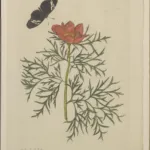 Fern-leaf Peony (Paeonia tenuifolia) care guidePaeonia tenuifolia
 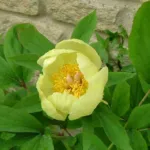 Paeonia mlokosewitschii care guidePaeonia mlokosewitschii
 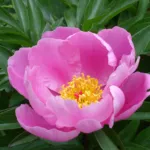 Common Garden Peony (Paeonia lactiflora) care guidePaeonia lactiflora
 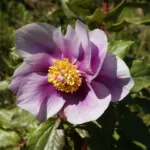 Wild Peony (Paeonia mascula) care guidePaeonia mascula
  Tree peony (Paeonia suffruticosa) care guidePaeonia suffruticosa