
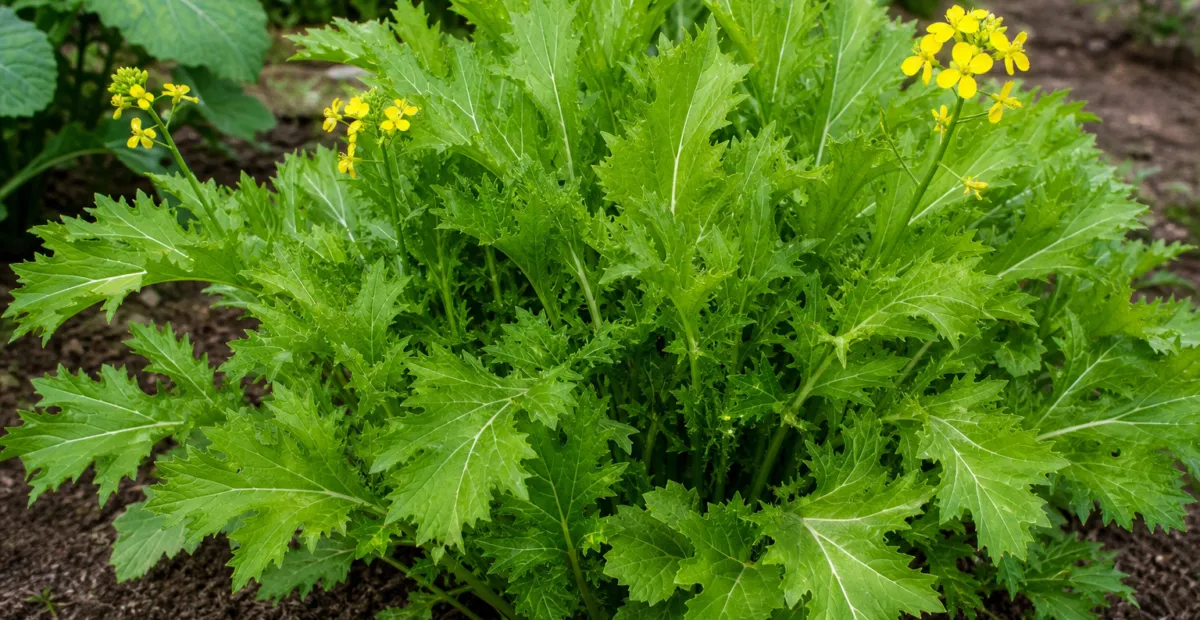
 AI-generated illustration
Multiceps Group (Brassica juncea Multiceps Group) short overview
Brassica juncea Multiceps Group is a cool-season mustard green grown for its edible, deeply divided leaves and vigorous regrowth after harvesting. It prefers full sun, fertile soil that stays evenly moist but drains well, and spring or fall conditions rather than summer heat. The exact Group is uncommon in US horticultural sources; related descriptions associate it with multishoot mustard forms and Chinese culinary traditions.
Taxonomic classification
Multiceps Group (Brassica juncea Multiceps Group) care guide
Light and placement
Grow in full sun for compact, productive foliage, ideally with at least 6 hours of direct light. In hot climates or during late spring, provide afternoon shade to delay bolting and reduce harsh flavor. Pale, stretched growth suggests insufficient light; scorched edges, wilting and rapid bolting suggest excessive heat or water stress.
Watering and humidity
Water deeply enough to moisten the root zone whenever the surface begins to dry, aiming for consistent moisture rather than alternating drought and saturation. Morning irrigation helps foliage dry before night. Increase frequency in containers and warm weather; reduce only when cool conditions slow growth, while never allowing seedlings to dry out.
Soil and growing medium
Use fertile loam or amended garden soil with good drainage and steady moisture. A slightly acidic to slightly alkaline reaction is acceptable; about pH 5.5–7.5 is suitable for mustard crops. Avoid compacted beds and soils that remain waterlogged, especially during cool, wet weather.
Feeding
Before planting, incorporate finished compost or a balanced vegetable fertilizer according to the product label. Side-dress lightly after repeated leaf harvests if growth becomes pale or slow. Avoid heavy nitrogen applications late in the crop, which can produce lush, tender foliage and increase disease or pest pressure. Do not fertilize drought-stressed plants.
Growth and habit
This is a fast-growing, cool-season leafy brassica that forms a harvestable rosette before sending up flowering stems. Regularly removing outer leaves can extend the harvest, while heat, drought and long days encourage bolting and stronger flavor. The exact Group may vary in shoot number and leaf division, so habit can differ among seed sources.
Planting and repotting
Sow directly in spring or late summer for fall production, timing the crop around local frost dates. Cover seed about 1/4 inch deep and thin crowded seedlings promptly. Keep the seedbed evenly moist until emergence, then harvest outer leaves or whole plants according to the desired growth stage.
Usually grown as a short-season vegetable rather than a long-term container specimen. If started in cells, transplant when seedlings have several true leaves, disturbing the roots as little as possible. A container at least 8 inches deep with drainage holes is adequate for a small harvest.
Propagation and pruning
Propagation
Propagate by seed. Direct sowing is simplest, although seedlings may be started in modules and transplanted while young. For a continuous supply of greens, make successive sowings every 2–3 weeks during suitable cool weather. Prevent unwanted spread by harvesting before mature seed dispersal.
Pruning
No ornamental pruning is required. Harvest outer leaves frequently or cut the plant above the crown for a cut-and-come-again crop. Remove flowering stems if the goal is leaf production; pull spent plants after harvest and before seed capsules mature to limit volunteer seedlings.
Overwintering
In mild US climates, fall-sown plants may continue producing through light freezes, especially under row cover. In colder regions, treat the crop as an annual and protect young plants with frost cloth. There is no reliable evidence that this exact Group is a dependable perennial or winter-hardy crop.
Uses
Primarily grown as an edible leafy vegetable for baby greens, cooked greens, stir-fries, pickling and other mustard preparations. Related multishoot forms are also valued in Chinese culinary traditions. It can be grown in containers and may serve as a cool-season cover crop, but avoid consuming plants grown in contaminated soils and prevent seed escape where local regulations identify mustard as problematic.
Appearance
Plants form a low, leafy rosette followed by upright flowering stems. Related Multiceps material is recognized for divided or deeply cut green leaves and a tendency to produce multiple shoots. Pale veins, serrated margins and a spicy mustard aroma help distinguish it from many milder leafy brassicas, although appearance varies with strain and harvest age.
Flowering
If plants are left unharvested, they elongate and produce branched racemes of small, four-petaled yellow flowers. Flowering is promoted by increasing day length and warming temperatures, after which plants set narrow siliques containing numerous seeds. Heat and drought can accelerate bolting and intensify leaf pungency.
Pollination and visitors
When allowed to flower, mustard inflorescences provide nectar and pollen for generalist visitors including bees and hoverflies. The exact Multiceps Group lacks a well-documented, species-specific pollinator record, so no single primary insect species is assigned.
Diseases and pests
Diseases
Monitor for downy mildew, white blister, Alternaria leaf spot, blackleg, black rot, clubroot and bacterial leaf blight. Reduce risk with clean seed, crop rotation, good air movement, morning irrigation and removal of badly infected debris. Do not compost diseased brassica material where the pathogen may persist.
Pests
Common pests include flea beetles, aphids, cabbage worms and loopers, harlequin bugs, slugs and snails. Use insect netting over young plants, remove pests by hand, keep weeds and crop debris controlled, and inspect leaf undersides regularly. Apply only food-crop-labeled treatments when monitoring shows they are needed.
Related diseases and pests
Only Plant Doctor profiles whose host data indicate this plant may be affected are shown here.
 DiseaseClubrootPlasmodiophora brassicae Woronin
 PestCabbage Stem Flea BeetlePsylliodes chrysocephala
 DiseaseAlternaria leaf spot of brassicasAlternaria brassicae (Berk.) Sacc.
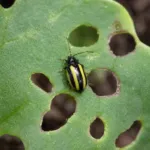 PestTurnip flea beetlePhyllotreta nemorum (Linnaeus, 1758)
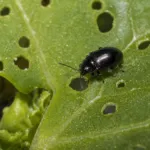 PestTurnip Flea BeetlePhyllotreta atra (Fabricius, 1775)
 DiseaseBacterial soft rotPectobacterium carotovorum
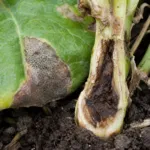 DiseaseBlackleg of Canola and BrassicasLeptosphaeria maculans
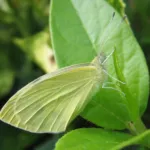 PestImported cabbagewormPieris rapae
Toxicity and pollen
The crop is traditionally eaten as a vegetable, but mustard tissues and seeds contain pungent glucosinolate-derived compounds that can irritate the mouth or digestive tract in excessive amounts. Do not feed large quantities of raw plant material or seed products to animals. Evidence for serious toxicity in dogs, cats and children from ordinary garden contact is limited, but ingestion should be treated cautiously.
- Typical season
- Usually during spring or fall flowering in the United States
- Pollination / pollen
- Insect-borne pollen; some airborne release during flowering
Brassica pollen can act as an allergen for some sensitized people, although exposure varies with flowering density, local cultivation and weather. Keep flowering plants away from frequently used entrances if pollen sensitivity is a concern, and avoid handling large flowering stands during peak release. This is an allergy consideration, not a toxicity classification.
Native habitat
Brassica juncea is a cultivated Eurasian mustard associated with disturbed ground, open fields and vegetable production. It performs best in cool to mild conditions, fertile soils and consistent moisture. In the United States it may escape cultivation in some regions, particularly where winters are mild and seed is allowed to mature.
Interesting fact
The name Multiceps refers to a multishoot or multiheaded mustard form in older classification systems. Related material was formerly associated with Brassica juncea subsp. tsatsai and var. multiceps. Mustard leaves become more pungent as plants mature or experience heat and moisture stress. Brassica juncea can accumulate heavy metals, so it should not be grown for food in contaminated soil.
Frequently asked questions (FAQ)
The most relevant questions about this plant, with short and direct answers.
🌱Quick care
What is Brassica juncea Multiceps Group?⌄
Brassica juncea Multiceps Group is a cool-season leafy mustard group grown for its edible, spicy leaves and multiple shoots. It is related to Chinese, brown, Indian, and other mustard greens, but the Multiceps Group is a distinct horticultural group.
What does Brassica juncea Multiceps Group taste like?⌄
Young leaves usually taste mildly spicy, while mature leaves become hotter and more pungent. Cooking generally softens the mustard flavor.
How long does Brassica juncea Multiceps Group take to mature?⌄
Baby leaves can usually be harvested within several weeks, while full-sized plants take longer depending on temperature and growing conditions. Cool weather generally improves leaf quality but may slow growth slightly.
🌤️Environment and placement
How much sun does Brassica juncea Multiceps Group need?⌄
Grow it in full sun to partial shade, with about 6 or more hours of direct sun preferred for strong growth. In hot regions, afternoon shade can help reduce bolting and leaf bitterness.
Is Brassica juncea Multiceps Group cold hardy?⌄
It tolerates light frost and generally performs best during cool spring and fall weather. Hard freezes can damage or kill plants, especially young seedlings.
Can Brassica juncea Multiceps Group grow in partial shade?⌄
Yes, it can grow in partial shade, although plants may be smaller and slower-growing than those in full sun. Afternoon shade is particularly useful in hot climates.
Can Brassica juncea Multiceps Group survive summer?⌄
It may survive summer in mild climates, but hot conditions commonly reduce leaf quality and trigger flowering. In warm regions, grow it mainly during fall, winter, or early spring.
💧Care and problems
How often should I water Brassica juncea Multiceps Group?⌄
Water whenever the soil surface begins to dry so the root zone stays evenly moist. Avoid repeated drought because it can intensify pungency and encourage premature bolting.
How do I harvest Brassica juncea Multiceps Group?⌄
Harvest outer leaves or cut the plant several inches above the soil to encourage regrowth. Pick young leaves for a milder flavor and harvest before flowering for the best tenderness.
Can Brassica juncea Multiceps Group be grown as a cut-and-come-again crop?⌄
Yes, it can be harvested repeatedly by removing outer leaves or cutting above the growing point. Consistent moisture and moderate temperatures support continued regrowth.
Why is my Brassica juncea Multiceps Group bolting?⌄
Bolting is usually caused by rising temperatures, lengthening days, plant stress, or aging. Harvest promptly, maintain even moisture, and make succession plantings to extend the harvest.
What pests commonly attack Brassica juncea Multiceps Group?⌄
Flea beetles, aphids, caterpillars, and other brassica pests may damage the leaves. Floating row cover, hand removal, and regular inspection are useful first-line controls for edible crops.
What diseases affect Brassica juncea Multiceps Group?⌄
Common brassica problems can include downy mildew, damping-off, and leaf-spot diseases, especially when foliage stays wet or airflow is poor. Water at the soil level, provide spacing, and rotate brassica crops.
Does Brassica juncea Multiceps Group need fertilizer?⌄
It benefits from fertile soil and may need a balanced vegetable fertilizer if growth is pale or slow. Avoid excessive nitrogen late in the season because it can produce soft growth and does not prevent bolting.
🪴Planting and repotting
What soil is best for Brassica juncea Multiceps Group?⌄
Use fertile, well-drained loam that retains moisture without becoming waterlogged. Incorporating compost before planting can improve fertility and moisture consistency.
When should I grow Brassica juncea Multiceps Group in the United States?⌄
Grow it as a spring or fall crop, timing sowing so most growth occurs in cool weather. In mild-winter areas, it may also be grown through winter, while hot-summer areas should favor fall production.
How do I plant Brassica juncea Multiceps Group from seed?⌄
Sow the seeds directly in prepared soil and cover them lightly, then thin seedlings as they develop. Keep the seedbed evenly moist until germination and establish plants in fertile soil.
How far apart should I space Brassica juncea Multiceps Group plants?⌄
Space plants about 4 to 6 inches apart for baby-leaf harvest and closer to 8 to 12 inches apart for larger plants. Wider spacing improves airflow and gives multiple shoots more room to develop.
Can Brassica juncea Multiceps Group be grown in containers?⌄
Yes, it grows well in a container that is at least 8 to 12 inches deep and has drainage holes. Use fertile potting mix and monitor containers closely because they dry out faster than garden soil.
Can I transplant Brassica juncea Multiceps Group seedlings?⌄
Yes, young seedlings can be transplanted carefully, although direct sowing usually causes less root disturbance. Transplant while plants are small and water them immediately afterward.
What should I plant after Brassica juncea Multiceps Group?⌄
Rotate it with crops outside the Brassicaceae family, such as beans, corn, lettuce, or onions. A rotation of several years helps reduce the buildup of brassica-specific diseases and pests.
✂️Propagation and pruning
How is Brassica juncea Multiceps Group propagated?⌄
It is normally propagated from seed. Allowing a healthy plant to flower and produce mature pods can provide seed for future crops, provided the plant has not cross-pollinated with unwanted brassicas.
Should I prune Brassica juncea Multiceps Group?⌄
Routine pruning is unnecessary because harvesting the leaves provides the main maintenance. Remove damaged or diseased foliage promptly and cut off flowering stems if you want to prolong leaf production.
Can I save seeds from Brassica juncea Multiceps Group?⌄
Yes, allow the flower stalks and seed pods to dry on the plant, then collect and dry the seeds further before storage. Keep seed-saving plants isolated from compatible flowering brassicas if maintaining group characteristics matters.
⚠️Toxicity and safety
Is Brassica juncea Multiceps Group edible?⌄
Yes, its young leaves and tender shoots are edible and commonly cooked as mustard greens. Wash produce thoroughly, and do not eat plants exposed to pesticides, contaminated soil, or uncertain identification.
Is Brassica juncea Multiceps Group invasive in the United States?⌄
The broader Brassica juncea species can naturalize or be listed as invasive or noxious in some U.S. regions, but locality-specific status for this exact group may be unclear. Prevent seed dispersal and check your state or county regulations before allowing plants to mature seed.
Is Brassica juncea Multiceps Group toxic to people or pets?⌄
It has a low toxicity concern because it is cultivated as an edible vegetable, but large amounts of raw mustard greens may be unsuitable for some people or animals. Use only correctly identified, clean plant material and seek medical advice after an adverse reaction.
Can Brassica juncea Multiceps Group be eaten raw?⌄
Yes, young leaves may be eaten raw, although their spicy flavor can be strong. Older leaves are often more palatable when cooked, blanched, or added to soups and stir-fries.
🌸Flowering and special interest
Does Brassica juncea Multiceps Group flower?⌄
Yes, it produces small yellow brassica flowers when it bolts. Flowering signals that leaf flavor may become stronger, although the flowers can be edible when harvested from correctly identified, pesticide-free plants.
Similar plants
 Azure Monkshood (Aconitum carmichaelii) care guideAconitum carmichaelii
 Monkshood (Aconitum ‘Stainless Steel’)Aconitum 'Stainless Steel'
 Monkshood (Aconitum ‘Bressingham Spire’)Aconitum 'Bressingham Spire'
 Golden full moon maple (Acer shirasawanum ‘Aureum’)Acer shirasawanum 'Aureum'
 Globosum (Acer platanoides ‘Globosum’)Acer platanoides 'Globosum'
 Striped maple (Acer pensylvanicum) care guideAcer pensylvanicum