
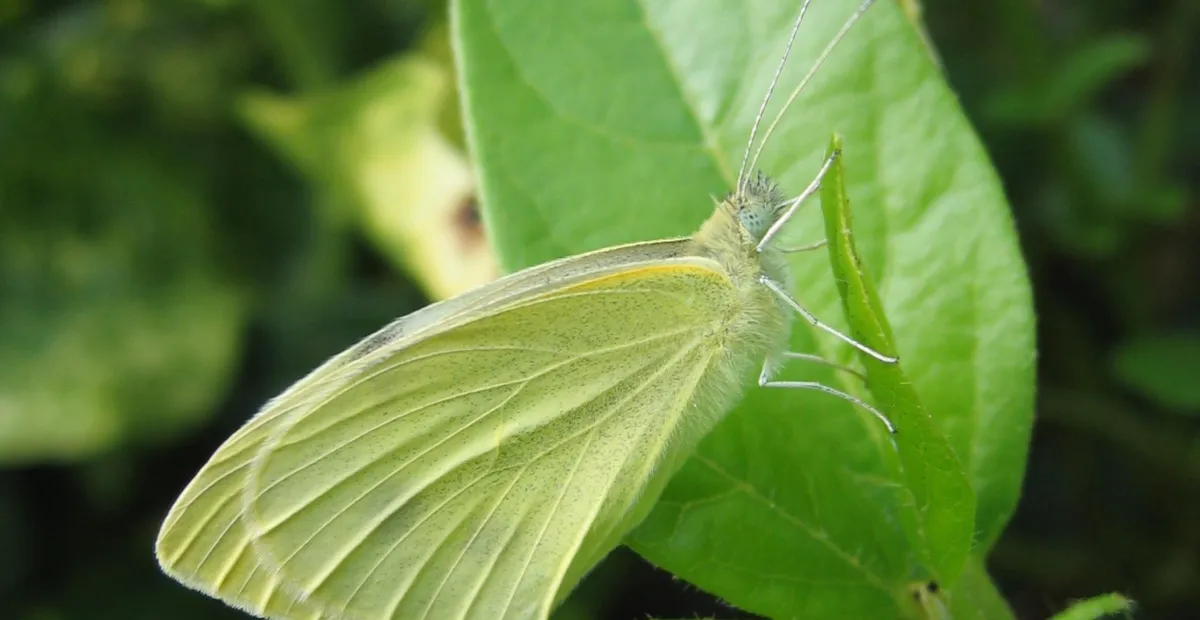
Imported cabbageworm
Pieris rapaeImported cabbageworm overview
Imported cabbageworm is the green caterpillar of the cabbage white butterfly, Pieris rapae, and one of the most common chewing pests of cole crops in U.S. gardens. Larvae produce irregular holes, defoliate young plants, and may crawl into cabbage, broccoli, cauliflower, and Brussels sprout heads, leaving greenish-brown frass. Early scouting and exclusion are often highly effective.
Typical conditions
Overview
Pieris rapae is an introduced butterfly species whose larvae are commonly called imported cabbageworms. Adults are white to pale yellow butterflies with dark markings on the forewings. Females generally deposit eggs singly on cole-crop leaves, and the resulting caterpillars feed for several weeks.
The pest is often confused with cabbage looper or diamondback moth larvae. Imported cabbageworms are typically velvety green, sluggish when disturbed, and do not form a looping gait or the distinctive split appearance of diamondback moth larvae.
Symptoms and identification
- Small feeding holes enlarge into irregular ragged holes, often with major veins left intact.
- Young seedlings and transplants may be severely defoliated, stunted, or killed.
- Older larvae often feed along midribs, between leaf veins, around wrapper leaves, or inside cabbage and broccoli heads.
- Greenish-brown frass may accumulate on foliage, in cabbage heads, or around cauliflower curds.
- Severe feeding can reduce head or curd formation and contaminate harvested produce.
Causes and spread
Damage is caused by the chewing larvae of the cabbage white butterfly. Adult butterflies commonly enter gardens and fields from nearby cole crops, cruciferous weeds, and volunteer plants. Females lay eggs individually, so infestations may begin as scattered larvae rather than obvious egg masses. Mustard weeds, shepherd’s-purse, peppergrass, crop residue, and unmanaged volunteer brassicas can maintain local populations and support movement into planted crops.
Life cycle and persistence
Eggs are usually pale yellow, oblong, and laid singly on leaf surfaces, especially the undersides. After hatching, larvae pass through several stages while feeding for approximately 2–3 weeks under favorable conditions. Mature larvae attach themselves to the host plant or nearby protected material with silk strands and form green pupae rather than a dense cocoon. Adults emerge, mate, and repeat the cycle. Several overlapping generations may occur during the growing season; in colder regions, the pest commonly survives winter as a pupa, while activity and generation number vary with climate.
Treatment and control
Scout before treating. On small gardens, handpick larvae and eggs and place them in soapy water. For commercial or larger plantings, sample a representative number of plants and base intervention on crop stage, larval size, crop value, and the presence of other caterpillars. Young plants and crops beginning to form heads require more protection than established vegetative plants, which can tolerate some leaf loss.
When treatment is justified, target small larvae before they enter heads or curds. Use selective products where possible and obtain thorough coverage of feeding surfaces. Always verify that the product is legally labeled for the specific crop and pest in the United States, observe the current label, preharvest interval, reentry requirements, and protective-equipment directions, and do not treat solely because adult butterflies are present.
Low-impact and biological control
- Exclusion: Floating row covers are among the most reliable nonchemical methods for preventing egg laying.
- Hand removal: Inspect undersides of leaves and plant centers; remove eggs and caterpillars regularly.
- Microbial control: Products containing Bacillus thuringiensis var. kurstaki are most effective when larvae are small and must be eaten to work.
- Biological control: Conserve paper wasps, predatory insects, tachinid flies, and parasitoid wasps, including species reported to attack imported cabbageworm.
- Selective insecticides: Where permitted by the organic certification system and product label, organically acceptable spinosad products may be used cautiously because they can harm beneficial insects, especially when wet.
Prevention
- Inspect cole crops at least weekly from emergence or transplanting, checking both leaf surfaces and the plant center.
- Install lightweight floating row cover immediately after seeding or transplanting and secure the edges; remove it when pollination is required or when the crop is harvested.
- Remove cruciferous weeds such as wild mustard, shepherd’s-purse, and peppergrass near the garden.
- Remove or destroy crop residue promptly after harvest rather than leaving protected pupation sites.
- Use succession planting and avoid unnecessary broad-spectrum insecticides that eliminate parasitoids and predators.
- Maintain flowering plants that provide nectar and shelter for beneficial wasps, flies, and other natural enemies.
Interesting facts
- The adult is also known as the cabbage white butterfly and is widely established across North America.
- Imported cabbageworms are often difficult to see because their green, finely haired bodies blend with foliage.
- Females generally lay eggs singly rather than in large masses, which makes close leaf inspection important.
- Several parasitoids and predators can suppress populations, including parasitoid wasps, tachinid flies, paper wasps, and other beneficial insects.
- The species may remain active much of the year where suitable host plants are continuously available.
Use only pesticides legally authorized and currently labeled for Pieris rapae or caterpillar control on the specific crop in the United States. Follow the current product label exactly, including crop listing, rate, application timing, preharvest interval, reentry interval, pollinator precautions, and protective-equipment requirements. Prefer selective, threshold-based treatment and avoid routine broad-spectrum applications that disrupt natural enemies.
Affected plants
The plants below are linked to this problem by structured host-plant data. The list updates automatically as new plant profiles are added.
 Ethiopian Rape (Brassica carinata) care guideBrassica carinata
 Brown Mustard (Brassica juncea) care guideBrassica juncea
 Rapeseed (Brassica napus) care guideBrassica napus
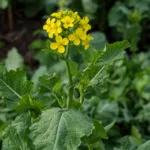 Urnip rape (Brassica rapa) care guideBrassica rapa
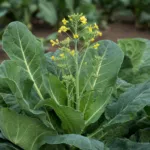 Collard greens (Brassica oleracea) care guideBrassica oleracea
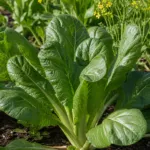 Integrifolia Group (Brassica juncea Integrifolia Group)Brassica juncea Integrifolia Group
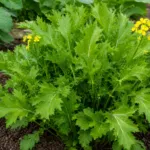 Multiceps Group (Brassica juncea Multiceps Group)Brassica juncea Multiceps Group
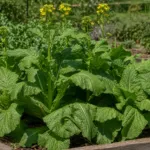 Broad-leaved mustard (Brassica juncea Rugosa Group)Brassica juncea Rugosa Group
 Black Mustard (Brassica nigra) care guideBrassica nigra
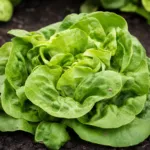 Capitata Group (Lactuca sativa Capitata Group)Lactuca sativa Capitata Group
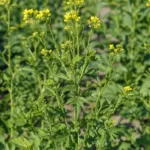 White Mustard (Sinapis alba) care guideSinapis alba
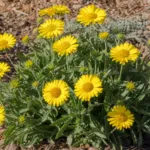 Mesa Yellow (Gaillardia aristata ‘Mesa Yellow’)Gaillardia aristata 'Mesa Yellow'