
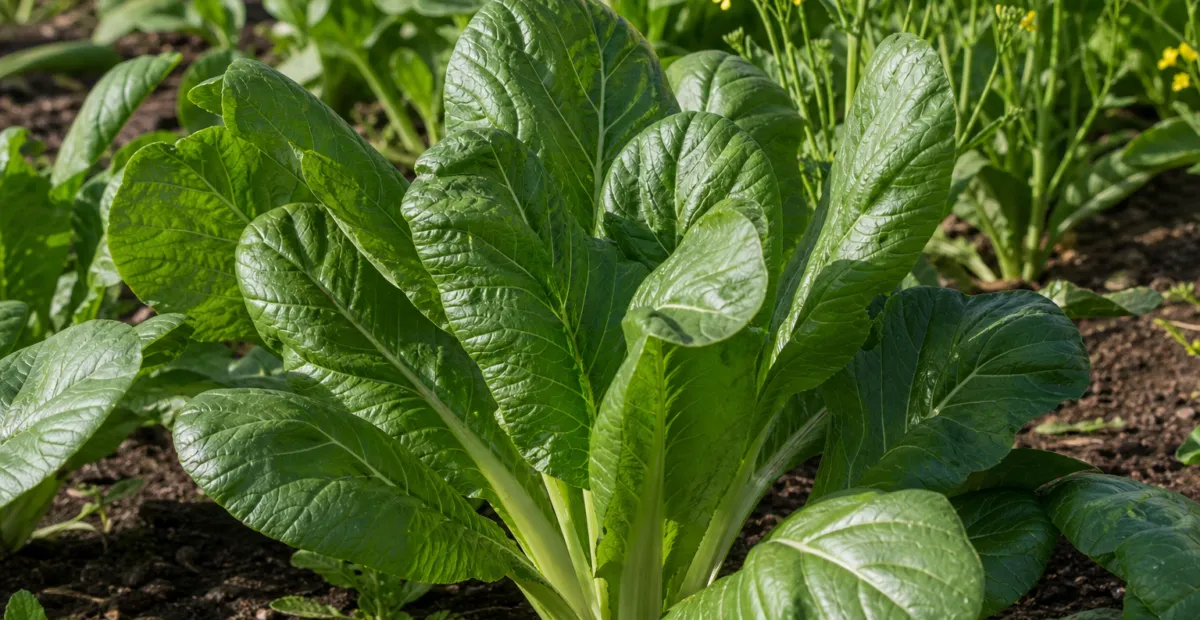
 AI-generated illustration
Integrifolia Group (Brassica juncea Integrifolia Group) short overview
Brassica juncea Integrifolia Group is a horticultural group of broad-leaved mustard greens grown as a cool-season leafy vegetable. Plants form upright rosettes of substantial green leaves, mature quickly from seed, and may produce small yellow, cross-shaped flowers if allowed to bolt. This group is useful for fall, winter, and early-spring gardens, containers, and repeated cut-and-come-again harvests.
Taxonomic classification
Integrifolia Group (Brassica juncea Integrifolia Group) care guide
Light and placement
Grow in full sun for compact plants and strongest growth, with partial afternoon shade in hot climates. A south- or east-facing bed is suitable; containers should receive several hours of direct light. Too little light produces lanky growth and slower leaf development, while intense heat and reflected afternoon exposure can accelerate bolting and scorch tender leaves.
Watering and humidity
Water deeply whenever the upper inch of soil begins to dry, keeping the root zone consistently moist during active leaf production. Containers may need water daily in hot weather, while established beds usually need less frequent but thorough irrigation. Water at the soil line when possible; drought stress can toughen leaves and encourage premature bolting.
Soil and growing medium
Use fertile, moisture-retentive soil that still drains freely. A loam enriched with finished compost is suitable for raised beds or containers. Keep the root zone evenly moist, but avoid saturated soil. Slightly acidic to neutral soil is generally suitable; strongly acidic ground can reduce brassica performance and increase nutrient problems.
Feeding
Mix finished compost into the bed before sowing. If growth is pale or slow, apply a balanced vegetable fertilizer at the label rate after thinning or transplant establishment. Avoid heavy late nitrogen applications, which can produce soft growth and excess leaf mass. Do not fertilize drought-stressed, waterlogged, or severely pest-damaged plants until conditions improve.
Growth and habit
Plants develop a fast, upright basal rosette and can shift rapidly into a flowering stem when temperatures rise or the plant experiences seasonal cues. Harvest outer leaves first for continued production, or cut the whole plant young for a more uniform crop. Bolting reduces tender-leaf quality but allows flowering and seed development.
Planting and repotting
Sow directly or transplant in cool weather. Plant seeds about 1/4 inch deep and thin promptly so plants have room to form broad leaves. Stagger sowings every few weeks for a continuous harvest. In hot-summer areas, schedule the main crop for fall, winter, or early spring to reduce bolting and harsh flavor.
Usually grown as a short-season crop rather than maintained long term in a container. Transplant seedlings while young, before the root system becomes crowded, using a deep container with drainage. Minimize root disturbance and water thoroughly after planting.
Propagation and pruning
Propagation
Propagate by seed. Direct-sow in prepared soil or start in cells for transplanting. Seed is the practical and standard method for maintaining a named mustard type; sow in cool conditions and protect young seedlings from flea beetles.
Pruning
No ornamental pruning is needed. Harvest outer leaves regularly or cut the plant at the base when it reaches the desired size. Remove bolting stems if the goal is to prolong leaf harvest; leave selected stems only when flowers or seed are wanted.
Overwintering
In mild climates, plants may continue producing leaves through winter with frost cloth or a low tunnel. In colder regions, protect young plants with row cover and expect variable survival; this Group is more dependable as a fall or early-spring crop than as a guaranteed overwintering perennial.
Uses
Primarily used as an edible leafy vegetable for salads, braising, stir-fries, soups, and mixed greens; flavor is often peppery and becomes stronger with maturity or heat. Young leaves can be harvested repeatedly. Flowering plants may be retained for seed or seasonal pollinator value, but this is not a substitute for a dedicated native pollinator plant.
Appearance
Forms a basal rosette of broad, entire to shallowly toothed leaves on noticeable petioles. Leaves may be smooth, puckered, glossy, green, red, or purple depending on the cultivar included in the Group. Mature plants produce upright, branching flowering stems with small yellow cruciform flowers and narrow seed pods.
Flowering
If not harvested, plants can elongate and bolt, producing branched racemes of small, four-petaled yellow flowers typical of Brassicaceae. Flowering is most common after exposure to cool conditions followed by warming weather. Flowering usually signals a shift from tender leaf production toward seed formation.
Pollination and visitors
Open mustard flowers provide nectar and pollen to generalist insects, including bees, hoverflies, and other small flower-visiting insects. The flowers are most useful to visitors when plants are allowed to bolt rather than harvested continuously as leafy greens.
Diseases and pests
Diseases
Use crop rotation and avoid working among wet plants. Watch for downy mildew, white blister, and clubroot, especially where brassicas are repeatedly grown or drainage is poor. Remove badly affected foliage, improve air movement, and avoid overhead irrigation late in the day. Do not compost diseased roots or heavily infected debris.
Pests
Flea beetles can riddle young leaves with small holes; caterpillars, aphids, slugs, snails, and cabbage root fly may also occur. Use insect netting over seedlings, inspect leaf undersides, hand-pick larger pests, and maintain weed-free beds. Harvesting promptly reduces the time available for pest buildup.
Related diseases and pests
Only Plant Doctor profiles whose host data indicate this plant may be affected are shown here.
 DiseaseClubrootPlasmodiophora brassicae Woronin
 PestCabbage Stem Flea BeetlePsylliodes chrysocephala
 PestTurnip flea beetlePhyllotreta nemorum (Linnaeus, 1758)
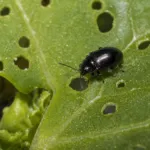 PestTurnip Flea BeetlePhyllotreta atra (Fabricius, 1775)
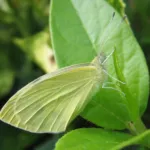 PestImported cabbagewormPieris rapae
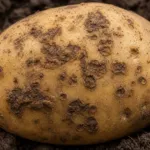 DiseasePotato common scabStreptomyces scabiei (synonym: Streptomyces scabies)
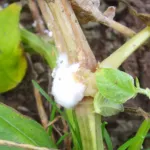 DiseaseWhite mold (Sclerotinia stem rot)Sclerotinia sclerotiorum
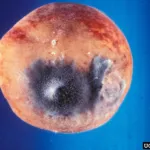 DiseaseRhizopus soft rotRhizopus stolonifer
Toxicity and pollen
The leaves and young shoots are commonly grown as food when correctly identified and prepared. As with other edible brassicas, raw plant tissues contain glucosinolates and may irritate some people in large amounts; normal culinary portions are generally used. Wash harvested leaves, and avoid eating unidentified plants or seed treatments. Handling can cause skin irritation in sensitive individuals.
- Typical season
- Spring during flowering; fall-flowering plants may release pollen later in the season
- Pollination / pollen
- Mostly insect-carried pollen from open yellow flowers
This is an insect-pollinated flowering brassica, so pollen is not typically dispersed in the same abundant windborne manner as grasses or many trees. Nevertheless, flowering plants can expose sensitive people to pollen through close contact, and mustard-family plants may cause skin irritation in susceptible handlers.
Native habitat
The broader Brassica juncea complex is associated with cultivated fields, disturbed ground, and seasonally cool agricultural environments. It performs best in fertile soils with reliable moisture and moderate temperatures. Integrifolia forms are chiefly maintained through cultivation rather than treated as a single uniform wild population.
Interesting fact
Integrifolia is associated with broad-leaved forms of Brassica juncea and has been treated at different taxonomic ranks. The group is part of the diverse mustard-green complex used in Asian and other regional cuisines. Plants can be harvested as baby leaves or allowed to mature for stronger-flavored greens. Bolting plants provide yellow flowers and then seed for future sowing.
Frequently asked questions (FAQ)
The most relevant questions about this plant, with short and direct answers.
🌱Quick care
What is Brassica juncea Integrifolia Group?⌄
Brassica juncea Integrifolia Group is a group of cultivated leafy mustards grown primarily for edible leaves and stems. It is an annual, cool-season Brassica related to other mustard greens, but individual cultivars can differ substantially in leaf shape, color, size, and heat tolerance.
How much sun does Brassica juncea Integrifolia Group need?⌄
Grow Brassica juncea Integrifolia Group in full sun for compact growth and strong flavor, or partial shade where summers are warm. Afternoon shade can help reduce bolting and leaf scorching.
How often should I water Brassica juncea Integrifolia Group?⌄
Keep the soil evenly moist, watering whenever the surface begins to dry. Consistent moisture supports tender leaves, while drought stress can make the foliage tougher, hotter-tasting, and more prone to bolting.
Is Brassica juncea Integrifolia Group frost tolerant?⌄
Yes, Brassica juncea Integrifolia Group is a frost-tolerant cool-season crop. Light frosts are generally tolerated, although hard freezes can damage leaves unless plants are protected.
🌤️Environment and placement
What soil is best for Brassica juncea Integrifolia Group?⌄
Use fertile loam amended with compost that drains well but retains moisture. A slightly acidic to neutral soil is generally suitable, provided it is not compacted or waterlogged.
Can Brassica juncea Integrifolia Group grow in partial shade?⌄
Yes, it can grow in partial shade, especially during warm weather. Plants usually grow more slowly and may produce somewhat smaller leaves than those grown in full sun.
When is the best season to grow Brassica juncea Integrifolia Group in the United States?⌄
Grow Brassica juncea Integrifolia Group in spring or fall when temperatures are cool. In mild-winter areas, it can also be grown through winter, while hot-summer regions usually favor fall and winter production.
What temperatures are best for Brassica juncea Integrifolia Group?⌄
Cool conditions are best, with daytime temperatures roughly in the 45–75°F range. Prolonged heat encourages bolting, stronger flavor, and reduced leaf quality.
💧Care and problems
Why is my Brassica juncea Integrifolia Group bolting?⌄
Bolting usually results from increasing temperatures, long days, drought stress, or plant age. Harvest leaves promptly, maintain even moisture, and sow a new crop when temperatures are becoming cooler.
Why are the leaves of Brassica juncea Integrifolia Group bitter or very spicy?⌄
Leaves become more bitter or pungent when plants experience heat, drought, crowding, or maturity. Harvest young leaves and keep the plants evenly watered to encourage milder flavor.
What pests commonly attack Brassica juncea Integrifolia Group?⌄
Common pests include flea beetles, aphids, caterpillars, and slugs. Row covers, hand removal, weed control, and checking the undersides of leaves can reduce damage without relying immediately on pesticides.
What diseases affect Brassica juncea Integrifolia Group?⌄
Potential problems include downy mildew, leaf spots, blackleg, and clubroot. Use crop rotation, clean seed and transplants, good airflow, well-drained soil, and foliage-level watering to reduce disease risk.
Can I harvest Brassica juncea Integrifolia Group more than once?⌄
Yes, you can harvest outer leaves repeatedly while leaving the central growing point intact. Harvesting young leaves or cut-and-come-again greens can extend production until heat or bolting ends the crop.
🪴Planting and repotting
How do I plant Brassica juncea Integrifolia Group from seed?⌄
Sow seeds directly about ¼ inch deep in fertile, moist soil and thin seedlings as they grow. Follow the spacing on the seed packet because Integrifolia Group cultivars range from compact leafy types to large, broad-leaved forms.
How far apart should I space Brassica juncea Integrifolia Group plants?⌄
Space plants according to their mature size and intended harvest, commonly about 6–12 inches apart for individual plants. Closer spacing suits baby-leaf harvests, while wider spacing produces larger leaves and better airflow.
When can I harvest Brassica juncea Integrifolia Group?⌄
Baby leaves can often be harvested a few weeks after germination, while full-sized leaves take longer. Begin harvesting when leaves reach the desired size, removing outer leaves first so the plant can continue growing.
Can Brassica juncea Integrifolia Group be grown in containers?⌄
Yes, it grows well in containers at least 8–12 inches deep with drainage holes and fertile potting mix. Containers dry out faster than garden beds, so check moisture frequently and provide protection from intense afternoon heat.
✂️Propagation and pruning
How is Brassica juncea Integrifolia Group propagated?⌄
It is normally propagated by seed. Sow fresh seed directly or start it in trays, then transplant carefully while seedlings are young because mature plants dislike root disturbance.
Can I save seeds from Brassica juncea Integrifolia Group?⌄
Yes, allow healthy plants to flower and let the seed pods mature and dry before collecting them. Because Brassica juncea can cross with related mustard types, isolate flowering plants if maintaining a particular cultivar or group characteristic matters.
⚠️Toxicity and safety
Is Brassica juncea Integrifolia Group toxic to people or pets?⌄
Brassica juncea Integrifolia Group is generally considered low concern when grown and prepared as food. Wash produce well, avoid eating spoiled or contaminated leaves, and introduce large amounts gradually because mustard greens can be pungent and may not suit everyone.
How should Brassica juncea Integrifolia Group be prepared for eating?⌄
Young leaves can be eaten raw, while mature leaves and stems are commonly steamed, sautéed, blanched, or added to soups and stir-fries. Cooking reduces toughness and pungency, but do not eat leaves treated with products not labeled for edible crops.
🌸Flowering and special interest
Does Brassica juncea Integrifolia Group produce flowers?⌄
Yes, it produces small yellow four-petaled flowers on elongated flowering stems, usually after bolting. Flowering signals that leaf quality is beginning to decline, although the flowers are also edible when young.
Can I eat Brassica juncea Integrifolia Group after it flowers?⌄
Yes, the flowers, tender stems, and immature seed pods can generally be eaten when young and properly prepared. Older flowering stems and leaves are usually tougher and more pungent.
Similar plants
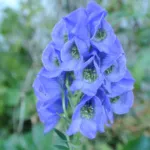 Azure Monkshood (Aconitum carmichaelii) care guideAconitum carmichaelii
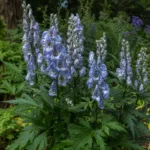 Monkshood (Aconitum ‘Stainless Steel’)Aconitum 'Stainless Steel'
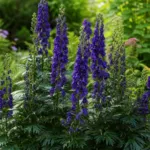 Monkshood (Aconitum ‘Bressingham Spire’)Aconitum 'Bressingham Spire'
 Golden full moon maple (Acer shirasawanum ‘Aureum’)Acer shirasawanum 'Aureum'
 Globosum (Acer platanoides ‘Globosum’)Acer platanoides 'Globosum'
 Striped maple (Acer pensylvanicum) care guideAcer pensylvanicum