
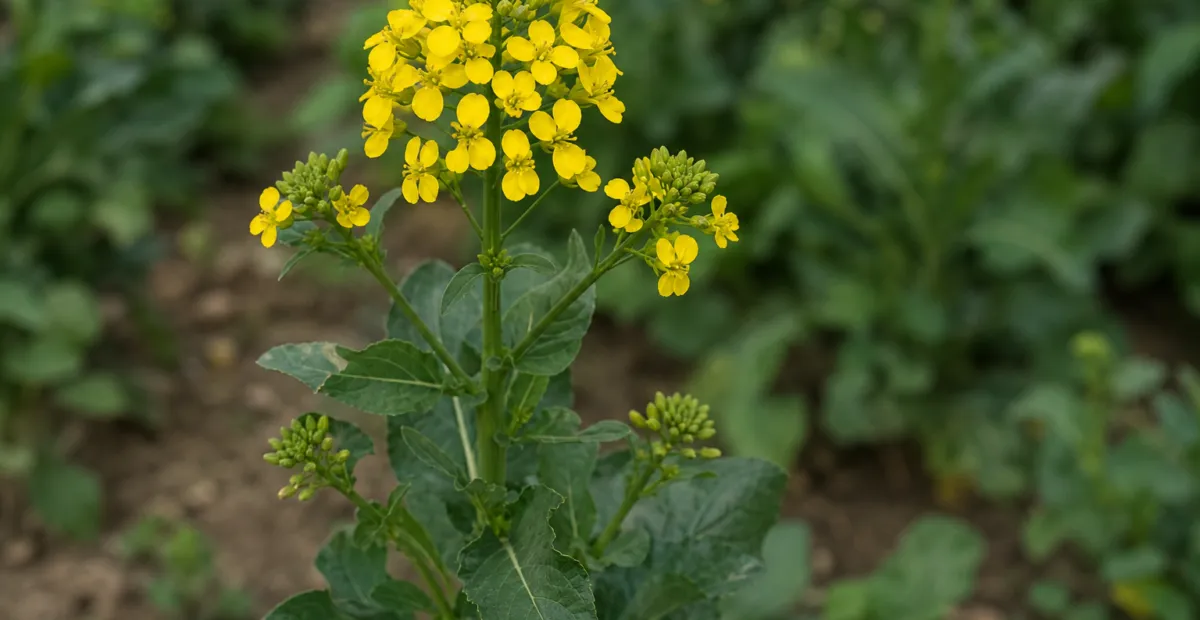
Clubroot
Plasmodiophora brassicae WoroninClubroot overview
Clubroot is a persistent, soilborne disease of cabbage-family plants caused by the obligate parasitic protist Plasmodiophora brassicae. Infected roots swell into irregular clubs or galls, restricting water and nutrient uptake. Aboveground plants may be stunted, yellow, wilted during mild drought, or unable to form a usable crop. Long-lived resting spores make prevention and sanitation especially important.
Typical conditions
Overview
Clubroot is caused by Plasmodiophora brassicae, a microscopic, obligate parasitic protist. It primarily affects cabbage-family vegetables and can be especially damaging to cabbage, broccoli, cauliflower, Brussels sprouts, kale, collards, turnips, rutabagas, radishes, mustard greens and related crops.
The defining symptom is enlargement and distortion of the roots into firm, pale, irregular clubs or rounded galls. Because damaged roots function poorly, infected plants often appear stunted, yellowish or wilted even when the soil is not severely dry. There is no dependable curative treatment once severe root galls have formed, so exclusion, sanitation, drainage, rotation and resistant varieties are central to management.
Symptoms and identification
Symptoms may remain hidden below ground for part of the growing season. Inspect roots when plants are stunted or wilt repeatedly during warm, dry weather.
- Roots develop swollen, irregular club-shaped galls or smaller bulbous swellings on lateral roots.
- Young plants may be severely stunted or die; older plants may fail to produce a marketable head or root.
- Leaves may become pale green or yellow and plants may wilt during only slight drought stress, often recovering at night or after watering.
- Galled roots may be firm and light-colored early in development, then break down, darken and become invaded by secondary microorganisms.
- Aboveground symptoms can resemble drought, nutrient stress or vascular disease, so root examination is important.
Causes and spread
The pathogen survives as thick-walled resting spores in infested soil and infected root tissue. Spores are moved primarily with soil rather than by seed. Common pathways include infected transplants, contaminated potting media or compost, soil attached to tools, boots, tillage equipment and vehicles, and runoff or erosion from infested areas.
Infection is favored when resting spores are activated by free soil water. Acidic soils, particularly those below about pH 6.5, generally increase infection risk, although soil pH alone does not determine whether disease will occur. Volunteer brassicas and susceptible cruciferous weeds can help maintain pathogen populations between crops.
Life cycle and persistence
Resting spores can persist in soil for many years; under favorable moisture and temperature conditions they germinate and release motile primary zoospores. These swim through water films in soil and infect root hairs. The pathogen multiplies in root-hair tissue and produces secondary zoospores, which infect the root cortex.
Secondary infection stimulates abnormal enlargement of root cells and formation of nutrient-rich galls. New resting spores develop inside the swollen roots. As infected roots decay, spores return to the soil, where they may remain viable for approximately 20 years or longer under some conditions. Disease development and resistance performance differ among pathogen populations, commonly called pathotypes.
Treatment and control
There is no reliable rescue treatment for plants with extensive clubroot galls. Remove severely affected plants with their roots and keep the attached soil within the infested area; do not transport them to another bed. Dispose of plant material according to local guidance, or compost it only in a properly managed system that reaches adequate temperatures and does not distribute contaminated residues.
For remaining plants, reduce stress with consistent irrigation and good drainage, but understand that watering cannot restore badly damaged roots. In future plantings, combine a long brassica-free rotation, resistant varieties, sanitation and weed control. If diagnosis is uncertain, submit roots and associated soil to a state university plant disease diagnostic clinic, because drought, root-knot nematodes and other root disorders can look similar above ground.
Low-impact and biological control
Organic and low-input management relies on exclusion and cultural practices rather than eradication. Use certified or reliably produced clean transplants and growing media, sanitize tools, prevent soil movement, remove volunteer crucifers, improve drainage and rotate away from susceptible crops.
Where appropriate, select cultivars bred for clubroot resistance and maintain soil pH in the crop’s recommended range based on a soil test. Liming can reduce clubroot severity in some soils, but it is not a stand-alone cure and excessive lime can create other nutrient problems. Properly heated compost and careful residue management may reduce the chance of spreading viable pathogen material; they should not be treated as guaranteed soil sterilization.
Prevention
Preventing introduction is more effective than trying to eliminate clubroot after it becomes established.
- Buy seed and transplants from reputable suppliers, and inspect transplant roots when practical. Do not plant lots with suspicious galls.
- Avoid planting brassicas in beds or fields with a known history of clubroot. Where the disease is confirmed, rotate out all susceptible brassicas for at least 5 to 7 years; rotation reduces but may not eliminate the pathogen.
- Use clubroot-resistant cultivars when appropriate for the crop and local pathogen population. Resistance is not absolute, and some pathotypes can overcome particular resistance sources.
- Improve drainage and avoid moving wet soil from infested to clean areas.
- Remove soil from shovels, hoes, boots and equipment before moving between beds, then clean and sanitize tools according to product directions.
- Use properly finished, adequately heated compost or reputable sterile growing media. Do not spread fresh galled roots or contaminated soil in compost or clean beds.
- Control volunteer brassicas and cruciferous weeds during rotation, while recognizing that weed-host status varies among pathogen populations.
Interesting facts
- Plasmodiophora brassicae is a protist, not a conventional fungus or bacterium.
- The name clubroot refers to the characteristic club-shaped enlargement of infected roots.
- Plants may be infected for some time before aboveground symptoms become obvious.
- Resting spores can survive in soil for roughly two decades or more, making sanitation and crop rotation long-term measures.
- Clubroot resistance is cultivar- and pathotype-dependent; a variety resistant in one region may show disease where a different pathogen population occurs.
- Radish and other Brassicaceae hosts can differ greatly in susceptibility, so host-range records should not be generalized to every cultivar or pathogen population.
Because clubroot is a long-lived soilborne disease, chemical options are limited and results are inconsistent. Use only products legally authorized for the specific crop and clubroot problem in the United States, and follow the current product label exactly. Do not apply pesticides, soil fumigants or sanitizers to edible crops or soil unless the label specifically permits that use. Integrated cultural practices and resistant varieties should remain the foundation of management.
Affected plants
The plants below are linked to this problem by structured host-plant data. The list updates automatically as new plant profiles are added.
 Ethiopian Rape (Brassica carinata) care guideBrassica carinata
 Brown Mustard (Brassica juncea) care guideBrassica juncea
 Rapeseed (Brassica napus) care guideBrassica napus
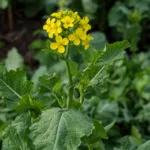 Urnip rape (Brassica rapa) care guideBrassica rapa
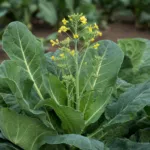 Collard greens (Brassica oleracea) care guideBrassica oleracea
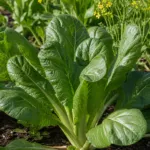 Integrifolia Group (Brassica juncea Integrifolia Group)Brassica juncea Integrifolia Group
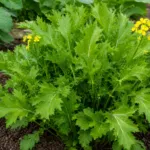 Multiceps Group (Brassica juncea Multiceps Group)Brassica juncea Multiceps Group
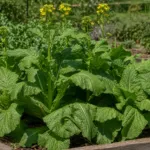 Broad-leaved mustard (Brassica juncea Rugosa Group)Brassica juncea Rugosa Group
 Black Mustard (Brassica nigra) care guideBrassica nigra
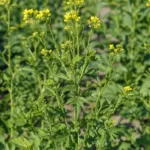 White Mustard (Sinapis alba) care guideSinapis alba