
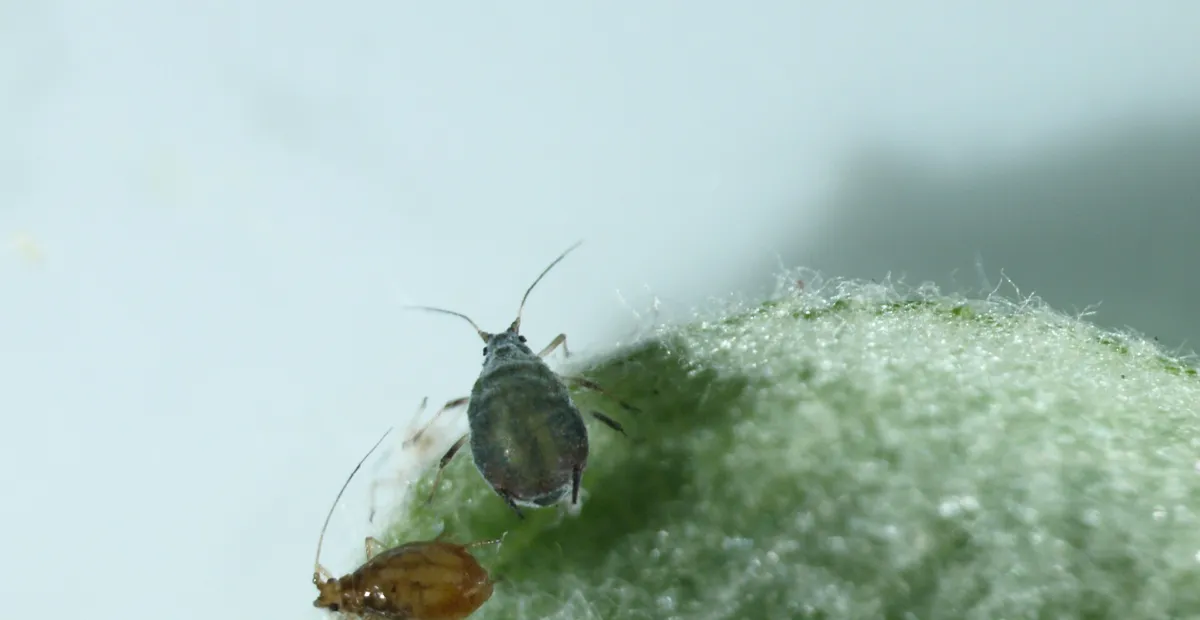
Rosy Apple Aphid
Dysaphis plantagineaRosy Apple Aphid overview
Rosy apple aphid, Dysaphis plantaginea, is a host-alternating aphid that attacks apple in spring, causing tightly curled leaves, distorted shoots, and misshapen fruit. Winged aphids later migrate to plantain before returning to apple in fall. Early-season monitoring, protection of beneficial insects, and management of plantain weeds can substantially reduce damage in U.S. orchards and home plantings.
Typical conditions
Overview
Rosy apple aphid is a small, usually purplish aphid covered with a waxy, powdery bloom. It is most damaging on apple during the early spring period, when colonies develop on tender growth and fruit spurs. Heavy infestations can reduce shoot development and leave fruit misshapen or undersized.
In the United States, identification should be confirmed carefully because several aphid species occur on apple. Rosy apple aphids are commonly found in dense colonies inside curled leaves or around young fruit and have a characteristic rosy or purplish appearance.
Symptoms and identification
- Tightly curled, puckered or distorted young leaves.
- Clusters of purplish or pinkish aphids with a waxy bloom on unfolding foliage, shoots or fruit spurs.
- Distorted, undersized or poorly developing apples, especially on heavily infested fruit spurs.
- Stunted or twisted terminal growth on young trees.
- Sticky honeydew and dark sooty mold may occur, although these are not unique to this species.
Causes and spread
Damage results from aphids sucking sap from young apple tissues. Colonies can increase rapidly from wingless females during spring. Winged females later disperse to plantain, and returning winged forms recolonize apple in fall. Infested nursery stock, nearby unmanaged apple trees and susceptible plantain weeds can contribute to local spread. Ant activity may protect aphid colonies from predators, although ants are not the primary means of long-distance movement.
Life cycle and persistence
Rosy apple aphid normally has a host-alternating, holocyclic life cycle. Shiny black overwintering eggs are laid on apple bark, shoots and fruit spurs. Eggs hatch in early spring, producing a stem mother followed by several generations of wingless females on apple. Winged forms generally migrate to plantain in late spring or early summer, where additional generations develop. In fall, winged females return to apple, where sexual forms mate and lay overwintering eggs. Timing varies with climate, cultivar phenology and local weather.
Treatment and control
Begin with close inspection of curled leaves, terminals and fruit spurs. On young trees, promptly address colonies on terminal growth because repeated feeding can stunt establishment. Mature trees may tolerate limited feeding, but infestations on fruit spurs should be managed before fruit deformation occurs. Where dormant eggs are detected, a properly timed dormant or delayed-dormant treatment may reduce the spring population. During the growing season, use selective, targeted measures only when monitoring shows meaningful risk, and avoid treating colonies already controlled by natural enemies.
Strongly curled leaves can shelter aphids from contact sprays, so early detection is important. Remove badly infested shoots only where practical and dispose of them away from the tree. Reassess trees after treatment because surviving colonies can rebuild quickly.
Low-impact and biological control
Conserve naturally occurring predators and parasitoids, including lady beetles, green and brown lacewings, syrphid fly larvae, soldier beetles and aphid parasitoids. Avoid spraying beneficial insects with soaps or oils unless necessary, because even relatively soft materials can disrupt biological control when used broadly or repeatedly.
For organically managed production, approved narrow-range horticultural oils and certain azadirachtin products may be options where the product label permits use on the crop and against the pest. Apply contact materials thoroughly to exposed colonies and follow all label restrictions. Cultural control, early monitoring and beneficial-insect conservation are usually more reliable than repeated rescue treatments.
Prevention
- Inspect apple fruit spurs and shoots during dormancy and again from bud break through petal fall.
- Remove or manage buckhorn plantain and other documented Plantago hosts in orchard cover areas when practical, while avoiding unnecessary soil disturbance and erosion.
- Maintain tree vigor without excessive nitrogen, which can promote succulent growth attractive to aphids.
- Use balanced pruning to improve visibility and spray coverage without stimulating excessive watersprouts.
- Preserve lady beetles, lacewings, syrphid larvae and parasitoids by limiting broad-spectrum insecticides and unnecessary in-season sprays.
- Inspect new apple trees before planting and avoid introducing infested nursery material.
Interesting facts
- The species name reflects its regular association with plantain, its alternate summer host.
- Rosy apple aphid eggs are shiny black and can be difficult to find without a hand lens.
- Early-feeding colonies can cause fruit deformation even when the total number of aphids appears modest.
- Apple cultivar susceptibility varies, and early-leafing cultivars may experience greater damage in some field studies.
- Natural enemies can suppress colonies, but biological control may not prevent early fruit injury once aphids are established on fruit spurs.
Use only products legally authorized and currently labeled for rosy apple aphid or aphids on the specific crop in your state and country. Follow the current label for rate, timing, protective equipment, preharvest interval, pollinator precautions and application restrictions. Product registrations and labels change; do not infer legality from a product used on another crop or in another state. Prefer selective, IPM-compatible products when treatment is justified, and avoid applications during bloom or when pollinators are actively foraging unless the label specifically allows them.
Affected plants
The plants below are linked to this problem by structured host-plant data. The list updates automatically as new plant profiles are added.
 Apple tree (Malus domestica) care guideMalus domestica
 Okra (Abelmoschus esculentus) care guideAbelmoschus esculentus
 Urnip rape (Brassica rapa) care guideBrassica rapa
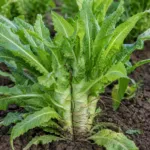 Celtuce (Lactuca sativa Angustana Group)Lactuca sativa Angustana Group
 Fairy-slipper Orchid (Calypso bulbosa) care guideCalypso bulbosa
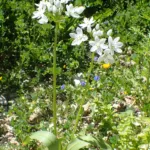 Allium neapolitanum care guideAllium neapolitanum
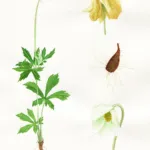 Snowdrop Anemone (Anemone sylvestris) care guideAnemone sylvestris
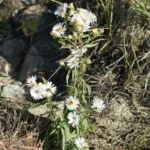 Heath aster (Aster ericoides) care guideAster ericoides
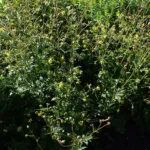 Yellow Avens (Geum aleppicum) care guideGeum aleppicum
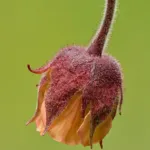 Water Avens (Geum rivale) care guideGeum rivale
 Spotted Bellflower (Campanula punctata) care guideCampanula punctata
 Tristis (Betula pendula ‘Tristis’)Betula pendula 'Tristis'