
 Source:
 Spotted Bellflower (Campanula punctata) short overview
Campanula punctata, commonly called Spotted Bellflower, is a hardy East Asian perennial grown for its long, pendent bells marked with contrasting spots inside. The clumping plant forms arching stems and coarse, toothed foliage, flowering from late spring into summer. Give it full sun or partial shade, fertile soil that stays evenly moist but drains well, and room to spread. It works beautifully in borders, cottage gardens, containers, and pollinator-friendly plantings.
Taxonomic classification
Spotted Bellflower (Campanula punctata) care guide
Light and placement
Grow in full sun or partial shade. In cooler climates, a south- or east-facing border with at least 6 hours of sun supports sturdy stems and flowering. In hot regions, morning sun with afternoon shade can reduce stress. Too little light causes lankier stems and fewer flowers; harsh reflected heat or drought may scorch foliage and shorten bloom.
Watering and humidity
Water deeply when the top inch of soil begins to dry, keeping the root zone moderately and evenly moist during active growth. Reduce watering in cool fall weather and during winter dormancy, but do not allow containers to become bone-dry for long periods. Good drainage is essential; persistent saturation can cause crown or root problems.
Soil and growing medium
Use fertile loam or a loam-sand mix that drains freely while retaining moderate moisture. Neutral to slightly alkaline soil is suitable. Avoid waterlogged ground, especially in winter; improve heavy clay with organic matter and grit rather than planting into a persistently saturated site.
Feeding
Apply a balanced, slow-release perennial fertilizer or a thin layer of finished compost in early spring as growth begins. Avoid heavy nitrogen feeding, which can produce soft, leafy growth and fewer flowers. Do not fertilize drought-stressed, newly divided, or waterlogged plants until they have recovered.
Growth and habit
This perennial forms a spreading clump with arching to erect flowering stems and can expand outward from the crown. Growth is fastest in fertile, evenly moist soil. Remove spent stems to improve appearance and limit unwanted self-seeding; divide crowded clumps when vigor declines.
Planting and repotting
Plant in spring or early fall when the soil is workable. Set the crown at soil level and space plants about 18–30 inches apart, allowing room for clump expansion. Water deeply during establishment and mulch lightly without covering the crown.
Repot container plants in early spring when roots fill the pot. Move the plant into a container only one size larger, using a fertile, well-drained potting mix. Handle the crown gently and water thoroughly after transplanting, then allow excess moisture to drain.
Propagation and pruning
Propagation
Propagate by seed or division. Sow fresh seed on the surface of a well-drained mix because light may aid germination; keep it evenly moist and provide a cool period if germination is poor. Divide established clumps in early spring or early fall, retaining healthy crown sections and roots.
Pruning
Deadhead after the first flush to tidy the plant and encourage continued flowering. Cut flowering stems back to the basal foliage after bloom. In late fall or early spring, remove collapsed or dead top growth, taking care not to damage emerging crowns.
Overwintering
Plants in USDA Zones 5–9 can generally remain outdoors. Leave a light layer of mulch over the root zone after the ground cools, but keep mulch away from the crown. Container plants are more exposed to freezing; move them to a sheltered location or insulate the pot, while avoiding warm indoor conditions that may interrupt dormancy.
Uses
Use Spotted Bellflower in mixed borders, cottage gardens, rock gardens, containers, and informal cut-flower arrangements. Its showy bells can support insect visitors. Although some references describe Campanula species as edible, do not use this plant as food without authoritative identification and preparation guidance.
Appearance
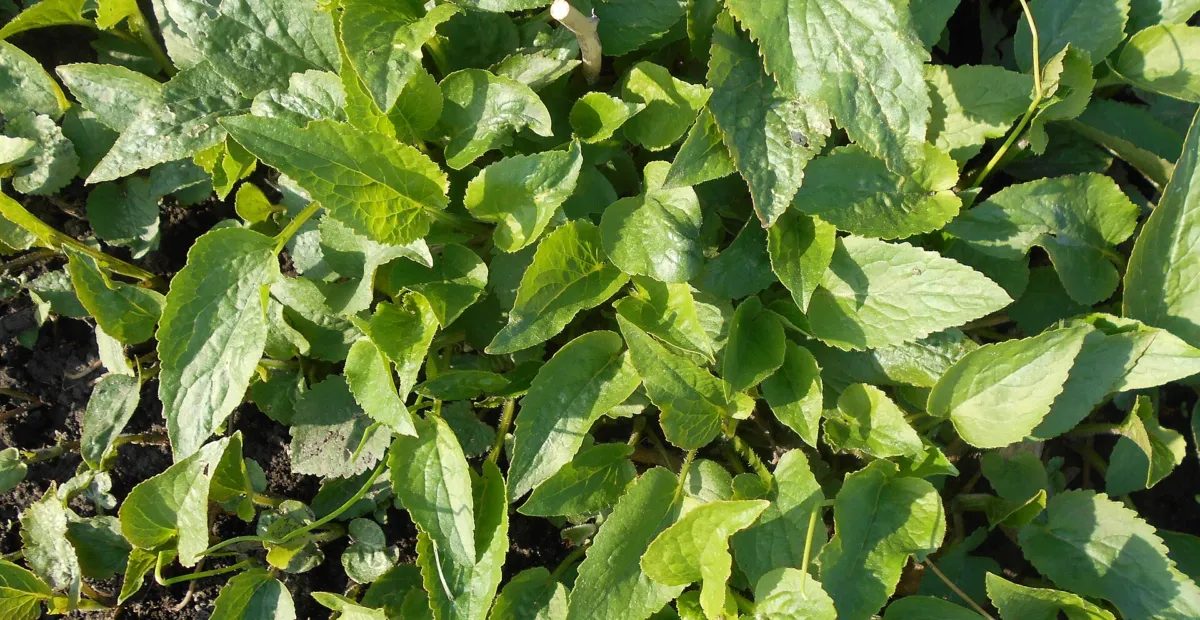
The plant has coarse, green, ovate to heart-shaped leaves with toothed margins and a generally hairy surface. Flowering stems may arch under the weight of the hanging bells and can show bronze coloration when young. The strongly spotted interior of the long bell is a useful identification feature.
Flowering
The species produces pendent, elongated bell-shaped flowers in racemes on upright to arching stems. Flowers are commonly pale pink, pink-purple, cream, or white, with conspicuous red-purple spotting and hairs inside the bell. In U.S. gardens, flowering is generally concentrated from late spring through summer, with some selections extending the display.
Pollination and visitors
The open, pendent bells are compatible with insect visitation, and horticultural references describe the plant as valuable to garden wildlife. Bees, bumblebees, and other flower-visiting insects are the most defensible visitor categories, but a specific pollinator species was not consistently documented for this exact taxon.
Campanula punctata photos
Click any photo for a larger view. Source, author and license are shown separately.
Diseases and pests
Diseases
Watch for crown or root rot in poorly drained soil, along with powdery mildew during humid, crowded conditions. Improve air circulation, avoid overhead watering late in the day, remove badly affected foliage, and correct drainage problems. Replanting into clean, well-drained soil is preferable to repeated treatment of rotted crowns.
Pests
Slugs and snails may damage young foliage, while aphids can cluster on tender shoots or flower stems. Inspect new growth regularly, remove pests by hand where practical, and keep the planting open and weed-free. Avoid routine broad-spectrum insecticides when flowers are open to protect visiting insects.
Related diseases and pests
Only Plant Doctor profiles whose host data indicate this plant may be affected are shown here.
Toxicity and pollen
Reliable sources do not establish a significant toxicity hazard for Campanula punctata. Routine garden precautions still apply: do not consume unidentified plant material, wash hands after handling soil or sap, and prevent pets or children from chewing ornamental plants. The species is listed as edible by one university extension source, but culinary use should not be inferred without correct identification and preparation guidance.
- Typical season
- Late spring through summer
- Pollination / pollen
- Primarily insect-carried pollen
Campanula punctata is insect-pollinated, so its pollen is mainly deposited by flower visitors rather than released in large airborne clouds. Species-specific allergy data are not well established; sensitive individuals should still avoid rubbing the eyes after handling flowering stems and should monitor personal reactions.
Native habitat
Native populations occur across parts of East Asia, including Japan, Korea, China, and the Russian Far East. The species is associated with meadows, grassy slopes, thickets, forest edges, roadsides, and stony sites from lowlands into mountainous areas. It prefers temperate conditions and soils that are moist but not waterlogged.
Interesting fact
The epithet punctata means spotted or dotted. The flowers hang downward and reveal their markings when viewed from below. The species has been cultivated in several ornamental forms, including selections with strongly colored flowers. It can spread by clump expansion and may also self-seed under favorable conditions.
Frequently asked questions (FAQ)
The most relevant questions about this plant, with short and direct answers.
🌱Quick care
What is Campanula punctata?⌄
Campanula punctata, commonly called Spotted Bellflower, is a clump-forming herbaceous perennial in the bellflower family, Campanulaceae. It is grown for its drooping, spotted, bell-shaped flowers.
How big does Spotted Bellflower get?⌄
Spotted Bellflower typically grows about 1 to 2 feet tall and 1 to 2½ feet wide. Its stems may be upright or slightly arching.
Is Campanula punctata perennial?⌄
Yes, Campanula punctata is a hardy herbaceous perennial. It can die back partially in winter and regrow from its crown and rhizomes.
What USDA hardiness zones can grow Spotted Bellflower?⌄
Spotted Bellflower is generally grown in USDA Zones 5 through 9, although performance varies by cultivar and local summer conditions. It is hardy to about -10°F.
🌤️Environment and placement
Does Campanula punctata need full sun or shade?⌄
Campanula punctata grows in full sun to partial shade. Provide afternoon shade in hot climates to reduce heat stress and help preserve flower color.
What is the best soil for Spotted Bellflower?⌄
The best soil is fertile, well-drained loam or sandy loam that stays moderately moist without becoming waterlogged. Neutral to slightly alkaline soil is usually suitable.
Can Spotted Bellflower grow in clay soil?⌄
Spotted Bellflower may grow in clay if drainage is improved, but heavy, persistently wet clay can cause poor growth or crown problems. Amend the planting area with organic matter and avoid low spots where water collects.
How much water does Campanula punctata need?⌄
Campanula punctata needs moderate, regular moisture, especially while establishing and during hot, dry weather. Let the soil drain between waterings rather than keeping it saturated.
Can Spotted Bellflower grow in a container?⌄
Yes, Spotted Bellflower can grow in a container with drainage holes and fertile, well-drained potting mix. Choose a container large enough for its spreading rhizomes and monitor moisture closely.
Is Campanula punctata deer resistant?⌄
Campanula punctata is generally considered deer resistant. Deer resistance is not absolute, particularly when other food is scarce.
💧Care and problems
How often should I fertilize Spotted Bellflower?⌄
Spotted Bellflower usually needs little fertilizer when planted in fertile soil. Apply a light, balanced fertilizer in spring only if growth is weak or the soil is poor.
Why is my Campanula punctata not blooming?⌄
Campanula punctata may fail to bloom because of excessive shade, heat, drought, poor soil, or a recently divided plant that is still establishing. Move or divide it only during a suitable season and keep soil evenly moist.
Why are the leaves of Spotted Bellflower turning yellow?⌄
Yellow leaves commonly result from overwatering, poor drainage, drought stress, or normal seasonal decline after flowering. Check the soil before watering and remove damaged foliage if the plant is otherwise healthy.
What pests affect Campanula punctata?⌄
Slugs and snails may damage Campanula punctata, especially in cool, moist gardens. Good air circulation and watering at the soil line can also help reduce foliar disease problems such as rust, leaf spot, and powdery mildew.
Does Spotted Bellflower spread aggressively?⌄
Yes, Spotted Bellflower can spread freely by rhizomes and self-seeding under favorable conditions. Plant it where naturalizing is acceptable and remove unwanted runners or seedlings promptly.
🪴Planting and repotting
When should I plant Campanula punctata?⌄
Plant Campanula punctata in spring after the danger of hard frost has passed or in fall early enough for roots to establish before the ground freezes. Spring planting is safer in colder areas.
How far apart should I plant Spotted Bellflower?⌄
Space Spotted Bellflower about 18 to 24 inches apart. This allows room for its mature clump and helps improve air circulation.
How deep should I plant Spotted Bellflower?⌄
Plant Spotted Bellflower at the same depth it was growing in its nursery container, with the crown at or just above soil level. Water thoroughly after planting and keep the soil evenly moist while roots establish.
Should I divide Campanula punctata?⌄
Yes, divide Campanula punctata every three to four years if the clump becomes crowded or spreads beyond its allotted space. Fall is a commonly recommended time, though early spring can also work.
✂️Propagation and pruning
How do you propagate Campanula punctata?⌄
Campanula punctata can be propagated by seed, division, or basal cuttings. Division is usually the most practical method for reproducing an established plant with predictable characteristics.
Can Spotted Bellflower be grown from seed?⌄
Yes, Spotted Bellflower can be grown from seed, and established plants may self-seed. Sow fresh seed in a suitable propagation medium and do not assume every seedling will match a named cultivar.
How do you stop Campanula punctata from spreading?⌄
Stop Campanula punctata from spreading by deadheading before seeds mature and removing rhizomatous runners at the edge of the clump. Dividing or lifting the plant regularly also helps keep it contained.
Should I deadhead Spotted Bellflower?⌄
Yes, deadheading spent flowers can encourage additional blooms and reduces self-seeding. Leave some flowers in place only if you want the plant to produce seed.
When should I cut back Campanula punctata?⌄
Cut Campanula punctata back after flowering, usually in late summer or early fall, to tidy the plant and potentially encourage another flush of flowers. Remove only damaged foliage earlier in the season.
⚠️Toxicity and safety
Is Campanula punctata poisonous to dogs or cats?⌄
No significant toxicity has been established for Campanula punctata, but plant-eating pets can still develop stomach upset from consuming unfamiliar plant material. Contact a veterinarian if a pet eats a large amount or shows symptoms.
Is Spotted Bellflower edible?⌄
The leaves and roots of Campanula punctata are reported as edible and are used as food in parts of East Asia. Do not consume plants treated with pesticides, and use reliable identification before eating any plant.
🌸Flowering and special interest
When does Campanula punctata bloom?⌄
Campanula punctata usually blooms from late spring through summer, with flowering commonly extending from June into August. Bloom timing depends on climate, cultivar, and growing conditions.
What do Spotted Bellflower flowers look like?⌄
Spotted Bellflower produces large, drooping, tubular bells that are typically white to pale pink with purple or reddish spots inside. The flowers are borne on upright to slightly arching stems.
How can I make Spotted Bellflower bloom more?⌄
Provide bright light, regular moisture, fertile well-drained soil, and deadhead faded flowers to encourage more blooming. In hot climates, partial afternoon shade can prevent heat stress that reduces flower quality.
Can Campanula punctata be used as a cut flower?⌄
Yes, Campanula punctata can be used as a cut flower. Harvest stems when some flowers are open and unopened buds remain, then place them promptly in clean water.
Similar plants
 Tussock bellflower (Campanula carpatica) care guideCampanula carpatica
 Campanula ‘Trachelium’Campanula 'Trachelium'
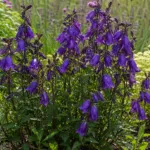 Campanula ‘Purple Sensation’Campanula 'Purple Sensation'
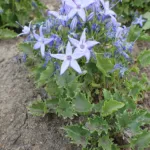 Campanula garganica care guideCampanula garganica
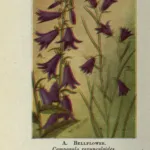 Harebell (Campanula rotundifolia) care guideCampanula rotundifolia
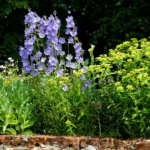 Peach-leaved Bellflower (Campanula persicifolia) care guideCampanula persicifolia