
 Source:
 Lace or hedgehog cactus) is a perennial plant and shrub in the cactus family (Echinocereus reichenbachii) short overview
Echinocereus reichenbachii, the lace or hedgehog cactus, is a compact perennial cactus native to the south-central United States and northeastern Mexico. Its cylindrical stems form small clumps and are densely clothed in fine spines. In late spring or early summer, mature plants produce large magenta to pink-purple flowers. Give it full sun, very fast drainage, restrained watering, and a cool, dry winter rest.
Taxonomic classification
Lace or hedgehog cactus) is a perennial plant and shrub in the cactus family (Echinocereus reichenbachii) care guide
Light and placement
Provide at least 6 hours of direct sun, ideally in a south- or west-facing position with excellent airflow. Strong light supports compact stems, dense spination, and flowering. Insufficient light produces elongated, weaker growth and fewer flowers. In extremely hot inland sites, brief afternoon shade may prevent scorching, but prolonged shade is unsuitable.
Watering and humidity
Water deeply only after the mix has dried completely, then let excess drain away. During active growth, this may mean occasional watering every 2–4 weeks depending on heat, pot size, and rainfall. Reduce sharply in fall and keep fully dry during the cool winter rest. Never leave the pot standing in water.
Soil and growing medium
Use a very porous mineral cactus mix dominated by coarse sand, pumice, grit, or crushed stone. The root zone must drain rapidly and never remain waterlogged. A slightly acidic to neutral reaction is suitable; avoid heavy clay and water-retentive peat-rich soil. In outdoor beds, raised or sloping placement improves winter survival.
Feeding
Feed only during active spring and summer growth. Apply a low-nitrogen cactus fertilizer at half strength once in early spring and again in early summer, or use a very light annual feeding in an established outdoor bed. Do not fertilize newly repotted, stressed, dormant, or root-damaged plants, and avoid rich compost that encourages soft growth.
Growth and habit
This slow-growing cactus develops compact clumps of upright to slightly spreading cylindrical stems. It generally needs little pruning; the main maintenance priority is preventing winter moisture from reaching the crown and roots. Mature plants flower most reliably after strong light and a cool, dry dormant period.
Planting and repotting
Plant outdoors after the danger of prolonged cold, ideally in late spring, when the soil is dry and warming. Set the root crown at the same level as before; do not bury the stem. Space clumps about 12–24 inches apart according to the form being grown, and establish with one light watering followed by a dry interval.
Repot in spring only when the container is crowded or the mix has broken down. Handle with thick gloves or folded newspaper, allow any damaged roots to dry briefly, and use a pot with a drainage hole. Do not water immediately after repotting; wait until root injuries have callused and the plant has resumed active growth.
Propagation and pruning
Propagation
Propagate from fresh seed or offsets. Sow seed in a sterile, gritty medium with warmth, light, and careful moisture; germination and seedling growth are slow. Separate offsets in spring or early summer, let wounded surfaces callus, then root them in a barely moist mineral mix. Avoid collecting from wild populations.
Pruning
Pruning is normally unnecessary. Remove dead, collapsed, or diseased stems at the base with a sterile tool, allowing the cut surface to dry before any contact with moisture. Wear puncture-resistant gloves and use tools rather than bare hands to avoid spine injuries.
Overwintering
Keep the plant cool and dry in winter, ideally protected from prolonged rain and saturated ground. Container plants can overwinter in an unheated, bright shelter where temperatures remain above severe freezing. Avoid warm, dim indoor conditions, which encourage weak growth. Outdoor plants tolerate substantial cold only when the root zone stays dry.
Uses
Use as a specimen or small clump in rock gardens, xeric borders, raised cactus beds, and containers with excellent drainage. It is valuable for its showy flowers and architectural spination. Do not harvest wild plants; some populations or infraspecific taxa have conservation concerns, and international cactus trade is regulated.
Appearance
The plant has ribbed, cylindrical green stems arranged singly or in compact clumps. Areoles carry numerous fine, closely spaced spines that can create a lace-like covering, often with white, gray, or purplish tones. Flower tubes are also hairy and spiny, a useful identification feature within the species group.
Flowering
Flowers are large, radial, and borne laterally from mature stems. The funnel-shaped floral tube carries numerous stamens and a prominent stigma, with conspicuous long hairs and spines around the tube. Blooms are typically produced in late spring or early summer after a cool, dry winter. Green berry-like fruits may develop after successful pollination.
Pollination and visitors
The large, nectar-producing flowers are consistent with insect visitation. Bees, bumblebees, and other flower-visiting insects are plausible documented visitor groups, but a single primary pollinating species could not be established confidently from the available sources.
Echinocereus reichenbachii photos
Click any photo for a larger view. Source, author and license are shown separately.
Diseases and pests
Diseases
The main risk is rot caused by persistently wet soil, especially in cool weather. Use a mineral, freely draining mix, keep the crown above surrounding soil, and avoid overhead watering during prolonged damp periods. Remove soft or discolored tissue with a sterile blade and allow cuts to dry before re-rooting healthy sections.
Pests
Watch for mealybugs, scale, and root-feeding insects. Inspect areoles and the stem base regularly, isolate affected plants, remove light infestations with a cotton swab, and use only a labeled treatment when necessary. Excess moisture and poor airflow often worsen pest and disease problems.
Related diseases and pests
Only Plant Doctor profiles whose host data indicate this plant may be affected are shown here.
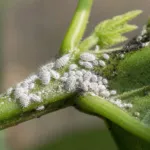 PestCotton mealybugPhenacoccus solenopsis Tinsley
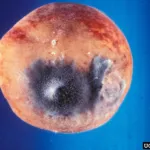 DiseaseRhizopus soft rotRhizopus stolonifer
 DiseaseBacterial soft rotPectobacterium carotovorum
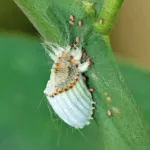 PestCottony Cushion ScaleIcerya purchasi
 DiseasePhytophthora root and crown rotPhytophthora nicotianae
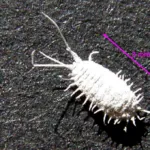 PestObscure mealybugPseudococcus viburni
 PestCitrus mealybugPlanococcus citri
Toxicity and pollen
No authoritative evidence was found indicating intrinsic poisonous chemistry in the species. The principal hazards are mechanical: sharp spines, glochids or bristle-like armature, and possible skin or eye injury. Keep plants away from paths, children, and pets, and use gloves and eye protection when handling.
- Typical season
- Spring to early summer during flowering
- Pollination / pollen
- Flower-borne, insect-associated pollen
The pollen is produced inside conspicuous flowers and is not generally described as a major wind-dispersed allergen. Individual sensitivity remains possible, especially during direct handling of flowers. Avoid rubbing the eyes after touching the plant and wash hands after gardening.
Native habitat
It occurs in south-central U.S. grasslands, desert-edge habitats, rocky sites, and open woodland or shrubland across parts of Kansas, Colorado, New Mexico, Oklahoma, Texas, and northeastern Mexico. Natural substrates are commonly mineral and rapidly drained, with plants exposed to strong sun, seasonal drought, and cold winter temperatures.
Interesting fact
The species has an extensive native range from southwestern Kansas through central Texas and into northeastern Mexico. Its flowers may reach roughly 3 inches across. The species includes several accepted subspecies, and some historical names are now treated within its broader taxonomic concept.
Frequently asked questions (FAQ)
The most relevant questions about this plant, with short and direct answers.
🌱Quick care
What is Echinocereus reichenbachii?⌄
Echinocereus reichenbachii, documented locally as “lace or hedgehog cactus) is a perennial plant and shrub in the cactus family,” is a small, cylindrical, clumping cactus in the Cactaceae family. It is also commonly called lace cactus or lace hedgehog cactus.
How much light does Echinocereus reichenbachii need?⌄
Echinocereus reichenbachii needs full sun for strong growth and flowering. Give it several hours of direct sunlight daily, while acclimating gradually if it was grown indoors or in shade.
How often should I water Echinocereus reichenbachii?⌄
Water Echinocereus reichenbachii thoroughly, then allow the soil to dry completely before watering again. Water much less in winter, especially when the plant is kept cool.
Is Echinocereus reichenbachii easy to grow?⌄
Echinocereus reichenbachii is generally easy to grow when it receives strong light, sharply draining soil, and restrained watering. Overwatering and poor air circulation are more serious risks than drought.
How big does Echinocereus reichenbachii get?⌄
Echinocereus reichenbachii usually remains a relatively small cactus with short, upright cylindrical stems that may form clusters. Mature size varies among populations and varieties, so provide enough space for offsets to develop.
🌤️Environment and placement
Can Echinocereus reichenbachii grow outdoors in the United States?⌄
Echinocereus reichenbachii can grow outdoors in many parts of the southern and central United States when planted in full sun and fast-draining soil. In wet or colder regions, container culture or winter protection is safer.
What USDA hardiness zone is Echinocereus reichenbachii?⌄
Echinocereus reichenbachii is considered cold-hardy compared with many cultivated cacti, but exact hardiness varies with dryness, soil, exposure, and plant origin. Protect it from prolonged cold combined with wet soil rather than relying on temperature alone.
Can Echinocereus reichenbachii survive frost?⌄
Echinocereus reichenbachii can tolerate frost and freezing temperatures when kept dry and acclimated. Avoid exposing a cold, dormant plant to saturated soil, ice, or repeated freeze-thaw conditions.
Where should I plant Echinocereus reichenbachii outdoors?⌄
Plant Echinocereus reichenbachii in the sunniest raised or sloped location available, preferably in gritty, rocky soil. A site protected from standing water and prolonged winter rain is especially important.
Can Echinocereus reichenbachii grow indoors?⌄
Echinocereus reichenbachii can grow indoors near a very bright, sunny window, but it may become weak or fail to flower without sufficient direct light. Use a pot with drainage holes and keep it away from consistently humid conditions.
Does Echinocereus reichenbachii tolerate drought?⌄
Echinocereus reichenbachii tolerates drought after its roots are established and should be treated as a low-water plant. Extended drought is usually safer than frequent shallow watering in poorly drained soil.
💧Care and problems
What soil is best for Echinocereus reichenbachii?⌄
Use a gritty, rocky cactus mix that drains rapidly and contains substantial mineral material such as pumice, perlite, coarse sand, or gravel. Avoid heavy garden soil and moisture-retentive potting mixes.
Why is my Echinocereus reichenbachii turning soft?⌄
A soft stem usually indicates excess moisture, root damage, or rot rather than thirst. Stop watering, inspect the roots and base, and take healthy cuttings only if the rot has not spread.
Why is my Echinocereus reichenbachii turning yellow?⌄
Yellowing can result from overwatering, poor drainage, root stress, or inadequate light. Check whether the soil stays wet and move the cactus to brighter conditions only after correcting moisture problems.
Why is my Echinocereus reichenbachii leaning?⌄
Leaning commonly results from insufficient light, uneven growth, root damage, or a loose planting position. Increase light gradually and check that the roots and stem base are firm rather than waterlogged.
How do I prevent root rot in Echinocereus reichenbachii?⌄
Prevent root rot by using a porous mix, a pot with an unobstructed drainage hole, and a dry period between waterings. Keep the plant nearly dry during cool winter conditions.
Should I fertilize Echinocereus reichenbachii?⌄
Fertilize Echinocereus reichenbachii sparingly during active growth with a diluted, low-nitrogen cactus fertilizer. Do not fertilize a stressed, dormant, recently repotted, or poorly lit plant.
Does Echinocereus reichenbachii need winter dormancy?⌄
A cool, bright, mostly dry winter rest helps Echinocereus reichenbachii maintain compact growth and may support flowering. Resume watering gradually in spring as temperatures and daylight increase.
🪴Planting and repotting
When should I repot Echinocereus reichenbachii?⌄
Repot Echinocereus reichenbachii in spring or early summer when it is beginning active growth. Repot only when necessary, such as when the soil has degraded, roots fill the container, or drainage has declined.
How do I repot Echinocereus reichenbachii safely?⌄
Wear thick gloves or use folded newspaper, tongs, or a cactus-handling tool to protect your hands from spines. Let damaged roots dry briefly before planting into dry, gritty mix, then wait several days before watering.
Can Echinocereus reichenbachii grow in a rock garden?⌄
Echinocereus reichenbachii is well suited to a sunny rock garden with excellent drainage and little irrigation. Plant it slightly high or on a mound where rainwater cannot collect around the base.
Can Echinocereus reichenbachii grow in a pot?⌄
Echinocereus reichenbachii grows well in a pot with drainage holes and a gritty cactus mix. Choose a stable container only slightly larger than the root system, since an oversized pot holds excess moisture.
✂️Propagation and pruning
How do you propagate Echinocereus reichenbachii?⌄
Echinocereus reichenbachii can be propagated from seed and, when available, from offsets. Seed propagation is broadly applicable, while offsets should be separated only after they have developed a firm base or some roots.
Can Echinocereus reichenbachii be grown from seed?⌄
Yes, Echinocereus reichenbachii can be grown from seed in a sterile, well-draining cactus medium kept lightly moist and warm. Seedlings need bright light, careful ventilation, and more consistent moisture than mature plants.
How do I root an Echinocereus reichenbachii offset?⌄
Allow a separated offset or cutting to develop a dry callus before placing it in dry, gritty mix. After roots begin forming, water lightly and only when the medium is dry.
Can I cut back Echinocereus reichenbachii?⌄
Routine pruning is generally unnecessary for Echinocereus reichenbachii. Remove only damaged, diseased, or rotting tissue with a sterile tool, allowing cut surfaces to dry before replanting.
⚠️Toxicity and safety
Is Echinocereus reichenbachii poisonous to people or pets?⌄
No documented intrinsic toxicity is established for Echinocereus reichenbachii, but its spines can cause painful punctures and skin irritation. Keep it away from children and pets that may touch, chew, or knock it over.
Are the spines of Echinocereus reichenbachii dangerous?⌄
The spines can puncture skin and may be difficult to remove, even though they are not considered a poison. Handle the plant with gloves, long tools, or thick paper rather than bare hands.
What should I do if an Echinocereus reichenbachii spine punctures my skin?⌄
Wash the area with soap and water, remove only easily accessible spine fragments with clean tweezers, and monitor for increasing redness, swelling, pain, or drainage. Seek medical care if spines are deeply embedded or symptoms worsen.
🌸Flowering and special interest
When does Echinocereus reichenbachii bloom?⌄
Echinocereus reichenbachii commonly blooms in spring, with flowering often occurring from April through June in its native Texas range. Timing can shift with local temperature, rainfall, winter dormancy, and light.
What color are Echinocereus reichenbachii flowers?⌄
The flowers are typically pink, purple, or magenta, often with a contrasting center and a glossy or satin-like appearance. Flower color varies among forms and varieties.
Why is my Echinocereus reichenbachii not flowering?⌄
Lack of flowers is commonly linked to insufficient direct light, excessive winter warmth or moisture, immaturity, or inadequate seasonal growth. Provide strong light, a cool dry rest, and careful spring watering.
How can I encourage Echinocereus reichenbachii to bloom?⌄
Encourage flowering with full sun, a gritty mineral soil, moderate feeding during active growth, and a cool, dry winter dormancy. Avoid forcing growth with frequent watering or high-nitrogen fertilizer.
Similar plants
 Azure Monkshood (Aconitum carmichaelii) care guideAconitum carmichaelii
 Monkshood (Aconitum ‘Stainless Steel’)Aconitum 'Stainless Steel'
 Monkshood (Aconitum ‘Bressingham Spire’)Aconitum 'Bressingham Spire'
 Golden full moon maple (Acer shirasawanum ‘Aureum’)Acer shirasawanum 'Aureum'
 Globosum (Acer platanoides ‘Globosum’)Acer platanoides 'Globosum'
 Striped maple (Acer pensylvanicum) care guideAcer pensylvanicum