
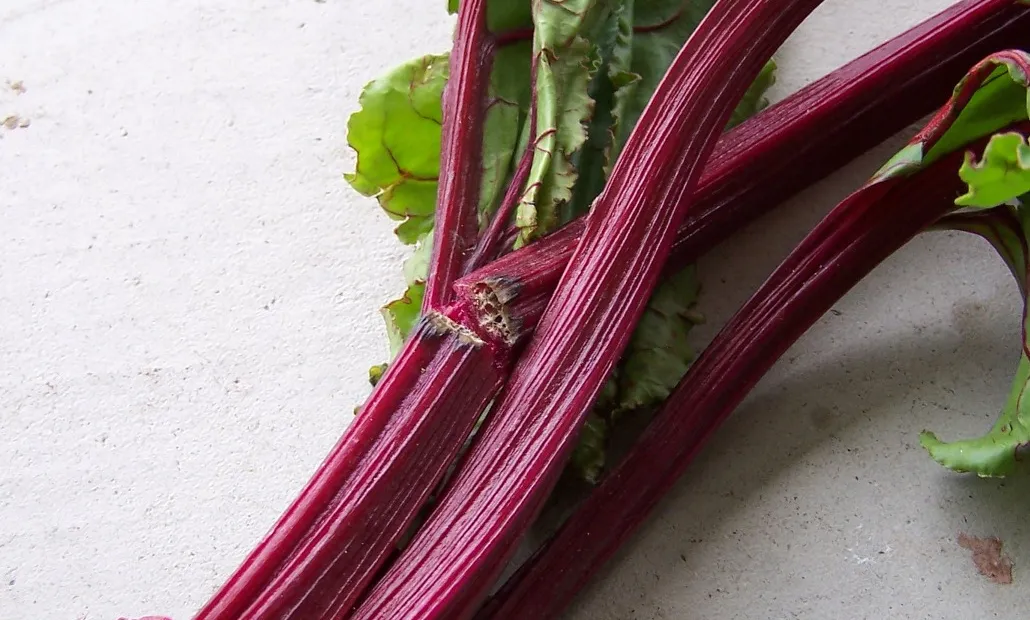
Bacterial soft rot
Pectobacterium carotovorumBacterial soft rot overview
Pectobacterium carotovorum causes bacterial soft rot in potatoes and many vegetable, fruit, ornamental and nursery plants. Infected tissue becomes water-soaked, soft and rapidly disintegrates, often with an unpleasant odor. The bacterium commonly enters through wounds, spreads in wet conditions and can cause blackleg-like stem symptoms or severe postharvest losses. Accurate diagnosis may require laboratory testing because Dickeya and other soft-rot bacteria can look similar.
Typical conditions
Overview
Bacterial soft rot begins when Pectobacterium carotovorum colonizes damaged, stressed or naturally vulnerable plant tissue. Its cell-wall-degrading enzymes macerate plant cells, producing a wet, soft, often cream-colored to tan decay. In potatoes, the disease may affect seed pieces, stems and tubers; in other crops it may appear as rot of roots, bulbs, stems, fruits or fleshy leaves.
The organism is widespread in soil, crop residues, surface water and infected planting material. A visible diagnosis is suggestive rather than definitive: several Pectobacterium species, Dickeya species and secondary bacteria can cause comparable soft-rot symptoms.
Symptoms and identification
- Water-soaked, translucent or greasy-looking lesions that enlarge rapidly.
- Soft, collapsing tissue that may become cream, tan, brown or black and develop an unpleasant odor.
- Potato tubers with wet internal decay, hollowed areas or complete breakdown beneath apparently intact skin.
- Potato plants with dark, slimy lesions near the soil line, yellowing, stunting, wilting or poor emergence; these symptoms are commonly described as blackleg or stem rot.
- Rot of tomato stems or fruits and decay of roots, bulbs, crowns, leaves or fleshy storage organs in susceptible hosts.
Symptoms can be confused with fungal or oomycete rots, chilling injury, mechanical damage and Dickeya infection. Laboratory isolation or molecular testing is recommended for regulatory, seed-certification or production decisions.
Causes and spread
The bacterium is commonly introduced in infected seed potatoes, transplants, cuttings, crop debris, contaminated soil, irrigation or wash water, tools, bins and harvesting equipment. It usually requires an entry point such as a cut, bruise, insect injury, hail wound, frost injury or damaged stem tissue. Splashing water, wet handling, soil contact and movement of contaminated equipment spread cells between plants and storage lots. In storage, one infected tuber can contaminate neighboring tubers when surfaces remain wet and wounds are present.
Life cycle and persistence
Pectobacterium carotovorum survives between crops in infected planting material, decaying plant tissue, soil, water and contaminated surfaces. Under favorable conditions, cells multiply on wet plant surfaces or inside wounds, release pectinolytic enzymes and macerate host tissue. The resulting liquid exudate carries bacteria to nearby wounds and plant parts. Disease is favored by warm or cool-wet conditions depending on host, strain and tissue; storage outbreaks are accelerated by wet, warm loads, poor ventilation and bruising. The bacterium does not form a durable resting spore, so sanitation, drying and removal of infected material are central to management.
Treatment and control
There is no dependable curative treatment for tissue that has already been macerated. Remove and discard affected plants, stems, fruits, roots or tubers as soon as practical, taking care not to spread wet decay. In potato storage, isolate the lot, improve ventilation, stop condensation and sort out diseased or badly wounded tubers. In the field, correct drainage and irrigation problems, reduce further injury and remove severely affected plants when feasible. For high-value crops or uncertain diagnoses, submit symptomatic tissue to a state university plant clinic or qualified diagnostic laboratory. Management is primarily preventive because bacteria already inside planting material or wounds are difficult to eradicate after symptoms appear.
Low-impact and biological control
Organic and low-input management relies on clean planting material, sanitation, careful handling, drainage and moisture control. Use certified seed potatoes approved for organic production where available, maintain clean harvest containers and tools, and avoid washing or packing produce when surfaces are wet. Remove cull piles and volunteer plants that can harbor bacteria. Some biological products and bacteriophage-based approaches have been studied for Pectobacterium soft rot, but performance is product-, crop- and strain-dependent; use only products permitted for organic production and legally registered for the intended crop and disease.
Prevention
- Plant certified, disease-tested seed potatoes and obtain clean transplants or propagation material from reputable suppliers.
- Use well-drained beds or ridges and avoid overirrigation, flooding and prolonged leaf or stem wetness.
- Control insects and other causes of wounds; avoid working plants while foliage is wet.
- Harvest, grade and handle tubers and vegetables gently to minimize cuts and bruises.
- Cure potatoes under appropriate, well-ventilated conditions before long-term storage, then keep stored crops dry, cool for the crop and supplied with adequate airflow.
- Remove and discard rotting material promptly; do not place diseased tissue in home compost unless the process reliably reaches pathogen-destroying temperatures.
- Clean and disinfect knives, bins, conveyors, crates and other equipment between lots, especially after handling visibly diseased crops.
- Do not save seed from fields or storage lots with unexplained soft rot, blackleg or poor emergence.
Interesting facts
- The former name Erwinia carotovora remains common in older extension, regulatory and scientific literature.
- The disease is driven largely by enzymes that break down pectin and other components of plant cell walls, producing the characteristic watery tissue collapse.
- Potato blackleg and tuber soft rot are disease-complex terms: Pectobacterium and Dickeya species may be involved, and symptoms alone may not distinguish them.
- In the United States, Pectobacterium carotovorum has been detected across major potato-producing regions, while the relative importance of species varies by location, crop and season.
- Healthy-looking tubers can carry latent infection or become diseased later when bruising, condensation and poor ventilation create favorable conditions.
No pesticide program should be assumed to cure established Pectobacterium soft rot. Use only products legally authorized for the specific crop and bacterial disease in the United States, and follow the current product label, including crop, site, rate, personal protective equipment, reentry and preharvest requirements. Always prioritize certified planting material, sanitation, wound prevention, drainage, drying and storage management. Consult your state extension service or pesticide regulator before making an application.
Affected plants
The plants below are linked to this problem by structured host-plant data. The list updates automatically as new plant profiles are added.
 Onion (Allium cepa) care guideAllium cepa
 Allium christophii care guideAllium christophii
 Bunching onion (Allium fistulosum) care guideAllium fistulosum
 Giant Allium (Allium giganteum) care guideAllium giganteum
 Ornamental onion (Allium) care guideAllium
 Garlic (Allium sativum) care guideAllium sativum
 Chives (Allium schoenoprasum) care guideAllium schoenoprasum
 Ransoms (Allium ursinum) care guideAllium ursinum
 Wild leek or broadleaf wild leek (Allium ampeloprasum) care guideAllium ampeloprasum
 Shallot (Allium cepa Aggregatum Group)Allium cepa Aggregatum Group
 Cepa Group (Allium cepa Group)Allium cepa Cepa Group
 Rakkyo (Allium chinense) care guideAllium chinense