
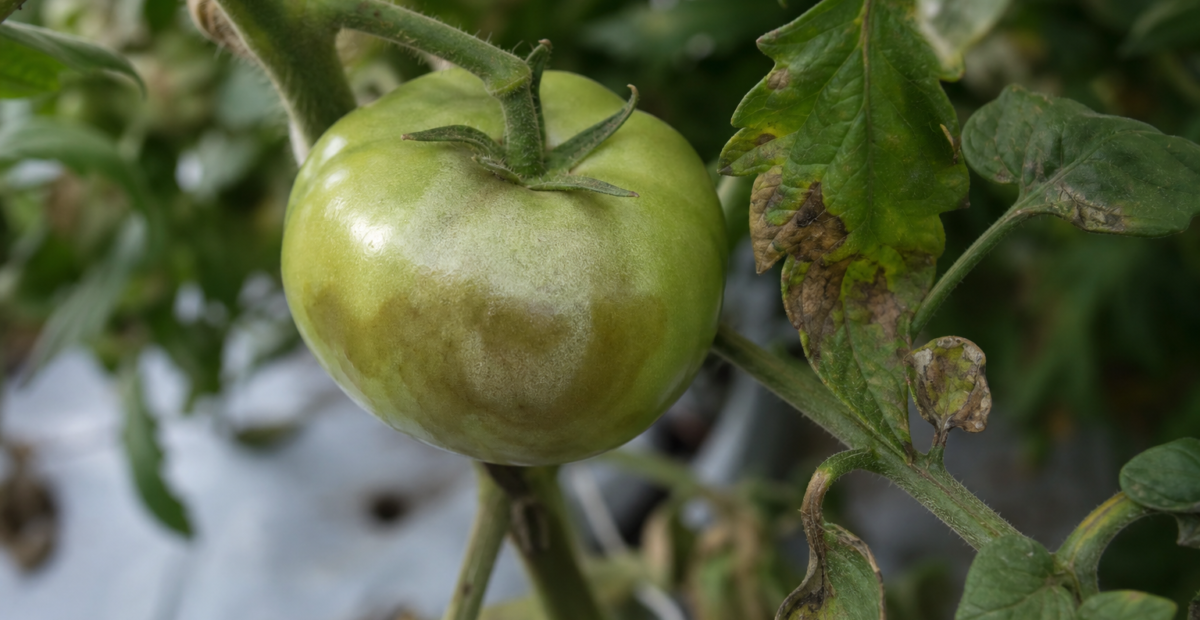
Chilling injury
Chilling injury overview
Chilling injury is physiological cold damage caused by temperatures that remain above freezing but fall below a crop’s tolerance threshold. It is especially common in tropical and subtropical plants and harvested produce. Symptoms may appear only after tissues warm, and can include pitting, discoloration, water-soaking, poor ripening, leaf damage, and increased decay. Prevention depends mainly on temperature management and crop protection.
Typical conditions
Overview
Chilling injury occurs when plant tissues or harvested commodities are exposed to temperatures that are too low for normal metabolism but usually remain above the tissue’s freezing point. Tropical and subtropical crops are especially vulnerable, although some temperate crops can also be affected. The critical temperature is not universal: for some produce it is near 55°F, while other commodities tolerate much colder conditions.
Damage may develop in the field, greenhouse, transport, refrigeration, or household storage. Symptoms can be delayed and become more obvious after the affected tissue is returned to warmer conditions. Once cells are injured, recovery is limited; new growth may be normal if the plant remains healthy and the growing point was not killed.
Symptoms and identification
Symptoms vary by host and may be visible immediately or several days after warming.
- Leaves may become limp, curled, bronzed, water-soaked, chlorotic, or necrotic; tender shoot tips can stop growing or die back.
- Fruit and vegetables may develop surface pitting, sunken patches, dull or uneven color, browning beneath the skin, water-soaked tissue, seed discoloration, or soft breakdown.
- Cold-sensitive fruit may fail to ripen normally, lose flavor, or remain dull green.
- Increased decay is common because chilled tissues are weakened and more easily colonized by opportunistic microorganisms.
- Unlike many fungal or bacterial diseases, chilling injury usually affects exposed tissues or an entire temperature-sensitive commodity without producing a consistent pathogen sign.
Causes and spread
Chilling injury is not contagious and does not spread from plant to plant. It results from cold exposure below a host’s physiological tolerance, with severity determined by temperature, duration, cultivar, maturity, acclimation, and tissue condition. Secondary decay organisms can spread after cold-damaged tissue softens or leaks. Repeated movement through cold field conditions, refrigerated transport, and warm marketing environments can make the injury more severe or reveal symptoms later.
Life cycle and persistence
Chilling injury has no pathogen lifecycle or reproduction cycle. It develops cumulatively as cold exposure disrupts membrane function, metabolism, water balance, and ripening processes. Severity generally increases with lower temperature and longer exposure, although cultivar, maturity, prior acclimation, humidity, light, and tissue condition modify the response. Symptoms can remain hidden during cold storage and become visible after the tissue warms. Secondary bacteria and fungi may then invade damaged areas, but they are consequences rather than the primary cause.
Treatment and control
There is no treatment that repairs cells already injured by chilling. Move affected potted plants or greenhouse crops gradually into an appropriate warm, well-lit environment, protect them from additional cold, and keep watering moderate while roots are impaired. Do not heavily prune or fertilize immediately after injury; wait until living and dead tissue boundaries are clear and new growth resumes.
For harvested produce, separate severely damaged items, improve ventilation, and use the crop at once if quality remains acceptable. Remove soft or decaying tissue promptly. If lesions continue expanding after temperatures are corrected, submit a sample for diagnosis because a secondary bacterial or fungal rot may be present.
Low-impact and biological control
Management is primarily cultural rather than chemical.
- Use frost cloth, row cover, low tunnels, or greenhouse heat to keep sensitive crops above their crop-specific threshold; remove covers when temperatures and light rise to avoid overheating.
- Use raised beds, dark or insulating mulch, and well-drained soil to reduce cold, saturated root-zone conditions.
- Harden transplants gradually before planting outdoors, and avoid setting warm-season crops into cold soil or immediately before a forecast cold snap.
- Choose cultivars and rootstocks adapted to the local USDA hardiness zone and spring or fall temperature pattern.
- Harvest only when appropriate for the crop, handle gently, and store produce at a temperature recommended for that commodity rather than automatically using the coldest available setting.
- Remove severely damaged tissues and improve sanitation to reduce secondary rot; do not compost diseased-looking material if active decay is spreading.
Prevention
Identify the crop’s documented minimum safe temperature before planting, transporting, or storing it. In U.S. gardens, protect warm-season crops when overnight temperatures approach their chilling threshold, not only when a freeze is forecast. Maintain stable greenhouse temperatures, avoid cold drafts, and keep roots from sitting in cold saturated media. Acclimate transplants gradually, delay planting until soil is warm enough for the crop, and select cold-tolerant cultivars where available.
For harvested produce, monitor actual product temperature with a calibrated thermometer, avoid storing chilling-sensitive crops with cold-tolerant commodities, and minimize unnecessary temperature fluctuations. Inspect fruit after warming because injury may be delayed.
Interesting facts
- Chilling injury is different from freezing injury: the tissue can be damaged even though ice crystals have not formed.
- There is no single universal chilling temperature. Bananas may be injured below about 55°F, while some other commodities tolerate temperatures near the upper 30s or 40s.
- Symptoms are sometimes absent while produce is cold and become apparent only after it is moved to room temperature.
- Temperature effects can be cumulative across field exposure, transport, and storage.
- Recovery depends on the tissue. Damaged fruit or leaves do not regenerate, but an intact growing point can produce healthy new growth.
No pesticide cures chilling injury. Use only products legally authorized for the specific crop and problem in the United States, and follow the current product label. Fungicides do not reverse cold damage; they may be relevant only when a secondary disease is positively diagnosed and the label permits that use.
Affected plants
The plants below are linked to this problem by structured host-plant data. The list updates automatically as new plant profiles are added.
 Pineapple (Ananas comosus) care guideAnanas comosus
 Musa acuminata care guideMusa acuminata
 Sweet wild banana (Musa balbisiana) care guideMusa balbisiana
 Musa basjoo care guideMusa basjoo
 Musa itinerans care guideMusa itinerans
 Flowering Banana (Musa ornata) care guideMusa ornata
 Darjeeling banana (Musa sikkimensis) care guideMusa sikkimensis
 Abaca (Musa textilis) care guideMusa textilis
 Pink Banana (Musa velutina) care guideMusa velutina
 Papaya (Carica papaya) care guideCarica papaya
 Maroon cucumbe (Cucumis anguria) care guideCucumis anguria
 Horned Melon (Cucumis metuliferus) care guideCucumis metuliferus