
 Source:
Numex Twilight (Capsicum annuum ‘Numex Twilight’) short overview
NuMex Twilight is a compact ornamental pepper selected at New Mexico State University for its striking upright fruits and extended color display. The small pods progress from purple through yellow and orange to red, often showing several stages on one plant at once. Grow it as a warm-season annual in full sun, using fertile, well-drained soil or a container. The fruits are edible but distinctly hot, so handle them carefully around children and pets.
Taxonomic classification
Numex Twilight (Capsicum annuum ‘Numex Twilight’) care guide
Light and placement
Provide at least 6–8 hours of direct sun, ideally in a south- or west-facing position protected from cold wind. Insufficient light causes stretched growth, fewer flowers, and a weaker fruit display. Scorched leaves or bleached patches indicate excessive heat combined with root dryness or sudden intense exposure; acclimate transplants gradually.
Watering and humidity
Water deeply when the top inch of soil begins to dry, then let excess drain away. Keep moisture even during flowering and fruit development; repeated severe drying can cause flower drop and stressed growth. Reduce frequency in cool weather, but do not allow container plants to remain waterlogged. Good airflow is preferable to artificially high humidity.
Soil and growing medium
Use fertile, well-drained loam or a quality container mix with steady moisture retention but no standing water. A slightly acidic to neutral reaction, roughly pH 6.0–7.0, is suitable. Avoid heavy compacted soil, which restricts roots and increases disease risk.
Feeding
Mix finished compost into the bed before planting or use a balanced fertilizer at label rate after establishment. Feed lightly during active growth and fruiting, especially in containers where nutrients leach quickly. Avoid heavy nitrogen applications, which can produce lush foliage with fewer flowers and fruits.
Growth and habit
Plants develop an erect, compact, repeatedly branched form with a dense display of upright pods. The cultivar is especially effective in containers because branching and fruit position keep the color display visible. Stake only if a heavily loaded plant becomes unstable.
Planting and repotting
Start seeds indoors about 8–10 weeks before the expected last spring frost. Transplant only after danger of frost has passed and soil is warm. Set plants at the same depth they occupied in their pots, firm the soil gently, water thoroughly, and allow about 12–18 inches between plants.
Move seedlings into progressively larger containers when roots fill the current pot. Final containers should provide adequate root volume and drainage; transplant after the root ball holds together and nighttime temperatures remain warm.
Propagation and pruning
Propagation
Propagate from seed. Sow indoors in warm media 8–10 weeks before the last frost, maintain warmth and bright light, then harden seedlings before transplanting. As an open-pollinated cultivar, saved seed may not reproduce every ornamental trait perfectly if cross-pollination occurred.
Pruning
Little pruning is needed. Remove damaged leaves and spent debris, and pinch only lightly if a container plant needs shaping. Avoid severe cutting during flowering or fruit set, since the ornamental display depends on maintaining many flowering and fruiting branches.
Overwintering
In most U.S. climates, treat it as an annual and remove it after frost. Container plants can be brought indoors before temperatures fall below about 50°F, but maintaining strong light, warmth, and pest-free foliage is necessary. Cut back only lightly after fruiting if overwintering, and resume active feeding in spring.
Uses
Best used as an ornamental edible pepper in containers, patio displays, borders, and formal beds. The upright multicolored pods provide late-season color, while the fruits can be used as a hot culinary pepper. Wear gloves when harvesting and do not treat the plant as a pet-safe ornamental.
Appearance
Leaves are smooth, green, and unpubescent; stems are also smooth and non-hairy. The plant is recognized by its compact branching, white axillary flowers, and upright smooth pods that change through purple, yellow, orange, and red. Several color stages commonly remain visible together.
Flowering
Small white flowers appear singly in the leaf axils. Flowers begin opening about 120 days after sowing under the documented breeding conditions, followed by a prolonged ornamental fruit display as pods pass through several colors.
Pollination and visitors
The small white flowers produce pollen and nectar resources typical of pepper flowers and may be visited by bees. Reliable cultivar-specific records identifying a single pollinator species were not found, so the visitor assignment remains conservative.
Capsicum annuum 'Numex Twilight' photos
Click any photo for a larger view. Source, author and license are shown separately.
Diseases and pests
Diseases
Use clean seed and containers, avoid waterlogged soil, and provide airflow. Watch for bacterial or fungal leaf spots, root rots, and viruses such as cucumber mosaic virus. Remove badly affected plants and control insect vectors; the cultivar has been noted as a useful source of cucumber mosaic virus resistance in breeding.
Pests
Inspect new growth for aphids, whiteflies, thrips, and spider mites. Check leaf undersides regularly, wash small infestations off with water, encourage beneficial insects, and use insecticidal soap according to its label when needed. Avoid unnecessary broad-spectrum insecticides during flowering.
Related diseases and pests
Only Plant Doctor profiles whose host data indicate this plant may be affected are shown here.
 DiseaseCucumber mosaic virusCucumber mosaic virus
 PestBroad mitePolyphagotarsonemus latus (Banks)
 DiseaseTomato mosaic virusTobamovirus tomatotessellati
 DiseaseTobacco mosaic virusTobamovirus tabaci
 DiseasePepino mosaic virusPepino mosaic virus (PepMV)
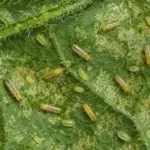 PestMelon thripsThrips palmi Karny
 PestChilli thripsScirtothrips dorsalis Hood
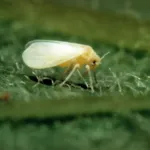 PestSweetpotato whiteflyBemisia tabaci species complex
Toxicity and pollen
The fruits contain capsaicin, which can cause intense burning and irritation of the mouth, skin, eyes, and gastrointestinal tract. Use gloves when handling large quantities, avoid touching the face, and keep ripe pods away from children and animals. This is irritant exposure rather than evidence that the entire plant is poisonous.
- Typical season
- During flowering, usually summer in the United States
- Pollination / pollen
- Light, insect-associated flower pollen; can become airborne when disturbed
Pepper pollen can become airborne and has caused occupational respiratory sensitization in heavily exposed greenhouse workers. Ordinary home-garden exposure is usually much lower, but people with known pollen or pepper sensitivity should avoid inhaling flower or plant dust and use ventilation when handling dried material.
Native habitat
This cultivated pepper derives from Capsicum germplasm associated with Mexico and is adapted to warm, frost-free growing conditions. In cultivation it performs best in sunny, fertile, well-drained soils with regular moisture and good air circulation.
Interesting fact
‘NuMex Twilight’ was released by New Mexico State University in the 1990s after selection from germplasm originating in Jalisco, Mexico. Its four-stage fruit coloring is a major ornamental trait, and it has been used as a source of cucumber mosaic virus resistance in pepper breeding.
Frequently asked questions (FAQ)
The most relevant questions about this plant, with short and direct answers.
🌱Quick care
What is Capsicum annuum 'Numex Twilight' best known for?⌄
Capsicum annuum 'Numex Twilight' is best known as a compact ornamental pepper with upright fruits that display purple, yellow, orange, and red colors on the same plant. It can also be eaten, but its primary value is decorative.
Is Capsicum annuum 'Numex Twilight' an annual or perennial?⌄
It is commonly grown as a frost-tender annual in the United States, but it can live for several years if overwintered indoors. Growth may slow substantially during the cooler, lower-light months.
How much sun does 'Numex Twilight' need?⌄
Give 'Numex Twilight' full sun, ideally at least 6–8 hours of direct light daily. Insufficient light can cause weak growth, fewer flowers, and reduced fruit production.
How often should I water 'Numex Twilight'?⌄
Water when the top inch of soil feels dry, then soak the root zone thoroughly and let excess water drain. Avoid keeping the mix constantly soggy, especially in containers.
What type of soil is best for 'Numex Twilight' peppers?⌄
Use fertile, well-drained loam or a quality container mix. The soil should retain some moisture while allowing air and water to move freely around the roots.
🌤️Environment and placement
Can 'Numex Twilight' grow indoors?⌄
Yes, 'Numex Twilight' can grow indoors beside a very sunny south-facing window or under a full-spectrum grow light. Indoor plants need good air circulation and a container with drainage holes.
Can I grow 'Numex Twilight' in a container?⌄
Yes, it is well suited to containers because it remains relatively compact and fruits attractively. Choose a pot with drainage holes and enough room for the root system to develop without staying waterlogged.
What temperatures does 'Numex Twilight' prefer?⌄
It grows best in warm conditions, generally with daytime temperatures around 70–85°F. Protect it from frost and prolonged cool weather, which can stop growth and damage the plant.
When can I move 'Numex Twilight' outdoors?⌄
Move it outdoors only after the danger of frost has passed and nighttime temperatures are reliably above about 50°F. Harden it off over 7–10 days by increasing outdoor exposure gradually.
Can 'Numex Twilight' survive winter outdoors?⌄
It usually cannot survive freezing weather outdoors because it is frost tender. In USDA Zones 8 and colder, bring it indoors before the first frost if you want to preserve the plant.
💧Care and problems
Why are the leaves on my 'Numex Twilight' pepper curling?⌄
Leaf curling is often caused by inconsistent watering, heat stress, low humidity, pests, or root problems. Check soil moisture, inspect the undersides of leaves, and make sure the container drains freely.
Why is my 'Numex Twilight' pepper turning yellow?⌄
Yellow leaves can result from overwatering, poor drainage, nutrient shortages, insufficient light, or natural aging of lower leaves. Correct the moisture and light conditions before adding fertilizer.
Does 'Numex Twilight' need fertilizer?⌄
It benefits from regular feeding during active growth because producing many flowers and fruits uses nutrients quickly. Apply a balanced or tomato-and-pepper fertilizer according to the product label, avoiding excessive nitrogen.
How do I prevent overwatering 'Numex Twilight'?⌄
Let the upper layer of the mix dry slightly before watering and always use a container with drainage holes. Do not leave the pot standing in a saucer of water.
Why is my 'Numex Twilight' not producing peppers?⌄
Poor fruiting is usually linked to insufficient light, cool temperatures, excess nitrogen, water stress, or limited pollination. Give the plant full sun, steady moisture, warm conditions, and gently shake flowering stems if grown indoors.
Does 'Numex Twilight' need hand pollination?⌄
Usually it does not, because pepper flowers are generally self-pollinating. Indoors, gently tapping the plant or using a small brush on open flowers can improve fruit set when airflow is limited.
How tall does 'Numex Twilight' grow?⌄
It commonly reaches about 13–18 inches tall, although final size varies with light, container size, fertility, and growing conditions. Plants may become larger when grown for a long season or overwintered.
Should I pick the peppers from 'Numex Twilight' as soon as they change color?⌄
You can pick them at any developed color, but leaving them on the plant allows later color stages and full maturity to develop. Harvest promptly if you want to encourage continued flowering and fruit production.
🪴Planting and repotting
When should I start 'Numex Twilight' seeds indoors?⌄
Start seeds indoors about 8–10 weeks before your area's expected last spring frost. Transplant outdoors only after frost danger has passed and the soil and air have warmed.
How deep should I sow 'Numex Twilight' seeds?⌄
Sow the seeds about ¼ inch deep in a moist, sterile, well-drained seed-starting mix. Keep the mix evenly moist and warm rather than constantly wet.
How long do 'Numex Twilight' seeds take to germinate?⌄
Under warm, consistently moist conditions, pepper seeds commonly germinate in roughly 7–21 days. Germination may take longer if the seed-starting mix or surrounding air is cool.
How far apart should I plant 'Numex Twilight' peppers?⌄
Space plants about 12–18 inches apart for good air circulation and room to branch. Container-grown plants can usually be grown individually unless the container is especially large.
When is 'Numex Twilight' ready to harvest?⌄
The fruits are ready when they have reached their expected size and color stage, with mature fruits commonly progressing toward red. Timing varies by growing conditions, but harvest often begins roughly 80–100 days after transplanting.
✂️Propagation and pruning
Can I grow 'Numex Twilight' from saved seeds?⌄
Yes, you can save seeds from fully mature fruits and sow them the following season. Because peppers can cross-pollinate, saved seed may not produce plants identical to the parent if other pepper varieties flowered nearby.
Should I prune or pinch 'Numex Twilight'?⌄
Routine pruning is not necessary, and healthy plants can fruit well without pinching. Remove damaged growth and overcrowded interior stems if needed, but avoid heavy pruning during flowering and fruiting.
Can I overwinter 'Numex Twilight' indoors?⌄
Yes, bring the plant indoors before frost, inspect it for pests, and place it in the brightest available location. Reduce watering during slower winter growth, but do not allow the root ball to remain completely dry for long periods.
⚠️Toxicity and safety
Are 'Numex Twilight' peppers edible?⌄
Yes, the fruits are edible, but they are hot and are primarily grown for ornamental display. Treat them as hot peppers and use only a small amount until you know your tolerance.
Are 'Numex Twilight' peppers poisonous?⌄
They are not generally considered poisonous, but their capsaicin can cause intense irritation or burning in the mouth, eyes, and skin. Keep fruits away from children and pets, and wash hands after handling.
What should I do if 'Numex Twilight' pepper juice gets in my eyes?⌄
Flush the eye immediately with plenty of clean, lukewarm water and avoid rubbing it. Seek medical advice if pain, redness, or vision problems persist.
🌸Flowering and special interest
What colors do 'Numex Twilight' peppers turn?⌄
The upright fruits commonly change from purple through yellow and orange to red as they mature. Multiple color stages can appear on the plant at the same time, creating its characteristic ornamental display.
Why are my 'Numex Twilight' flowers dropping?⌄
Flower drop is commonly caused by heat, cool nights, drought, overwatering, low light, or excess nitrogen. Maintain steady moisture, provide strong light, and protect the plant from temperature extremes.
Are the fruits of 'Numex Twilight' upright or hanging?⌄
The fruits are typically held upright above the foliage rather than hanging downward. Their upright habit and changing colors are major reasons this cultivar is popular as an ornamental container pepper.
Similar plants
 Bishop’s Crown (Capsicum annuum ‘Bishop’s Crown’)Capsicum annuum 'Bishop's Crown'
 He baby rubberpla (Peperomia obtusifolia) care guidePeperomia obtusifolia
 Cherry Bomb (Capsicum annuum ‘Cherry Bomb’)Capsicum annuum 'Cherry Bomb'
 Silver Ripple (Peperomia caperata ‘Silver Ripple’)Peperomia caperata 'Silver Ripple'
 Rosso (Peperomia caperata ‘Rosso’)Peperomia caperata 'Rosso'
 Buffelgrasses (Cenchrus) care guideCenchrus