
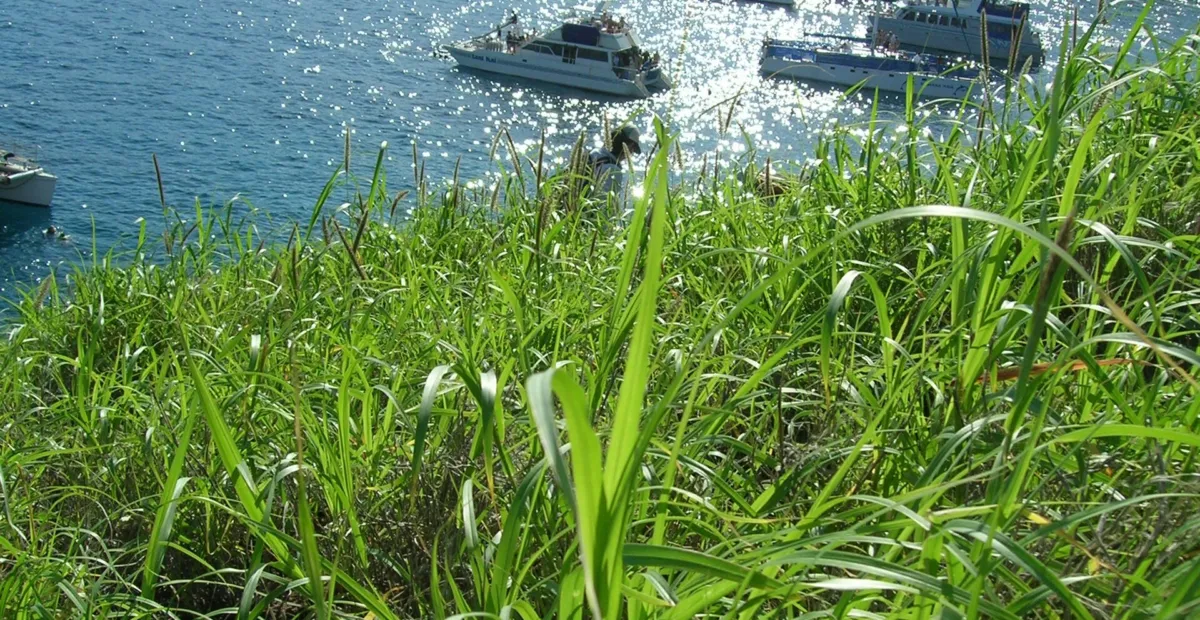
 Source:
Buffelgrasses (Cenchrus) short overview
Cenchrus is a broad genus of warm-climate grasses in the Poaceae family, best known in the United States for buffelgrasses, sandburs and fountain grasses. Its members range from annual weeds to ornamental or forage perennials, with forms adapted to prairies, deserts, dunes and disturbed ground. Because the genus includes both useful garden plants and invasive species, identification at species level is essential before planting or managing it.
Taxonomic classification
Buffelgrasses (Cenchrus) care guide
Light and placement
Provide full sun for the strongest growth and most compact habit; partial shade is tolerated by some species. Place plants where they receive at least 6 hours of direct light. Sparse, weak growth or leaning stems may indicate insufficient light, while scorched foliage can reflect intense heat combined with drought rather than excessive light alone.
Watering and humidity
Water deeply after planting and allow the upper soil to dry modestly between waterings once established. Many species tolerate seasonal dryness, but active growth and flowering improve with periodic moisture. Reduce irrigation during cool or dormant periods and never keep crowns saturated. Container plants need more frequent checks than ground-grown specimens.
Soil and growing medium
Cenchrus species occupy varied soils, but many perform best in fertile to moderately lean, well-drained ground. Sandy, loamy or rocky soils are commonly suitable. Avoid prolonged waterlogging. Soil reaction varies by species, from slightly acidic through slightly alkaline, so match the substrate to the identified plant rather than treating the genus as uniform.
Feeding
Most established plants need little fertilizer. If growth is weak, apply a balanced, slow-release fertilizer in spring at label rate, or top-dress lightly with compost. Avoid heavy nitrogen feeding, which can produce soft growth and increase lodging or weediness. Do not fertilize drought-stressed or dormant plants.
Growth and habit
The genus includes tufted, clumping, spreading and sometimes rhizomatous grasses. Growth is commonly strongest in warm weather, and some species respond quickly after rainfall. Mature behavior ranges from compact ornamental clumps to aggressive colonization of disturbed ground, so maintenance and containment depend on species identity.
Planting and repotting
Plant warm-season Cenchrus species after the danger of frost has passed and soil has warmed. Set plants at their original depth, keep crowns above saturated soil, and water consistently during establishment. Spacing varies greatly by species; allow room for mature clumps and avoid planting potentially invasive species near natural areas.
Repot container-grown specimens in spring when roots fill the container. Move to only one pot size larger and use a free-draining mix. Repotting is species-dependent; many larger grasses are better divided or replanted than kept long-term in small containers.
Propagation and pruning
Propagation
Seed is the main method for many species; sow fresh or properly stored seed in warm conditions. Established clumps of perennial species may sometimes be divided in spring. Cultivar and species requirements differ, and seed-grown plants may not come true to named selections.
Pruning
Cut back deciduous perennial clumps in late winter or early spring before new growth begins. Wear gloves when seedheads or bristles are sharp. Remove unwanted seedheads before dispersal where reseeding is a concern, and disinfect tools when cutting diseased foliage.
Overwintering
Protect warm-climate species from hard freezes with mulch around, but not over, the crown. Move container plants to a bright, frost-free location when appropriate. Do not assume a species is hardy from the genus name alone; consult the identified species’ USDA-zone guidance.
Uses
Cenchrus species are used variously as ornamental grasses, forage, erosion-control plants and ecological study subjects. Some are valued for attractive bristly or plume-like seedheads, while others are weeds or invasive grasses. Confirm state and local restrictions before planting or transporting any species.
Appearance
Cenchrus grasses have narrow linear leaves and jointed stems, with inflorescences built from small spikelets surrounded by bristles. Bristles may be soft and plume-like in ornamental species or stiff and barbed in sandburs. Habit ranges from low and spreading to upright, dense and fountain-like.
Flowering
The genus includes grasses with compact, bristly or plume-like spike-like inflorescences. Individual species flower mainly during warm weather, but timing varies from spring through autumn. What are often called flowers are small grass florets grouped within bristled spikelets.
Pollination and visitors
At genus level, Cenchrus is best treated as wind-pollinated rather than as a consistently animal-pollinated ornamental. Individual flowers are small and inconspicuous, and reliable documentation of characteristic animal visitors is insufficient for a genus-wide pollinator claim.
Cenchrus photos
Click any photo for a larger view. Source, author and license are shown separately.
Diseases and pests
Diseases
Watch for fungal leaf spots, rusts and root or crown problems where foliage remains wet or drainage is poor. Improve air movement, avoid overhead irrigation, remove badly affected material and correct waterlogging. Disease susceptibility is species- and climate-dependent.
Pests
Grasshoppers, caterpillars, aphids and seed-feeding insects may occur. Inspect new growth and seedheads, encourage natural enemies and use targeted controls only when damage is significant. Management of invasive populations should follow local extension or land-management guidance.
Related diseases and pests
Only Plant Doctor profiles whose host data indicate this plant may be affected are shown here.

Toxicity and pollen
No reliable genus-wide conclusion supports labeling all Cenchrus species as safe or toxic. Grass foliage and bristles may cause mechanical irritation, and some species can be troublesome weeds or forage plants. Do not ingest unidentified material; consult species-specific veterinary or poison-control guidance after exposure.
- Typical season
- Typically spring through autumn in the United States, depending on species and region
- Pollination / pollen
- Light, airborne grass pollen
Cenchrus grasses can release airborne pollen during flowering, with exposure usually greatest in warm-season bloom periods. Allergy relevance varies by species, region and local pollen counts. People with grass-pollen sensitivity should avoid handling flowering plants on dry, windy days and use gloves when seedheads are bristly.
Native habitat
Cenchrus occurs mainly in tropical, subtropical and warm-temperate regions of the Old and New Worlds. Species inhabit grasslands, savannas, deserts, dunes, coastal areas, open woodland and disturbed ground. Soil and moisture preferences vary widely, but many tolerate heat and seasonal drought.
Interesting fact
Cenchrus is a taxonomically broad grass genus now including many plants formerly placed in Pennisetum. Some members produce bristly seed structures that aid attachment and dispersal. Buffelgrass has been introduced for forage and erosion control but can alter fire regimes in dry ecosystems. The genus includes both ornamental fountain grasses and troublesome sandburs.
Frequently asked questions (FAQ)
The most relevant questions about this plant, with short and direct answers.
🌱Quick care
What is Cenchrus commonly called in the United States?⌄
Cenchrus includes plants commonly called buffelgrasses, sandburs, and fountain grasses. The exact common name, appearance, hardiness, and behavior depend on the species.
Is Cenchrus a grass?⌄
Yes, Cenchrus is a genus of grasses in the Poaceae family. Its species may be annual or perennial and can range from ornamental fountain grasses to troublesome burs and invasive pasture grasses.
🌤️Environment and placement
How much sun does Cenchrus need?⌄
Most Cenchrus plants grow best in full sun, although some tolerate partial shade. Plants in heavier shade generally become less vigorous and may flower poorly.
What type of soil is best for Cenchrus?⌄
Use well-drained sandy or loamy soil for most Cenchrus species. Avoid persistently waterlogged ground, although individual species may differ in their tolerance of heavier or wetter soils.
Is Cenchrus drought tolerant?⌄
Many Cenchrus species are drought tolerant once established and need low to moderate supplemental water. Newly planted specimens require regular watering until their roots develop.
Can Cenchrus grow in containers?⌄
Some ornamental Cenchrus species can grow in large containers with drainage holes and a well-drained potting mix. Container plants usually need more frequent watering and may require winter protection in cold climates.
Is Cenchrus invasive in the United States?⌄
Some Cenchrus species are invasive or highly weedy in parts of the United States, especially buffelgrass and certain sandburs. Check your state invasive-plant and noxious-weed lists before planting or transporting any species.
Why is buffelgrass considered a problem in the Southwest?⌄
Buffelgrass can form dense stands, displace native desert vegetation, and create highly flammable fuel that can increase wildfire risk. It is especially concerning in parts of Arizona and other warm, dry regions.
💧Care and problems
How often should I water Cenchrus?⌄
Water Cenchrus when the soil has begun to dry, then reduce irrigation after establishment. Frequency depends on the species, soil, temperature, rainfall, and whether the plant is grown in the ground or in a container.
Does Cenchrus need fertilizer?⌄
Most established Cenchrus plants need little fertilizer when grown in reasonably fertile soil. Excess nitrogen can encourage weak, rank growth and may be undesirable for invasive or weedy species.
Why is my Cenchrus turning brown?⌄
Cenchrus may turn brown because of seasonal dormancy, drought, frost, root problems, or natural seedhead aging. Check soil moisture and drainage, and identify the species before assuming the plant is dead.
What causes yellow leaves on Cenchrus?⌄
Yellow leaves can result from overwatering, poor drainage, nutrient deficiency, cold stress, or normal aging. Correct watering first and inspect the roots if the soil remains wet for long periods.
Does Cenchrus tolerate frost?⌄
Frost tolerance varies widely by species, but many Cenchrus plants are frost-tender to moderately hardy. Warm-season species may go dormant or die back after freezing weather and regrow only where roots survive.
How do I protect Cenchrus from winter cold?⌄
In areas with freezing temperatures, leave dry foliage in place until late winter, mulch the root zone lightly, and avoid soggy soil. Container-grown plants can often be moved to a protected location before hard freezes.
🪴Planting and repotting
When is the best time to plant Cenchrus?⌄
Plant Cenchrus in spring after the danger of hard frost has passed and the soil has warmed. In warm climates, planting may also be possible in early fall if the plant has time to establish before cold weather.
How do I plant Cenchrus in the garden?⌄
Choose a sunny site with well-drained soil, dig a hole slightly wider than the root ball, and plant at the same depth as in the original container. Water thoroughly after planting and keep the soil moderately moist while roots establish.
How far apart should Cenchrus plants be spaced?⌄
Spacing depends on the mature size of the species, so follow the label or regional plant guide when available. As a general rule, allow enough room for the mature clump without crowding neighboring plants.
Can I grow Cenchrus in poor soil?⌄
Many Cenchrus species tolerate lean, sandy, or disturbed soils, provided drainage is good. Extremely compacted, wet, or heavily shaded sites are usually more problematic than low fertility.
✂️Propagation and pruning
How do you propagate Cenchrus?⌄
Cenchrus can be propagated from seed, and some perennial or ornamental species can also be divided. Use only correctly identified, legally permitted plant material because several species spread readily and are invasive in parts of the United States.
Can Cenchrus be grown from seed?⌄
Yes, many Cenchrus species grow readily from seed. Sow fresh seed in warm conditions, keep the medium lightly moist until germination, and prevent unwanted species from escaping into surrounding habitats.
How do I divide a Cenchrus grass?⌄
Divide suitable perennial clumps in spring as new growth begins. Lift the plant, separate vigorous sections with roots and shoots attached, and replant them promptly in well-drained soil.
Should I cut back Cenchrus grass?⌄
Cut back ornamental perennial Cenchrus in late winter or early spring before new growth starts. Do not allow seedheads from invasive or weedy species to mature, and follow local disposal guidance for removed material.
How do I stop Cenchrus from spreading by seed?⌄
Remove seedheads before they mature and clean burrs or seeds from clothing, pets, tools, and vehicles. For invasive buffelgrass or sandburs, repeated removal and follow-up monitoring are usually necessary because new seedlings can emerge later.
⚠️Toxicity and safety
Are Cenchrus plants poisonous to people or pets?⌄
Toxicity is not established for the genus as a whole, so do not ingest Cenchrus or offer it as food without species-specific veterinary or botanical guidance. Bristles and burs can irritate skin, eyes, mouths, paws, and clothing.
Are Cenchrus burs dangerous to dogs?⌄
Yes, spiny Cenchrus burs can lodge in a dog’s paws, fur, ears, nose, or mouth and may cause painful injury. Inspect pets after walks through infested areas and contact a veterinarian if a bur is embedded or causes persistent irritation.
How should I remove buffelgrass safely?⌄
Wear sturdy gloves, long clothing, eye protection, and closed-toe shoes, then remove the plant with its root crown when practical. Bag pulled material, avoid spreading seed, and follow local guidance for herbicide use or disposal.
Should I plant buffelgrass in my yard?⌄
Generally, do not plant buffelgrass where it is invasive or regulated, particularly in the desert Southwest. It can escape cultivation, displace native vegetation, and add hazardous dry fuel near homes and wildlands.
How can I tell buffelgrass from an ornamental fountain grass?⌄
Identification requires examining growth form, leaf bases, seedheads, bristles, and local distribution because several Cenchrus species look similar. When identification affects removal or planting decisions, use a local extension service, herbarium, or invasive-species guide.
🌸Flowering and special interest
When does Cenchrus flower?⌄
Flowering time varies by species and climate, but many warm-season Cenchrus grasses flower from summer into fall or whenever moisture supports active growth. Some species can produce seed repeatedly during favorable conditions.
What do Cenchrus seedheads look like?⌄
Cenchrus seedheads range from soft, bottlebrush-like plumes in ornamental species to bristly clusters or burs in weedy species. The mature heads may be green, purple, gray, golden, or brown depending on the species and stage.
Does Cenchrus attract wildlife or pollinators?⌄
Cenchrus grasses can provide cover and seeds for some wildlife, but their ecological value varies by species and location. Invasive species may harm native habitats despite providing limited food or shelter.
Similar plants
 Pampas Grass (Cortaderia selloana) care guideCortaderia selloana
 Bunny Tail Grass, Hare’s-tail grass, Rabbit Tail Grass (Lagurus ovatus) care guideLagurus ovatus
 Fine-stem needlegrass (Nassella tenuissima) care guideNassella tenuissima
 Switchgrass (Panicum virgatum) care guidePanicum virgatum
 Kukorica (Zea mays ‘Kukorica’)Zea mays 'Kukorica'
 Blue Oat-grass (Helictotrichon sempervirens) care guideHelictotrichon sempervirens