
Poor drainage stress (waterlogging)
Poor drainage stress (waterlogging) overview
Poor drainage stress is an environmental disorder caused by soil or potting media that remains saturated for too long. Water displaces oxygen from root-zone pore spaces, so affected plants may wilt even while the soil is wet. Yellowing, stunting, nutrient-uptake problems, root decay and dieback can follow. Correct diagnosis requires checking soil moisture, drainage, roots and site history, because symptoms can resemble drought or root disease.
Typical conditions
Overview
Poor drainage stress, also called waterlogging stress or wet-feet stress, develops when water cannot leave the root zone quickly enough. Saturation displaces air from soil pores, limiting oxygen available to roots. Sensitive plants may decline after repeated heavy rain, overirrigation, flooding, compaction, a high water table, or a perched water table above a dense soil layer.
It is an environmental disorder rather than a single disease. Tolerance varies widely by plant species, rootstock, age, season and duration of saturation. Brief water pooling may cause little injury, while warm-season saturation during active growth can cause severe root loss and death.
Symptoms and identification
- Wilting, drooping or leaf rolling even though the soil is wet.
- Yellowing, premature leaf drop, reduced leaf size and general loss of vigor.
- Stunting, poor flowering or fruit set, delayed establishment and shoot dieback.
- Roots that are brown to blue-black, soft, slimy or easily stripped, sometimes with a sour odor.
- Secondary symptoms such as iron chlorosis or root and crown decay may develop.
- In some plants, excess water uptake can produce oedema: water-soaked, raised or corky spots, especially on leaf undersides.
To distinguish it from drought, inspect below the surface rather than watering automatically. Persistent wetness, pooling, compacted soil and deteriorated roots support a drainage diagnosis.
Causes and spread
Common causes include fine-textured clay soil, traffic or construction compaction, a dense subsoil or hardpan, poorly graded sites, downspouts and irrigation directed into beds, clogged drains, undersized container holes, and high seasonal water tables. The disorder is not contagious, but its effects may appear in patches wherever water accumulates. Secondary root pathogens can spread in contaminated soil, water, tools, transplants and root debris.
Life cycle and persistence
This disorder has no biological lifecycle or infectious primary agent. It begins when the root zone remains saturated, oxygen is consumed faster than it is replenished, and roots lose respiratory function. Reduced root activity causes poor water and nutrient uptake, followed by root death. As roots and crowns weaken, secondary organisms such as water-mold or soilborne fungi may colonize damaged tissue; their development depends on the host, pathogen and environmental conditions.
Treatment and control
- Confirm that the problem is persistent saturation: check soil several inches below the surface, map pooling, review recent irrigation and rainfall, and inspect roots.
- Correct the water source or pathway by repairing leaks, redirecting downspouts, unclogging drains, improving surface grading or installing a professionally designed swale, French drain or subsurface drainage system where suitable.
- For containers, move the plant to a pot with unobstructed drainage and a suitable fresh mix; trim only dead, mushy roots with sanitized tools.
- For garden plants, avoid digging or cultivating saturated soil. Once workable, improve structure, raise the planting zone or relocate sensitive plants.
- After correction, water sparingly and monitor new growth. If decline continues, submit symptomatic roots or crowns to a state university plant diagnostic clinic because secondary root or crown disease may be involved.
Low-impact and biological control
Use cultural and low-input measures rather than pesticides:
- Stop or reduce irrigation until the root zone begins to drain; empty saucers and never leave containers standing in water.
- Remove only severely collapsed or dead tissue with clean tools, and avoid spreading wet soil between beds.
- Improve soil structure with well-finished compost or other suitable organic matter where appropriate; do not work clay soil while it is wet, because this can worsen compaction.
- Grow susceptible crops in raised beds, berms or containers with open drainage holes. Keep mulch and soil away from crowns and trunks.
- Choose regionally adapted plants that tolerate periodically wet conditions when drainage correction is impractical.
Prevention
- Before planting, inspect soil texture and compaction and perform a percolation test. For many landscape situations, a 24-inch test hole that remains full beyond 24 hours signals a drainage concern.
- Grade beds so water moves away from crowns, foundations and planting pockets; maintain gutters, downspouts and drains.
- Use raised beds or berms where native soil drains slowly, and select plants according to their documented moisture tolerance.
- Water based on root-zone moisture and weather, not on a fixed schedule. Apply water deeply enough for the crop but allow appropriate drying between irrigations.
- Use clean containers and growing media, avoid moving saturated soil, and sanitize tools after work on diseased or decaying roots.
Interesting facts
- A waterlogged plant can wilt because oxygen-starved roots cannot absorb and transport water normally.
- A planting hole that still holds water after about 24 hours indicates drainage that may be unsuitable for many landscape plants; severity depends on soil, plant and site.
- Poor drainage can increase root disease and contribute to iron-uptake problems without being a nutrient deficiency itself.
- Plants adapted to wetlands or high-water-table habitats tolerate low-oxygen soil better than most garden crops.
- Floodwater from streets, drains or sewage may introduce contaminants; edible crops exposed to contaminated floodwater should be handled according to current food-safety guidance.
No pesticide program corrects poor drainage stress itself. Correct the physical and watering problem first. If a secondary root or crown disease is diagnosed, use only products legally authorized for that crop and problem in the United States, and follow the current product label exactly. Do not apply pesticides to saturated soil unless the label specifically permits that use.
Affected plants
The plants below are linked to this problem by structured host-plant data. The list updates automatically as new plant profiles are added.
 Solanum aethiopicum care guideSolanum aethiopicum
 Solanum macrocarpon care guideSolanum macrocarpon
 Eggplant (Solanum melongena) care guideSolanum melongena
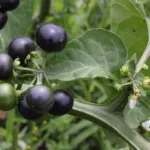 Garden Huckleberry (Solanum scabrum) care guideSolanum scabrum
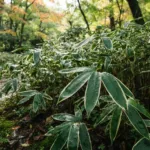 Veitch’s Bamboo (Sasa veitchii) care guideSasa veitchii
 Algerian Iris (Iris unguicularis) care guideIris unguicularis
 Wild basil (Ocimum gratissimum) care guideOcimum gratissimum
 Wild Rosemary (Andromeda polifolia) care guideAndromeda polifolia
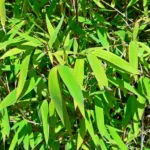 Chinese Fountain-bamboo (Fargesia nitida) care guideFargesia nitida
 Narihira Bamboo (Semiarundinaria fastuosa) care guideSemiarundinaria fastuosa
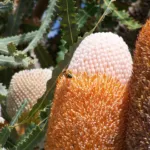 Acorn banksia or orange banksia (Banksia prionotes) care guideBanksia prionotes
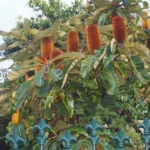 Swamp Banksia (Banksia robur) care guideBanksia robur