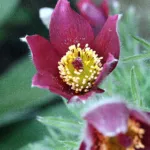
Few spring perennials make such a memorable entrance as pasque flower. Before many borders have properly woken up, its silky stems push through the soil and open into nodding violet, pink, red or white flowers. Later, the blooms give way to feathery seed heads that shimmer in the breeze.
The botanical name is Pulsatilla, and the best-known garden species is Pulsatilla vulgaris. It is a compact, long-lived perennial for full sun, rock gardens, gravel borders and the front of a perennial bed. Its main secret is simple: give it excellent drainage, avoid unnecessary disturbance and do not overwater it.
Why grow pasque flower?
Pasque flower earns its place in the garden through several seasons of interest. The flowers appear in early to mid-spring, often before taller perennials have developed enough foliage to compete with them. After flowering, the finely divided leaves form a neat, low clump, while the silky seed heads add a second decorative display.
Most garden forms stay relatively small, generally reaching about 8 to 12 inches tall and wide. That makes them especially useful in places where a large perennial would overwhelm the planting.
- Flowering period: usually March through May, depending on climate and species.
- Light: full sun is best; light afternoon shade can help in very hot regions.
- Soil: fertile but sharply drained, preferably gritty or sandy loam.
- Garden role: rock gardens, gravel gardens, raised beds, containers and sunny border edges.
- Maintenance: low once established, provided winter and summer drainage are good.
Choosing the right pasque flower
When shopping in the United States, you may find several species and cultivars sold under the common name pasque flower. Pulsatilla vulgaris is the classic European garden species, with large violet-purple flowers and finely cut foliage. Cultivars may offer white, pink, red or darker purple blooms, along with single, semi-double or double flowers.
North American species such as Pulsatilla patens and related prairie forms are also worth considering where available. They can differ in flower color, foliage, mature size and seed behavior, so read the plant label carefully rather than assuming every pasque flower grows identically.
Popular forms to look for
- ‘Alba’ or white-flowered selections: useful for brightening a gravel garden or pairing with blue bulbs.
- ‘Rubra’: generally associated with red or reddish-purple flowers.
- ‘Papageno’ types: often have more numerous or semi-double petals and a fuller appearance.
- ‘Sissinghurst White’ and other named cultivars: attractive choices when you want a more predictable flower color.
Named cultivars are usually the better choice if you want a specific color. Seed-grown plants may vary, particularly if several forms grow near one another and cross-pollinate.
Where to plant pasque flower
Choose the sunniest, best-drained site you have. Six or more hours of direct sun is a useful target, although a little late-day shade can be welcome in hot, humid parts of the country. In cooler regions, full sun helps the plant flower strongly and keeps the foliage compact.
Pasque flower is a natural fit for a rock garden, raised bed or gravel border. It also works well near paths, where you can appreciate the flowers and seed heads up close. Avoid planting it in a low pocket where rainwater collects or beside a downspout.
Soil preparation
Drainage matters more than rich soil. If your garden soil is heavy clay, improve the planting area by creating a raised mound or sloping bed rather than simply digging a small hole and filling it with loose material. A pocket of amended soil surrounded by wet clay can still hold water around the roots.
- Loosen the soil deeply enough to accommodate the root system without bending it.
- Blend in grit, coarse sand or fine gravel where appropriate to improve air movement and drainage.
- Add a modest amount of compost if the soil is poor, but avoid turning the bed into a rich, moisture-retentive mix.
- Keep mulch away from the crown, the point where the roots and shoots meet.
A soil test can help if you are unsure about pH or fertility. Pasque flower is commonly grown in neutral to alkaline soils, but good drainage and sensible watering are usually more important than chasing a precise pH number.
Planting pasque flower successfully
Container-grown plants are easiest to establish in spring or early fall. In colder climates, spring planting gives a small plant more time to develop roots before winter. In areas with mild autumns, early fall planting can also work well, as long as the soil drains freely.
- Water the nursery plant before planting.
- Dig a hole slightly wider and no deeper than the root ball.
- Set the plant at the same depth it was growing in its container.
- Backfill gently, firm the soil lightly and water once to settle the roots.
- Add a thin layer of gravel around the plant, leaving the crown uncovered.
Handle the roots carefully. Pasque flower develops a substantial, sometimes taproot-like root system and does not appreciate repeated digging, splitting or transplanting. Give it the right location the first time whenever possible.
Watering: steady at first, restrained later
Newly planted pasque flower needs regular attention while it establishes. Water thoroughly when the upper few inches of soil begin to dry, then allow excess water to drain away. The goal is even moisture around the roots, not constantly wet soil.
For a simple, measurable routine, place a small rain gauge near the planting area and check the soil with your finger or a narrow trowel. During the first growing season, record rainfall once a week and inspect the soil about 2 inches below the surface. If it feels dry at that depth and the plant is not receiving meaningful rain, water slowly at the base until the planting area is moist but not saturated.
Once established, pasque flower usually tolerates short dry spells, especially in a cool, well-drained site. In hot summer climates, it may need supplemental water during prolonged drought. Water early in the day and keep foliage as dry as practical.
A useful home growing trial
If you are unsure how much water your site holds, try a small comparison. Plant one specimen in ordinary garden soil and another in a slightly raised, gritty bed with the same light exposure. Check both locations after rain and again two days later. The plant in the better-drained position will usually show firmer growth and less lingering soil moisture. This simple trial can tell you more about your garden than a generic watering schedule.
Understanding the flowering cycle
Pasque flower’s flower stems often appear before the leaves fully expand. The hairy stems may be only a few inches tall when the buds open, then lengthen as the flowers fade. Blooms can face upward or nod slightly, depending on the plant and weather.
After flowering, the foliage becomes more prominent and the familiar silky seed heads develop. These rounded clusters are ornamental enough to leave in place, particularly in a gravel or prairie-style planting.
You have two choices after blooming:
- For a tidy display: remove faded flowers before seed heads develop, but leave the foliage to feed the root system.
- For seed collection or natural spread: leave several flower heads in place until the silky plumes are fully formed.
Do not cut the plant down immediately after flowering. The leaves continue supporting the perennial, and removing them too early can weaken future growth.
Routine care through the seasons
Spring
Clear winter debris from around the crown and watch for slugs feeding on emerging foliage or flowers. Water newly planted specimens when needed, but resist the temptation to fertilize heavily. A light spring application of balanced fertilizer is generally enough if the soil is poor; in fertile soil, feeding may not be necessary.
Summer
Keep competing weeds under control and continue checking moisture during hot, dry periods. In humid climates, avoid dense organic mulch that holds moisture around the crown. A gravel mulch is often a better fit.
Fall and winter
Allow the foliage to decline naturally unless it becomes diseased or damaged. In regions with severe freeze-thaw cycles, a light, airy mulch of pine needles or clean straw can protect young plants, but do not smother the crown. The most important winter protection is free drainage.
How to propagate Pulsatilla
Propagation is possible from seed, root cuttings or division, but fresh seed is often the most practical method for home gardeners. Older plants can have deep, easily disturbed roots, so division is not always successful.
Growing pasque flower from seed
Collect seed when the feathery heads are mature and begin to loosen. Fresh seed is generally preferable to old, dry seed because viability can decline during storage. Sow it promptly in a gritty seed-starting mix or directly into a prepared nursery area.
- Fill a small pot or deep cell with a well-drained seed mix.
- Sow the seed shallowly and cover it only lightly.
- Keep the mix evenly moist, never waterlogged.
- Place the container outdoors in a protected spot so natural temperature changes can assist germination.
- Move seedlings carefully while they are still small, before the root becomes strongly established.
Germination may be uneven. Some seed sprouts within a few weeks, while other seed may wait until the following season. If you are using commercially stored seed, follow the packet directions; a period of cold, moist conditions may be recommended.
Seedlings may take several years to reach flowering size. Be patient and avoid repeatedly potting them up. A deep container gives the root more room and reduces the need for disruptive transplanting.
Root cuttings and division
Root cuttings are usually taken during dormancy, but this technique is best reserved for experienced gardeners because the parent plant can be damaged. Division can work with a young, vigorous clump, yet older specimens often have a single strong root that resists separation.
If you must move or divide a plant, work during dormancy or just as growth begins. Lift a generous root ball, keep the roots from drying out and replant immediately. Expect some setbacks, and do not divide a treasured specimen unless you are willing to accept a lower success rate than you might get with easier perennials.
Common problems and practical fixes
- Few or no flowers: check light first. Too much shade is a common cause.
- Yellowing or collapsing growth: inspect drainage and reduce watering if the soil stays wet.
- Small holes in new foliage: look for slugs, especially during cool, damp spring weather.
- Plant fails after transplanting: root disturbance may be the cause. Leave established plants in place whenever possible.
- Seedlings vary from the parent: this is normal when growing open-pollinated plants from seed.
Wear gloves if the sap irritates your skin, and keep plant material away from children and pets that may chew garden plants. Do not use pasque flower as an herbal remedy or ingest any part of it without qualified professional guidance.
Make room for this early-spring gem
Pasque flower rewards the gardener who gets the basics right: strong light, excellent drainage, careful watering and a hands-off approach once the plant settles in. Its flowers are beautiful, but the silky seed heads and finely cut foliage make it more than a brief spring visitor.
Start with a healthy container-grown plant if you want quick results, or sow fresh seed if you enjoy a slower propagation project. With the right site, Pulsatilla can return every spring for years, bringing an unexpectedly elegant burst of color to the season’s earliest garden.