
 Source:
 Pasque flower (or pasqueflower) (Pulsatilla) short overview
Pulsatilla, commonly called pasque flower (or pasqueflower), is a genus of hardy herbaceous perennials valued for silky, finely divided foliage, early spring flowers, and distinctive feathery seed heads. Species occur across temperate and subalpine regions of the Northern Hemisphere, with different forms suited to meadows, prairies, alpine settings, and rock gardens. In cultivation, most prefer full sun, sharply drained soil, and minimal disturbance once established.
Taxonomic classification
Pasque flower (or pasqueflower) (Pulsatilla) care guide
Light and placement
Give full sun, ideally with an unobstructed southern or western exposure and good air movement. Morning sun with afternoon shade can work in very hot climates, but heavy shade causes weak, floppy growth and fewer flowers. Pale, stretched foliage suggests insufficient light; scorched foliage usually reflects heat, drought, or root stress rather than excessive sunlight alone.
Watering and humidity
Water deeply but infrequently once established, allowing the upper soil to dry between waterings. During the first season, provide steady moisture without saturating the crown. Reduce watering during cool, wet weather and after dormancy; in containers, check more often because gritty mixes dry quickly. High humidity is tolerated when drainage and air circulation are excellent.
Soil and growing medium
Use sharply drained, moderately fertile soil with a sandy, gritty, or rocky structure. Many species tolerate neutral to slightly alkaline conditions, and calcareous soils suit several temperate forms. Avoid heavy clay, stagnant winter moisture, and rich soil that encourages weak growth. In containers, use a mineral-rich perennial or rock-garden mix with excellent drainage.
Feeding
Do not routinely apply high-nitrogen fertilizer. At planting, incorporate only a modest amount of mature compost if the soil is poor. In established beds, a light spring dressing of balanced slow-release fertilizer is usually sufficient, and feeding can be skipped in fertile soil. Avoid late-season fertilization, which may promote soft growth and reduce winter readiness.
Growth and habit
Plants form long-lived clumps from a persistent rootstock and often emerge early in the season. They are generally slow to establish and may decline if repeatedly moved, divided, overfed, or grown in saturated soil. Leave the crown undisturbed once plants are settled, and allow the seed heads to mature if natural reseeding is desired.
Planting and repotting
Plant nursery-grown specimens in spring or early fall while the soil is workable. Set the crown at the same level as in the container; do not bury it deeply. Allow room for the clump to develop, and water carefully during the first growing season while preserving excellent drainage.
Avoid routine repotting because Pulsatilla develops a deep, sensitive root system. If container culture is necessary, move young plants into a deep pot in early spring or soon after dormancy, disturbing the roots as little as possible. Choose a free-draining mix and do not leave the pot standing in water.
Propagation and pruning
Propagation
Fresh seed is the most reliable method and is best sown as soon as it ripens or given appropriate cold, moist stratification before spring sowing. Germination and establishment can be slow. Division is possible for established clumps but may be risky because the roots resent disturbance; divide only when necessary and replant immediately.
Pruning
Remove damaged foliage only after it has yellowed naturally. Deadhead if seed production is not wanted, but leaving the distinctive seed heads provides ornamental interest. Avoid cutting into the crown or removing healthy early foliage before it completes seasonal growth.
Overwintering
Most species are outdoor hardy in suitable USDA zones and need no indoor wintering. Keep crowns in well-drained soil, avoid winter wet, and do not pile wet mulch over the crown. Container-grown plants are more exposed to root freezing; use a larger insulating container or shelter it in an unheated, protected location while keeping the mix only lightly moist.
Uses
Primarily ornamental, Pulsatilla is useful in rock gardens, alpine troughs, gravel plantings, prairie-style borders, and early-season perennial displays. Its feathery seed heads add architectural interest after flowering. It is not an edible plant, and traditional medicinal references should not be treated as evidence of safe home use.
Appearance
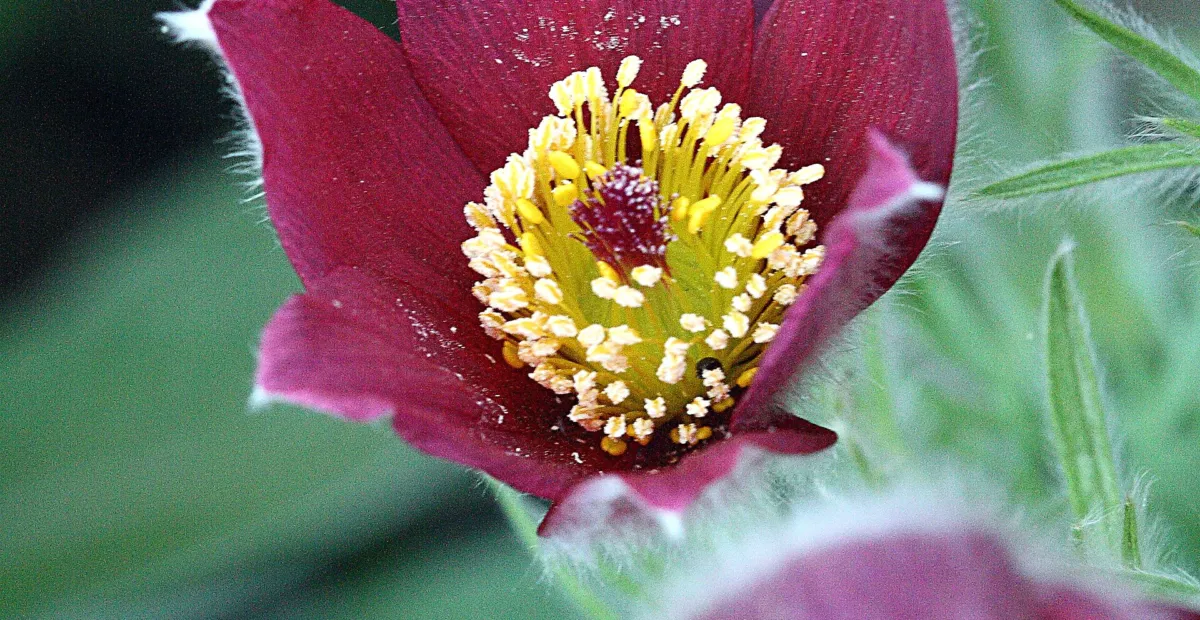
The genus is recognized by finely divided, often silky-hairy leaves and solitary flowers held on short to moderately tall stems. The foliage may appear with or soon after flowering. After bloom, the persistent styles elongate into conspicuous silver-gray, feathery tails surrounding each seed head, giving the plant a distinctive soft-textured appearance.
Flowering
Pulsatilla species produce solitary, usually nodding, cup-shaped flowers above or among the new foliage. Bloom is typically concentrated in spring, although the exact month varies widely by species, latitude, elevation, and local climate. Flowers are followed by conspicuous clusters of long-tailed achenes that create a silky, feathery display.
Pollination and visitors
Open, early-season flowers can be visited by bees, bumblebees, and other insects active in cool spring conditions. Visitor activity varies with flower structure, weather, species, and local insect populations; genus-level evidence does not support naming one single primary pollinator species.
Pulsatilla photos
Click any photo for a larger view. Source, author and license are shown separately.
Diseases and pests
Diseases
The main concern is root or crown rot caused by persistently wet soil. Improve drainage, avoid overwatering, provide good air movement, and remove badly rotted material. Gray mold may appear during prolonged cool, wet weather; remove affected tissue and reduce leaf wetness. Correct site conditions are more important than routine fungicide use.
Pests
Slugs and snails may damage emerging foliage in damp gardens. Aphids can gather on tender growth, while rabbits or deer may browse plants locally. Reduce sheltering debris, keep plants growing in open conditions, and use hand removal or proportionate controls when damage is significant.
Related diseases and pests
Only Plant Doctor profiles whose host data indicate this plant may be affected are shown here.

Toxicity and pollen
Pulsatilla belongs to a plant family containing irritant compounds, and fresh tissues can cause skin irritation or gastrointestinal symptoms if eaten. Toxicity information is not equally detailed for every species in the genus, so handle plants with gloves, keep plant material away from children and pets, and do not ingest it.
- Typical season
- Typically March through May in much of the United States, depending on species and climate.
- Pollination / pollen
- Insect-dispersed pollen
Pulsatilla flowers release pollen primarily during insect visits rather than as a large airborne cloud. The genus should not automatically be treated as allergy-free, but widespread high airborne-pollen risk is not well documented. People with plant sensitivities should avoid rubbing the eyes after handling and wash hands after garden work.
Native habitat
Pulsatilla is native mainly to temperate and subalpine regions of the Northern Hemisphere, including open grasslands, prairies, rocky slopes, alpine meadows, and light woodland margins. Natural populations commonly experience strong drainage, seasonal moisture, exposure, and relatively low competition from dense taller vegetation.
Interesting fact
The genus is distinguished by persistent styles that become long, feathery tails on the achenes. Many species flower very early, sometimes while surrounding vegetation is still sparse. Taxonomic boundaries between Pulsatilla and Anemone have been debated, but major modern taxonomic resources accept Pulsatilla as a distinct genus.
Frequently asked questions (FAQ)
The most relevant questions about this plant, with short and direct answers.
🌱Quick care
What is Pulsatilla commonly called?⌄
Pulsatilla is commonly called pasque flower or pasqueflower. The name usually refers to early-spring species such as Pulsatilla vulgaris, although the genus includes several related species.
Is pasque flower perennial?⌄
Yes, pasque flower is a hardy herbaceous perennial that returns from a long-lived crown each spring. It forms a compact clump and is generally low maintenance once established.
🌤️Environment and placement
How much sun does pasque flower need?⌄
Grow pasque flower in full sun, ideally with at least 6 hours of direct light daily. Light afternoon shade can work in hot climates, but insufficient sun may reduce flowering and produce weaker growth.
What USDA hardiness zones can grow pasque flower?⌄
Many commonly cultivated pasque flowers, especially Pulsatilla vulgaris, are hardy in approximately USDA Zones 4 through 8. Exact hardiness varies by species and cultivar, so check the plant label for regional limits.
What soil is best for Pulsatilla?⌄
Pulsatilla grows best in sandy, gritty, or rocky soil that drains sharply. It can tolerate several soil pH levels, but persistently wet or heavy clay soil can cause crown and root problems.
Can pasque flower grow in a rock garden?⌄
Yes, pasque flower is well suited to rock gardens, scree beds, gravel gardens, and the front of perennial borders. These settings provide the excellent drainage and open sunlight the plant prefers.
Can pasque flower tolerate drought?⌄
Yes, established pasque flower tolerates relatively dry conditions, particularly in cool climates and sharply drained soil. Water new plants regularly until rooted, and provide occasional deep watering during extended summer drought.
💧Care and problems
How often should I water pasque flower?⌄
Water pasque flower moderately while it is establishing, then allow the soil to dry somewhat between waterings. Established plants are fairly drought tolerant, but they may need supplemental water during prolonged heat or drought.
Does pasque flower need fertilizer?⌄
Pasque flower usually needs little fertilizer when planted in reasonably fertile soil. Avoid heavy feeding, especially high-nitrogen fertilizer, because it can encourage soft foliage instead of compact, flower-rich growth.
Should pasque flower be left undisturbed?⌄
Yes, pasque flower generally performs best when left undisturbed after planting. Its deep or sensitive root system can make transplanting and repeated division difficult, so choose the site carefully from the beginning.
Why is my pasque flower not blooming?⌄
The most common causes of poor flowering are insufficient sunlight, excessive soil moisture, root disturbance, or a young plant that has not established. Move or divide it only when necessary, and improve drainage rather than adding heavy fertilizer.
What pests and diseases affect pasque flower?⌄
Pasque flower usually has few serious disease or insect problems. Slugs may damage flowers, and deer can browse plants in some regions, although susceptibility varies with local wildlife pressure.
🪴Planting and repotting
Can pasque flower grow in containers?⌄
Yes, pasque flower can grow in a container with a gritty, fast-draining potting mix and adequate drainage holes. Choose a container large enough for the root system and protect it from excessive winter wetness.
When is the best time to plant pasque flower?⌄
Plant pasque flower in spring or fall when temperatures are moderate and the soil is workable. Fall planting can allow root establishment before winter, while spring planting is useful in colder areas or when plants are purchased in bloom.
How do I plant pasque flower without causing root problems?⌄
Plant pasque flower at the same depth as it was growing in its container, keeping the crown near the soil surface. Handle the root ball gently, backfill with well-drained soil, and water once to settle the roots.
Can pasque flower be transplanted?⌄
Pasque flower can be transplanted, but it resents root disturbance and may take time to recover. If moving an established plant, retain as much of the root system as possible and avoid transplanting during hot, dry weather.
✂️Propagation and pruning
How do you propagate pasque flower from seed?⌄
Sow pasque flower seeds when they are ripe, either directly outdoors or in small containers. Seedlings should be transplanted while still small because older plants develop roots that are more difficult to disturb successfully.
Does pasque flower self-seed?⌄
Yes, pasque flower may self-seed if its silky seed heads are allowed to mature. Seedlings may appear near the parent plant, although germination and establishment can be uneven and cultivar seedlings may not reproduce the parent’s exact traits.
Can pasque flower be propagated by division?⌄
Yes, mature pasque flower can sometimes be divided, with one established plant potentially producing several divisions. Division is best done carefully and only when necessary because Pulsatilla generally dislikes root disturbance.
Can you propagate Pulsatilla from root cuttings?⌄
Yes, root cuttings are a recognized propagation method for Pulsatilla and are generally taken during winter dormancy. This technique is more specialized than sowing seed and should be performed without damaging the parent crown.
Do you cut back pasque flower after it blooms?⌄
Pasque flower does not require routine pruning after flowering. Leave the foliage to support the crown, and remove spent flowers only if you want to limit self-seeding; the ornamental, silky seed heads can also be left in place.
⚠️Toxicity and safety
Is pasque flower poisonous to humans?⌄
Yes, all fresh parts of pasque flower should be treated as poisonous if eaten and potentially irritating when handled. Ingestion can cause severe mouth irritation, digestive upset, vomiting, or diarrhea, while sap may cause dermatitis and blistering.
Can pasque flower cause a skin reaction?⌄
Yes, fresh pasque flower sap can irritate skin and may cause inflammation, blistering, or contact dermatitis. Wear gloves when handling the plant, avoid touching your face, and wash exposed skin and tools afterward.
Is pasque flower safe around pets?⌄
Pasque flower should not be considered safe for pets to eat because Pulsatilla contains irritating compounds and is toxic when ingested. Keep animals from chewing the plant and contact a veterinarian promptly if ingestion occurs.
Can you eat pasque flower or use it as an herbal remedy?⌄
No, do not eat fresh pasque flower or prepare it for self-treatment. Despite historical medicinal use, the plant is toxic and irritating, and improper preparation or dosing can cause serious harm.
🌸Flowering and special interest
When does pasque flower bloom?⌄
Pasque flower typically blooms in early spring, often from March through May depending on species, cultivar, and local climate. Its name refers to the plant’s traditional flowering period around Easter or the spring Paschal season.
How long do pasque flower blooms last?⌄
Individual pasque flower blooms commonly remain attractive for several days to a few weeks, while the overall display depends on weather and the number of flowers. The silky seed heads provide additional ornamental interest after blooming.
What do pasque flower seed heads look like?⌄
After flowering, pasque flower produces rounded, silky, plume-like seed heads. These spherical clusters are often decorative and can persist into summer, giving the plant visual interest after the flowers fade.
What colors do pasque flowers come in?⌄
Pasque flowers are commonly violet, purple, reddish, pink, or white, depending on the species and cultivar. The flowers are usually solitary and bell-shaped or cup-shaped, with hairy stems and surrounding foliage.
Similar plants
 Azure Monkshood (Aconitum carmichaelii) care guideAconitum carmichaelii
 Monkshood (Aconitum ‘Stainless Steel’)Aconitum 'Stainless Steel'
 Monkshood (Aconitum ‘Bressingham Spire’)Aconitum 'Bressingham Spire'
 Golden full moon maple (Acer shirasawanum ‘Aureum’)Acer shirasawanum 'Aureum'
 Globosum (Acer platanoides ‘Globosum’)Acer platanoides 'Globosum'
 Striped maple (Acer pensylvanicum) care guideAcer pensylvanicum