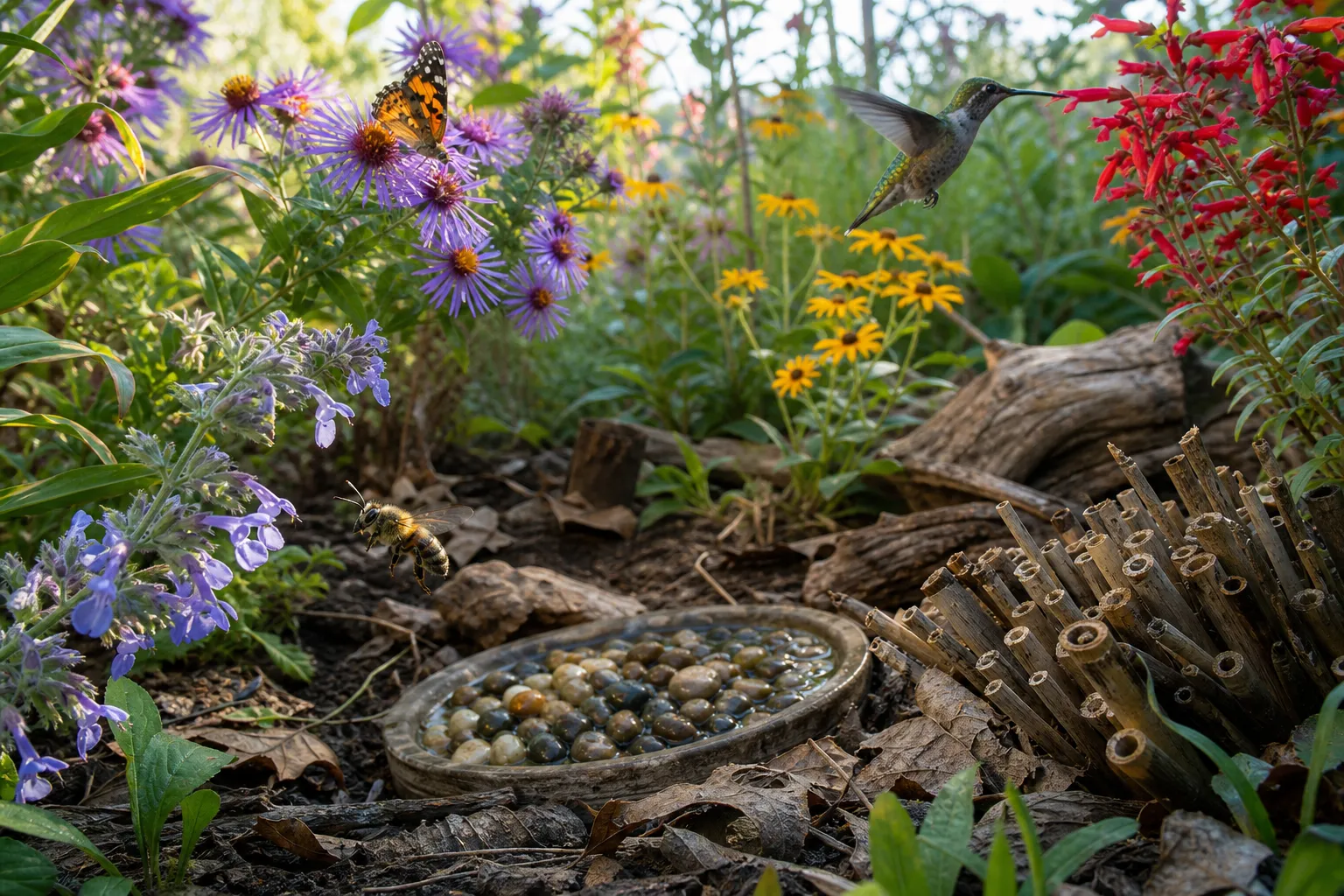
You may judge a garden by its color, tidy edges and the number of flowers in bloom. Pollinators use a different checklist. They notice scent trails, ultraviolet patterns, the distance between food and shelter, whether a patch of soil stays undisturbed, and whether your garden offers anything to eat next week—not just today.
That is good news for gardeners. You do not need a perfect landscape or a large property to make your yard more useful. A few thoughtful changes can turn a decorative planting into a small but valuable habitat for bees, butterflies, moths, flower flies, hummingbirds and other visitors.
Your garden has a visual language humans cannot fully see
Many flowers advertise themselves with color, shape and scent, but pollinators do not experience those signals exactly as we do. Bees, for example, can detect ultraviolet patterns on some flowers. These markings may act like landing guides, directing an insect toward pollen or nectar.
A flower that looks like a plain yellow disk to you may have a much more detailed visual pattern to a bee. Butterflies and moths also respond to color and contrast, while hummingbirds are strongly drawn to certain bright, tubular flowers. The practical lesson is not to chase unusual varieties, but to grow a generous mix of flower shapes and colors.
Try comparing flower forms
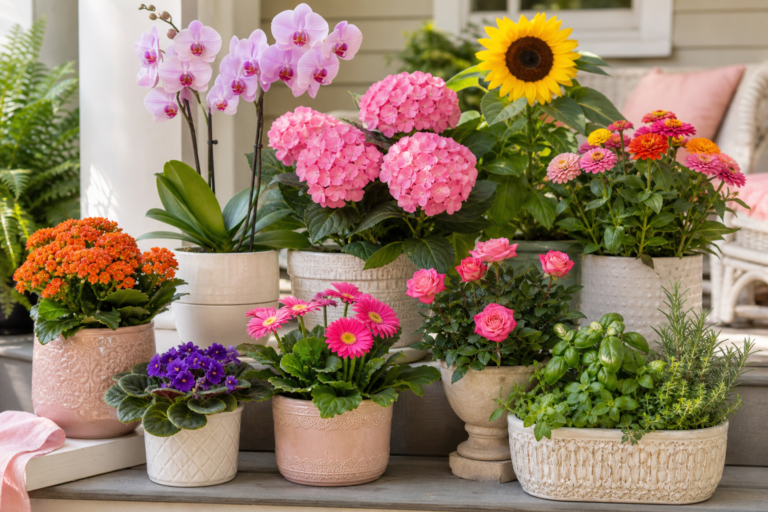
For one season, plant several types of flowers close together and watch who visits. Compare flat, open flowers such as asters or yarrow with tubular flowers such as native penstemons or cardinal flower, and with clustered blooms such as mountain mint or goldenrod.
- Flat flowers give short-tongued insects easy access to pollen and nectar.
- Tubular flowers can suit hummingbirds, butterflies and bees with longer tongues.
- Flower clusters create a larger visual target and let insects move efficiently from bloom to bloom.
Keep a simple note of the visitors you see, the time of day and the weather. Your observations will not replace formal research, but they can reveal which plants perform best in your particular yard.
Pollinators count flowers differently than you do
One impressive flowering plant is attractive to people, but a wide, connected patch is often more useful to insects. When you group several plants of the same species together, a bee can collect resources without spending as much energy flying between isolated blossoms.
This does not mean every bed should look like a monoculture. Aim for repeated clumps of several plant species rather than one specimen of everything. Three or five plants of one kind, repeated through a border, can create a more noticeable and efficient food source than a scattered collection of individual plants.
A useful small-space arrangement
- Choose three to five regionally appropriate flowering plants.
- Plant each kind in a small group rather than spacing specimens evenly across the yard.
- Repeat the groups where you have room.
- Include plants that bloom in spring, summer and fall.
In the United States, the best plant choices vary by region, soil and climate. A native-plant nursery, local extension office or state native plant society can help you select species that fit your area instead of relying on a generic national list.
The quiet weeks between blooms matter most
Humans tend to notice peak bloom. Pollinators notice the gaps. A garden filled with flowers in June may offer very little in early spring or late fall, when food can be harder to find.
Try mapping your garden’s bloom calendar. Walk through it every two weeks from the first spring flowers to the final fall blooms and write down what is open. Include trees and shrubs, which can provide some of the earliest abundant pollen and nectar, not just herbaceous perennials.
A strong sequence might include spring bulbs or native spring ephemerals, summer bee balm and mountain mint, and late-season asters and goldenrods. In warm regions, the calendar may stretch much longer; in colder climates, the growing season may be shorter but still benefit from careful planning.
Use a simple bloom audit
- List every flowering plant in your yard.
- Record its approximate bloom month.
- Mark any month with few or no flowers.
- Add one or two plants suited to that missing period.
Do not worry if your garden takes several years to fill in. Pollinator habitat often improves gradually as plants establish and the surrounding structure becomes more diverse.
Leaves, stems and bare soil are not mess—they are addresses
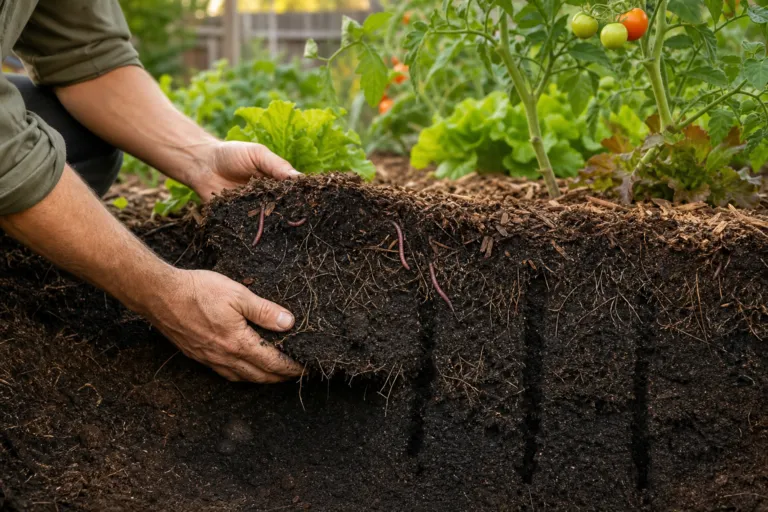
A polished garden may look finished after you remove fallen leaves, cut every stem and cover every patch of soil with mulch. To pollinators, those actions can erase important living space.
Many native bees nest in bare or lightly vegetated soil. Other bees use hollow stems, soft plant centers, beetle holes in dead wood or small cavities. Butterflies and moths may depend on particular host plants for their caterpillars, even when adult butterflies visit different flowers for nectar.
That means a flower-only garden is incomplete. Pollinators need places to lay eggs, shelter from weather and predators, overwinter and raise the next generation.
Make room for overlooked habitat
- Leave a small sunny patch of well-drained soil uncovered.
- Delay cutting hollow or pithy stems until late spring, then leave some cut stems in a loose bundle.
- Keep a modest layer of leaf litter in an out-of-the-way area.
- Leave a fallen branch or small piece of untreated dead wood where it will not create a safety problem.
- Grow host plants, including regionally appropriate native plants used by caterpillars.
Skip commercial “bee hotel” products unless you are prepared to maintain them properly. Poorly maintained nesting blocks can become damp or contaminated. Natural nesting features—soil, stems, leaf litter and wood—are often the simplest starting point.
Pollinators notice how far they must travel
A garden can contain food, water and shelter yet still be awkward to use if those resources are widely separated. Bees especially benefit when nesting places sit close to flowering plants. A ground-nesting bee should not have to cross a large lawn to reach every meal.
Look at your yard from ground level. Is there a sheltered route from the flower bed to a brushy edge, hedge, tree, unmown strip or patch of soil? Even a narrow planting along a fence can connect separate habitat areas.
You can create this connection by adding native shrubs, bunch grasses, low-growing plants or a second small flower bed. Neighboring yards also matter, so a few modest pollinator plantings along one block can function as a more useful network than one isolated display.
Water is more complicated than a birdbath
Pollinators need water, but a deep, slippery basin is not designed for small insects. Bees and butterflies need safe landing places, and some butterflies seek damp soil or mud rather than open water.
Try placing a shallow dish near flowers and filling it with pebbles, sand or sticks that rise above the waterline. Refresh it regularly so it stays clean and does not become a hazard. A shallow muddy area in a safe spot can also provide minerals and material used by some insects.
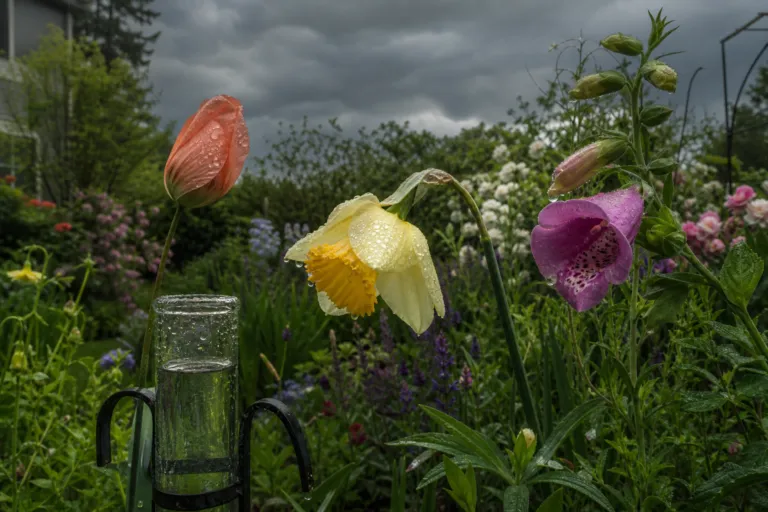
Measure your watering instead of guessing. Set a straight-sided rain gauge or an empty tuna can near the bed, run your irrigation for 15 minutes, and measure the collected water. If the bed receives one-half inch, you know you need another watering session to reach a one-inch weekly target during establishment, adjusted for rainfall, soil and local conditions.
Newly planted gardens generally need the most attention during their first weeks. Water slowly enough to soak the root zone, then check the soil a few inches below the surface before watering again. Once well-established, many regionally native plants need far less supplemental water, although containers and unusually hot or dry weather require closer monitoring.
They notice what happens after sunset
Daytime visitors are only part of the story. Moths and other nighttime pollinators may be active when your garden appears empty. Strong outdoor lighting can alter the nighttime environment and draw insects away from feeding or movement routes.
Where practical, use warm-colored, shielded lights and turn them off when they are not needed. Avoid aiming bright lights directly into flower beds, shrubs or trees. A darker corner can be one of the easiest habitat improvements you make.
A chewed leaf can be a sign of success
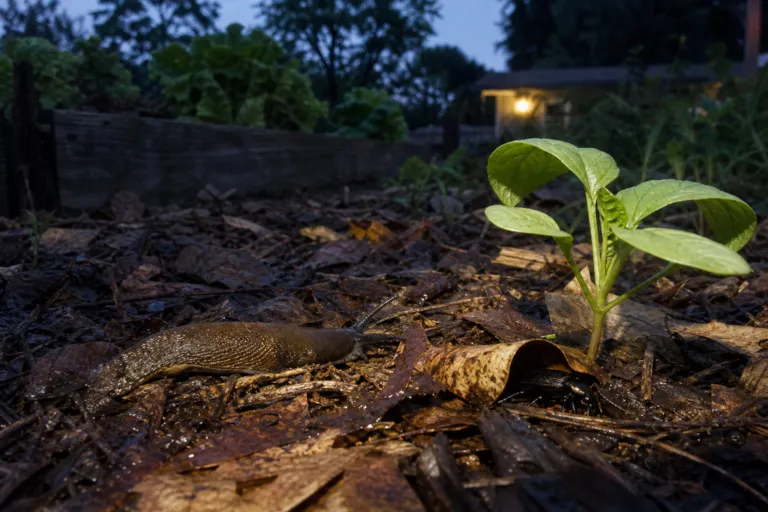
Gardeners often react to leaf damage before identifying the insect responsible. Yet some feeding is a normal part of a living garden, and caterpillars are essential food for many birds and eventually become moths or butterflies.
Before reaching for a treatment, inspect the plant. Is the damage minor? Is the plant still growing? Are beneficial insects already present? A few nibbled leaves may indicate that your garden is supporting more life than a spotless bed would.
If a serious pest problem develops, first identify the pest and consider nonchemical options such as hand removal, pruning affected material or improving plant health. If you do use a pesticide, read and follow the label, avoid treating open flowers, and prevent drift onto nearby blooms. “Organic” does not automatically mean harmless to pollinators.
What your garden smells like changes with the weather
People often choose flowers for fragrance, but pollinators experience scent at a much finer scale. Warm, still conditions can make floral odors easier to detect, while wind and rain may disperse or suppress them. Some flowers release their strongest scent at night, when moths are active.
Rather than planting only highly fragrant ornamentals, include plants with different flower forms and bloom times. Observe which plants attract visitors in the morning, afternoon and evening. A short garden journal can reveal patterns you would otherwise miss.
The pollinator test: five questions to ask
Walk your garden with these questions in mind:
- Is something flowering during every part of the local growing season?
- Are flowers planted in groups large enough for insects to find easily?
- Can pollinators reach soil, stems, leaves, wood and water without crossing a hostile lawn?
- Have you left some shelter and nesting material in place?
- Are your maintenance habits keeping flowers and habitat free from unnecessary pesticide exposure?
You do not need to solve every problem at once. Add one late-blooming plant, leave one patch of leaves, reduce mowing in one corner or measure your irrigation more carefully. Small changes become meaningful when they remain in place from season to season.
See your garden through their eyes
A pollinator-friendly garden is not simply a collection of pretty flowers. It is a working landscape with food, shelter, nesting sites, water and safe passage. The details humans often overlook—bare soil, fading stems, fallen leaves, a dark corner or a slightly chewed leaf—may be the details that make the difference.
So keep watching. Compare varieties, record bloom times, measure your watering and notice who arrives at different hours. The more closely you observe, the more your garden becomes a conversation with the wildlife that depends on it—and the easier it becomes to give them exactly what they need.