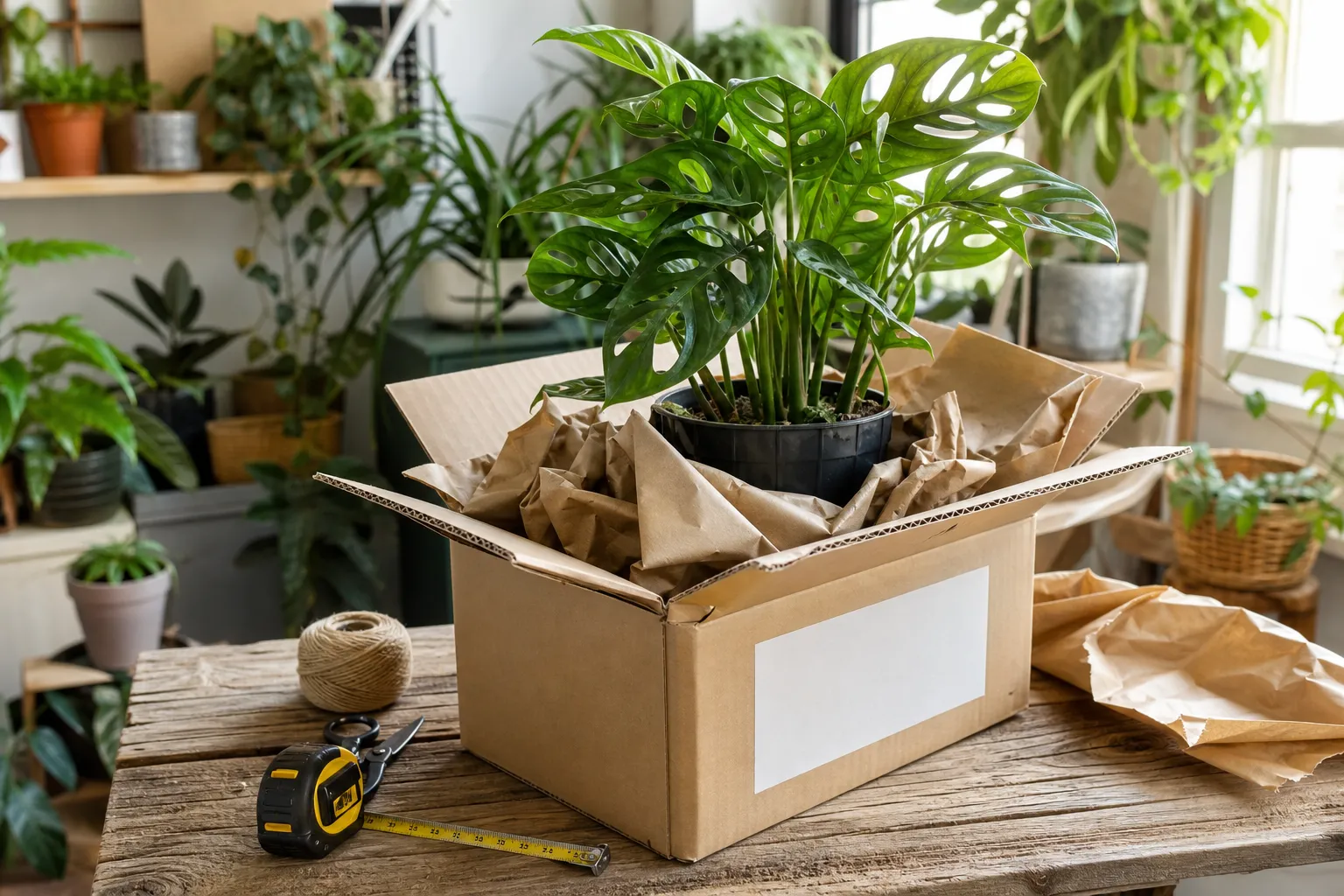
You find a small houseplant online for $18, add it to your cart, and then reach checkout. Suddenly, shipping costs another $18—or even $30. It can feel absurd: the plant is small, light, and nowhere near as complicated as a piece of furniture.
But a live plant is not an ordinary parcel. It is fragile, perishable, oddly shaped, sensitive to temperature, and vulnerable to drying out, crushing, and rough handling. The seller is not simply paying to move a box from one address to another. They are paying to keep a living organism healthy while it travels through warehouses, trucks, sorting equipment, weather systems, and delivery routes.
Here is where that cost comes from—and what you can do to make online plant purchases more economical.
A live plant needs a custom shipping system
Most products are designed to fit neatly into standard cartons. Houseplants rarely cooperate. A trailing pothos may need a tall box, a compact succulent may need extra cushioning, and a young fiddle-leaf fig may require support around its leaves and pot.
The package must accomplish several jobs at once:
- Hold the pot and plant firmly so they do not shift.
- Protect leaves, stems, and growing tips from impact.
- Prevent damp soil or growing media from leaking.
- Allow enough air exchange to reduce problems during transit.
- Keep roots from drying out completely.
- Survive conveyor belts, stacking, vibration, and occasional drops.
That often means a custom-fit box, stakes or cardboard supports, paper padding, plastic sleeves, waterproof wrapping, tape, labels, and sometimes a heat or cold pack. Even when the plant itself weighs only a pound or two, the packaging can add considerable size and dimensional weight.
Box size can matter more than plant weight
Many shipping companies calculate part of their pricing using dimensional weight. In simple terms, the carrier looks at how much space a package occupies, not just how much it weighs. A tall box containing a leafy plant may cost more to ship than a heavier but compact household item.
This is one reason a plant with a lightweight plastic pot can still have a surprisingly high shipping charge. The seller may need a box that is 24 inches tall to protect the foliage, even if the plant weighs only 3 pounds.
Large plants are especially expensive because they create a difficult combination: low weight, high volume, and a shape that cannot be compressed. A wide plant may also require an oversized carton, which can trigger additional carrier fees.
Packaging takes time—and skilled labor
Shipping a houseplant is not always a quick “pick, pack, and label” job. Before the plant enters a box, a nursery worker may need to inspect it, remove damaged leaves, secure loose stems, check for pests, stabilize the pot, and adjust the soil moisture.
Then comes the packing process. A careful packer may:
- Choose a carton that leaves enough room for protection but not enough room for the plant to rattle.
- Wrap the pot or root area so moist growing media cannot spill.
- Anchor the pot to the bottom or sides of the box.
- Support the foliage without bending it sharply.
- Add cushioning around vulnerable leaves and stems.
- Seal and label the package for quick handling.
That labor is part of the shipping expense, even if it does not appear as a separate line on your invoice. A reputable seller is also paying for training and quality control. The goal is not merely to send the plant; it is to send a plant that still has a reasonable chance of looking good when it arrives.
Plants are sensitive to weather
Weather is one of the biggest reasons sellers do not ship plants exactly like books or clothing. A plant can spend hours in a hot delivery truck, on a cold loading dock, or outside on a porch in direct sun. A winter shipment may face freezing temperatures across several states, while a summer shipment can encounter extreme heat.
To reduce those risks, sellers may:
- Pause shipping during dangerous weather.
- Use faster service during temperature-sensitive periods.
- Ship early in the week to reduce the chance of a weekend delay.
- Add insulation or a seasonal heat pack.
- Ask the customer to monitor tracking and bring the package indoors immediately.
These precautions increase cost, but they can also prevent a much more expensive problem: a plant arriving dead or badly damaged and needing replacement.
Weather risk is not limited to the destination. A package may pass through several climates on its route. A plant traveling from Florida to Minnesota in January, for example, faces a very different journey from the same plant traveling within the Southeast.
Fast delivery protects the plant—but costs more
For many houseplants, the safest shipping window is short. The plant may tolerate a few days in a box, but every extra day increases the chance of dehydration, darkness-related stress, temperature exposure, or delayed delivery.
Faster services cost more because they use tighter delivery commitments and more expensive transportation networks. Sellers often choose expedited shipping when a plant is rare, delicate, freshly watered, or particularly vulnerable to cold or heat.
There is also a practical scheduling issue. A nursery may avoid sending a plant late in the week because a delay could leave it sitting in a warehouse over the weekend. Paying for a Tuesday or Wednesday shipment can reduce that risk, even when the package is not technically an overnight delivery.
Regulations add paperwork and handling requirements
In the United States, plant movement is regulated because plants and growing materials can carry insects, diseases, weeds, and other organisms that threaten agriculture or natural ecosystems. Requirements vary depending on the plant, its origin, and its destination.
Domestic shipments may be affected by federal or state quarantines, especially when a region is dealing with a serious agricultural pest or disease. Some plants or plant materials may need inspection, special documentation, or restrictions on movement. International shipments involve additional requirements and can require permits, certificates, approved packaging, and inspection.
Soil is another important factor. Growing media can provide a pathway for pests and is tightly regulated in many import situations. This is why international sellers may ship plants bare-rooted, in sterile media, or in specialized packaging rather than sending an ordinary potted plant.
These rules do not apply identically to every houseplant order, but responsible sellers must check them. Time spent verifying requirements, preparing paperwork, and directing shipments through approved channels becomes part of the overall cost.
The seller is pricing in the risk of damage
Even excellent packaging cannot guarantee a perfect journey. Leaves can snap, pots can crack, boxes can be delayed, and a plant can suffer from temperatures outside the seller’s control.
When a plant arrives damaged, many reputable businesses offer a replacement, refund, or store credit. That customer-service promise has a cost. Sellers must account for a percentage of shipments that will require extra attention or replacement plants.
Rare plants carry an even greater risk. A $20 common pothos is relatively inexpensive to replace. A mature, unusual cultivar worth $150 may represent years of propagation, growing space, and care. Its shipping price often reflects the value of the living inventory as well as the cost of transportation.
Why some plants cost more to ship than others
The plant’s shape, not just its price, often determines shipping difficulty.
Compact succulents
Small succulents are usually easier to pack because they have sturdy leaves and a compact growth habit. However, their pots still need protection, and loose soil can be messy. A ceramic container may cost more to ship than the plant itself because it is heavy and breakable.
Trailing plants
Pothos, string plants, tradescantias, and similar specimens can be lightweight but awkward. Their stems may tangle or break if compressed. Sellers often use taller cartons or carefully wrap the vines, increasing both labor and package volume.
Large-leaved plants
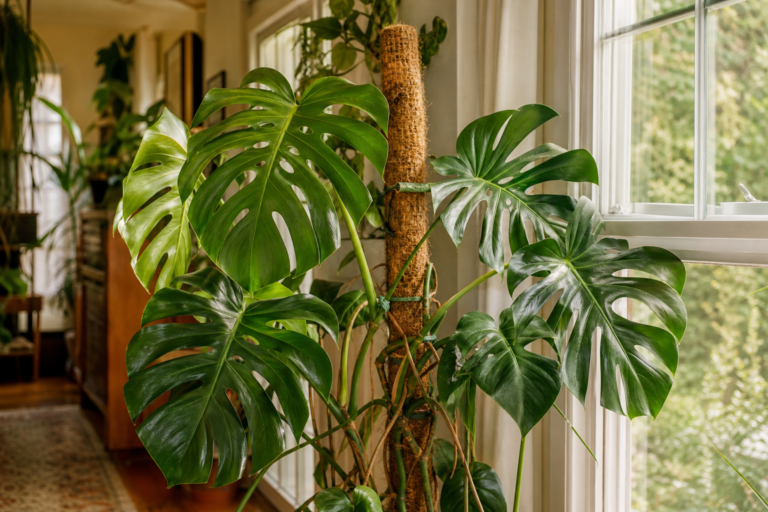
Plants such as monstera, bird of paradise, and fiddle-leaf fig need extra attention because their leaves crease, tear, or bruise easily. They may also need stakes or internal supports to prevent the main stem from moving.
Flowering plants
Plants in bloom may require especially gentle handling. Flowers and buds can drop during transit even when the plant remains healthy, so sellers may ship them only during favorable weather or use more protective packaging.
A simple home experiment: measure what the plant really needs
If you want to understand the difference between plant weight and shipping size, try a small packing experiment before placing your next order. Use a representative plant in a plastic nursery pot, not a valuable specimen.
Record these measurements:
- Plant height from the bottom of the pot to the tallest leaf.
- Maximum plant width.
- Pot diameter and total height.
- Weight after the seller’s likely moisture level.
- Outside dimensions of a protective box.
For example, a 2-pound plant may need a box measuring 10 by 10 by 24 inches. That box occupies far more carrier space than a 2-pound parcel measuring 10 by 8 by 6 inches. The comparison helps explain why shipping can feel disproportionate to the plant’s weight.
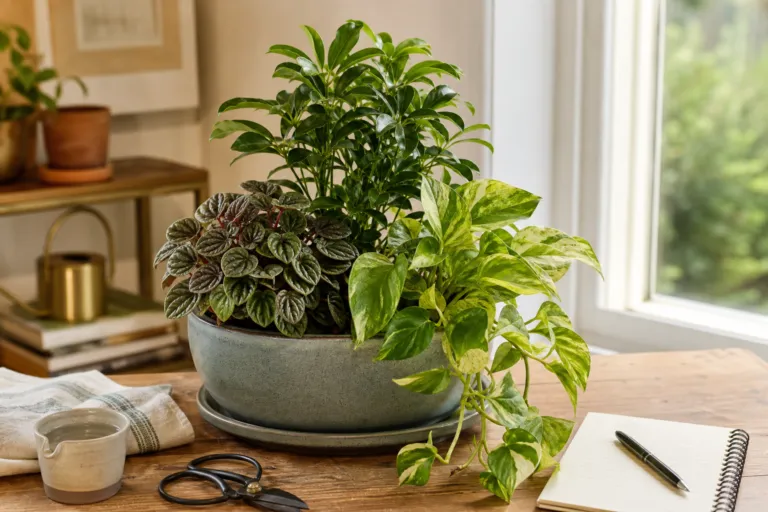
You can also compare two varieties. A compact peperomia may fit in a short carton, while a similarly priced trailing philodendron may need a taller box and more internal support. The second plant may cost more to ship even if both plants weigh nearly the same.
Watering before shipping: more is not always better
It is tempting to water a plant heavily before sending it away, but saturated growing media can create problems. Extra water adds weight, increases the chance of leakage, and may leave roots sitting in a wet, poorly ventilated package.
A better approach is to aim for evenly moist—not dripping—growing media when the plant’s needs and shipping schedule allow it. The exact amount depends on the species, pot size, season, and time in transit.
For a practical comparison, measure water rather than guessing. Suppose a 4-inch tropical houseplant usually receives 6 fluid ounces when its growing media has dried to the appropriate level. You might compare three test conditions:
- 4 fluid ounces: lightly moist, with lower package weight.
- 6 fluid ounces: evenly moist, representing the normal watering amount.
- 10 fluid ounces: noticeably wetter, with a greater leakage and weight risk.
Weigh the potted plant after each treatment and check whether water drains from the pot. This is not a universal shipping formula, but it shows why nurseries balance hydration against package safety. A plant that needs frequent watering should not be shipped under the same conditions as a drought-tolerant succulent.
How to reduce your shipping cost
You cannot eliminate the real cost of moving a living plant, but you can often make the purchase more efficient.
- Combine orders. Several plants packed into one shipment may cost less per plant than separate boxes, provided they have similar weather and handling needs.
- Choose smaller plants. Young plants and starter plugs usually need less packaging and occupy less space.
- Buy from a closer nursery. A shorter route can reduce transit time and lower the chance of weather-related problems.
- Look for local pickup. A nearby greenhouse, plant shop, or plant sale may eliminate shipping entirely.
- Order during mild weather. Spring and fall often provide easier shipping conditions in many parts of the country, although your local climate matters.
- Read the seller’s shipping policy. Check whether the price includes insulation, replacement coverage, weekend holds, or weather delays.
- Choose plastic nursery pots. Decorative ceramic containers add weight and breakage risk.
When expensive shipping is actually a good value
A high shipping charge is not automatically a rip-off. It may be reasonable when the seller uses protective packaging, ships quickly, monitors weather, and stands behind the plant’s arrival condition.
Before judging the price, ask what is included. Does the seller ship only on safe days? Is the plant packed in a custom carton? Are heat packs available? Does the business replace plants damaged by normal transit? A low shipping fee may look attractive, but it can become expensive if the plant arrives loose, dehydrated, or broken and you have no support.
The bottom line
Shipping live houseplants costs more because you are paying for space, speed, labor, protection, weather planning, regulatory compliance, and the risk of transporting something alive. The plant may be small, but its journey is unusually complicated.
To get the best value, compare the total purchase rather than the shipping line alone. Choose a reputable seller, order during manageable weather, combine plants when practical, and select compact specimens when you want to keep delivery costs down.
Once you understand what happens inside that box, the price makes more sense—and your next online plant purchase can become a much more confident choice.