After a dry spell, your plants may look surprisingly normal again. Leaves stand up, new growth appears, and the garden seems to have bounced back. But below the surface, recovery may still be underway.
A plant can carry the effects of drought long after its leaves stop looking wilted. Roots may have been damaged, growth may have slowed, and the plant’s internal warning system may remain on alert. In some cases, that earlier drought even changes how the plant responds to the next one.
This hidden aftereffect is sometimes called drought stress memory. It does not mean a plant thinks or remembers the way a person does. Instead, previous stress can leave behind changes in water use, growth, chemistry, and gene activity. For home gardeners, the practical lesson is encouraging: a plant that looks recovered may still benefit from gentler care and more consistent moisture.
The leaves are only one part of the story
Wilting is one of the easiest drought symptoms to notice, but it is not a complete health report. Leaves may regain their shape within hours of watering because their cells refill with water. That visible improvement can happen before the roots and growing points have fully recovered.
Drought affects the whole plant. When soil dries, plants often close tiny pores on their leaves, called stomata, to slow water loss. This helps conserve moisture, but it also limits carbon dioxide entering the leaf, which can reduce photosynthesis and slow growth.
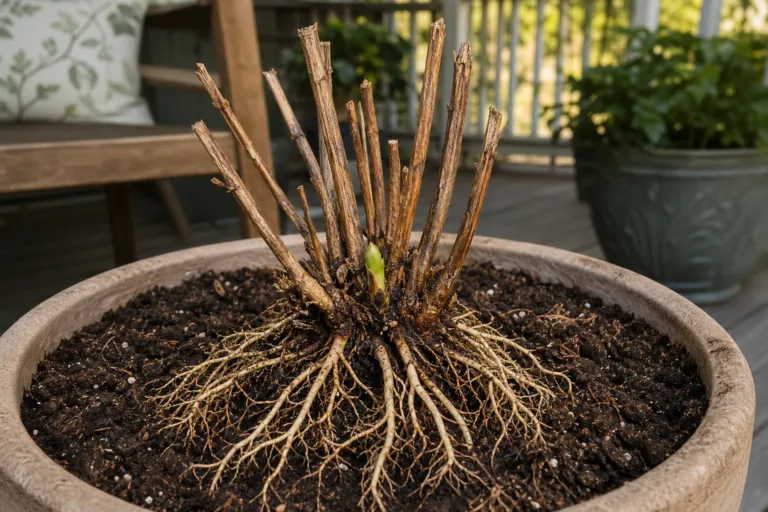
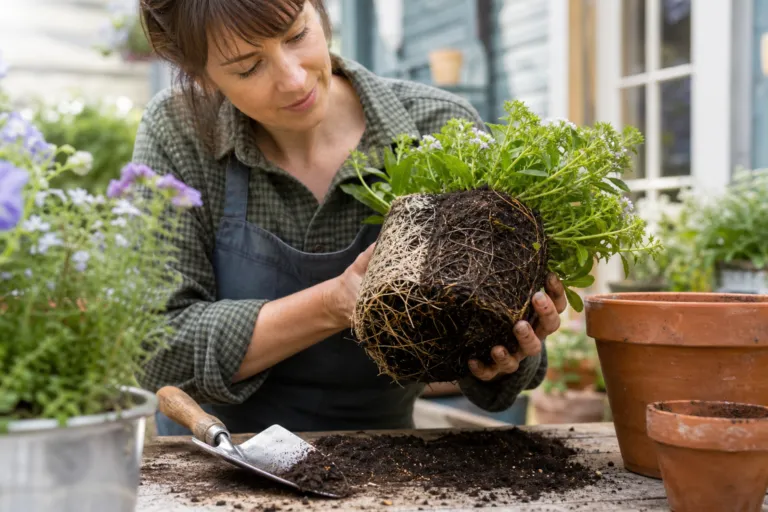
At the same time, dry soil can injure or kill fine feeder roots—the small roots responsible for much of the plant’s water and nutrient uptake. A plant may therefore have fewer functioning roots even after rain or irrigation restores moisture near the surface.
Think of the leaves as the dashboard and the roots as the engine. A dashboard warning light may switch off before the engine has returned to full performance.
What “drought memory” really means
Researchers use terms such as priming, acclimation, and stress memory to describe changes that can remain after a plant experiences an environmental challenge. A previously stressed plant may respond faster or more strongly when drought returns.
During the first dry period, a plant may accumulate protective sugars, proteins, hormones, and other compounds. It may also alter the activity of genes involved in water conservation and stress defense. Some of these changes fade quickly during recovery; others can persist for days, weeks, or sometimes longer, depending on the species, the severity of the drought, and the growing conditions.
Scientists are also studying changes to chromatin—the material that packages a plant’s DNA. Chemical tags on DNA-associated proteins can influence how readily certain stress-response genes switch on. These marks are not permanent changes to the DNA sequence, and they can often be reset as conditions improve.
That last point matters. Plant memory is not guaranteed, and it is not always beneficial. In an unpredictable environment, a plant gains by returning to normal growth when water becomes available. Keeping every stress response switched on would use energy that could otherwise support roots, flowers, fruit, or seeds.
Why recovery can lag behind appearance
Roots may need more time
Roots frequently recover more slowly than leaves. After a drought, a plant may first spend its limited resources repairing existing tissues and restoring water balance. Root growth may resume later, especially if the soil remains hot, compacted, or unevenly moist.
This is one reason a recently drought-stressed shrub can wilt again quickly even after a thorough watering. Its root system may not yet be large or healthy enough to supply the leaves during a warm afternoon.
Growth may be quietly reduced
A plant can appear green while producing fewer new leaves, shorter stems, smaller flowers, or fewer fruits. Drought often shifts the plant’s priorities from expansion and reproduction toward survival. Once water returns, it may take time to rebuild the resources needed for vigorous growth.
Water-saving settings may remain active
Plants regulate water loss through stomata, leaf angle, leaf size, root growth, and other processes. After a drought, some plants respond to a second dry period by closing stomata sooner or activating protective chemistry more rapidly. That can improve survival, but it may also reduce photosynthesis and growth during the short term.
Different plants, different memories
Do not expect every plant in your yard to react the same way. A deep-rooted native perennial, a shallow-rooted annual, and a container tomato may experience the same weather but emerge with very different levels of damage.
- Container plants: They can dry rapidly because pots hold a limited volume of soil. Their roots may heat up against the sides of dark containers.
- Young trees and shrubs: Their root systems are still becoming established, so a short drought can have a larger effect than it would on a mature plant.
- Leafy vegetables: They often show quick wilting and may produce smaller, tougher, or slower-growing leaves after water stress.
- Perennials: Some go partially dormant during drought and recover gradually when moisture returns.
- Established trees: Their deeper roots may provide a buffer, but prolonged drought can still reduce fine roots and weaken future growth.
Variety matters, too. Two tomato cultivars grown side by side may differ in canopy size, root development, maturity date, and tolerance of hot, dry conditions. A compact cherry tomato may continue setting some fruit while a large-fruited slicer pauses. That does not make one universally better; it shows why comparisons need to happen under the same conditions.
Try a simple backyard comparison
You can observe drought recovery without special equipment. Choose two similar plants, or two containers of the same variety, and keep the trial small and fair. Do not deliberately push plants to dangerous levels of stress; the goal is observation, not damage.
A practical comparison
- Use two similar plants in the same light and soil type.
- Give both plants the same baseline care for two weeks.
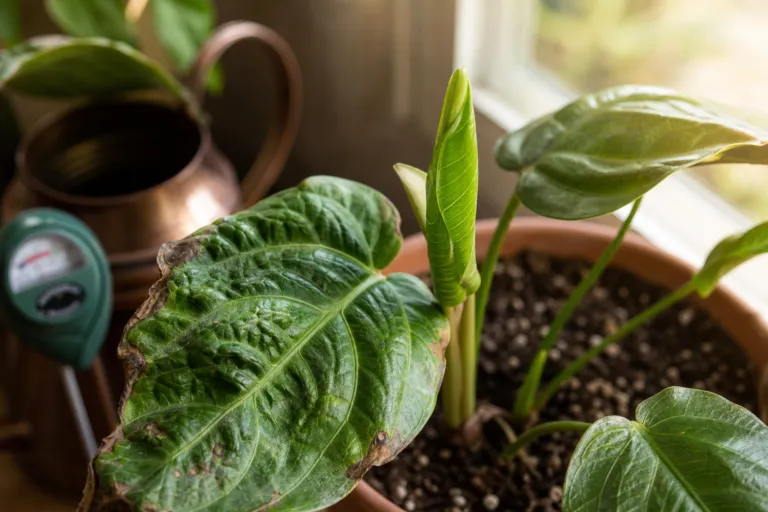
- Measure the soil moisture before watering by pushing a finger 2 inches into the soil, or use an inexpensive moisture meter as a rough comparison tool.
- Record the amount of water applied to each plant.
- Note leaf position, new growth, flower or fruit production, and how quickly each plant wilts during hot weather.
- After recovery, compare how the plants respond to the next naturally occurring dry period.
A useful record might show that Plant A received 1 gallon of water over 10 minutes, while Plant B received the same amount more slowly over 25 minutes. If Plant B remains firm longer, the difference may reflect better infiltration rather than a genetic advantage. Soil texture, mulch, root space, and drainage can all influence the result.
Keep notes for at least four weeks. A single afternoon tells you very little, while repeated observations can reveal whether one plant resumes growth sooner or needs watering more often.
Measure irrigation instead of guessing
Many gardeners know their plants need “a good soaking” but do not know how much water that means. Measuring once or twice can make your routine far more reliable.
Use a rain gauge or straight-sided cans
Place several identical, straight-sided containers beneath a sprinkler. Run the system for 15 minutes, then measure the average depth of water in the containers. Multiply that depth to estimate how long the sprinkler needs to run to apply your target amount.
For drip irrigation, catch water from one emitter for 10 minutes. If it delivers 0.5 gallons in that time, running it for 30 minutes supplies about 1.5 gallons at that emitter. Repeat the check occasionally because clogged emitters and changing water pressure can alter the output.
Check the soil below the surface
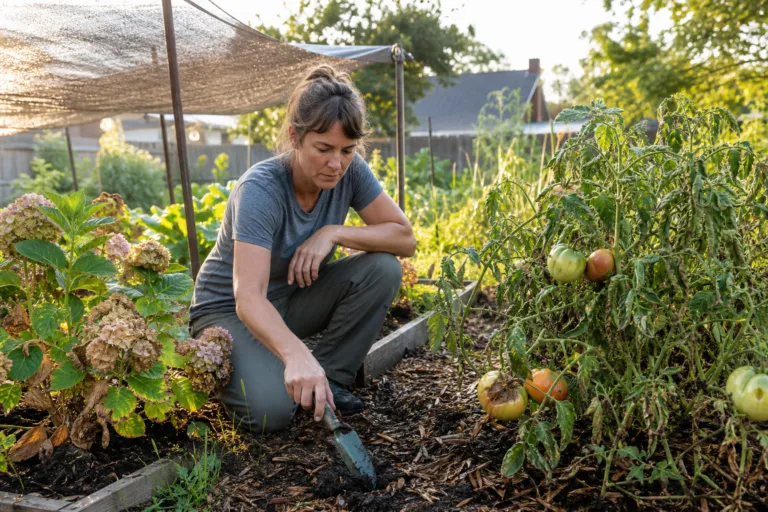
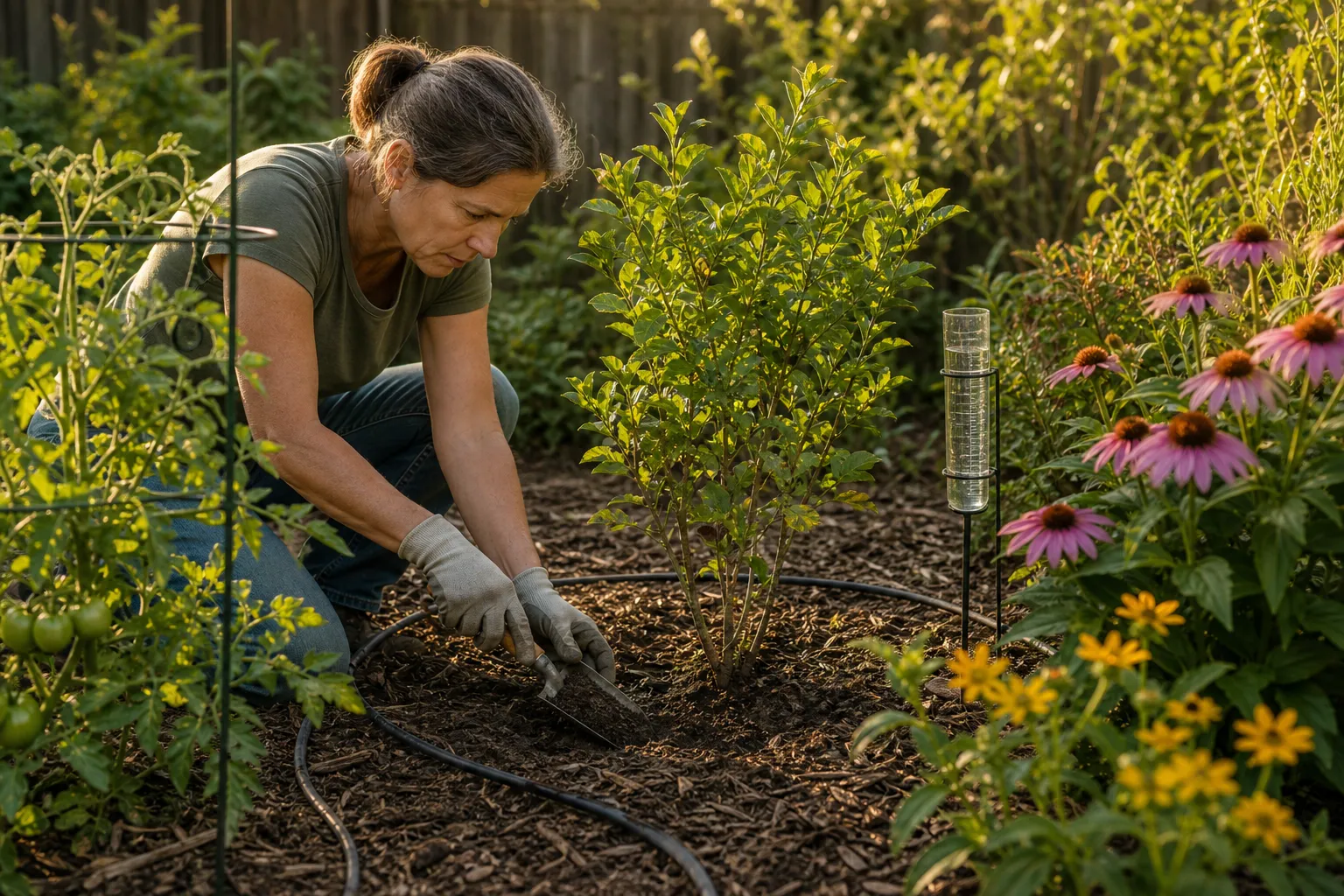
Water may wet the top inch while leaving the deeper root zone dry. After irrigation, use a hand trowel to inspect the soil several inches down. For many garden beds, moisture should reach the active root zone without leaving the area soggy.
There is no universal weekly amount that suits every garden. Water needs vary with plant type, soil, temperature, wind, rainfall, mulch, and root depth. A measured application followed by a soil check is more useful than following a rigid calendar.
Help a drought-stressed plant recover
- Rehydrate gradually: If the soil has become water-repellent or extremely dry, apply water in two or three slower passes rather than creating runoff.
- Water the root zone: Aim the hose or emitter at the soil around the plant, not over the leaves.
- Pause heavy feeding: Avoid forcing rapid growth while roots are still compromised. Resume regular fertilizing when the plant shows steady new growth and the product label supports it.
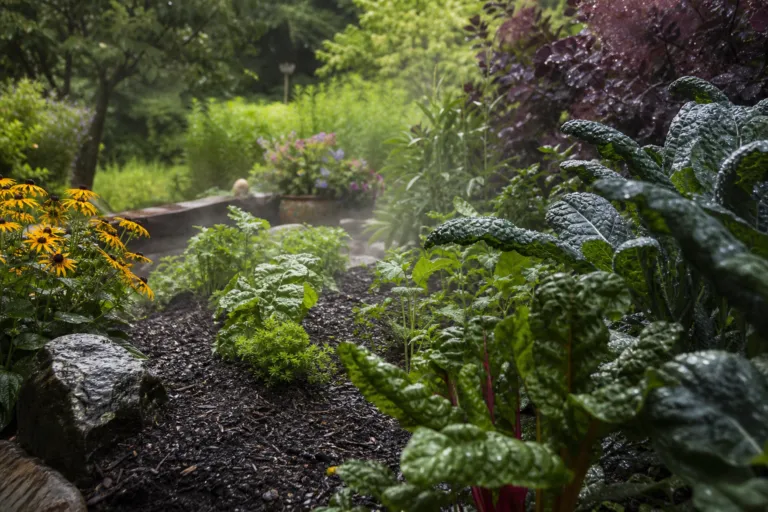
- Mulch the soil: A 2- to 3-inch layer of organic mulch can reduce evaporation and moderate soil temperature. Keep mulch a few inches away from trunks and crowns.
- Delay major pruning: Remove clearly dead or broken material, but wait before cutting back healthy foliage that may still contribute energy.
- Protect from extremes: Temporary afternoon shade can help a container or newly planted specimen while it rebuilds roots.
- Inspect before blaming drought: Look for insects, stem damage, compacted soil, root rot, and irrigation problems if symptoms continue.
With trees and shrubs, recovery can extend into the next growing season. A plant that survived a dry summer may still show reduced growth, early leaf drop, or greater sensitivity during the following hot spell.
Build resilience before the next dry spell
The best time to help a plant handle drought is before the soil dries. Choose plants suited to your local conditions, using your USDA hardiness zone as one starting point for perennial selection. Hardiness tells you about winter cold tolerance, not drought tolerance, so also check the plant’s mature size, sun needs, soil preferences, and water requirements.
Improve the soil with organic matter where appropriate, but remember that soil amendments do not replace good watering technique. Group plants with similar water needs, use drip or soaker irrigation where practical, and mulch exposed soil. Water newly planted specimens more consistently than established plants until their roots expand.
Most importantly, avoid the cycle of severe drying followed by frequent shallow sprinkling. Deep, appropriate watering encourages moisture to reach the root zone, while shallow applications can leave roots concentrated near the surface. Always adjust for rainfall and local restrictions, and follow any municipal watering schedule in your area.
The encouraging takeaway
A plant that remembers drought is not necessarily a damaged plant. Its slower growth or quicker response to the next dry spell may be part of a flexible survival strategy. The visible recovery of the leaves is a welcome sign, but it is only the beginning of the full recovery process.
Give the root zone time, measure your irrigation at least once, and watch new growth rather than relying on appearance alone. When you combine thoughtful plant selection with consistent moisture and a little patience, your garden can become more resilient season by season—even when the weather is not.