
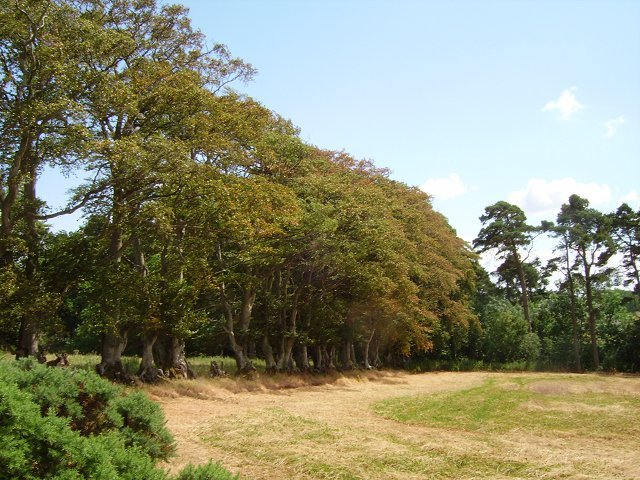
Drought stress
Drought stress overview
Drought stress is a noninfectious environmental disorder caused by insufficient available water for normal plant function. It may result from low rainfall, restricted root access, poor irrigation, excessive heat, wind, compacted soil, or salinity. Symptoms range from temporary wilting and leaf scorch to flower and fruit loss, reduced growth, tissue dieback, hydraulic failure, and plant death.
Typical conditions
Overview
Plants experience drought stress when water loss through transpiration exceeds water uptake by the roots for long enough to disrupt normal growth and physiology. The trigger may be inadequate rainfall or irrigation, shallow or damaged roots, compacted soil, competition from turf or weeds, high temperature, low humidity, wind, poor water distribution, or salts that make soil water difficult to absorb.
Short periods may cause reversible wilting, while prolonged or severe stress can reduce photosynthesis, impair nutrient transport, limit flowering and fruit development, promote premature leaf loss, damage vascular tissues, and kill roots, branches, or entire plants. Drought symptoms can resemble root disease, vascular disease, herbicide injury, heat injury, or salinity, so inspect soil moisture and roots rather than diagnosing from foliage alone.
Symptoms and identification
- Loss of leaf turgor, drooping, folding, curling, or temporary midday wilting.
- Leaves may become dull, gray-green, yellow-green, brittle, or prematurely shed.
- Brown leaf margins and tips, interveinal scorch, sunscald, and desiccated young growth may develop.
- Growth slows; stems remain short; flowers abort; fruit may be small, misshapen, cracked, or drop early.
- Seedlings may wilt rapidly, while trees and shrubs may show canopy thinning, branch dieback, epicormic shoots, or delayed decline.
- Severely stressed plants may have dry roots, vascular dysfunction, permanent wilt, and mortality.
Symptoms often appear first in plants with shallow roots, newly transplanted plants, containers, exposed edges, or portions of a bed missed by irrigation.
Causes and spread
Drought stress is caused by a negative water balance, not by an organism that spreads between plants. Common causes in US gardens and landscapes include prolonged dry weather, heat waves, low humidity, wind, inadequate irrigation volume, uneven emitters, water-repellent or compacted soil, restricted rooting space, root damage, heavy weed competition, excessive pruning, and high-salt irrigation water or soil.
The problem can appear patchy where soil depth, drainage, exposure, mulch coverage, or irrigation differs. Drought may also increase vulnerability to secondary insects, canker pathogens, root damage, sunscald, and winter injury, but those secondary problems should be diagnosed separately.
Life cycle and persistence
There is no pathogen or pest lifecycle. Stress usually progresses as soil moisture declines: stomata close, transpiration and photosynthesis decrease, growth slows, and leaves wilt or cool-season tissues senesce. Continued water deficit can cause leaf scorch, flower and fruit loss, root death, hydraulic failure, branch dieback, and plant death.
Recovery depends on severity, species, developmental stage, and whether living roots and vascular tissues remain functional. Mild wilting may reverse after the root zone is rehydrated; scorched, dead, or abscised tissue will not recover, although surviving buds may produce new growth.
Treatment and control
- Confirm the cause by checking soil moisture several inches below the surface, irrigation coverage, root condition, recent weather, and possible salinity or root restriction.
- Rehydrate living plants gradually with a slow, thorough application to the root zone. For severely dry containers, repeated applications may be needed because water can run around a shrunken root ball.
- Do not compensate with frequent shallow sprinkling, heavy fertilizer, or aggressive pruning. Avoid fertilizing drought-stressed plants until active recovery and adequate moisture return.
- Apply mulch after wetting the soil, maintain a clear area around stems and trunks, and provide temporary shade or wind protection for high-value plants when practical.
- Remove only clearly dead tissue after the plant’s condition can be assessed. Delay major pruning until recovery and avoid pruning during extreme heat.
- Inspect recovering plants for secondary borers, mites, scale, cankers, and root problems; treat confirmed secondary pests or diseases according to integrated pest-management recommendations.
Low-impact and biological control
Drought stress has no direct organic pesticide cure. Effective nonchemical management includes organic mulch, compost-based soil improvement where suitable, rainwater capture where legal and safe, efficient drip or soaker irrigation, shade or wind protection, weed suppression, reduced soil disturbance, and selection of adapted plants. Cover crops, residue retention, and improved soil organic matter can increase moisture conservation in larger production systems, but cover crops must be managed so they do not compete with the crop during drought.
Biostimulants, foliar sprays, and unverified home remedies should not be treated as substitutes for correcting the water deficit. Use them only when supported for the specific crop and situation by credible local research.
Prevention
- Choose plants suited to the site, including regionally adapted or drought-tolerant cultivars where appropriate, and establish them before hot dry weather.
- Improve soil structure with organic matter where appropriate, while avoiding planting holes or amended pockets that restrict drainage or root expansion.
- Apply about 2–4 inches of organic mulch over the root zone, keeping it several inches away from trunks and stems.
- Use drip or soaker irrigation and check that water reaches the active root zone rather than only wetting the surface.
- Monitor soil moisture with a finger, trowel, moisture probe, or sensor and irrigate before severe visible wilting.
- Water slowly and deeply enough to refill the root zone without prolonged saturation or runoff; adjust frequency for soil type, weather, plant stage, and container size.
- Control weeds and maintain appropriate plant spacing, but avoid damaging roots with deep cultivation.
- During establishment, prioritize newly planted trees, shrubs, seedlings, flowering plants, and fruiting crops. Follow local water restrictions and conservation guidance.
Interesting facts
- Visible wilting is not always the first physiological response; plants may close stomata and reduce photosynthesis before leaves visibly droop.
- High temperature can intensify drought even when rainfall has not changed because evaporation and plant water demand increase.
- Flowering and fruiting plants are often more sensitive to water deficits than plants in vegetative growth.
- Mulch reduces evaporation and moderates soil temperature, while excessive mulch piled against trunks can create separate disease and pest problems.
- Drought damage may be delayed: trees can show canopy thinning or branch dieback months after the original stress.
- Salt accumulation can produce drought-like symptoms because salts reduce the plant’s ability to take up water.
No pesticide treats drought stress itself. Do not apply insecticides, fungicides, herbicides, antitranspirants, or other regulated products unless a specific secondary problem has been correctly identified. Use only products legally authorized for the crop and problem in the United States, and follow the current label exactly, including crop, rate, personal protective equipment, reentry, and environmental restrictions.
Affected plants
The plants below are linked to this problem by structured host-plant data. The list updates automatically as new plant profiles are added.
 Maroon cucumbe (Cucumis anguria) care guideCucumis anguria
 Horned Melon (Cucumis metuliferus) care guideCucumis metuliferus
 Cucumber (Cucumis sativus) care guideCucumis sativus
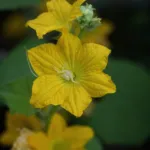 Melon or true melo (Cucumis melo) care guideCucumis melo
 Cantalupensis Group (Cucumis melo Cantalupensis Group)Cucumis melo Cantalupensis Group
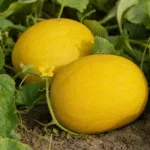 Mango melon (Cucumis melo Chito Group)Cucumis melo Chito Group
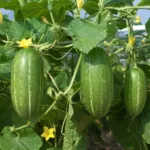 Oriental pickling melon (Cucumis melo Conomon Group)Cucumis melo Conomon Group
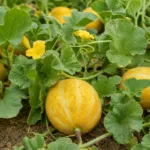 Dudaim melon (Cucumis melo Dudaim Group)Cucumis melo Dudaim Group
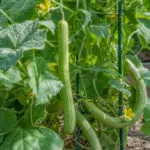 Flexuosus Group (Cucumis melo Flexuosus Group)Cucumis melo Flexuosus Group
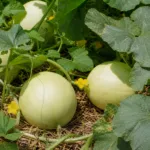 Inodorus Group (Cucumis melo Inodorus Group)Cucumis melo Inodorus Group
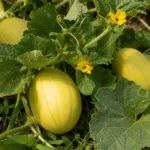 Makuwa Group (Cucumis melo Makuwa Group)Cucumis melo Makuwa Group
 Momordica Group (Cucumis melo Momordica Group)Cucumis melo Momordica Group