
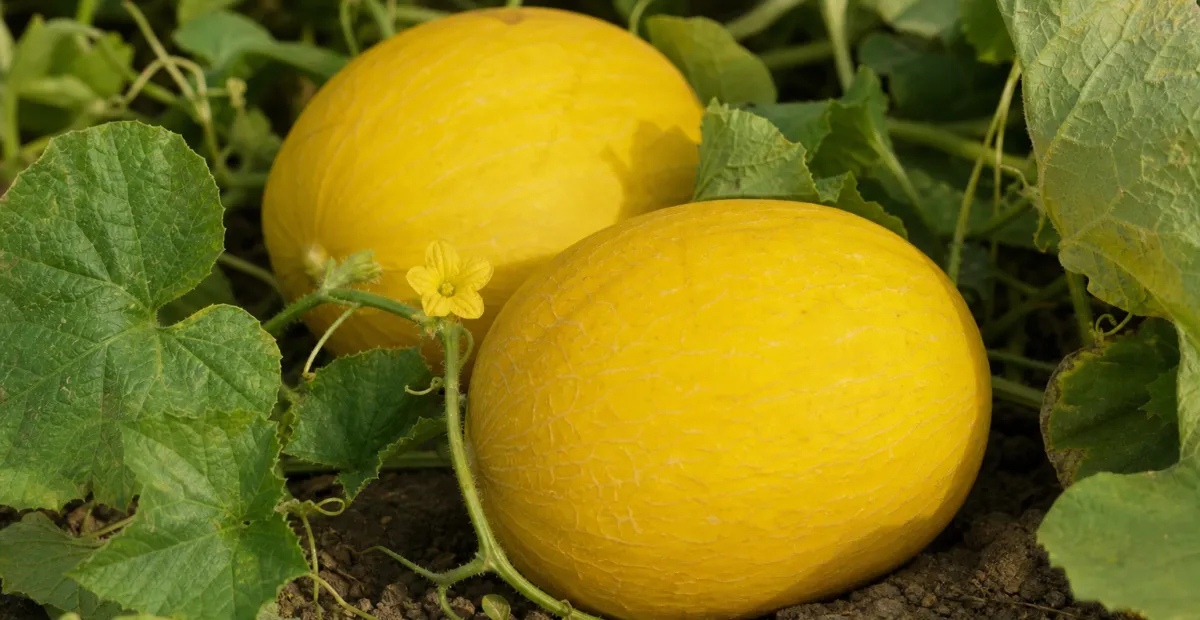
 AI-generated illustration
Mango melon (Cucumis melo Chito Group) short overview
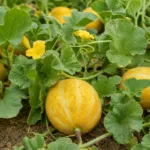
Cucumis melo Chito Group is a warm-season melon group known for small, smooth, round fruits often compared with lemons or oranges in size. Historically recorded names include mango melon, melon-apple, garden-lemon, orange melon, and vine-peach. The vigorous annual vines need full sun, fertile well-drained soil, steady moisture, and a long frost-free season. Separate male and female flowers depend chiefly on bee visits for reliable fruit set.
Taxonomic classification
Mango melon (Cucumis melo Chito Group) care guide
Light and placement
Give at least 6–8 hours of direct sun, preferably in a south-facing or unobstructed site with warm soil. Insufficient light produces long, weak vines and poor flowering or fruit set. Excessive heat with drought can cause wilt and sunscald, so maintain root-zone moisture and use light mulch without covering the stem.
Watering and humidity
Keep the root zone evenly moist during vine growth, flowering, and fruit enlargement, watering deeply when the surface begins to dry. Drip irrigation or a soaker hose is preferable to wetting leaves. Reduce frequency only as temperatures fall or growth slows, but do not allow repeated severe drought during fruit development.
Soil and growing medium
Use fertile, well-drained loam or sandy loam enriched with mature compost. Melons tolerate a range of soils, but a mildly acidic to neutral reaction is suitable; practical guidance commonly places the preferred range around pH 6.0–6.8, with some recommendations extending to 7.0. Avoid waterlogged ground and improve heavy clay with organic matter.
Feeding
Incorporate mature compost before planting and fertilize according to a soil test. Use a balanced vegetable fertilizer at planting, then feed lightly when vines begin active growth if plants are pale or nutrient-poor. Avoid excessive nitrogen, which can produce luxuriant vines while delaying flowering and fruiting.
Growth and habit
This is a fast-growing, scrambling annual vine with tendrils. It can ramble over soil or climb a sturdy support. Trellising improves airflow and saves space, but small developing melons should be supported so their weight does not tear the vine.
Planting and repotting
Plant outdoors after the last expected frost, when soil is at least 60–70°F. Sow about 1/2–1 inch deep, or follow the seed packet for a particular strain. Allow roughly 18–36 inches between plants and 5–6 feet between rows, or train vines vertically with support for developing fruit.
Start seeds in biodegradable pots only when an early transplant is useful. Transplant with minimal root disturbance once the soil is warm and frost danger has passed; avoid repeated potting-up because melon roots dislike disturbance.
Propagation and pruning
Propagation
Propagate by seed. Direct-sow after the soil warms, or start indoors about three to four weeks before outdoor planting in short-season regions. Harden transplants carefully and disturb the roots as little as possible.
Pruning
Pruning is optional. Remove damaged or diseased leaves promptly and direct or thin crowded runners if space is limited. Avoid heavy pruning after fruit set because the foliage protects developing fruit from sunscald.
Overwintering
Do not expose outdoors to frost. Harvest before freezing temperatures, remove spent vines after disease inspection, and start new plants from seed the following season. Container plants can be moved indoors temporarily, but this annual crop is generally replanted rather than overwintered.
Uses
Historically documented uses include fruit for food, pickles, and preserves. The group is also grown as a curiosity or heirloom melon. Fruit flavor, texture, sweetness, and edibility can vary among accessions, so trial unfamiliar seed lines cautiously and do not make medicinal claims.
Appearance
The plant has rough, hairy, lobed green leaves, angular stems, and curling tendrils typical of Cucumis. Its diagnostic horticultural feature is the small, smooth, usually round fruit associated with lemon- or orange-sized melons, though rind and flesh color can vary among accessions.
Flowering
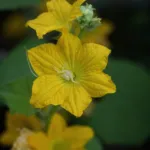
Plants are monoecious, bearing separate male and female yellow flowers on the same vine. Male flowers generally appear first. Female flowers have a small swollen ovary at the base and are receptive for a short period, so poor weather or low insect activity can reduce fruit set.
Pollination and visitors
Separate male and female flowers are chiefly pollinated by bees. Each female flower is receptive for a short period, and inadequate bee activity can lead to aborted or misshapen fruit. Avoid bee-toxic sprays during flowering.
Diseases and pests
Diseases
Use drip irrigation or water at the soil surface, keep foliage as dry as practical, provide air circulation, and rotate cucurbits for three to four years. Watch for powdery mildew, downy mildew, bacterial wilt, and viruses. Remove badly diseased material and manage insect vectors; use only appropriately labeled treatments.
Pests
Cucumber beetles, squash bugs, aphids, spider mites, and whiteflies may damage foliage or spread disease. Inspect undersides of leaves, use row covers before flowering where practical, hand-remove larger pests, and avoid insecticides harmful to bees during bloom.
Toxicity and pollen
Available references treat Cucumis melo fruit as food and ASPCA lists muskmelon as non-toxic to dogs and cats. This does not make every plant part universally edible, and spoiled or unripe fruit can cause digestive upset. People with melon allergy should avoid tasting or handling fruit if exposure has caused reactions.
- Typical season
- Late spring through summer flowering
- Pollination / pollen
- Insect-borne flower pollen
Melon flowers release pollen for insect transfer rather than relying on wind dispersal, so airborne exposure from the crop is generally limited. The fruit itself can trigger oral-allergy or other food-allergic reactions in susceptible people, including some individuals with pollen-food syndrome.
Native habitat
The Chito Group is associated in horticultural and germplasm literature with Central America and Caribbean countries, and escaped or naturalized records have been reported in parts of the United States. It suits warm, sunny conditions and fertile soils that drain freely but do not dry abruptly.
Interesting fact
Chito fruits are described as lemon- to orange-sized and usually smooth.
The group has also been called mango melon and vine-peach.
Some historical accounts describe the fruit as bland with white flesh.
Chito was formerly treated as Cucumis melo var. chito.
USDA research found some supposed Chito accessions were misidentified.
Frequently asked questions (FAQ)
The most relevant questions about this plant, with short and direct answers.
🌱Quick care
What is Cucumis melo Chito Group?⌄
Cucumis melo Chito Group is a frost-tender annual melon group commonly called mango melon, vine peach, or melon apple. Its small fruits are generally harvested young for cooking or pickling, although some forms develop a sweeter flavor when mature. ([rhs.org.uk](https://www.rhs.org.uk/plants/158210/cucumis-melo-chito-group/details?utm_source=openai))
Is mango melon a melon or a cucumber?⌄
Mango melon is a melon, not a cucumber, although its small, firm fruit can have a cucumber-like texture and may be eaten young. It belongs to the Cucumis melo species. ([missouribotanicalgarden.org](https://www.missouribotanicalgarden.org/PlantFinder/PlantFinderDetails.aspx?=&taxonid=279561&utm_source=openai))
How much sun does mango melon need?⌄
Mango melon needs full sun, ideally at least 6–8 hours of direct sunlight daily. Strong light and warm soil support vigorous vines, flowering, and fruit development.
Is mango melon annual or perennial?⌄
Mango melon is a frost-tender annual in the United States. It completes its life cycle in one growing season and usually dies after exposure to freezing temperatures. ([practicalplants.org](https://practicalplants.org/wiki/cucumis_melo_chito/?utm_source=openai))
🌤️Environment and placement
Where should I plant mango melon?⌄
Plant mango melon in the warmest full-sun location available, such as a south-facing garden bed or raised bed. Choose fertile, well-drained loam or sandy loam that remains consistently moist without staying waterlogged.
Can mango melon grow in a container?⌄
Mango melon can grow in a large container if it has fertile soil, excellent drainage, and sturdy support for the vines. Use a container holding at least 5 gallons per plant, although more root space generally produces better growth.
Can mango melon grow on a trellis?⌄
Yes, mango melon can be grown vertically on a strong trellis or other support. Tie young vines loosely to the support, and provide slings for developing fruit if the crop becomes heavy. ([plants.ces.ncsu.edu](https://plants.ces.ncsu.edu/plants/cucumis-melo/common-name/musk-melon/?utm_source=openai))
What USDA zones can grow mango melon?⌄
Mango melon can be grown as a warm-season annual across the United States when planted after the danger of frost has passed. In short-season or cool areas, start seeds indoors and use row cover or other protection to extend the season.
💧Care and problems
How often should I water mango melon?⌄
Water mango melon whenever the soil surface begins to dry, keeping the root zone consistently moist but not saturated. Mulch can reduce evaporation, while drip irrigation or watering at the soil line helps keep foliage dry.
Why are my mango melon leaves turning yellow?⌄
Yellow leaves may result from overwatering, poor drainage, nutrient stress, aging foliage, or disease. Check the soil moisture and roots first, then inspect for cucumber beetles, aphids, mildew, or wilt symptoms.
What pests attack mango melon plants?⌄
Cucumber beetles, aphids, and spider mites can attack mango melon. Cucumber beetles are especially important because they can damage foliage and spread bacterial wilt and other diseases in melon crops. ([missouribotanicalgarden.org](https://www.missouribotanicalgarden.org/PlantFinder/PlantFinderDetails.aspx?=&taxonid=279561&utm_source=openai))
Why is my mango melon vine flowering but not producing fruit?⌄
Poor fruit set is commonly caused by inadequate pollination, low temperatures, excessive heat, or plant stress. Encourage pollinators, avoid insecticides during bloom, and keep the plant evenly watered.
Does mango melon need fertilizer?⌄
Mango melon benefits from fertile soil and moderate fertilization rather than heavy feeding. Apply compost before planting and use a soil-test-guided fertilizer, avoiding excessive nitrogen that can promote vines at the expense of fruit. ([welbaum.spes.vt.edu](https://welbaum.spes.vt.edu/seedproduction/cantaloupe.html?utm_source=openai))
How much space does mango melon need?⌄
Allow about 3–6 feet between plants when vines trail across the ground, depending on the cultivar and available support. Vertical growing can reduce the ground footprint, but the roots still need well-prepared soil.
🪴Planting and repotting
When should I plant mango melon seeds?⌄
Sow mango melon outdoors after the last frost when the soil is reliably warm, or start seeds indoors about 4–6 weeks before the average last frost date. Transplant carefully because melon roots dislike disturbance. ([practicalplants.org](https://practicalplants.org/wiki/cucumis_melo_chito/?utm_source=openai))
How deep should mango melon seeds be planted?⌄
Plant mango melon seeds about 1 inch deep in warm, moist soil. Germination commonly occurs within roughly 1–2 weeks under favorable conditions. ([practicalplants.org](https://practicalplants.org/wiki/cucumis_melo_chito/?utm_source=openai))
What soil is best for mango melon?⌄
The best soil is fertile, well-drained loam or sandy loam that retains moisture without becoming soggy. Incorporate mature compost before planting and avoid compacted beds or sites where water collects.
Can I transplant mango melon seedlings?⌄
Yes, but transplant mango melon seedlings gently and with minimal root disturbance. Harden them off first, then set them outdoors only after frost danger has passed and nighttime temperatures are consistently mild.
✂️Propagation and pruning
How do you propagate mango melon?⌄
Mango melon is propagated from seed. Sow fresh, viable seeds in warm soil or start them indoors, then thin seedlings to the strongest plant. ([practicalplants.org](https://practicalplants.org/wiki/cucumis_melo_chito/?utm_source=openai))
Can I save seeds from mango melon fruit?⌄
You can save seeds from a fully mature, healthy mango melon if the plant was not a hybrid and was not cross-pollinated with another compatible Cucumis melo. Ferment or rinse away fruit residue, dry the seeds thoroughly, and store them cool and dry.
Should I prune mango melon vines?⌄
Routine pruning is usually unnecessary for mango melon. Remove only damaged or diseased growth, and guide vigorous vines onto their support without cutting away healthy foliage needed for fruit development.
⚠️Toxicity and safety
Is mango melon poisonous to dogs or cats?⌄
Mango melon is generally regarded as non-toxic to pets, and the fruit is edible. Still, offer only small amounts of plain fruit, remove seeds and rind when appropriate, and stop feeding it if digestive upset or allergy symptoms occur.
Can people with melon allergies eat mango melon?⌄
People with known melon or Cucurbitaceae allergies should avoid mango melon or consult a healthcare professional before trying it. Allergic reactions can vary even among closely related fruits.
Can mango melon be eaten raw?⌄
Mango melon may be eaten raw when young and tender, but many Chito Group types are better suited to cooking or pickling. Older fruit can become firmer and less pleasant to eat raw. ([welbaum.spes.vt.edu](https://welbaum.spes.vt.edu/seedproduction/cantaloupe.html?utm_source=openai))
Is mango melon invasive in the United States?⌄
Mango melon is not generally treated as a major invasive garden plant, but ripe fruit can drop seeds and volunteer in warm climates. Remove unwanted fruit before it fully matures and pull volunteer seedlings where they are not wanted.
🌸Flowering and special interest
When does mango melon flower?⌄
Mango melon usually flowers during the warm part of the growing season after producing several sets of leaves and running vines. Yellow flowers appear at the nodes, and successful pollination is needed for fruit to develop. ([missouribotanicalgarden.org](https://www.missouribotanicalgarden.org/PlantFinder/PlantFinderDetails.aspx?=&taxonid=279561&utm_source=openai))
How do I know when mango melon fruit is ripe?⌄
Ripeness varies by strain, but mature fruit may change color, develop fragrance, or soften slightly near the blossom end. Because Chito Group forms differ, harvest guidance from the seed source is more reliable than a single universal color cue.
Can mango melon fruit be eaten?⌄
Yes, mango melon fruit is edible, but Chito Group types are often harvested young and used cooked or pickled because the flesh can be firm and cucumber-like. Some selections become more aromatic or sweeter as they mature. ([welbaum.spes.vt.edu](https://welbaum.spes.vt.edu/seedproduction/cantaloupe.html?utm_source=openai))
Similar plants
 Oriental pickling melon (Cucumis melo Conomon Group)Cucumis melo Conomon Group
  Flexuosus Group (Cucumis melo Flexuosus Group)Cucumis melo Flexuosus Group
  Inodorus Group (Cucumis melo Inodorus Group)Cucumis melo Inodorus Group
  Momordica Group (Cucumis melo Momordica Group)Cucumis melo Momordica Group
  Melon or true melo (Cucumis melo) care guideCucumis melo
  Dudaim melon (Cucumis melo Dudaim Group)Cucumis melo Dudaim Group