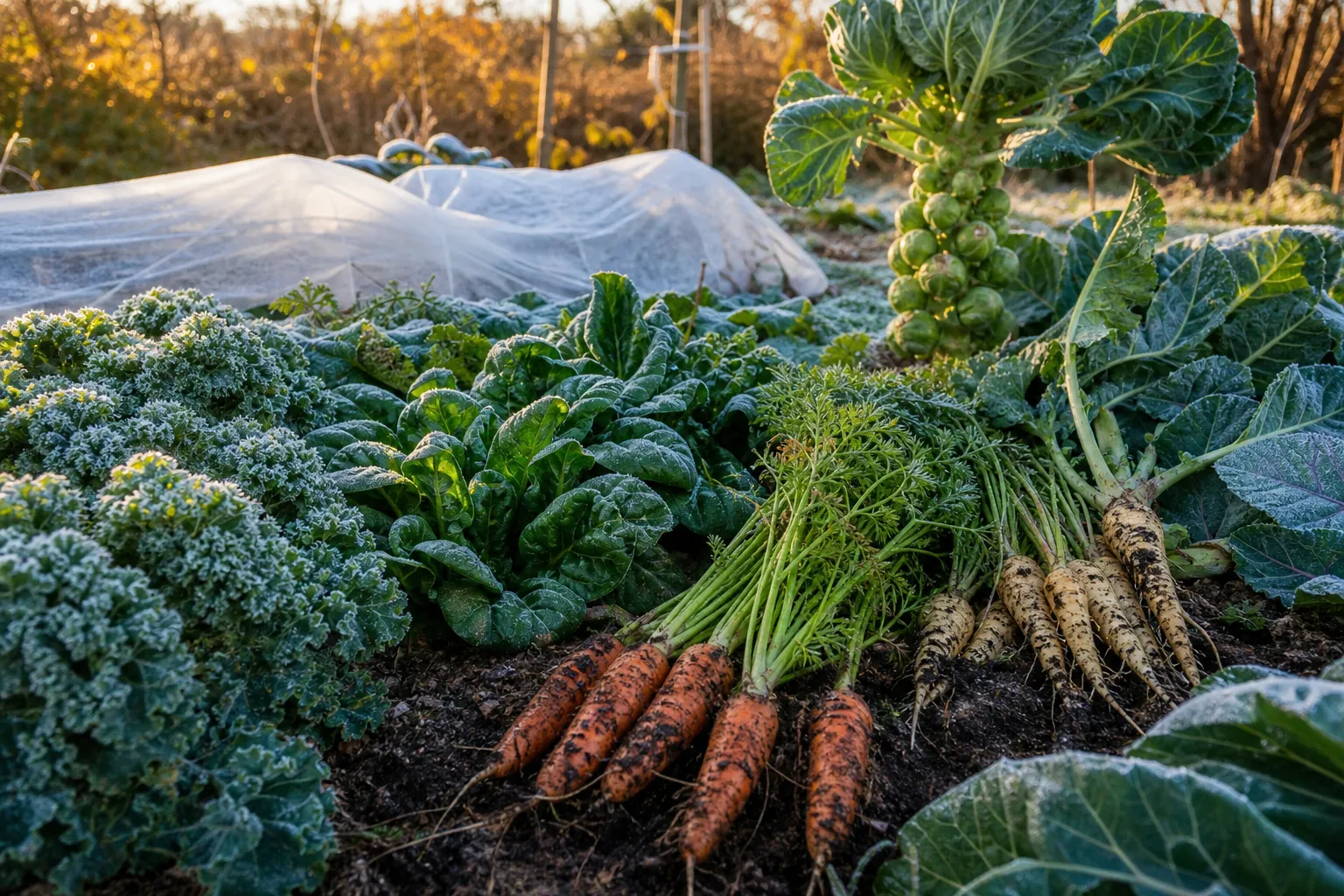
Late autumn does not have to mean the end of the vegetable garden. Kale, spinach, carrots, Brussels sprouts, parsnips and collard greens can keep your harvest basket full after summer crops have faded, especially when you choose varieties suited to your climate and plant them early enough to size up before daylight and temperatures drop.
These vegetables handle cool weather in different ways. Leafy crops keep producing through light frosts, while carrots and parsnips store their harvest underground. Brussels sprouts often improve in flavor after cool weather arrives, and collards can remain productive when less rugged greens begin to struggle. Your results will depend on local weather, soil, planting date and variety, so use your average first frost date as a planning guide rather than a guarantee.
Before you plant: think frost, daylight and drainage
For U.S. gardeners, the USDA Plant Hardiness Zone Map is useful background information, but it does not tell you the exact date of your first autumn frost. Check your county extension service or a reliable local frost-date tool, then count backward from that date using the seed packet’s days to maturity. Add extra time for the shorter days of fall, when plants grow more slowly than they do in summer.
Choose a bed with at least six hours of direct sun if possible. Autumn sun sits lower in the sky, and a site that felt bright in June may become shaded by a fence, house or tree. Good drainage matters just as much as cold tolerance: chilly, saturated soil can weaken roots and encourage rot even when the air temperature is not severe.
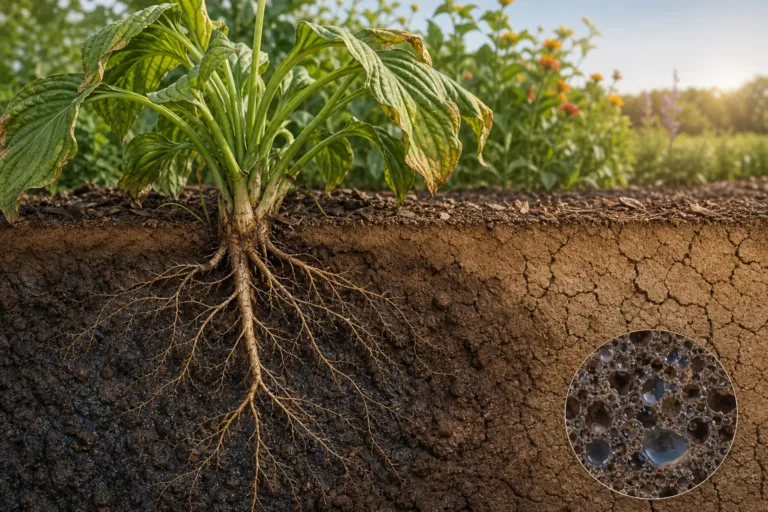
Water deeply after planting, then adjust as the weather changes. A practical target for an established fall bed is about 1 inch of water per week from rain and irrigation, measured with a rain gauge or straight-sided container. During a cool, rainy week, you may need little or no supplemental water; during a dry, windy spell, check the soil 2 inches below the surface before watering. The goal is evenly moist soil, not mud.
1. Kale: the dependable late-season champion
Kale is one of the easiest vegetables to keep harvesting into late autumn. It tolerates light frost, continues growing in cool conditions and can remain useful when many summer crops have already collapsed. Some types can survive temperatures near 20°F when well established, although sudden cold, exposed locations and repeated freeze-thaw cycles can still cause damage.
How to grow and harvest kale
- Choose compact, quick-maturing varieties for a short fall window and vigorous curly or Siberian types for extended harvesting.
- Give plants full sun and fertile, well-drained soil.
- Harvest the lowest, largest leaves first, leaving the central growing point intact.
- Pick regularly rather than stripping the whole plant at once.
Curly-leaf varieties often hold their texture well in cold weather, while flat-leaf types are usually easier to clean and tender when young. A useful side-by-side trial is to grow one curly variety and one flat-leaf variety in the same bed, watering both equally. You can compare flavor, recovery after frost and how long each remains attractive.
2. Spinach: fast-growing and frost-friendly
Spinach is an excellent choice when you want a late-autumn crop without waiting all season. Many varieties reach baby-leaf size in roughly a month, though cool temperatures and short days may slow the harvest. Established plants can tolerate light frost, and some may survive winter under a layer of mulch or a simple row cover.
Make spinach last longer
Sow seed in succession rather than planting everything on one day. For example, sow a small row every 10 to 14 days while conditions remain suitable. Savoy types, with their deeply crinkled leaves, are often chosen for colder conditions, while smooth-leaf varieties are quick to rinse and convenient for salads.
- Keep the seedbed consistently moist until germination.
- Thin seedlings so plants have room to develop full leaves.
- Harvest outer leaves first for a cut-and-come-again crop.
- Use a floating row cover when a sharp freeze is forecast.
Spinach dislikes heat more than cold. If plants are still productive in early autumn, keep harvesting lightly and allow the new growth to fill in. When wet weather settles in, avoid watering on a fixed schedule; feel the soil first and improve drainage if water lingers.

3. Carrots: sweeter after cool weather
Carrots can remain in the ground into late autumn, and cool weather often improves their eating quality. The roots tolerate frost once mature, but the leafy tops are less rugged than the roots. In regions where the soil freezes solid, harvest before digging becomes difficult; in milder areas, a thick mulch can help keep the ground workable.
Tips for a clean carrot harvest
- Loosen the soil deeply and remove stones before sowing.
- Keep the top inch of soil moist during germination, which may take longer in cool conditions.
- Thin seedlings carefully so roots do not crowd one another.
- Cover exposed shoulders with soil or mulch to prevent greening.
- Twist off the leafy tops after harvest to reduce moisture loss in storage.
Short, rounded carrots are a sensible choice for shallow or heavy soil, while long types perform best in a deeply prepared bed. If you are gardening in a container, select a compact variety and use a container at least 12 inches deep. Do not assume that more water is always better: soggy soil can produce misshapen roots and reduce air around the roots.
4. Brussels sprouts: a patient crop with a rewarding finish
Brussels sprouts need more planning than spinach or kale, but they are among the most satisfying late-autumn vegetables. The sprouts develop along a tall central stalk and generally produce their best quality in cool weather. In favorable conditions, plants can remain in the garden into early winter, though severe cold and extended temperatures below about 20°F can cause damage.
Help the stalks mature evenly
Start with transplants or sow early enough that plants have time to establish before autumn. Brussels sprouts are not a last-minute crop; depending on the variety, they may need roughly 90 to 100 days to mature. Space plants generously so air can move around the leaves and the stalk can develop without crowding.
- Water deeply about once a week during dry weather, adjusting for rainfall.
- Keep the soil evenly moist while sprouts enlarge.
- Harvest the firm lower sprouts first, moving upward as they reach usable size.
- Remove yellowing lower leaves if they touch the soil.
In a small garden trial, compare a standard green variety with a red or purple variety if both are available locally. The color contrast is attractive, but maturity speed and cold performance can differ. Judge each plant by sprout firmness, flavor and how well it recovers after a frost rather than by catalog claims alone.
5. Parsnips: the root crop that welcomes a long season
Parsnips are slow to germinate and slow to mature, but their patience pays off. The roots can tolerate substantial cold, and many gardeners harvest them in late autumn or leave them in the ground for later digging where the soil remains workable. Cool conditions can mellow their flavor.
Get parsnips off to a strong start
Use fresh seed, because parsnip seed loses viability relatively quickly. Sow directly into loose, stone-free soil; transplanting can distort the developing roots. Mark the row clearly, since germination may take two to three weeks and weeds can appear first.
- Keep the seed row evenly moist during the long germination period.
- Thin seedlings to about 3 to 4 inches apart.
- Mulch after the ground cools, using a light layer that will not hold excess moisture against the crowns.
- Harvest with a garden fork, loosening soil from below rather than pulling hard on the tops.
Parsnips reward a full-sun position, but they are less demanding about a perfectly tidy harvest schedule. If the ground is frozen, wait for a thaw rather than forcing the fork into rock-hard soil and risking broken roots.
6. Collard greens: tough, generous and beginner-friendly
Collards are close relatives of kale and cabbage, but their broad leaves often remain productive through notably cold weather. They are especially useful for gardeners who want a large harvest from a few plants. Light frost can improve tenderness, while a severe or prolonged freeze may injure exposed foliage.
Keep collards producing
- Choose a variety with a maturity window that fits your first frost date.
- Set plants in full sun with compost-enriched, well-drained soil.
- Harvest a few outer leaves at a time rather than removing the whole crown.
- Use row cover during unusually cold nights, especially for young plants.
Collards can become large, so leave enough space for air circulation. If your autumn is wet, water only when the upper 2 inches of soil begin to dry. Leaves that stay constantly damp are more likely to look poor, and saturated soil can damage roots even in a crop known for cold tolerance.
Simple ways to stretch the harvest
Cold-hardy does not mean indestructible. A few low-cost protections can add weeks of useful picking:
- Floating row cover: Lay lightweight fabric over hoops or supports so it does not press directly on foliage. Anchor the edges against wind.
- Mulch: Apply clean straw or shredded leaves around root crops after the soil cools. Keep mulch slightly away from plant crowns to reduce moisture problems.
- Cold frame: Use a cold frame for spinach and other greens, opening it on sunny days so the interior does not overheat.
- Staggered planting: Sow small batches at intervals instead of relying on one large planting.
- Prompt harvest: Pick before a forecast freeze if the crop is tender, immature or already stressed.
What these crops teach you about autumn gardening
The biggest lesson is that every vegetable has a different relationship with cold. Kale, collards and spinach are harvested for their leaves, so you can pick gradually. Carrots and parsnips protect their edible roots below ground. Brussels sprouts need a long runway, while spinach can provide a quick late-season win.
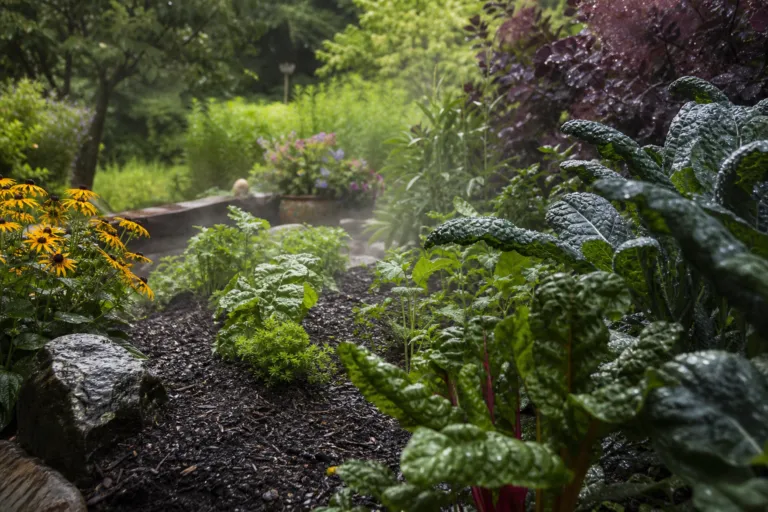
Sunlight, drainage and measured watering often matter more than gardeners expect. A sunny bed with soil that drains within a few hours after rain will usually outperform a darker, wetter site, even if both receive the same fertilizer. Check moisture at root depth, use a rain gauge, and remember that cooler weather reduces evaporation.
Keep the garden going
With the right timing, late autumn can be one of the most rewarding seasons in the vegetable garden. Start with easy crops such as kale, spinach and carrots, then add Brussels sprouts or parsnips as your planning confidence grows. Watch your local forecast, protect plants before extreme cold arrives and harvest regularly. A few rows of well-chosen vegetables can keep dinner fresh long after the summer garden has gone quiet.