Parsnip (Pastinaca sativa) short overview
Parsnip is a cool-season root vegetable grown for its sweet, cream-colored taproot, which develops best after exposure to cold weather. Pastinaca sativa forms a leafy rosette during its first season and normally flowers in its second, producing flat-topped clusters of small yellow blossoms. Cultivated plants are useful in the kitchen, while unmanaged wild forms require care because their sap can cause severe sun-related skin reactions.
Taxonomic classification
Parsnip (Pastinaca sativa) care guide
Light and placement
Grow parsnips in an open bed receiving at least 6 hours of direct sun, preferably with a south- or west-facing aspect. Light afternoon shade is useful in hot climates but can slow root development. Weak, elongated foliage suggests insufficient light; severe midday stress, wilting and premature leaf scorch indicate excessive heat or drought rather than a need for heavy shade.
Watering and humidity
Keep the seedbed evenly moist from sowing through emergence, watering gently so the shallow seed line is not displaced. Once established, water deeply whenever the upper few inches of soil begin to dry, aiming for steady moisture rather than repeated drought and saturation. Reduce watering late in the season only if rainfall is adequate; uneven moisture can produce rough, forked or undersized roots.
Soil and growing medium
Use deep, friable soil free of stones, compacted layers and fresh manure so the taproot can descend without forking. Sandy loam or well-structured loam is ideal, with reliable moisture retention but good drainage. A slightly acidic to neutral soil is suitable; correct severe acidity with a soil-test-based amendment rather than applying lime routinely.
Feeding
Incorporate finished compost before sowing, but do not overfeed with high-nitrogen fertilizer, which encourages foliage at the expense of roots. If growth is weak in poor soil, use a balanced vegetable fertilizer at the low end of the label rate after establishment. Do not fertilize drought-stressed plants or add fresh manure, which can distort roots and increase branching.
Growth and habit
Parsnip usually spends its first season building a foliage rosette and storage root, then bolts after winter chilling. The flowering plant becomes tall and branched before setting seed and dying. For edible roots, remove volunteer flowering plants before seed ripens unless seed production or wildlife value is wanted; wear protection when handling unmanaged plants.
Planting and repotting
Sow fresh seed directly because parsnip seed loses viability quickly and seedlings dislike root disturbance. Prepare a deeply loosened bed, mark the row clearly and keep the surface consistently moist until emergence, which may take several weeks. Thin gradually after seedlings are established, avoiding transplanting the taproot. In hot-summer regions, sow early enough for roots to size before severe heat.
Container culture is possible only in a deep container, preferably at least 12 inches deep, with loose vegetable-growing mix and drainage holes. Parsnips are best sown directly into the final container; avoid repotting or root disturbance after emergence.
Propagation and pruning
Propagation
Propagate by direct sowing fresh seed, preferably where the plants will mature. Germination is often slow and irregular, so maintain surface moisture and mark the row. Do not rely on transplanting because disturbing the developing taproot can cause forking or poor root form.
Pruning
Pruning is generally unnecessary for cultivated first-year plants. Remove flowering stems or entire volunteer plants before seed maturation if preventing spread. When cutting unmanaged wild plants, wear gloves, long sleeves and eye protection, and keep sap away from skin exposed to sunlight.
Overwintering
Established roots tolerate cold soil and can be left in the ground for winter harvest where the soil remains workable. In colder regions, cover the bed with several inches of clean mulch after the ground cools. Protect overwintered roots from repeated thawing, severe frost and rodents; flowering plants require winter chilling to bolt.
Uses
The cultivated root is a traditional edible vegetable used roasted, boiled, mashed, fried, grilled or added to soups and stews. Roots become sweeter after cool weather and light frosts. Flowering plants can provide nectar and pollen for small insect visitors, but wild or poorly identified plants should not be harvested casually because sap exposure can cause phytophotodermatitis.
Appearance
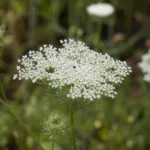
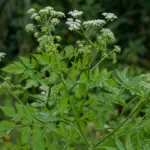
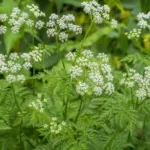
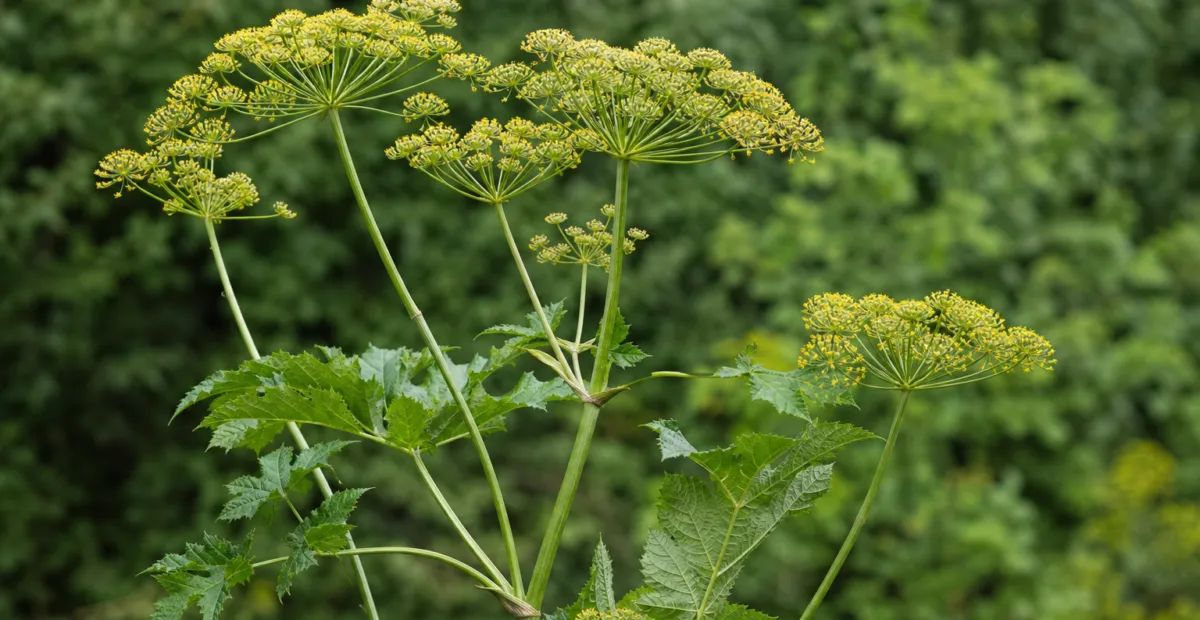
First-year plants have a low rosette of coarse, pinnately compound leaves with toothed leaflets and a prominent pale taproot below ground. In the flowering season, a hollow, ridged, branched stem rises above the rosette and carries many small yellow flowers in flat-topped compound umbels. Wild plants may resemble other Apiaceae species, so identification should include leaf and flower features together.
Flowering
Flowering follows a period of winter chilling and normally occurs in the plant's second season. Numerous tiny yellow flowers are grouped into broad, flat-topped compound umbels. After pollination, the plant forms dry, winged fruits containing the seeds and then completes its life cycle.
Pollination and visitors
The open compound umbels expose nectar and pollen and are visited by small flies, including hoverflies, and other generalist insects associated with Apiaceae flowers. Visitor composition varies by region and flowering habitat; no single animal species is sufficiently documented here as the principal pollinator.
Pastinaca sativa photos
Click any photo for a larger view. Source, author and license are shown separately.
Diseases and pests
Diseases
Use fresh seed, crop rotation and well-drained soil to reduce damping-off, canker and root-rot problems. Remove badly affected plants and avoid overhead irrigation when foliage remains wet for long periods. Good spacing and weed control improve airflow and make leaf symptoms easier to monitor.
Pests
Common problems can include carrot rust flies, aphids, caterpillars and root-feeding pests. Use insect netting over young crops, rotate Apiaceae vegetables, remove heavily infested foliage and encourage beneficial insects. Avoid broad-spectrum insecticides during bloom, and follow all product labels if treatment is necessary.
Toxicity and pollen
Pastinaca sativa includes cultivated parsnips and wild forms with different practical risks. Wild plants contain furanocoumarins in sap and tissues that can cause phytophotodermatitis—painful redness, blistering and prolonged sun sensitivity—after skin contact followed by ultraviolet exposure. Wear protective clothing when handling wild plants, wash exposed skin promptly and seek medical advice for severe reactions.
- Typical season
- May–July in much of the United States
- Pollination / pollen
- Dry, insect-transferred pollen released from exposed anthers
Parsnip flowers produce pollen during the flowering season, but the species is primarily insect-pollinated, so airborne dispersal is generally less dominant than in wind-pollinated plants. Sensitive people may still react to flowering plants or Apiaceae pollen. Avoid handling flowering wild plants on bright sunny days and use protective clothing if allergy or skin sensitivity is a concern.
Native habitat
The species is associated with open, sunny temperate habitats such as fields, roadsides, prairies, disturbed ground, margins and some moist grasslands. It favors soils that are not persistently waterlogged and can persist where mowing or soil disturbance leaves opportunities for seedling establishment. In the United States, wild populations are introduced and may become weedy or invasive locally.
Interesting fact
Parsnip is commonly cultivated as an annual even though the species is biennial. Cold exposure can improve the sweetness of the edible root. The dry fruits are winged and can be moved by wind, rain, animals or human disturbance. Wild populations can contain much more phototoxic furanocoumarin than cultivated roots.
Frequently asked questions (FAQ)
The most relevant questions about this plant, with short and direct answers.
🌱Quick care
What is Pastinaca sativa called in the United States?⌄
Pastinaca sativa is commonly called parsnip in the United States. It is a cool-season root vegetable in the carrot family, Apiaceae.
Is parsnip a perennial or annual plant?⌄
Parsnip is usually grown as a biennial but harvested as an annual root crop. It forms a root in the first season and may flower and produce seed during its second year.
How long does it take parsnips to grow?⌄
Parsnips usually need about 100 to 120 days to reach harvest size. Cool weather and slow early germination can make the crop take longer.
🌤️Environment and placement
How much sun do parsnips need?⌄
Parsnips grow best in full sun but tolerate partial shade. Aim for at least 6 hours of direct sunlight daily for the strongest root development.
What soil is best for growing parsnips?⌄
Use deep, loose, stone-free loam or sandy loam that drains well. Heavy, compacted, rocky, or freshly manured soil can produce forked, twisted, or undersized roots.
Can parsnips grow in clay soil?⌄
Parsnips can grow in clay soil if it is deeply loosened and improved with organic matter. Raised beds are often a better option when clay remains compacted or poorly drained.
How deep should soil be for parsnips?⌄
Provide roughly 12 to 18 inches of loose soil so the long taproots can develop. Remove stones and break up compacted layers before sowing.
💧Care and problems
How often should parsnips be watered?⌄
Keep parsnips moderately and evenly moist throughout the growing season. Water deeply during extended dry periods, because inconsistent moisture can slow growth or contribute to cracked roots.
Should parsnips be fertilized?⌄
Parsnips need moderate fertility rather than heavy feeding. If growth is pale or stunted, a light side-dressing of balanced fertilizer can help, but excessive nitrogen may produce foliage at the expense of roots.
Why are my parsnips forked or misshapen?⌄
Forked or twisted parsnips usually result from stones, compacted soil, fresh manure, or other obstructions in the root zone. Prepare a deep, loose bed and avoid adding fresh organic material immediately before planting.
Why are my parsnips all leaves with small roots?⌄
Excess nitrogen, overcrowding, inadequate sunlight, or compacted soil can produce lush tops and poor roots. Thin seedlings and grow them in deep, loose soil with moderate fertility.
What pests commonly affect parsnips?⌄
Parsnips are relatively low-maintenance, but swallowtail caterpillars, carrot-family root pests, and occasional parsnip webworms may occur. Healthy plants usually tolerate minor leaf damage, while severe infestations should be identified before treatment.
Why are my parsnip roots splitting?⌄
Root splitting is commonly associated with irregular watering, rapid growth, or compacted soil. Maintain even moisture and improve drainage and soil structure before the next crop.
Can parsnips tolerate frost?⌄
Yes, parsnips are cold-hardy and tolerate frost well. Exposure to cool weather often improves sweetness as stored starches convert to sugars.
Can parsnips stay in the ground over winter?⌄
Parsnips can usually remain in the ground over winter, especially when covered with several inches of mulch in colder areas. Harvest them in late winter or early spring before substantial new top growth begins, or the roots may become fibrous.
When are parsnips ready to harvest?⌄
Harvest parsnips when the roots are large enough to use, often after about 100 to 120 days and following cool weather or frost. Loosen the soil with a digging fork before lifting the long roots.
How do you store freshly harvested parsnips?⌄
Remove the foliage, brush off excess soil, and refrigerate the unwashed roots in a perforated bag. Properly stored parsnips generally keep for several weeks.
🪴Planting and repotting
When should you plant parsnip seeds in the United States?⌄
Sow parsnip seeds in early spring as soon as the soil can be worked, generally several weeks before or around the average last frost. In warm regions, a late-summer sowing may also produce a fall or winter crop.
How deep should parsnip seeds be planted?⌄
Plant parsnip seeds about 1/2 inch deep in finely prepared soil. Keep the seedbed evenly moist until seedlings emerge.
How far apart should parsnips be planted?⌄
Sow rows about 18 to 24 inches apart, then thin seedlings to roughly 2 to 4 inches apart. Wider spacing can produce larger roots, while overcrowding limits root development.
Do parsnip seeds germinate slowly?⌄
Yes, parsnip seeds commonly take 2 to 3 weeks to germinate and may emerge unevenly. Fresh seed, consistent moisture, and a soil surface that does not crust improve emergence.
Why are my parsnip seeds not germinating?⌄
Poor germination is often caused by old seed, dry soil, soil crusting, or temperatures that are too cool. Use seed from the current season and keep the seeded row evenly moist without waterlogging it.
How long do parsnip seeds remain viable?⌄
Parsnip seed is short-lived and commonly loses much of its germination ability after about one year. For reliable emergence, use fresh seed each planting season.
✂️Propagation and pruning
Can parsnips be transplanted?⌄
Parsnips are best direct-sown because transplanting can disturb the taproot and cause crooked or forked roots. Sow them in their permanent location rather than starting them in containers.
Can you grow parsnips from scraps?⌄
Parsnip tops may regrow leaves, but they will not reliably produce a new edible root. Grow parsnips from fresh seed for a usable crop.
⚠️Toxicity and safety
Are cultivated parsnips poisonous?⌄
The cultivated root of correctly identified parsnip is an edible food, but the leaves, stems, flowers, and sap should not be treated as food. Wild or volunteer plants can be difficult to identify safely and may cause toxic skin reactions.
Can parsnip leaves cause a rash?⌄
Yes, parsnip foliage and sap can irritate some people, particularly when skin exposure is followed by sunlight. Wear gloves, long sleeves, and pants when thinning, weeding, or harvesting.
Are parsnip greens edible?⌄
Parsnip greens are not recommended for eating because they contain furanocoumarins that may irritate the mouth and skin. Cooking should not be assumed to make the greens safe.
What should you do after touching wild parsnip sap?⌄
Wash the exposed skin promptly with soap and water and protect it from sunlight for at least 48 hours. Blistering, severe pain, or a widespread reaction warrants medical advice.
How can you tell cultivated parsnips from wild parsnips?⌄
Do not rely on appearance alone because cultivated and wild forms are closely related and can be confused with other Apiaceae plants. Only eat roots from a known, intentionally grown seed source, and avoid handling unidentified roadside plants.
🌸Flowering and special interest
Do parsnips flower?⌄
Yes, parsnips flower during their second year if the roots are left in the ground. They produce tall branched stems with small yellow flowers arranged in umbrella-shaped clusters.
What does it mean when a parsnip bolts?⌄
Bolting means the parsnip sends up a flower stalk instead of continuing root development. Once substantial flowering growth begins, the root usually becomes tougher and less flavorful, so harvest overwintered roots before bolting.