
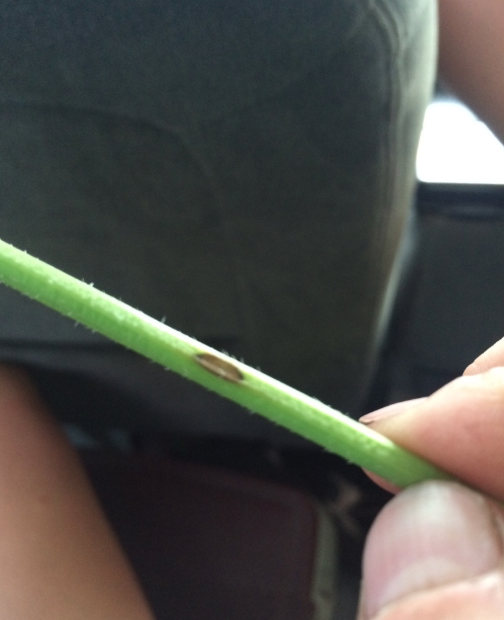
Alternaria leaf blight of carrot
Alternaria dauciAlternaria leaf blight of carrot overview
Alternaria dauci causes carrot Alternaria leaf blight, a fungal disease that usually begins as small brown to black spots with yellow margins on older leaflets. During warm, wet weather, lesions enlarge and merge, producing scorched, curling foliage and sometimes killing the carrot top. Severe early infection can reduce root size and cause tops to break during harvest.
Typical conditions
Overview
Alternaria leaf blight is one of the principal fungal blights of carrot in the United States. The disease is most important when infection begins early or when warm, humid, rainy weather repeatedly keeps foliage wet. It can resemble Cercospora leaf blight or bacterial leaf blight, so diagnosis based only on a photograph is not always reliable.
Alternaria dauci generally becomes most conspicuous on older, lower leaves first. With continued infection, lesions merge, leaves appear burned or blackened, and the top may collapse. The storage root is not usually the primary infection site, although severe foliar loss can indirectly reduce root growth and quality.
Symptoms and identification
- Small, irregular brown to black spots usually begin near leaflet margins and tips, often with a yellow or pale-green halo.
- Older, lower leaflets are commonly affected before younger foliage.
- Lesions enlarge and coalesce, producing curled, shriveled, scorched-looking leaves.
- Elongated dark lesions may develop on petioles and girdle individual leaves.
- Severe disease can kill much of the carrot top, weaken foliage, and cause tops to break during mechanical harvest.
- Seedlings may be blighted or damped off under favorable conditions. Root symptoms are not the usual primary field symptom, although shallow dark lesions have been reported and severe top loss can leave roots small.
Similar symptoms can be caused by Cercospora carotae or Xanthomonas campestris pv. carotae. Laboratory confirmation may be needed when management or regulatory decisions depend on species-level identification.
Causes and spread
The pathogen is commonly introduced on or in contaminated carrot seed and can also survive on volunteer carrots, wild carrot, and infected crop residue. Spores form readily on older necrotic tissue and are moved locally by splashing rain, overhead irrigation, wind-driven droplets, workers, and equipment.
New infections require moist foliage. Repeated wetting, dense canopies, poor air circulation, and plant stress increase the chance of rapid disease development. The fungus generally declines after infected residue decomposes, so residue management and rotation reduce inoculum over time.
Life cycle and persistence
Alternaria dauci survives between crops mainly in infected seed, volunteer plants, wild carrot, and crop debris. When humidity and moisture are favorable, it produces airborne conidia on lesions and dead tissue. Conidia germinate in water droplets or dew and penetrate wet leaf or petiole tissue.
At approximately 61–77°F, infection may occur after about 8–12 hours of leaf wetness; infection can also occur across a wider temperature range, with disease development favored near 82°F. New lesions produce additional spores, creating repeating cycles during extended warm, wet periods. Seed transmission can cause early seedling infection, while late-season foliar disease commonly spreads upward from older leaves.
Treatment and control
Remove and discard heavily blighted leaves in small plantings when this can be done without spreading wet debris. Do not compost diseased carrot material unless the composting system reliably reaches pathogen-killing temperatures. Improve drying immediately by stopping unnecessary overhead irrigation, thinning excessive surrounding growth, and correcting drainage or crowding.
In commercial or high-value plantings, fungicide decisions are most effective when made preventively or at the earliest disease-risk stage, because fungicides protect healthy tissue better than they restore dead leaves. Follow local extension recommendations, resistance-management guidance, and any disease-warning or forecasting system available for the production region. A commonly cited action threshold for fungal carrot blights is about 25% of examined leaves with one or more lesions, but the appropriate threshold varies with crop value, cultivar, weather, harvest timing and local recommendations.
Low-impact and biological control
Organic management is primarily preventive and cultural. Use clean seed, resistant or tolerant varieties when available, crop rotation, sanitation, removal of volunteer and wild carrot hosts, drip irrigation, and improved canopy airflow. Apply only biological or mineral disease-control products that are certified or permitted for organic production and specifically labeled for the crop and disease in the United States.
Research on beneficial carrot-associated bacteria and fungi, including endophytes and organisms related to Bacillus and Pseudomonas, is promising but should not be treated as a guaranteed cure. Commercial biological products can perform inconsistently under field conditions; use them as one component of an integrated program and follow the product label exactly.
Prevention
- Start with tested, pathogen-free seed or seed treated by a method approved for carrot production.
- Choose cultivars described by a reliable seed supplier or extension source as having improved tolerance or partial resistance; resistance is not complete and performance varies by cultivar and region.
- Rotate carrots and other potentially susceptible Apiaceae away from the same bed for at least two years where practical, using non-host crops during the interval.
- Remove volunteer carrots and manage wild carrot or Queen Anne’s lace near production areas when permitted and appropriate.
- Promptly incorporate or remove diseased residue so it decomposes rather than remaining on the soil surface.
- Use drip or furrow irrigation instead of overhead irrigation, water early enough for foliage to dry, and avoid working among wet plants.
- Maintain adequate spacing, weed control, balanced fertility and irrigation to improve drying and reduce plant stress.
- Scout older leaves regularly during warm, wet weather and distinguish Alternaria symptoms from Cercospora and bacterial blight.
Interesting facts
- Alternaria dauci is often called carrot Alternaria leaf blight or carrot leaf blight.
- The pathogen is distinct from Alternaria radicina, which is associated with carrot black rot and can produce more important crown and root symptoms.
- Controlled-environment studies indicate that A. dauci can infect several Apiaceae species, including dill, fennel, celery, parsley, coriander and parsnip, but the importance of these plants as alternate hosts varies and field evidence is not equally strong for every species.
- Wild carrot, including Queen Anne’s lace, can harbor inoculum near cultivated carrots.
- Partial resistance exists in carrot germplasm, but cultivars differ in disease response and no variety should be assumed immune.
- Leaf blight matters economically because it reduces green leaf area and can cause tops to break during harvest, leaving roots in the ground.
Use only fungicides legally registered and currently labeled in the United States for carrots and Alternaria leaf blight or the applicable crop-disease wording in your state. Follow the current label for rate, timing, application method, personal protective equipment, reentry interval, preharvest interval, seasonal limits and resistance-management requirements. Product registrations and labels change; check the EPA label and your state pesticide authority or extension service before use. Never apply a product solely because it is labeled for a different Alternaria disease, crop or country.
Affected plants
The plants below are linked to this problem by structured host-plant data. The list updates automatically as new plant profiles are added.
 Dill (Anethum graveolens) care guideAnethum graveolens
 Wild Celery (Apium graveolens) care guideApium graveolens
 Wild carro (Daucus carota) care guideDaucus carota
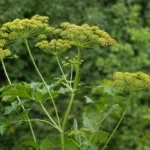 Parsnip (Pastinaca sativa) care guidePastinaca sativa
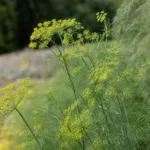 Fennel (Foeniculum vulgare) care guideFoeniculum vulgare
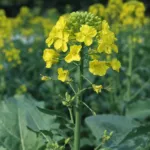 Rapeseed (Brassica napus) care guideBrassica napus
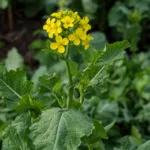 Urnip rape (Brassica rapa) care guideBrassica rapa
 Cornsalad (Valerianella locusta) care guideValerianella locusta
 Multiceps Group (Brassica juncea Multiceps Group)Brassica juncea Multiceps Group
 Sweet-William (Dianthus barbatus) care guideDianthus barbatus
 Common juniper (Juniperus communis) care guideJuniperus communis