
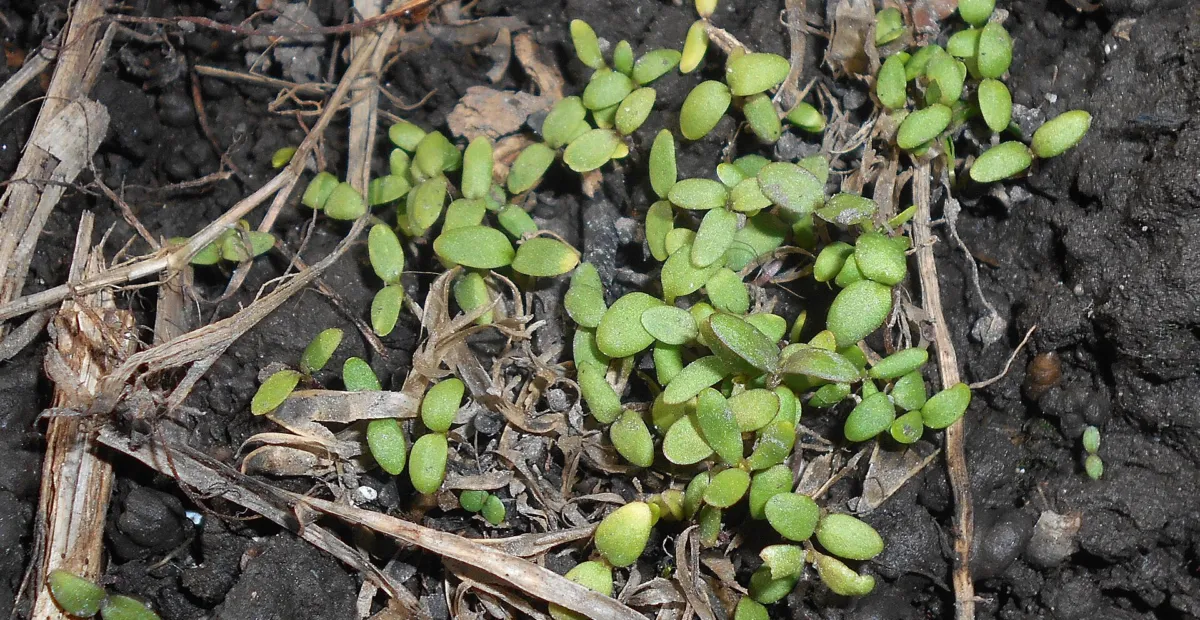
 Source:
 Sweet-William (Dianthus barbatus) short overview
Sweet William (Dianthus barbatus) is a cool-season garden favorite usually grown as a biennial, though some plants persist briefly as perennials or self-sow. Upright stems carry dense, flat-topped clusters of five-petaled flowers in pink, red, white, purple, and bicolored shades. Give it full sun, fertile but sharply drained soil, moderate water, and space for air circulation. It suits borders, containers, cutting gardens, and pollinator plantings.
Taxonomic classification
Sweet-William (Dianthus barbatus) care guide
Light and placement
Grow in full sun, ideally with at least 6 hours of direct light and good morning exposure. In hot climates, provide light afternoon shade to reduce heat stress. Too little light produces lanky stems, weaker flowering, and fewer flower heads; excessive reflected heat combined with dry soil can scorch foliage and shorten the display.
Watering and humidity
Water deeply when the upper inch of soil begins to dry, then allow excess water to drain fully. Keep seedlings evenly moist, but do not keep mature plants constantly wet. Reduce irrigation during cool, rainy periods and increase it during hot, dry weather. Normal outdoor humidity is sufficient; crowded, humid foliage benefits from improved airflow.
Soil and growing medium
Use fertile, well-drained loam or sandy loam with good air space around the roots. Sweet William tolerates slightly alkaline or calcareous ground and performs poorly where soil stays saturated. Improve heavy clay with organic matter and drainage amendments, but avoid creating a rich, waterlogged planting pocket.
Feeding
Mix a modest amount of compost into the planting area before planting. If growth is pale or weak, apply a balanced, slow-release fertilizer at the label rate in spring, or use a dilute liquid feed during active growth. Avoid heavy nitrogen or late-season feeding, which can produce soft foliage and reduce winter resilience.
Growth and habit
Plants form a dense leafy rosette before sending up upright, usually unbranched flowering stems. The species is typically biennial, but self-sowing, cultivar genetics, and climate can make it behave as an annual or short-lived perennial. Deadheading can extend the display, while leaving some heads intact encourages reseeding.
Planting and repotting
Plant nursery starts in spring or early fall, or sow seed in late spring to midsummer for flowering the following season. Press seed onto the surface or cover only lightly, since light supports germination. Space plants about 6–12 inches apart, depending on cultivar, and keep the seedbed evenly moist until established.
Container-grown plants can be moved in spring or early fall. Transplant before flowering when possible, keeping the crown at its original level. Choose a pot with drainage holes and refresh compacted mix rather than repeatedly shifting the plant into an oversized container.
Propagation and pruning
Propagation
Sow seed in late spring or summer for overwintered rosettes and next-season flowers. Provide light, consistent moisture during germination, then thin seedlings. Division is possible for established clumps, preferably in spring or early fall, but seed is the more dependable method for maintaining a population.
Pruning
Deadhead spent flower heads to improve appearance and redirect energy, or leave selected heads to mature if self-sowing is wanted. After flowering, remove yellowing stems and foliage. Do not cut back healthy overwintering rosettes until spring unless they are diseased or damaged.
Overwintering
Established plants generally overwinter outdoors in USDA Zones 3–9, although cultivar hardiness varies. Water newly planted rosettes before the ground freezes, then apply a light winter mulch in cold regions after the soil cools. Remove heavy mulch in spring to prevent crown rot. Containers are more vulnerable to root freezing than plants in the ground.
Uses
Use Sweet William in cottage borders, mass plantings, containers, balcony displays, pollinator gardens, and cutting gardens. The flower heads are useful in arrangements. Some extension guidance describes dianthus petals as edible when correctly identified and grown without pesticides, but remove the bitter white petal base and do not consume florist flowers or treated plants.
Appearance
Sweet William has smooth, opposite, narrow lance-shaped leaves that are blue-green to gray-green. The stems are usually smooth and upright, with several pairs of leaves. Its most distinctive feature is the flat-topped terminal head made of many tightly packed flowers, often with contrasting eyes, margins, or color patterns.
Flowering
Dense terminal heads contain many small, five-petaled flowers with toothed or fringed petal margins. Flower colors range from white and pink to red, purple, and contrasting bicolors. In much of the United States, typical flowering is in late spring and early summer; cool conditions can extend the display.
Pollination and visitors
NC State Extension records bees and Lepidoptera, including butterflies and moths, as visitors or pollinators. The clustered, colorful flowers provide a useful late-spring and early-summer nectar resource, although the species is not native to North America and should be combined with regionally native plants for broader habitat value.
Dianthus barbatus photos
Click any photo for a larger view. Source, author and license are shown separately.
Diseases and pests
Diseases
Reduce disease pressure with full sun, good spacing, careful watering, and removal of declining foliage. Watch for Fusarium wilt, Alternaria leaf spot, Botrytis, rust, and root problems in wet soil. Remove affected material promptly and avoid replanting diseased stock in the same soil.
Pests
Inspect for aphids, slugs, snails, spider mites, and thrips, especially in crowded or stressed plantings. Hand-pick slugs and snails, rinse soft-bodied insects from foliage, and encourage beneficial insects. Use labeled treatments only when monitoring shows a real need, and improve spacing and airflow before spraying.
Related diseases and pests
Only Plant Doctor profiles whose host data indicate this plant may be affected are shown here.
 DiseaseFusarium wiltFusarium oxysporum species complex
 PestMelon thripsThrips palmi Karny
 DiseaseGray MoldBotrytis cinerea
 PestEuropean Grapevine MothLobesia botrana
 DiseaseImpatiens necrotic spot virus diseaseImpatiens necrotic spot orthotospovirus
 DiseaseAlternaria leaf spot and fruit rotAlternaria alternata
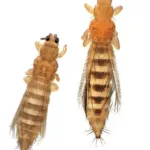 PestOnion thripsThrips tabaci Lindeman
 PestChilli thripsScirtothrips dorsalis Hood
Toxicity and pollen
NC State Extension reports low toxicity, with triterpenoid saponins identified as the toxic principle and leaves listed as the problematic part. Ingestion may cause stomach upset, while contact can cause brief skin irritation or dermatitis. Keep plant material away from children and pets, and seek professional advice after significant ingestion.
- Typical season
- Late spring to early summer
- Pollination / pollen
- Insect-dispersed pollen
Sweet William is insect-pollinated, so its pollen is generally less readily dispersed through the air than pollen from wind-pollinated plants. Species-specific clinical allergy data are limited, however, and flowering plants can still bother particularly sensitive people. Avoid rubbing eyes after handling flowers and monitor individual reactions.
Native habitat
The species is native across European mountain regions and parts of temperate Asia, including areas associated with the Pyrenees, Carpathians, Balkans, Korea, and the Russian Far East. It grows in temperate climates and favors open, well-drained soils rather than persistently wet ground. It is introduced in many parts of the United States.
Interesting fact
Sweet William is commonly grown as a biennial: it usually forms a leafy rosette in its first season and flowers after winter. The species can self-sow readily when seed is allowed to mature. Its flower heads are composed of numerous small flowers rather than one single bloom. Cultivars may be sold as annuals, biennials, or short-lived perennials depending on their breeding and climate.
Frequently asked questions (FAQ)
The most relevant questions about this plant, with short and direct answers.
🌱Quick care
What is Sweet-William?⌄
Sweet-William is the common name for Dianthus barbatus, a flowering plant in the carnation family, Caryophyllaceae. It is usually grown as a biennial or short-lived perennial, although some cultivars flower their first year.
How much sun does Sweet-William need?⌄
Sweet-William grows best in full sun, meaning at least 6 hours of direct sunlight daily. In hot climates, it can benefit from light afternoon shade.
How often should I water Sweet-William?⌄
Water Sweet-William moderately, keeping the soil evenly moist but not soggy. Allow the soil surface to dry slightly between waterings, especially in containers.
Is Sweet-William cold hardy?⌄
Yes, Sweet-William is cold hardy and is commonly grown in USDA Zones 3 through 9. Winter survival is best in well-drained soil, since wet conditions can cause crown rot.
How big does Sweet-William get?⌄
Sweet-William commonly grows about 12 to 24 inches tall and 6 to 12 inches wide. Dwarf cultivars may remain considerably shorter.
🌤️Environment and placement
What is the best soil for Sweet-William?⌄
Sweet-William prefers fertile, well-drained loam or sandy loam enriched with organic matter. Neutral to slightly alkaline soil is generally suitable, but the most important requirement is good drainage.
Can Sweet-William grow in partial shade?⌄
Yes, Sweet-William tolerates partial shade, particularly in regions with hot summers. Too much shade can reduce flowering and make plants more prone to slug damage.
Can Sweet-William grow in containers?⌄
Yes, Sweet-William grows well in containers with drainage holes and a fertile, well-drained potting mix. Choose a container large enough for the plant’s mature size and water when the mix begins to dry.
Is Sweet-William drought tolerant?⌄
Sweet-William has some short-term drought tolerance once established but performs best with moderate, consistent moisture. Extended dry conditions can reduce growth and flowering.
Is Sweet-William deer resistant?⌄
Sweet-William is generally considered relatively resistant to deer and rabbits. Resistance is not absolute, especially when other food sources are scarce.
💧Care and problems
How do I care for Sweet-William after planting?⌄
Provide full sun to partial shade, moderate water, fertile well-drained soil, and occasional deadheading. Good airflow and avoiding wet foliage help reduce disease problems.
Why is my Sweet-William not flowering?⌄
Sweet-William may fail to flower because it is still in its first vegetative year, receives too much shade, or is stressed by poor drainage or inconsistent moisture. Some early-flowering cultivars can bloom the first year when started early.
Why is my Sweet-William turning yellow?⌄
Yellow leaves commonly result from overwatering, poor drainage, nutrient stress, or disease. Check that excess water can drain freely and inspect the crown and foliage for rot or rust symptoms.
What pests attack Sweet-William?⌄
Slugs, snails, and aphids are among the pests that may attack Sweet-William. Slugs and snails are especially troublesome in damp or shaded locations.
What diseases affect Sweet-William?⌄
Sweet-William can be affected by crown rot, rust, powdery mildew, Fusarium wilt, and some viral diseases. Well-drained soil, good spacing, and clean watering practices help limit problems.
How should I prevent crown rot in Sweet-William?⌄
Prevent crown rot by planting Sweet-William in well-drained soil and avoiding consistently wet conditions around the crown. Do not bury the crown deeply, and reduce watering during cool, rainy periods.
🪴Planting and repotting
When should I plant Sweet-William seeds?⌄
In much of the United States, sow Sweet-William seeds in late spring or early summer for flowers the following year. In mild regions, fall sowing may also work, while early-started cultivars may flower during their first season.
How do I grow Sweet-William from seed?⌄
Sow the seeds shallowly on well-drained seed-starting mix, keep them evenly moist, and provide bright light after germination. Transplant seedlings once they are sturdy, spacing them about 6 to 12 inches apart depending on cultivar size.
Does Sweet-William need cold stratification?⌄
Sweet-William seeds generally do not require an elaborate cold-stratification treatment for garden sowing. Cultivar and production methods differ, so follow the seed packet instructions when they specify a treatment.
Can I transplant Sweet-William seedlings?⌄
Yes, transplant Sweet-William seedlings when they have several true leaves and can be handled without disturbing the roots excessively. Set them at the same depth they were growing and water them in thoroughly.
How far apart should I plant Sweet-William?⌄
Space Sweet-William plants about 6 to 12 inches apart, depending on the cultivar and desired density. Wider spacing improves airflow and can help reduce foliar disease.
Can Sweet-William survive winter in the ground?⌄
Yes, Sweet-William can survive winter in the ground in suitable USDA Zones, especially when planted in well-drained soil. In colder areas, a light mulch can protect crowns from repeated freeze-thaw cycles.
✂️Propagation and pruning
How do I propagate Sweet-William?⌄
Sweet-William is most commonly propagated by seed, and plants may also be divided when appropriate. Seed-grown plants may vary from the parent, particularly double-flowered cultivars.
Will Sweet-William reseed itself?⌄
Yes, Sweet-William can reseed itself when flowers are allowed to produce seed. Volunteer seedlings may not reproduce the exact flower color or form of named cultivars.
Should I deadhead Sweet-William?⌄
Deadhead Sweet-William to keep plants tidy and encourage additional flowering. Leave some flower heads in place if you want the plant to produce seed and reseed.
Does Sweet-William come back every year?⌄
Sweet-William is typically biennial or short-lived perennial rather than a reliably long-lived perennial. It may return through reseeding, and some cultivars can persist for several years under favorable conditions.
Can I divide Sweet-William plants?⌄
Sweet-William may be divided, but seed propagation is usually more practical and reliable. Division works best with healthy, established clumps during cool weather, with each division retaining roots and shoots.
⚠️Toxicity and safety
Is Sweet-William toxic to dogs and cats?⌄
Sweet-William has low-toxicity characteristics, but chewing or eating it may still cause mild gastrointestinal upset in pets. Contact a veterinarian or a pet-poison service if a pet consumes a large amount or develops symptoms.
Is Sweet-William poisonous to humans?⌄
Sweet-William is considered low in toxicity, but it is not a food plant and should not be eaten. Some people may experience skin irritation or allergic reactions when handling it.
Can Sweet-William cause skin irritation?⌄
Yes, Sweet-William may act as a skin allergen in sensitive people. Wear gloves when handling the plant and wash exposed skin afterward if irritation occurs.
🌸Flowering and special interest
When does Sweet-William bloom?⌄
Sweet-William usually blooms from late spring into early summer, although flowering can continue longer in favorable conditions. Bloom time varies with climate, sowing date, and cultivar.
What colors do Sweet-William flowers come in?⌄
Sweet-William flowers may be white, pink, red, burgundy, purple, or bicolored. Many cultivars have contrasting eyes, fringed petals, or double flowers.
Are Sweet-William flowers fragrant?⌄
Many Sweet-William cultivars are fragrant, often with a sweet, spicy scent. Fragrance strength varies by cultivar and may be less noticeable in hot weather.
Is Sweet-William good for pollinators?⌄
Yes, Sweet-William flowers can attract bees, butterflies, and other flower-visiting insects. Single-flowered forms may provide easier access to pollen and nectar than densely double forms.
Is Sweet-William a good cut flower?⌄
Yes, Sweet-William is valued as a cut flower because its dense flower clusters provide strong color and its stems are useful in arrangements. Harvest stems when the outer flowers in a cluster are beginning to open.
Similar plants
 Azure Monkshood (Aconitum carmichaelii) care guideAconitum carmichaelii
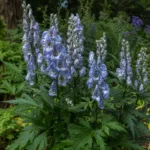 Monkshood (Aconitum ‘Stainless Steel’)Aconitum 'Stainless Steel'
 Monkshood (Aconitum ‘Bressingham Spire’)Aconitum 'Bressingham Spire'
 Golden full moon maple (Acer shirasawanum ‘Aureum’)Acer shirasawanum 'Aureum'
 Globosum (Acer platanoides ‘Globosum’)Acer platanoides 'Globosum'
 Striped maple (Acer pensylvanicum) care guideAcer pensylvanicum