Lucky bamboo has a reputation for being nearly indestructible, but even this easygoing houseplant can decline. Yellow leaves, a soft or darkening stem, limp growth and a cloudy vase usually point to a problem with light, water quality, temperature or damaged roots—not bad luck.
The good news is that lucky bamboo often recovers when you correct the growing conditions quickly. Start by identifying whether your plant grows in water or soil, then inspect the stems and roots before changing anything. A healthy green stem can often produce new roots or shoots even after a difficult spell.
First, know what “lucky bamboo” really is
Lucky bamboo is not a true bamboo. It is Dracaena sanderiana, a tropical foliage plant sold as individual canes, clusters, braids and decorative twists. Most plants are grown in water, although they can also live successfully in a well-drained potting mix.
You may see several forms in stores:
- Green-stemmed plants: the classic solid-green form, usually the most forgiving and easiest to assess when it is stressed.
- Variegated forms: leaves may have white or pale stripes. They generally need brighter indirect light to maintain strong markings.
- Single canes and clusters: a single cane is easier to isolate when trouble begins, while a crowded arrangement can hide rotting roots or a failing stem.
The decorative shape does not change the basic care. Braided or twisted plants still need indirect light, clean water and protection from temperature extremes.

Recognize the warning signs
Yellow leaves
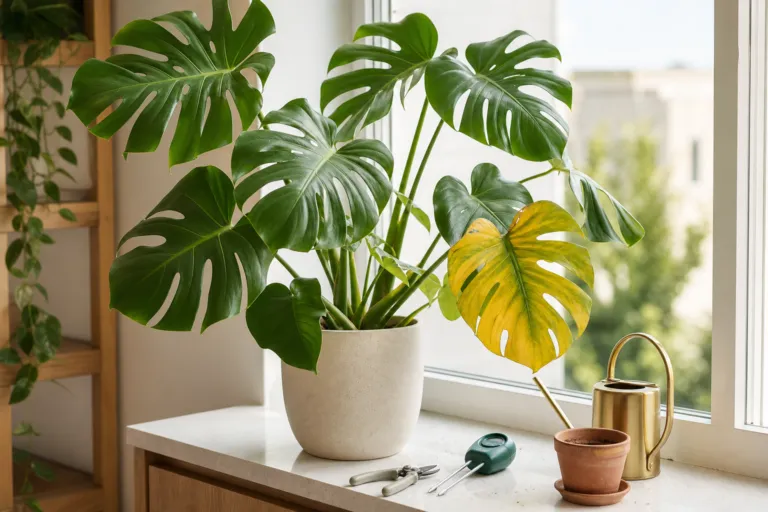
An occasional older leaf turning yellow is not automatically serious. A sudden flush of yellow leaves, however, usually means the plant is under stress. Common causes include harsh direct sun, constantly wet soil, cold exposure, poor water quality, overfertilizing or roots that are beginning to rot.
Trim completely yellow leaves with clean scissors. They will not turn green again, but removing them helps the plant direct energy toward healthier growth.
Brown tips and edges
Brown tips often follow inconsistent watering, very dry indoor air, exposure to a heater or draft, or sensitivity to minerals in tap water. Fluoride is especially associated with leaf-tip damage in some dracaenas, and letting water sit may reduce chlorine but will not remove fluoride.
Brown tissue will not heal. You can trim the damaged portion, following the natural shape of the leaf, but avoid cutting into healthy green tissue more than necessary.
Soft, yellow or darkening stems
This is the most urgent symptom. A firm green cane may recover; a stem that feels mushy, smells unpleasant or turns yellow from the base is usually rotting. Act promptly by separating it from the rest of the arrangement.
Drooping or slow growth
Drooping can result from damaged roots, too little light, cold air or a sudden change in location. Lucky bamboo tolerates low light, but “low light” does not mean a dark cupboard or a room with no useful daylight. Growth will be slower in dim conditions, and variegated plants may lose some of their contrast.
The quickest rescue plan
When your plant looks unwell, avoid making several drastic changes at once. Use this simple sequence:
- Move it out of direct sun. Choose a bright room with filtered or indirect light, several feet from a sunny window if the leaves are scorching.
- Check the temperature. Keep the plant away from cold windows, exterior doors, air-conditioning vents and radiators. Tropical dracaenas dislike sudden cold and hot, dry blasts.
- Inspect the roots and stem. Healthy roots are generally firm and pale to tan. Cut away black, slimy or clearly decayed roots with clean scissors.
- Refresh the growing environment. For water-grown plants, rinse the container and pebbles and replace the old water. For soil-grown plants, check that the pot has a drainage hole.
- Remove only dead or rotting material. Do not strip healthy leaves or cut a firm green cane simply because it has a few brown tips.
- Wait and watch. Give the plant steady conditions for two to four weeks before judging the result. New leaves and firming growth are better recovery signs than a quick change in old foliage.
How to save lucky bamboo growing in water
Water culture is attractive and convenient, but the roots still need oxygen and the water must stay clean. A vase that looks decorative can become a stagnant environment if it is overcrowded or rarely refreshed.
Use a practical water routine
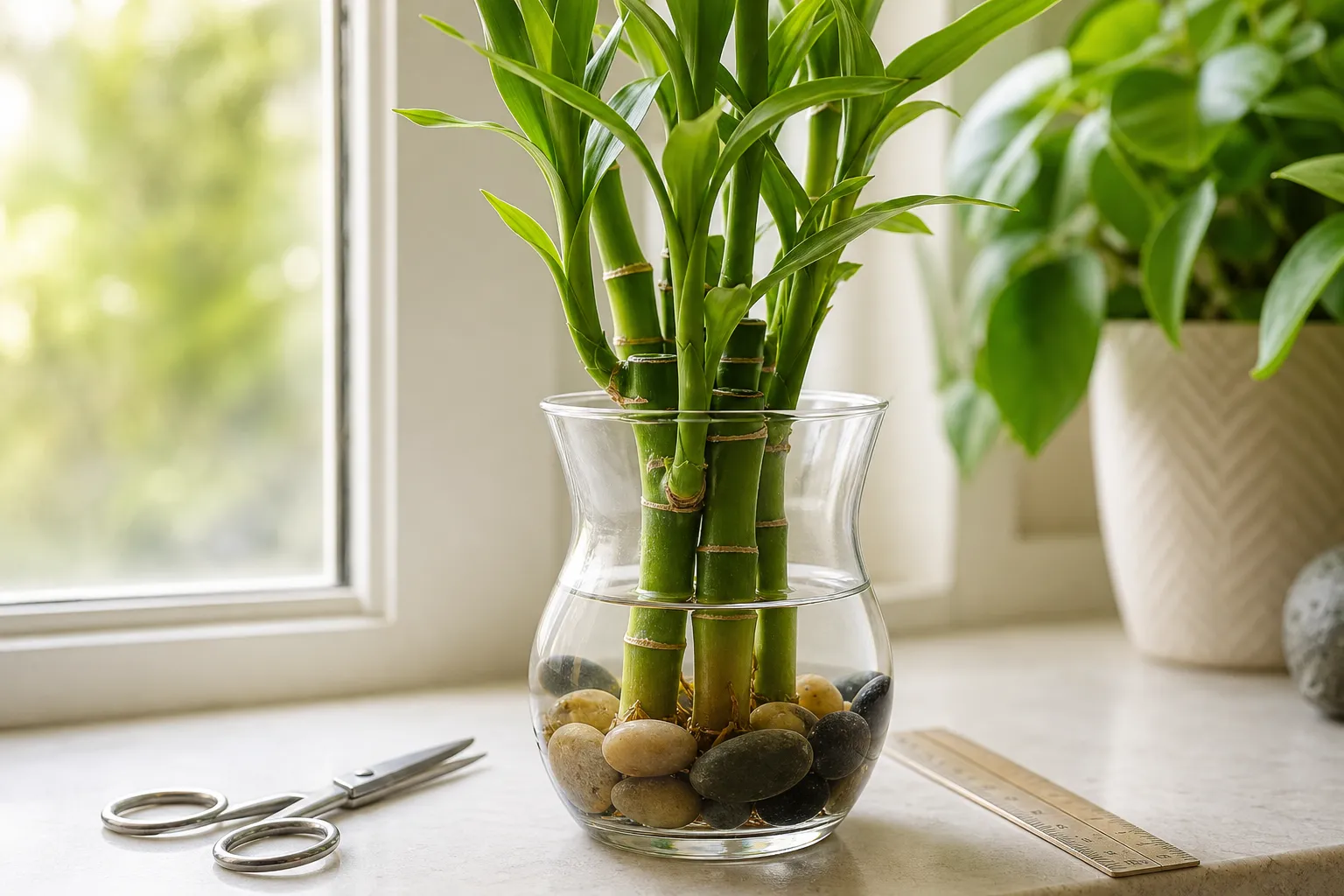
Check the water every few days. Keep enough water to cover the roots, but do not submerge a long section of cane. As a useful starting point, aim for roughly 1 to 2 inches of water above the root mass, adjusting the level to the container and root length.
Replace the water about once a week, or sooner if it becomes cloudy, develops an odor or collects debris. At each change, rinse the container and gently wash away slime from the roots. Avoid scrubbing or snapping delicate new roots.
If your tap water produces repeated brown tips, try filtered water or another reliable low-mineral source. Room-temperature water is kinder to the roots than very cold water. Do not assume that leaving water out overnight solves every water-quality issue; it may allow chlorine to dissipate, but it does not remove fluoride or dissolved minerals.
What to do with a rotting cane
Remove a soft cane from the arrangement immediately. If only the lower section is damaged, cut above the rotten tissue with a sterilized blade until the cut surface is firm and clean. Place the healthy upper section in fresh water so that only the lower end sits below the surface.
If the entire cane is soft or discolored, discard it rather than allowing decay to spread through a shared vase. Keep any healthy canes in a separate container while you monitor them.
Do not overfeed
Lucky bamboo growing in water needs very little fertilizer. Excess fertilizer can damage roots and contribute to yellowing, especially when the plant receives little light. If you feed, use a product labeled for houseplants and dilute it substantially according to the label; more is not better. A recovering plant is usually better served by clean water and stable light than by extra fertilizer.
How to rescue lucky bamboo in soil
Soil-grown lucky bamboo needs a different watering approach. The potting mix should hold some moisture but drain freely. A container without a drainage hole makes it difficult to correct overwatering and greatly increases the chance of root problems.
Push a finger about 1 inch into the potting mix. If that upper layer feels dry, water thoroughly until a little drains from the bottom, then empty the saucer. If the mix still feels damp, wait and check again in a few days. Do not water on a fixed calendar: light, pot size, indoor temperature and season all affect how quickly the mix dries.
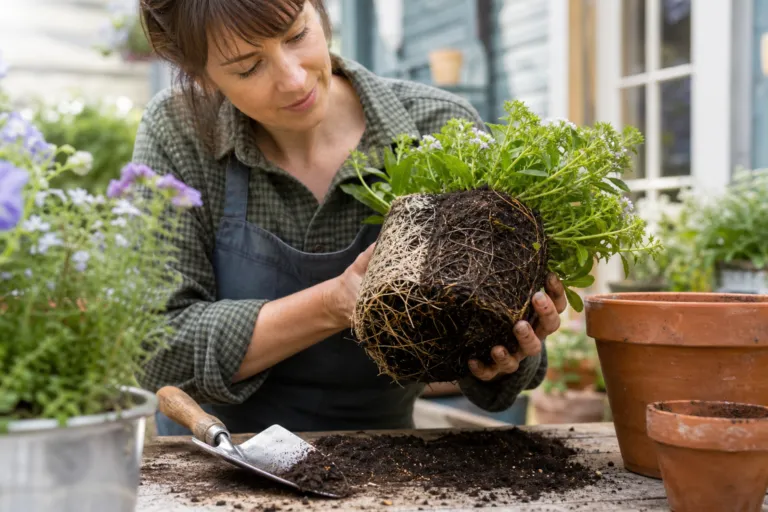
If the soil smells sour, stays wet for many days or the plant wilts despite damp soil, slide it gently from the pot and inspect the roots. Remove mushy roots, then repot into fresh, airy houseplant mix in a clean pot with drainage. Choose a pot only slightly larger than the remaining root ball; an oversized container stays wet longer.
Find the right light
The best position is bright, indirect light. An east-facing window often works well, while a sunny south- or west-facing window may need a sheer curtain or some distance from the glass. Direct afternoon sun can bleach or scorch leaves, particularly after a plant has been kept in a dim store or office.
To test a new location, watch the plant for two weeks. Pale, stretched growth and widely spaced leaves suggest that it needs more light. Tan patches or crisp bleached areas suggest too much direct sun. Turn the container a quarter turn once a week so growth remains more even.
In a dark winter room, a small grow light can help. Keep it far enough away to avoid heating the leaves, and give the plant a consistent daily period of darkness rather than leaving the light on continuously.
A simple home growing experiment
If you are unsure whether light is the main issue, try a small comparison rather than moving the whole collection. Place one healthy cane in bright, indirect light and keep another in a dimmer but still usable room. Give both the same water, container type and temperature.
Record the date, water level and leaf condition once a week for four weeks. Measure the water with a small ruler: begin with about 1 to 2 inches covering the roots, then top up only when the level drops below the roots. This simple record can reveal whether your plant is declining from inconsistent care rather than from a mysterious disease.
Check for pests before you blame the water
Spider mites, scale insects and mealybugs can affect dracaenas. Look closely at the undersides of leaves, leaf joints and the cane surface. Watch for fine webbing, pale stippling, cottony clusters, hard bumps or sticky residue.
For a light infestation, isolate the plant and wipe affected areas with a damp cloth or rinse the foliage gently with lukewarm water. Repeat inspections every few days. If you use an insecticidal soap or horticultural oil, choose a product labeled for indoor plants, follow the label exactly and test a small area first.
When should you cut and restart the plant?
Propagation is worth trying when the roots are failing but part of the cane remains firm and green. Use a clean, sharp tool and make the cut well above any soft or discolored tissue. Place the healthy section in clean water under bright, indirect light.
Keep the water shallow enough to cover only the lower portion. Change it regularly and be patient: root development may take several weeks. Do not propagate from a cane that is soft throughout, foul-smelling or visibly collapsing.
Prevention: the care routine that keeps lucky bamboo steady
- Give it bright, indirect light rather than direct midday sun or deep darkness.
- Keep water-grown plants in fresh, clean water with roots covered but canes mostly above the waterline.
- Use filtered water if recurring brown tips suggest a mineral or fluoride problem.
- For soil-grown plants, use a draining pot and water when the upper inch of mix feels dry.
- Keep the plant away from drafts, heating vents and cold glass.
- Turn the container occasionally for balanced growth.
- Inspect leaves, roots and stems whenever you change the water or move the plant.
- Feed sparingly, especially during low-light periods or while the plant is recovering.
Give your plant time to recover
Saving lucky bamboo is usually less about a dramatic treatment and more about removing the source of stress. Clean water, suitable light, stable temperatures and prompt removal of rot can make a remarkable difference.
Remember that damaged leaves stay damaged, so judge progress by new roots, firm stems and fresh growth. If you correct the conditions and stay consistent, a struggling lucky bamboo often has a second chance—and your next care routine will be much easier to fine-tune.