Amaranth earns its place in the garden with almost theatrical flair. Depending on the type you choose, it may produce cascading tassels, upright plumes, colorful foliage, or round, papery flower heads that keep their shape long after summer has passed. It is also one of the more rewarding annuals to grow from seed: the plants grow quickly once warm weather arrives, and a small packet can fill a sunny border or cutting garden.
For beginners, amaranth offers a useful lesson in patience. The seeds are tiny, seedlings need a little attention at first, and the plant does not appreciate chilly soil. Once established, however, it becomes an easygoing summer performer. Choose a warm, sunny location, keep young plants evenly watered, and you can look forward to striking flowers from midsummer into fall.
First, choose the right kind of amaranth
“Amaranth” describes a group of related plants rather than one single garden form. Before buying seed, check the botanical name and the mature height listed on the packet. Ornamental varieties are usually selected for their flowers, foliage, or dramatic form, while some amaranths are grown as leafy greens or grain crops.
Popular ornamental choices
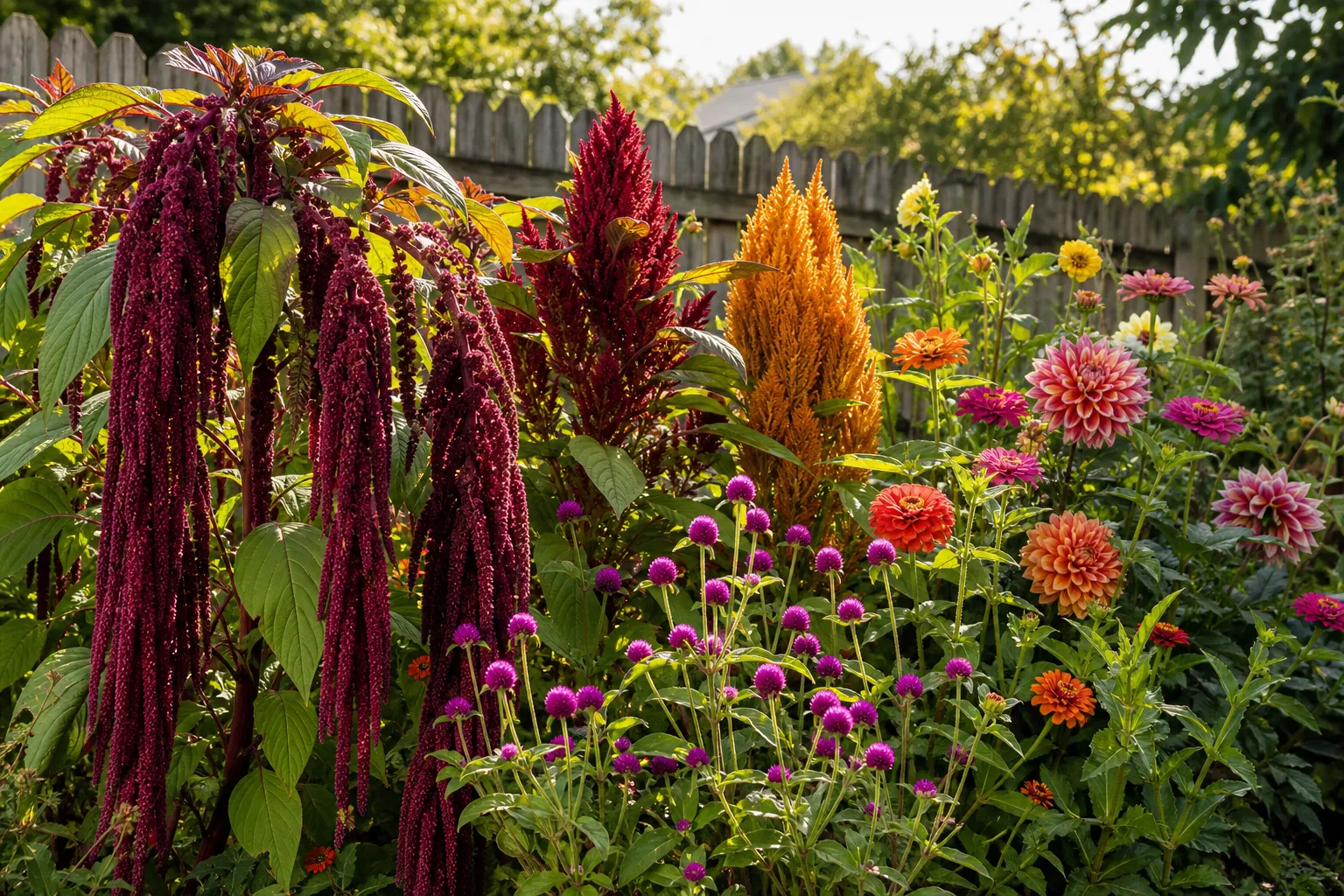
- Love-lies-bleeding (Amaranthus caudatus) produces long, pendulous tassels in red, burgundy, gold, or green. It is especially effective at the back of a border and makes an excellent dried flower.
- Joseph’s coat or tricolor amaranth (Amaranthus tricolor) is prized for vivid red, orange, yellow, bronze, and green foliage. Its leaves often provide more color than the flowers.
- Prince’s feather (Amaranthus hypochondriacus) tends to form upright flower clusters and strong stems, making it useful for bouquets and bold vertical accents.
- Globe amaranth (Gomphrena globosa) is a close relative rather than a true Amaranthus. Its small, clover-like flower heads come in purple, magenta, pink, white, and red, and they are exceptionally useful for drying.
For a cutting garden, look for words such as “tall,” “branching,” “long stems,” or “cut flower” in the variety description. Compact forms can be excellent for containers, while tall forms may reach 3 to 5 feet and need more room. If you are growing near a walkway, select a manageable variety so the mature plants do not lean into the path.
Give amaranth the warmth it wants
Amaranth is a warm-season annual. In most of the United States, the safest time to plant it outdoors is after your average last spring frost, when the soil has warmed and nights are no longer consistently cold. In USDA Zones 8 through 11, you may be able to sow earlier in spring; in cooler zones, waiting a little longer usually gives faster, more reliable growth.
Choose a site with at least 6 hours of direct sun daily. Full sun encourages sturdy stems, strong color, and abundant flowers. Plants can tolerate some afternoon shade in hot climates, but too little light may produce lanky growth and fewer flowers.
Good drainage matters more than perfect soil. Amaranth grows in ordinary garden soil if it does not remain soggy. Before planting, loosen the top 8 to 10 inches and mix in a modest amount of compost if the soil is thin or compacted. Avoid creating an extremely rich bed: excessive nitrogen can encourage large, leafy plants at the expense of strong flower production.
Sowing tiny seeds successfully
Amaranth seeds are very small, so the main challenge is planting them too deeply. Prepare a fine, level seedbed and press the seeds gently onto the surface. Cover them with only a very thin layer of soil or sifted compost—roughly one-eighth inch is usually plenty.
Direct-sow outdoors
Direct sowing is often the simplest method. Once the danger of frost has passed:
- Water the prepared bed before sowing so the seeds do not wash away.
- Scatter or sow the seeds in shallow rows.
- Press them lightly into the soil for good contact.
- Keep the surface consistently moist until seedlings appear.
- Thin the seedlings when they are a few inches tall, leaving the spacing recommended on the seed packet.
Depending on the variety and weather, germination often takes about 7 to 14 days. If the soil dries out during this period, the tiny seedlings may fail to emerge evenly. A light covering of row fabric can help retain moisture, but remove it as soon as seedlings begin to touch it.
Start seeds indoors
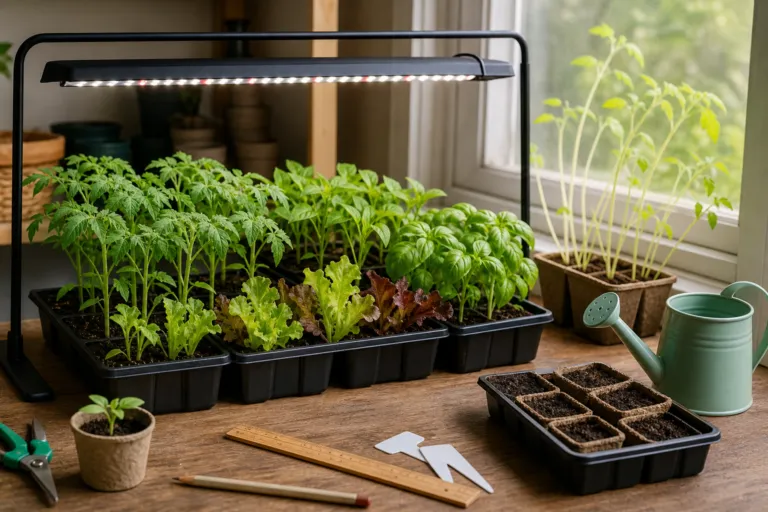
Indoor sowing can give you a head start in short-season regions. Sow 4 to 6 weeks before your local last frost date, using a clean seed-starting mix and a bright window or grow light. Place one or two seeds per cell and cover them lightly.
Amaranth seedlings grow rapidly once they emerge. Give them strong light, good air circulation, and moderate watering rather than keeping the mix constantly wet. Harden plants off over 7 to 10 days by gradually exposing them to outdoor conditions. Transplant gently because young roots can be disturbed easily.
Spacing, staking, and keeping plants upright
Spacing depends on the variety, but tall amaranths commonly need about 12 to 24 inches between plants. Globe amaranth is often planted closer, while broad, branching forms benefit from more room. Always treat the seed packet’s mature size as the final guide.
Many amaranths stand well on their own in a sheltered site. Tall plants may lean after heavy rain or in exposed wind, especially when flower heads become heavy. Install a discreet stake or support early, before roots spread. A short ring of garden twine around a group of plants can support them without making the planting look formal.
Pinching is optional. If you want a bushier plant with more branching, pinch out the growing tip when the plant is about 12 to 18 inches tall. If your priority is a few long, dramatic stems, allow the central leader to grow and remove only weak side shoots.
Watering: steady moisture first, restraint later
Newly sown beds need the most careful watering. Keep the top inch of soil lightly moist until germination, which may mean checking every day during hot or windy weather. Use a gentle spray, a watering wand, or drip irrigation so you do not displace the seeds.
After the plants are established, water deeply rather than giving frequent, shallow sprinkles. As a practical starting point, aim to provide about 1 inch of water per week from rainfall and irrigation, increasing attention during heat waves, sandy-soil conditions, or container growing. That amount is not a rigid rule: check the soil 2 to 3 inches below the surface and water when it feels dry at that depth.
A simple watering trial
Try a one-week comparison in your own garden. Choose two similar plants and measure the water given to each. For example, provide one plant with 1 quart every 3 to 4 days and the other with 2 quarts once weekly, adjusting for rainfall and soil type. Record leaf posture, soil moisture, stem strength, and flower development.
This small experiment will tell you more than a calendar reminder because garden conditions vary so widely. In heavy clay, the same volume may remain available longer; in a raised bed filled with a fast-draining mix, plants may need more frequent checks. Containers also dry out faster than in-ground beds.
Once established, many ornamental amaranths tolerate short dry periods, but drought stress can reduce growth and flower quality. Mulch with a 2-inch layer of shredded bark or straw, keeping it a few inches away from the stems. Mulch helps stabilize soil moisture and temperature while reducing weeds.
Feeding and routine care
Amaranth usually needs little fertilizer in reasonably fertile soil. If growth is pale or weak, a light application of a balanced, slow-release fertilizer may help. Follow the product label and avoid repeated high-nitrogen feeding, which can result in lush foliage and less impressive flower heads.
Keep the planting free of weeds while seedlings are small. Once amaranth reaches several inches tall, its broad leaves shade much of the soil and make maintenance easier. A thin mulch layer will give young plants an advantage.
Inspect plants regularly for chewed leaves, distorted growth, or clusters of insects on tender shoots. Strong water spray can dislodge some soft-bodied pests. Remove badly damaged leaves and improve air circulation by avoiding overcrowding. If you consider a pesticide, identify the problem first and use only a product labeled for the plant and pest in your area, following every label instruction.
When the spectacular flowers arrive
Depending on the variety and sowing date, flowering commonly begins in summer and may continue until frost. The first flower clusters can look modest, but plants often become more impressive as side branches develop. Warm temperatures and full sun generally encourage the strongest display.
For the best garden effect, combine amaranth with plants that contrast in shape. Upright plumes look striking beside rounded zinnias or dahlias, while trailing tassels soften the edges of raised beds and containers. Burgundy-leaved forms pair beautifully with silver foliage, chartreuse plants, or pale pink flowers.
Do not confuse cultivated ornamental amaranth with troublesome pigweed species, including Palmer amaranth. Buy seed from a dependable source, learn the appearance of the variety you planted, and remove unfamiliar volunteer plants before they set seed. This is particularly important near vegetable beds or agricultural areas, where some weedy amaranths are highly competitive.
Harvesting flowers for bouquets and drying
Cut amaranth when the flowers are fully colored but before the heads become brittle or begin dropping seed. Harvest in the cool morning, using clean pruners and cutting just above a leaf node. Remove foliage from the lower part of the stem before placing it in water.
- For fresh arrangements, choose firm stems and change the vase water regularly.
- For drying, gather stems when the flowers are well colored and hang them upside down in a warm, dry, dark, well-ventilated place.
- Globe amaranth is especially dependable for dried arrangements because its papery flower heads hold their color and shape.
- Leave a few plants uncut if you want to collect seed or provide late-season interest.
Some amaranths self-sow readily. If you want a tidy display next year, cut flower heads before mature seed scatters. If you enjoy volunteers, allow a few heads to ripen, then thin the seedlings in spring so the garden does not become crowded.
Three variety strategies worth trying
If you are growing amaranth for the first time, plant a small mix rather than relying on one form. Try one tall tassel type for drama, one colorful foliage type for midborder interest, and globe amaranth for reliable dried flowers. Comparing them side by side makes it easy to see which performs best in your local conditions.
For a balcony or patio, choose a compact globe amaranth and grow it in a container at least 12 inches wide with drainage holes. For a cutting garden, use taller varieties and sow a second batch 2 to 3 weeks after the first. Succession sowing can spread the harvest and help replace plants damaged by storms or pests.
Enjoy the experiment
Amaranth rewards a relaxed approach. Start with a sunny bed, sow shallowly, protect the seedlings from drying out, and give established plants deep watering when the soil needs it. After that, much of the work is simply watching the plants gain height and color.
Whether you choose cascading burgundy tassels, brilliant foliage, or cheerful globe-shaped blooms, amaranth brings movement and late-season character to the garden. Grow one variety this year, or set up your own small comparison trial. By the end of summer, you may have both a spectacular display and armfuls of flowers to enjoy indoors.