When a clear, cold night is in the forecast, you can often protect your plants without heaters, harsh treatments, or expensive equipment. The most dependable natural methods are simple: cover tender plants, insulate the soil with mulch, water thoughtfully before the ground freezes, and use sheltered microclimates or move containers out of the cold.
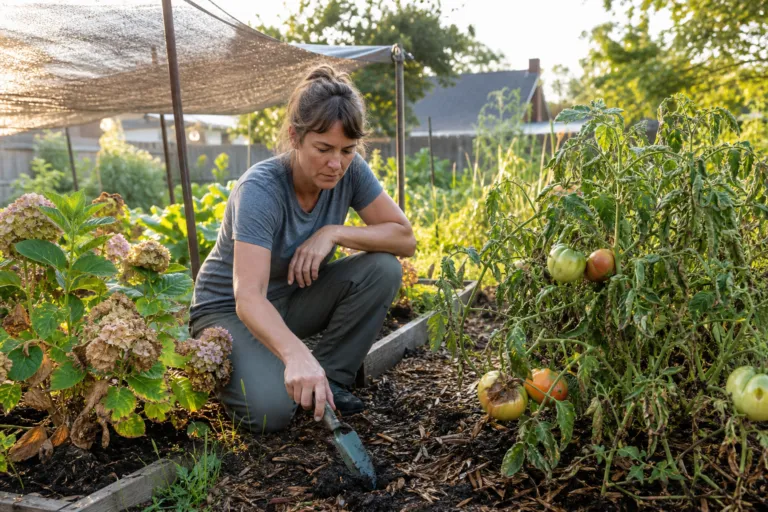
These techniques work because plants do not all respond to frost in the same way. Cool-season crops such as kale, spinach, parsley, and many hardy herbs can tolerate light frost, while basil, peppers, tomatoes, beans, tropical houseplants, and tender annual flowers may suffer damage near 32°F. Even within one plant group, varieties can differ in cold tolerance and timing.
In late fall across much of the United States, the goal is not to make a tropical plant behave like a winter-hardy perennial. Instead, you are buying time, reducing temperature swings, and protecting roots, stems, leaves, and flowers from a sudden freeze.
First, understand what kind of cold is coming
A light frost usually forms on calm, clear nights when temperatures near the ground fall to around 32°F. A freeze is more severe: temperatures remain below freezing for longer, and the soil, stems, or roots may also become cold enough to cause lasting injury. Windy weather can create additional stress by pulling moisture from leaves and branches.
Before choosing a protection method, check three details:
- The forecast low: A brief dip to 31°F requires less protection than several hours in the 20s.
- The duration: One cold hour is different from an all-night freeze.
- The plant’s tolerance: Use plant tags, reliable extension guidance, or your USDA Hardiness Zone as a starting point, but remember that hardiness ratings do not guarantee protection for flowers, new growth, or potted plants.
Sunlight and drainage also matter. A plant growing in full sun and well-drained soil often dries and hardens more effectively than one growing in deep shade or soggy ground. However, too much winter sun and wind can increase moisture loss from evergreen leaves, so the best location depends on the species.
1. Cover plants with breathable fabric or simple household materials
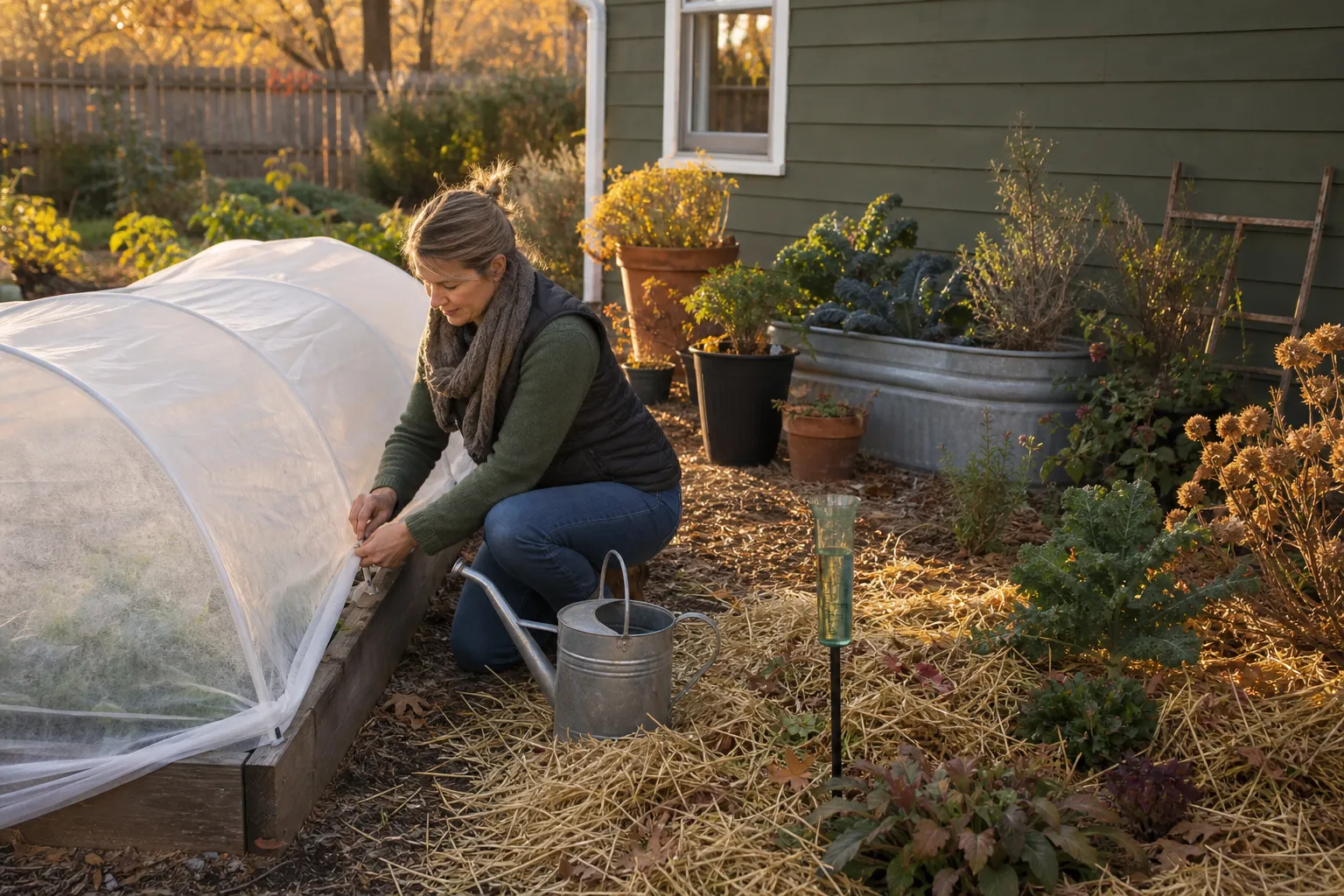
Covering is usually the fastest and most practical response to an overnight frost. A row cover, frost cloth, old sheet, lightweight blanket, burlap, or an overturned basket can trap some of the heat released by the soil. The cover also reduces direct exposure to cold, clear skies and drying wind.
How to cover plants correctly
- Put the cover in place during the afternoon, before temperatures drop. This helps retain warmth already stored in the soil.
- Use hoops, stakes, tomato cages, or an inverted container to keep fabric from pressing heavily against foliage.
- Extend the material all the way to the ground and secure the edges with bricks, soil, landscape pins, or clips.
- Leave enough slack for the plant to grow without being crushed.
- Remove or open the cover on sunny days when temperatures rise, especially if the plant is covered with a heavier material.
Floating row covers are especially useful for vegetable beds because they allow air and, depending on the fabric, rain to pass through. Heavier fabrics offer more insulation but transmit less light and can overheat plants when the sun returns. Lightweight mesh is excellent for insects but provides limited frost protection, so check the product’s intended use before relying on it during a freeze.
For individual plants, a clean plastic storage bin, large bucket, cardboard box, or nursery pot can work for a short overnight event. Keep plastic from touching leaves whenever possible, because cold plastic in direct contact with foliage can increase injury. Vent or remove any solid container the next morning.
What not to do
Do not leave an airtight plastic cover over a plant for several days. Condensation, poor airflow, and rising daytime temperatures can create new problems. Also avoid using a cover so heavy that it bends stems or traps wet leaves against the soil.
For flowering plants that depend on bees, butterflies, or other pollinators, remember to uncover them once the weather is safe and flowers open. A cover that protects the plant but blocks pollinators can reduce fruit production.

2. Insulate the root zone with the right mulch
Mulch protects the part of the plant that is easy to overlook: the roots and crown at soil level. A layer of leaves, straw, pine needles, or partially decomposed compost slows temperature changes and helps prevent repeated freezing and thawing from pushing plants out of the ground.
For established perennials, a practical winter layer is often about 3 to 6 inches, depending on the material and local conditions. Shredded leaves are useful because they settle into an insulating blanket rather than forming large, airless clumps. Straw works well around crowns and vegetable beds, while evergreen branches can help hold leaves in place and allow some airflow.
Time your mulch application
Do not rush to bury dormant perennials under a thick layer while the soil is still warm. In many regions, applying heavy winter mulch after the ground begins to freeze is preferable because it reduces the chance of encouraging soft new growth beneath the cover. In warmer climates, use the plant’s needs and local weather pattern as your guide rather than following a fixed calendar date.
Place mulch around the plant, not directly against woody trunks or the crown of a perennial. Keep the base of trees and shrubs visible, creating a shallow donut rather than a volcano-shaped mound. Constantly wet mulch pressed against stems can contribute to decay and pest problems.
Which plants benefit most?
- Newly planted perennials that have not yet developed a large root system.
- Shallow-rooted plants and spring-flowering bulbs in areas with repeated freeze-thaw cycles.
- Tender perennials such as dahlias, cannas, salvias, and some fuchsias, depending on the variety and climate.
- Strawberries and other low-growing crops that face exposed winter conditions.
When spring arrives, gradually pull mulch away as the weather warms. Leaving a dense, damp layer over crowns for too long can encourage rot. Keep some material nearby in case a late freeze threatens new shoots.
3. Water deeply before a freeze – but do not water during freezing weather
Moist soil generally holds more heat than dry soil, so a well-hydrated plant may be better prepared for a cold night than one already stressed by drought. This is particularly important for newly planted shrubs, young trees, shallow-rooted perennials, and evergreen plants that continue losing moisture through their leaves.
Water the soil deeply during the day before a predicted frost if the ground is dry and the temperature is safely above freezing. Aim the water at the root zone rather than spraying the foliage. As a home-garden measurement, use a rain gauge or straight-sided container to check how much water reaches the bed. About 1 inch per week is a common general guideline for established plants during active growth, but winter needs vary by rainfall, soil type, plant age, and local climate.
Do not treat that 1-inch figure as a frost-protection prescription. In late fall, water only when the soil is dry enough to need it, and allow time for excess water to drain. Heavy watering in poorly drained soil can leave roots sitting in cold, oxygen-poor conditions, which may be more damaging than a short frost.
A careful note about overhead sprinkling
Commercial growers sometimes use continuous overhead irrigation to protect blossoms during a freeze. As water freezes, it releases heat, but this method works only when the plants receive a continuous, sufficient supply of water until temperatures rise above freezing. If the spray stops too early, or the system cannot keep the plants fully wet, injury can become worse.
For most home gardeners, this is not a casual hose-end technique. It can waste substantial water, freeze equipment, create slippery surfaces, and fail if the sprinkler pattern is uneven. Unless you have a system designed for frost protection and can monitor it throughout the event, choose covers and mulch instead.
4. Use sheltered microclimates and protect container plants
Where a plant grows can matter almost as much as what you do during a frost warning. A south- or southeast-facing location near a building, fence, wall, or dense evergreen planting may receive less wind and benefit from stored daytime warmth. Good drainage remains essential; a warm wall does not compensate for soil that stays waterlogged.
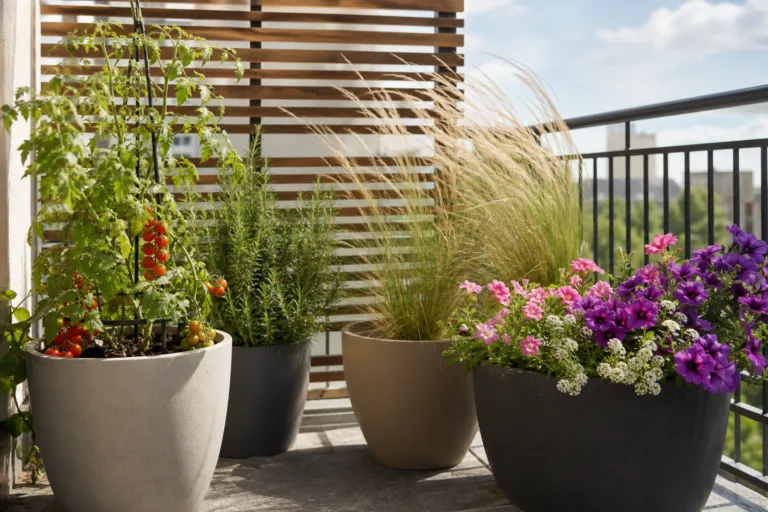
In late fall, group potted plants together in a protected spot, ideally against the house and away from strong wind. Place pots on the ground rather than leaving them hanging or elevated, because the ground changes temperature more slowly than exposed air. Wrap the outside of a container with burlap, a blanket, or insulating material, while keeping drainage holes clear.
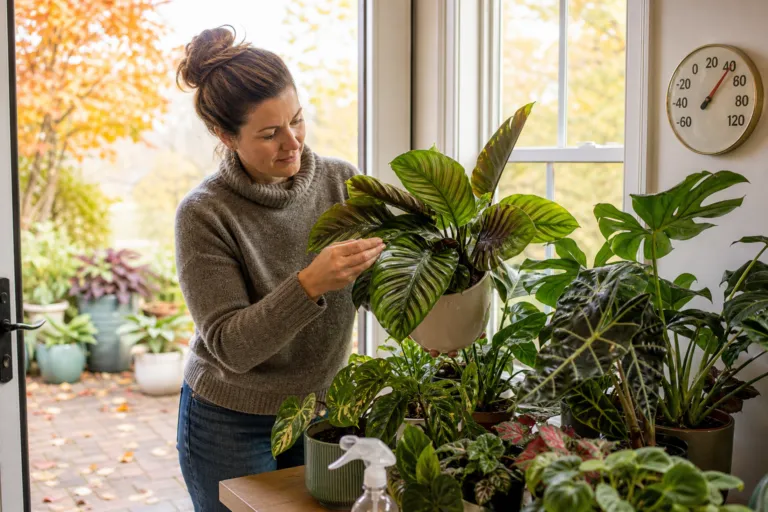
The safest option for frost-tender container plants is often to move them into an unheated garage, shed, basement, enclosed porch, or other location that stays above freezing. Check the forecast early; waiting until the first frost can be too late for tropical plants and warm-season annuals.
Choose varieties that fit your climate
Protection begins before planting. Compare varieties of the same species when possible. Some tomatoes mature earlier, some flowering shrubs break dormancy later, and some perennial selections tolerate colder winters than others. A plant that regularly suffers in your yard may need a warmer microclimate, a container that can be moved, or replacement with a better-adapted variety.
Use the USDA Hardiness Zone Map as a useful baseline for perennial survival, but do not mistake it for a guarantee against every frost. Spring flowers, tender new growth, fruit blossoms, and container roots can be damaged even when the overall plant is hardy in your zone.
A simple frost-night routine
When a frost is forecast, this short checklist can prevent last-minute mistakes:
- Harvest ripe tomatoes, peppers, beans, basil, and other highly tender crops.
- Check whether the soil is dry; if it is, water the root zone during the day while temperatures remain above freezing.
- Cover vulnerable plants before sunset, securing the edges to the ground.
- Add mulch around perennial crowns and shallow-rooted plants if the soil has begun to cool or freeze.
- Move container plants into a protected, above-freezing location.
- Open or remove covers the next morning when temperatures rise and sunlight returns.
- Wait before pruning frost-damaged foliage. Brown leaves can look alarming, but they may protect living tissue below.
Turn frost protection into a garden lesson
A small garden experiment can show you which method works best in your own yard. Place two similar plants in comparable locations, cover one with row fabric, and leave the other uncovered during a light frost. Record the evening temperature, morning temperature, wind, soil moisture, and visible damage. A basic maximum-minimum thermometer and a rain gauge can make the comparison more useful.
Pay attention to patterns over several seasons. You may discover that a south-facing bed warms quickly but dries out, that a low corner collects cold air, or that a certain variety consistently recovers better than another. These observations help you improve plant placement, irrigation, drainage, and variety selection – not simply react to the next weather alert.
Protect plants without overprotecting them
Frost protection works best when it matches the plant and the forecast. Use breathable covers for short cold snaps, mulch to protect roots from temperature swings, water only when the soil actually needs it, and take advantage of sheltered locations for containers and tender plants.
Healthy plants with suitable light, well-drained soil, and appropriate moisture are usually better prepared for cold than stressed plants. Start with one or two methods this season, observe the results, and adjust next year. With a little planning, a chilly night does not have to end the garden.