
 Source:
 Basil (Ocimum basilicum) short overview
Basil (Ocimum basilicum) is an aromatic annual herb in the mint family, grown throughout the United States for its tender, strongly scented leaves and edible flower spikes. Plants form upright, branching clumps in warm weather and produce small white, pink, or cream flowers when allowed to bloom. Full sun, consistently moist but well-drained soil, regular harvesting, and protection from cold produce the best leafy growth.
Taxonomic classification
Basil (Ocimum basilicum) care guide
Light and placement
Give basil 6–8 hours of direct sun, ideally in a warm south- or west-facing position with good air movement. In hot climates, light afternoon shade can reduce leaf scorch. Long, weak stems and widely spaced leaves indicate insufficient light; bleached patches, crispy margins, or midday wilt that does not recover may indicate excessive heat or root stress.
Watering and humidity
Water deeply when the top inch of soil feels dry, then allow excess water to drain completely. Keep the root zone evenly moist during hot weather, but do not leave containers standing in water. Check more often in containers and less often during cool, cloudy periods. Water the soil rather than the foliage to reduce leaf-disease risk.
Soil and growing medium
Use fertile, moisture-retentive soil that still drains freely. A loam amended with compost works well; containers need a quality potting mix with drainage holes rather than garden soil alone. Avoid compacted clay and permanently saturated soil. A mildly acidic to neutral soil supports vigorous leaf production, while excessive fertilizer or very rich soil can produce soft, disease-prone growth.
Feeding
Mix compost into the planting area before setting out transplants. During active growth, apply a balanced liquid fertilizer at half strength every 3–4 weeks, or use a modest slow-release product according to its label. Stop or reduce feeding when growth slows in cool weather, and avoid heavy nitrogen applications that encourage lush but weak stems and dilute flavor.
Growth and habit
Basil branches readily from leaf axils and becomes increasingly flower-focused as the season progresses. Frequent harvesting keeps plants compact and delays flowering. Plants can become woody or decline after prolonged bloom, so succession sowing every few weeks gives a steadier supply of young, leafy plants.
Planting and repotting
Start seeds indoors 4–6 weeks before the local last frost, or sow directly once soil is warm. Harden transplants gradually before planting outside. Space plants to allow air circulation, water them in thoroughly, and mulch lightly without covering the stems. Succession sowing every 2–4 weeks can extend harvests through summer.
Move container basil into a pot only one size larger when roots fill the existing container. Use fresh, well-drained potting mix and a pot with drainage holes. Transplant gently because the soft stems and roots bruise easily. Repotting is most useful in spring or when a plant dries out unusually quickly between waterings.
Propagation and pruning
Propagation
Sow seed indoors 4–6 weeks before the last frost or directly outdoors after the soil warms. Press seeds lightly into the surface because they need only shallow coverage. Stem cuttings root readily in clean water or a moist propagation mix, especially from nonflowering shoots. Keep new cuttings warm and in bright, indirect light until rooted.
Pruning
Pinch or cut stems just above a pair of leaves to encourage branching. Harvest frequently once plants are established, removing flower buds if the priority is tender foliage. If flowers are desired for pollinators or seed, leave selected spikes intact. Remove damaged or diseased growth promptly with clean scissors.
Overwintering
Basil is not frost tolerant. Before the first fall frost, take healthy cuttings or move a container plant indoors to a bright, warm window. Indoor plants need strong light, restrained watering, and good air circulation. Growth often slows in winter, and plants may decline if light is weak or the air is excessively dry and hot.
Uses
Basil is widely grown as a culinary herb for fresh leaves, pesto, sauces, salads, and cooked dishes. It also works in containers, kitchen gardens, ornamental herb beds, and pollinator plantings when flowers are allowed to open. Flavor, color, and leaf shape vary greatly among cultivars, so select forms according to culinary use and climate.
Appearance
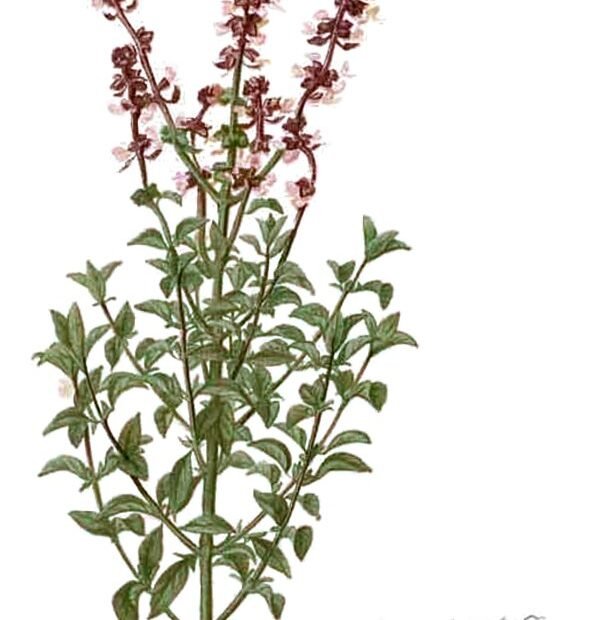
The species has aromatic, usually green, ovate leaves on soft, square stems typical of the mint family. Leaves may be smooth or slightly puckered, and cultivars can have purple foliage, colored stems, or distinctive lemon-like aromas. Upright flower spikes arise from the upper nodes and carry small two-lipped flowers in whorled clusters.
Flowering
Basil produces small bilabiate flowers in interrupted whorls along upright terminal racemes. Flower color varies among forms from white to pink or cream. In the United States, outdoor plants commonly flower from early summer into early fall, although heat, day length, cultivar, and harvesting can shift the timing. Removing flower spikes redirects energy toward leaves.
Pollination and visitors
Open basil flowers provide nectar and pollen accessed by bees and bumblebees. Allowing some flower spikes to remain can add forage in an herb garden, although frequent cutting for leaf production reduces the number of available flowers.
Ocimum basilicum photos
Click any photo for a larger view. Source, author and license are shown separately.
Diseases and pests
Diseases
Common problems include downy mildew, Fusarium wilt, Pythium root rot, and leaf spots. Use resistant cultivars where available, provide spacing and air circulation, water at the soil line, and avoid working among wet plants. Remove severely affected plants and discard them rather than composting diseased material. Do not reuse contaminated potting mix.
Pests
Aphids, whiteflies, Japanese beetles, slugs, and snails may feed on basil. Inspect leaf undersides and growing tips regularly. Use a strong water spray for small aphid infestations, hand-pick larger insects, and manage slugs with habitat reduction and physical barriers. Avoid broad-spectrum insecticides when flowers are open and pollinators are visiting.
Related diseases and pests
Only Plant Doctor profiles whose host data indicate this plant may be affected are shown here.
 DiseaseFusarium wiltFusarium oxysporum species complex
 PestJapanese beetlePopillia japonica
 DiseaseBipolaris Leaf Spot, Spot Blotch and Common Root RotBipolaris sorokiniana
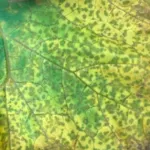 DiseaseCucurbit Downy MildewPseudoperonospora cubensis (Berk. & M.A. Curtis) Rostovzev
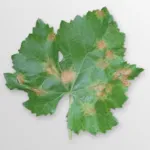 DiseaseGrape Downy MildewPlasmopara viticola
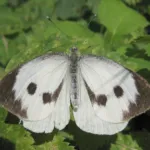 PestLarge White ButterflyPieris brassicae
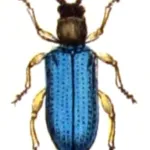 PestCereal leaf beetleOulema melanopus
 PestCitrus whiteflyDialeurodes citri
Toxicity and pollen
Basil is widely used as a food herb, and the ASPCA lists Ocimum basilicum as non-toxic to dogs and cats. Normal culinary use presents little concern for most people. Concentrated essential oils, large unusual exposures, or contaminated plant material can still cause gastrointestinal upset or irritation, so consult a medical or veterinary professional after a concerning exposure.
- Typical season
- Typically June–September outdoors in much of the United States
- Pollination / pollen
- Relatively heavy, insect-carried pollen released from exposed stamens during flowering
Basil is primarily insect-pollinated, so its pollen is not commonly dispersed widely by wind. Airborne exposure is generally lower than for wind-pollinated grasses, trees, and weeds, but flowering plants can still release some pollen and sensitive individuals may react. Cutting flower spikes reduces flowering exposure.
Native habitat
The species is associated with warm tropical and subtropical regions of Asia through northern Australia and is widely cultivated beyond its native range. It grows best in open, sunny, seasonally warm conditions with fertile soil and dependable moisture, and it can persist or naturalize locally where frost is absent and cultivation is common.
Interesting fact
Basil fruits are four small nutlets that become mucilaginous when wet. The square stems and opposite leaves reflect its placement in the mint family. Cultivar names often conceal substantial variation in aroma, leaf color, flower color, and growth habit. Some lemon-scented commercial basils have hybrid origins involving related Ocimum taxa.
Frequently asked questions (FAQ)
The most relevant questions about this plant, with short and direct answers.
🌱Quick care
Is basil an annual or perennial plant?⌄
Basil is usually grown as a frost-tender annual in the United States. It can sometimes be kept through winter indoors with warmth and strong light.
🌤️Environment and placement
What is the best light for basil?⌄
Basil grows best in full sun, with about 6–8 hours of direct light daily. In very hot areas, light afternoon shade can help reduce heat stress without sacrificing strong growth.
What type of soil is best for basil?⌄
Basil prefers fertile, well-drained loam enriched with organic matter. Avoid compacted or poorly drained soil because persistently wet roots can lead to disease.
Can basil survive frost?⌄
No, basil is frost-tender and can be seriously damaged or killed by freezing temperatures. Bring container plants indoors or harvest the leaves before the first expected frost.
Can basil grow indoors?⌄
Basil can grow indoors in a very bright, sunny window or under a grow light. Keep it warm, provide good drainage, and make successive sowings every few weeks for a steady supply.
💧Care and problems
How often should I water basil?⌄
Water basil when the top inch of soil begins to dry, keeping the soil evenly moist but not soggy. Container plants may need water more often during hot, dry weather.
When is the best time to harvest basil?⌄
Harvest basil leaves and stems regularly before the plant flowers, preferably in the morning. Cut stems just above a pair of leaves and avoid removing more than about half the plant at one time.
How do I prune basil without killing it?⌄
Cut stems just above a healthy pair of leaves, leaving plenty of foliage below the cut. Frequent light harvesting is safer and more productive than removing most of the plant at once.
How should fresh basil be stored?⌄
Store fresh basil stems upright in a glass of water at room temperature, loosely covered if desired. Refrigeration can discolor basil leaves because they are sensitive to cold.
Can basil be frozen for later use?⌄
Yes, basil can be frozen whole or chopped into ice-cube trays with a little water. Freezing generally preserves its flavor better than drying, although the leaves will not retain their fresh texture.
Can basil be dried?⌄
Yes, basil can be dried in a warm, dry, well-ventilated place or with a suitable dehydrator. Dry the leaves quickly and store them in an airtight container once fully crisp.
Why are my basil leaves turning yellow?⌄
Yellow basil leaves may result from overwatering, poor drainage, insufficient light, or nutrient deficiency. Check the roots and soil moisture first, then correct the growing conditions before adding a light, balanced fertilizer if needed.
Why are my basil leaves turning black?⌄
Blackened basil leaves are commonly caused by cold exposure, especially temperatures near 50°F or below, though disease can also be involved. Move the plant to warmth and remove severely damaged foliage.
What causes brown spots on basil leaves?⌄
Brown or dark leaf spots can result from fungal or bacterial problems, wet foliage, poor airflow, or insect injury. Water at the soil line, improve air circulation, and remove badly affected leaves.
What is basil downy mildew?⌄
Basil downy mildew is a disease that commonly causes yellowing on the upper leaf surface and gray or purplish growth underneath. Reduce leaf wetness and humidity, improve airflow, and discard severely infected plants rather than composting them.
How can I prevent basil diseases?⌄
Prevent disease by growing basil in full sun with good spacing and airflow, watering the soil rather than the foliage, and removing dead or infected leaves promptly. Disease-resistant cultivars can also help, particularly in areas where downy mildew is common.
What pests commonly attack basil?⌄
Japanese beetles, plant bugs, aphids, and occasional mites may feed on basil. Hand-pick larger insects, rinse off small pests, and avoid stressing the plant with drought or overcrowding.
🪴Planting and repotting
When should I plant basil outdoors?⌄
Plant basil outdoors after the danger of frost has passed and the soil has warmed to at least about 60°F. Cold air or soil can stunt growth and blacken the leaves.
How much space does basil need between plants?⌄
Space basil plants about 12–18 inches apart to promote airflow and allow bushy growth. Larger cultivars may benefit from additional room.
Can basil grow in containers?⌄
Yes, basil grows well in containers that have drainage holes and fertile potting mix. Place the container in full sun and monitor moisture closely because pots dry out faster than garden soil.
How deep should basil seeds be planted?⌄
Sow basil seeds about ¼ inch deep in moist, well-drained soil. Warm conditions help them germinate quickly, commonly within about 5–14 days.
How long does basil take to germinate?⌄
Basil seeds commonly germinate in about 5–14 days when the growing medium is warm and consistently moist. Germination may be slower in cool soil.
✂️Propagation and pruning
How do I make basil bushier?⌄
Pinch or cut each stem just above a pair of leaves to encourage branching and fuller growth. Repeat this as the plant develops new shoots.
How do I grow basil from cuttings?⌄
Take a healthy stem cutting, remove the lower leaves, and place the stem in water or moist rooting medium under bright indirect light. Basil cuttings often root readily, after which they can be planted in potting mix.
Can basil root in water?⌄
Yes, healthy basil stem cuttings commonly root in water. Move the cutting to potting mix when the roots are about an inch long, and keep the new plant evenly moist while it establishes.
⚠️Toxicity and safety
Is basil safe for cats and dogs?⌄
Basil is generally listed as non-toxic to cats and dogs. Pets can still experience stomach upset after eating large amounts, so contact a veterinarian if symptoms occur or consumption was substantial.
Is basil safe to eat after it flowers?⌄
Yes, flowering basil is still edible, although the leaves may become stronger, tougher, or less sweet in flavor. The flowers are also edible and can be used as a garnish or in salads.
🌸Flowering and special interest
Should I pinch the flowers off basil?⌄
Yes, pinch off developing flower buds if you want continued leafy growth and the strongest leaf flavor. Allowing basil to flower can make the foliage less flavorful and encourages the plant to set seed.
What should I do when basil starts flowering?⌄
Remove the flower spikes or cut the stem back just above a pair of leaves. You can leave some flowers if you want seeds or pollinator activity, but leaf production and flavor may decline.
Do basil flowers attract pollinators?⌄
Yes, basil flowers can provide nectar for bees, butterflies, and other pollinators. Leave some flower spikes intact if supporting pollinators is more important than maximizing tender leaf production.
Similar plants
 Azure Monkshood (Aconitum carmichaelii) care guideAconitum carmichaelii
 Monkshood (Aconitum ‘Stainless Steel’)Aconitum 'Stainless Steel'
 Monkshood (Aconitum ‘Bressingham Spire’)Aconitum 'Bressingham Spire'
 Golden full moon maple (Acer shirasawanum ‘Aureum’)Acer shirasawanum 'Aureum'
 Globosum (Acer platanoides ‘Globosum’)Acer platanoides 'Globosum'
 Striped maple (Acer pensylvanicum) care guideAcer pensylvanicum