

Ocimum basilicum minimum short overview
Ocimum basilicum minimum is a compact basil taxon associated with small leaves, dense branching, and a rounded habit. It is grown in the United States as a warm-season culinary herb and container plant, especially where a tidy form is useful for patios, window boxes, and kitchen gardens. Like other sweet basils, it needs strong light, fertile but sharply drained soil, steady moisture, and protection from frost.
Taxonomic classification
Ocimum basilicum minimum care guide
Light and placement
Place outdoors where the plant receives at least 6 hours of direct sun, preferably with morning and early-afternoon exposure and protection from intense reflected heat in hot climates. A bright south- or west-facing window can work indoors, though a grow light may be needed. Leggy stems, pale leaves, and sparse branching indicate insufficient light; scorched margins or bleached foliage suggest excessive heat, root dryness, or abrupt exposure.
Watering and humidity
Water thoroughly when the top ½–1 inch of soil feels dry, then let excess drain completely. Do not keep the pot standing in water. Check containers more often during hot weather and reduce frequency in cool, low-light conditions. Water at the soil line when possible to reduce foliar disease, and avoid repeated drought followed by saturation because it encourages wilting, leaf drop, and uneven growth.
Soil and growing medium
Use a loose, fertile medium that drains rapidly yet retains moderate moisture. A quality potting mix amended with compost is suitable; add perlite or coarse material if the mix stays wet. Heavy clay should be improved or avoided in containers. A mildly acidic to neutral reaction is a practical target, although basil tolerates a broader range when drainage and fertility are good.
Feeding
Mix in mature compost before planting, then feed established plants every 3–4 weeks with a balanced, water-soluble fertilizer at half the label strength, or use a modest slow-release formulation. Avoid heavy nitrogen applications, which can produce lush, soft foliage with weaker stems and may reduce flowering quality. Do not fertilize drought-stressed, chilled, or recently transplanted plants until they resume active growth.
Growth and habit
This is a compact, strongly branching basil type that can form a dense mound or small rounded bush. Regular harvesting keeps shoots productive and delays flowering. Plants become less vigorous as temperatures fall, and the taxon is commonly managed as a seasonal annual in U.S. gardens even though basil relatives may persist briefly in frost-free conditions.
Planting and repotting
Sow shallowly in warm soil or start seed indoors 4–6 weeks before the expected last frost. Transplant only after cold nights have passed and harden seedlings gradually. Set plants at the same depth used in their containers, firm the soil gently, water thoroughly, and maintain consistent moisture during establishment. Containers should have drainage holes and enough volume to prevent rapid drying.
Move seedlings into individual containers when they have several true leaves, handling the root ball gently. Shift root-bound plants into a pot only slightly larger than the previous one, using fresh, well-drained mix. Ensure drainage holes are open and avoid burying the stem deeper than it was previously planted.
Propagation and pruning
Propagation
Start from seed in warm conditions; germination is generally straightforward when the medium is kept lightly moist and temperatures are warm. Sow shallowly because the seed needs light access near the surface. Soft stem cuttings can also root in water or a free-draining medium, but seed is usually the simplest method for maintaining a compact basil strain.
Pruning
Harvest by cutting stems just above a pair of leaves rather than stripping isolated leaves from the base. Pinch growing tips regularly to encourage branching and remove flower buds when maximum leaf production is desired. If flowering is wanted for pollinators or seed, leave selected spikes intact and cut the plant back after seed collection or when growth declines.
Overwintering
Protect from frost and cold drafts. In colder U.S. regions, bring a healthy container plant indoors before nighttime temperatures fall below about 50°F, place it in the brightest available window or under a grow light, and water less often in reduced light. Indoor plants may become leggy or attract pests; taking clean cuttings can be more practical than overwintering a mature plant.
Uses
Useful as a compact culinary herb for fresh leaves, sauces, salads, cooked dishes, and container kitchen gardens. Its dense habit also suits edging, patio pots, window boxes, and small pollinator plantings. Harvest leaves before or during early flowering for the best balance of tenderness and aroma. Do not treat concentrated essential oils as equivalent to culinary leaves; ingestion or topical use of concentrated products requires separate safety guidance.
Appearance
The plant has aromatic, opposite leaves on square stems typical of the mint family. This taxon is associated with notably small leaves and a compact, densely branched appearance compared with large-leaved sweet basil. Foliage is generally green and glossy to softly textured, with terminal flower spikes developing above the leafy shoots.
Flowering
Flowering begins from terminal shoots once plants reach reproductive maturity, with small bilabiate flowers arranged in upright spikes. Individual flowers are modest, but repeated spikes can rise above the foliage through summer and early fall. Pinching developing flower buds redirects energy toward leafy growth, while allowing some flowers to open supports seed production and insect visitation.
Pollination and visitors
Open basil flowers provide nectar and pollen to visiting bees, bumblebees, and some hoverflies. Allowing a portion of the flower spikes to remain open can increase visitor value, although frequent harvesting and pinching reduce the number of available flowers. The documented visitor information applies to basil generally; exact visitation can vary with region, weather, and nearby floral resources.
Diseases and pests
Diseases
Basil downy mildew can cause yellowing above and grayish or brown growth beneath leaves, especially in humid, crowded plantings. Use resistant seed when available, provide airflow, water at the soil surface, and remove affected plants promptly. Avoid overhead irrigation and do not compost heavily diseased foliage. Root and stem problems are more likely in waterlogged soil.
Pests
Slugs, snails, aphids, whiteflies, spider mites, and Japanese beetles may occur, depending on region. Inspect leaf undersides and new growth regularly, remove larger insects by hand, and use a strong water spray for minor soft-bodied infestations. Keep plants vigorous but not excessively fertilized, and use only pest controls labeled for edible herbs while following all harvest intervals.
Related diseases and pests
Only Plant Doctor profiles whose host data indicate this plant may be affected are shown here.
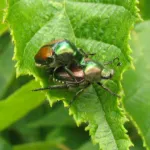 PestJapanese beetlePopillia japonica
 DiseaseDowny Mildew Caused by Hyaloperonospora parasiticaHyaloperonospora parasitica
 DiseaseCucurbit Downy MildewPseudoperonospora cubensis (Berk. & M.A. Curtis) Rostovzev
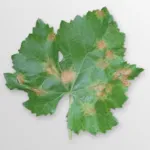 DiseaseGrape Downy MildewPlasmopara viticola
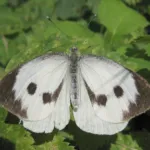 PestLarge White ButterflyPieris brassicae
 DiseaseOnion downy mildewPeronospora destructor
 Environmental stressWaterlogging
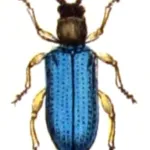 PestCereal leaf beetleOulema melanopus
Toxicity and pollen
Basil leaves are widely used as food, and ASPCA lists Ocimum basilicum as non-toxic to dogs and cats. Normal culinary exposure is not considered a poisoning concern. Concentrated essential oils, extracts, or large medicinal doses are different from fresh leaves and may present irritation or other risks; keep concentrated preparations away from children and pets and use only with appropriate professional guidance.
- Typical season
- Typically June through September outdoors in much of the United States
- Pollination / pollen
- Relatively heavy, insect-carried pollen released from exposed anthers
Basil is primarily insect-pollinated, so its pollen is not usually dispersed in large airborne quantities like wind-pollinated grasses or trees. Nevertheless, flowering plants can release some pollen locally, and sensitive people may react through direct contact or close exposure. Keeping plants well ventilated and removing spent flower spikes can reduce local pollen accumulation, but this is not a guarantee of allergy avoidance.
Native habitat
The species complex is associated with warm tropical and subtropical environments and cultivated habitats rather than cold temperate ecosystems. It performs best in sunny, fertile, moderately moist soils with good drainage. In the United States it is primarily encountered as a cultivated herb, and the exact wild ecology of the minimum taxon is not clearly separated from the broader Ocimum basilicum complex.
Interesting fact
The name is taxonomically complicated: current databases generally place minimum under Ocimum basilicum as an infraspecific taxon, while horticultural sources may use the name as though it were a distinct miniature basil. Its compact form is especially useful where ordinary sweet basil becomes too large or sprawling. Basil stems are square, a diagnostic feature of the mint family.
Frequently asked questions (FAQ)
The most relevant questions about this plant, with short and direct answers.
🌱Quick care
What is Ocimum basilicum minimum?⌄
Ocimum basilicum minimum is a compact bush or globe-form basil in the mint family, Lamiaceae. It is commonly grown as a culinary herb, container plant, or decorative edging plant.
Is Ocimum basilicum minimum an annual or perennial?⌄
Ocimum basilicum minimum is usually grown as a warm-season annual in the United States. It may persist longer in frost-free climates or indoors, but frost commonly ends outdoor growth.
How much sun does Ocimum basilicum minimum need?⌄
Give Ocimum basilicum minimum full sun, ideally at least 6 hours of direct light daily. In very hot climates, bright filtered afternoon light can reduce leaf scorch while maintaining vigorous growth.
How often should I water Ocimum basilicum minimum?⌄
Water Ocimum basilicum minimum whenever the surface of the soil begins to dry, keeping the root zone evenly moist but not soggy. Container plants may need water daily during hot, dry weather.
What soil is best for Ocimum basilicum minimum?⌄
Use fertile, well-drained loam or a quality container mix for Ocimum basilicum minimum. Avoid heavy, waterlogged soil because poor drainage can cause root problems.
How big does Ocimum basilicum minimum get?⌄
Ocimum basilicum minimum generally forms a compact, rounded plant about 6 to 12 inches tall, although size varies by strain and growing conditions. Some plants can spread slightly wider than they grow tall.
🌤️Environment and placement
Can Ocimum basilicum minimum grow indoors?⌄
Yes, Ocimum basilicum minimum can grow indoors beside a bright, sunny window or under a grow light. Keep it warm, provide good air circulation, and use a pot with drainage holes.
Can Ocimum basilicum minimum grow in a container?⌄
Yes, Ocimum basilicum minimum is especially well suited to containers because of its compact, bushy habit. Choose a pot with drainage holes and enough room for the roots without leaving the soil persistently wet.
Where should I place Ocimum basilicum minimum outdoors?⌄
Place Ocimum basilicum minimum in a warm, sunny spot protected from cold wind and late-season chills. It works well in herb gardens, raised beds, window boxes, and patio containers.
What USDA hardiness zone is suitable for Ocimum basilicum minimum?⌄
Ocimum basilicum minimum is frost-tender and is best treated as a warm-season annual across most of the United States. In USDA Zones 10 and 11 it may grow for longer periods, but cold snaps still require protection.
Can Ocimum basilicum minimum tolerate afternoon heat?⌄
Ocimum basilicum minimum can tolerate warm summer conditions when watered consistently and grown in fertile, well-drained soil. In regions with intense heat, light afternoon shade may help prevent wilting and leaf scorch.
💧Care and problems
Why are the leaves of my Ocimum basilicum minimum turning yellow?⌄
Yellow leaves on Ocimum basilicum minimum commonly result from overwatering, poor drainage, insufficient light, or natural aging of lower leaves. Check the soil moisture and roots before increasing water or fertilizer.
Why is my Ocimum basilicum minimum wilting?⌄
Ocimum basilicum minimum may wilt from dry soil, intense heat, root damage, or cold stress. Water thoroughly if the soil is dry, but do not keep the plant saturated because waterlogged roots can also cause wilting.
Why is my Ocimum basilicum minimum growing leggy?⌄
Leggy growth usually means Ocimum basilicum minimum is not receiving enough direct light or has not been pinched regularly. Move it to a brighter location and prune just above leaf pairs to encourage branching.
Does Ocimum basilicum minimum need fertilizer?⌄
Ocimum basilicum minimum benefits from light feeding during active growth, especially in containers. Use a balanced fertilizer according to the label, since excessive nitrogen can produce soft, weak growth and reduce flavor.
How do I keep Ocimum basilicum minimum bushy?⌄
Keep Ocimum basilicum minimum bushy by pinching stem tips just above a pair of leaves and harvesting often. Begin pruning before the plant becomes tall or develops long, bare stems.
What pests attack Ocimum basilicum minimum?⌄
Common basil pests that may affect Ocimum basilicum minimum include aphids, whiteflies, spider mites, and Japanese beetles. Inspect the undersides of leaves regularly and remove pests with water or an appropriate labeled treatment.
What diseases affect Ocimum basilicum minimum?⌄
Ocimum basilicum minimum can develop fungal or bacterial leaf diseases when foliage stays wet or air circulation is poor. Water at the soil line, provide spacing, remove badly affected leaves, and avoid handling plants while they are wet.
🪴Planting and repotting
When should I plant Ocimum basilicum minimum outside?⌄
Plant Ocimum basilicum minimum outdoors after the danger of frost has passed and the soil has warmed. In much of the United States, this means late spring, with timing adjusted for local climate and elevation.
How do I grow Ocimum basilicum minimum from seed?⌄
Sow Ocimum basilicum minimum seeds shallowly in warm, moist seed-starting mix and keep them in bright light. Germination is generally best when the medium stays consistently moist and temperatures remain warm.
How deep should Ocimum basilicum minimum seeds be planted?⌄
Sow Ocimum basilicum minimum seeds on the soil surface or cover them only lightly because basil seeds need light and warmth for reliable germination. Press them gently into the mix and keep the surface evenly moist.
How far apart should I space Ocimum basilicum minimum plants?⌄
Space Ocimum basilicum minimum plants about 8 to 12 inches apart for good air circulation and room to form rounded growth. In containers, spacing can be closer if the pot is large enough and watering is carefully managed.
Can I transplant Ocimum basilicum minimum seedlings?⌄
Yes, transplant Ocimum basilicum minimum seedlings after they have several true leaves and outdoor temperatures are reliably warm. Harden them off gradually before placing them in full outdoor light.
Does Ocimum basilicum minimum need repotting?⌄
Repot Ocimum basilicum minimum when roots fill the container, water runs through unusually quickly, or growth becomes stunted. Move it into a pot only slightly larger and use fresh, well-drained mix.
✂️Propagation and pruning
Can Ocimum basilicum minimum be propagated from cuttings?⌄
Yes, Ocimum basilicum minimum can be propagated from healthy nonflowering stem cuttings. Place a cutting with the lower leaves removed in water or moist, well-drained propagation mix until roots develop.
How do I prune Ocimum basilicum minimum?⌄
Prune Ocimum basilicum minimum by cutting just above a pair of leaves, removing no more than about one-third of the plant at a time. Regular tip pruning encourages a dense, rounded shape.
Should I remove flowers from Ocimum basilicum minimum?⌄
Remove flower buds from Ocimum basilicum minimum if your priority is continued tender leaf production. Allowing it to flower is useful when you want ornamental blooms or seeds, but foliage growth may slow afterward.
⚠️Toxicity and safety
Is Ocimum basilicum minimum edible?⌄
Yes, the leaves of Ocimum basilicum minimum are generally edible and can be used fresh or dried in ordinary culinary amounts. Wash harvested foliage thoroughly and avoid consuming plants treated with products not labeled for edible herbs.
Is Ocimum basilicum minimum toxic to pets?⌄
Ocimum basilicum minimum is generally regarded as low-risk in ordinary culinary use, but large amounts of any plant material can cause digestive upset in pets. Contact a veterinarian or animal poison service if a pet eats a substantial amount or develops symptoms.
Can children safely touch Ocimum basilicum minimum?⌄
Ocimum basilicum minimum is generally safe to touch and is commonly grown as an edible herb. Wash hands after gardening and supervise children so they do not eat unidentified plant material or soil.
🌸Flowering and special interest
Does Ocimum basilicum minimum produce flowers?⌄
Yes, Ocimum basilicum minimum produces small flowers, usually in clusters above the foliage during warm-season growth. Flower color can vary by strain, commonly appearing white, pink, or pale purple.
Can I save seeds from Ocimum basilicum minimum?⌄
Yes, you can save seeds from Ocimum basilicum minimum by allowing flower spikes to mature and dry on the plant. Collect the dry seed material, separate the small dark seeds, and store them in a cool, dry place.
Similar plants
 Azure Monkshood (Aconitum carmichaelii) care guideAconitum carmichaelii
 Monkshood (Aconitum ‘Stainless Steel’)Aconitum 'Stainless Steel'
 Monkshood (Aconitum ‘Bressingham Spire’)Aconitum 'Bressingham Spire'
 Golden full moon maple (Acer shirasawanum ‘Aureum’)Acer shirasawanum 'Aureum'
 Globosum (Acer platanoides ‘Globosum’)Acer platanoides 'Globosum'
 Striped maple (Acer pensylvanicum) care guideAcer pensylvanicum