
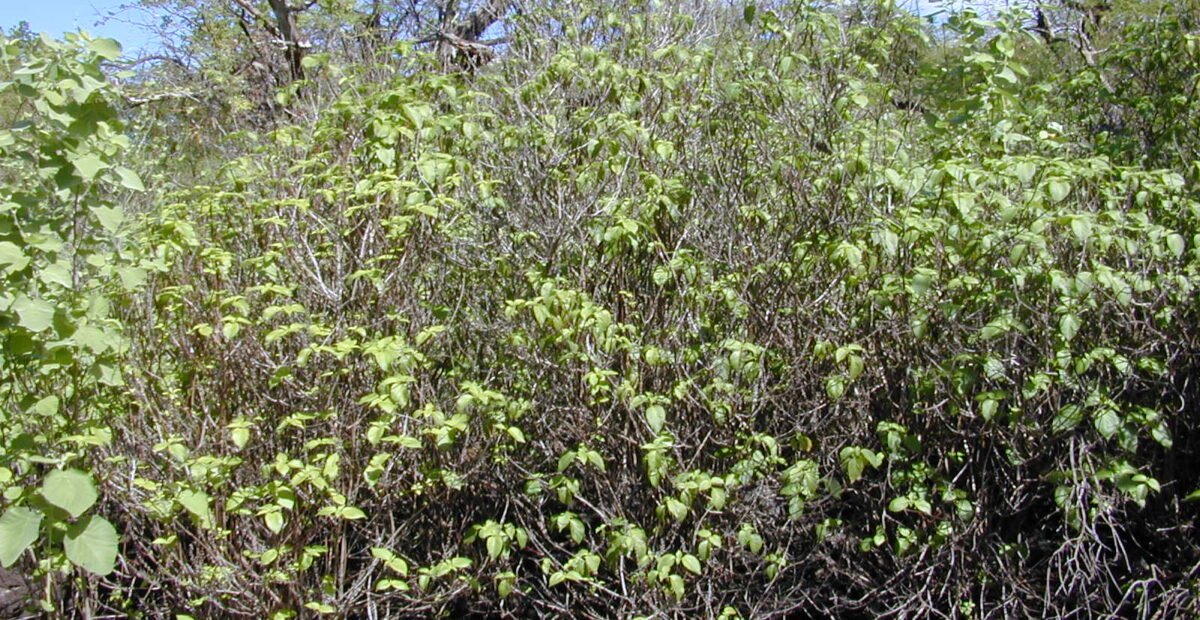
 Source:
 Wild basil (Ocimum gratissimum) short overview
Wild basil is an aromatic, frost-tender shrub or subshrub in the mint family, valued for its strongly scented foliage, upright branching habit, and spikes of small white to cream flowers. Native across tropical and subtropical regions of the Old World, it is grown in the United States as a warm-season herb, container plant, or overwintered indoor specimen. Give it bright sun, warmth, fertile well-drained soil, and regular trimming to maintain a productive, bushy shape.
Taxonomic classification
Wild basil (Ocimum gratissimum) care guide
Light and placement
Grow wild basil in the brightest practical location, ideally with 6–8 hours of direct sun. A south- or west-facing position is suitable indoors; outdoors, provide a warm site protected from cold winds. Leggy stems, small leaves, and weak fragrance usually indicate insufficient light. Bleached patches, scorched margins, or sudden midday wilt can indicate excessive heat or root-zone dryness rather than a need for less light.
Watering and humidity
Water thoroughly when the top inch of soil begins to dry, then allow excess water to drain completely. Keep the root zone evenly moist during hot, active growth, but avoid standing water, especially in containers. Reduce watering in autumn and winter as growth slows. Average household humidity is usually adequate if foliage is not crowded and air circulation is good.
Soil and growing medium
Use a fertile potting mix amended with perlite, coarse sand, or fine bark so water drains freely while the root ball does not dry immediately. In the ground, loam or sandy loam with added organic matter is suitable. Heavy, compacted soil increases root-rot risk. The species tolerates a broad pH range, but steady growth is easiest in slightly acidic to neutral or mildly alkaline soil.
Feeding
Feed container plants every 3–4 weeks during active summer growth with a balanced liquid fertilizer at half the label rate, or use a controlled-release product according to its instructions. Incorporate mature compost when planting in the ground. Do not fertilize newly transplanted, drought-stressed, diseased, or dormant plants; resume feeding after vigorous new growth appears.
Growth and habit
Wild basil develops a branching, somewhat woody framework rather than remaining a soft annual. Warm conditions encourage rapid leafy growth, while flowering can make shoots more open and stemmy. Regular pinching or harvesting keeps the canopy productive and encourages branching. In climates without frost it may persist for several years; elsewhere it is commonly managed as a seasonal outdoor plant or overwintered container specimen.
Planting and repotting
Plant outdoors only after frost danger has passed and the soil is warm. Set transplants at the same depth as they grew in their containers, water thoroughly, and protect them from strong midday heat for several days while roots establish. Surface-sow seed because light and shallow coverage support emergence. Mulch lightly after establishment, keeping mulch away from woody stems.
Repot container plants when roots circle the pot or growth slows despite adequate care, preferably in spring or early summer. Move up only one pot size and use a porous, well-drained mix. Handle the root ball gently, water once after repotting, and keep the plant in bright indirect light for several days before returning it to stronger sun.
Propagation and pruning
Propagation
Sow fresh seed very shallowly in warm, sterile, well-drained medium; germination is favored by temperatures around 77–86°F. Keep the medium lightly moist until emergence, then provide strong light. Softwood or semi-softwood cuttings can be rooted during active growth from healthy nonflowering shoots. Cuttings are useful for preserving a particularly desirable fragrance or growth form.
Pruning
Pinch growing tips regularly during active growth to encourage branching and delay excessive flowering. Harvest just above a leaf pair, avoiding removal of more than one-third of the plant at once. In frost-free climates, cut back lanky or heavily woody stems after flowering or at the start of renewed growth. Sterilize tools when removing diseased tissue.
Overwintering
Bring containers indoors before nighttime temperatures approach 50°F. Check carefully for insects, prune lightly if necessary, and place the plant at the brightest window available or under a grow light. Keep it slightly drier and do not fertilize heavily during low-light winter growth. Return outdoors gradually in spring after frost danger has passed.
Uses
Wild basil is used as an aromatic culinary herb in several tropical and subtropical food traditions, although flavor and essential-oil composition vary among populations. It can also serve as a fragrant ornamental, warm-season container plant, and flower-source plant for insects. Do not treat concentrated essential oils or medicinal extracts as interchangeable with ordinary culinary use; ingestion of concentrated preparations can carry different risks.
Appearance
Leaves are opposite, green, ovate to broadly ovate, and distinctly aromatic when bruised, often with a clove-like or spicy fragrance. Stems become firmer and more woody with age. Small pale flowers are arranged in elongated, upright spikes, giving mature plants a noticeably shrubby appearance. The combination of aromatic opposite leaves and fuzzy-looking flower spikes helps distinguish it from ordinary sweet basil.
Flowering
Flowering occurs mainly during warm, long days. The individual flowers are small and two-lipped, arranged in elongated spikes that may appear fuzzy because of the clustered calyces and protruding stamens. Allowing the plant to flower supports seed production but can reduce the production of tender leafy shoots, so culinary growers often remove older spikes selectively.
Pollination and visitors
The small flowers are visited by bees, including documented honey bee visitors in pollination studies of this species. Flowering spikes provide nectar and pollen during warm weather. Evidence supports bee visitation, but a single universally dominant pollinator species is not established across the plant's broad geographic range.
Ocimum gratissimum photos
Click any photo for a larger view. Source, author and license are shown separately.
Diseases and pests
Diseases
Root rot is favored by waterlogged or compacted soil; improve drainage and remove affected roots if practical. Gray mold and other fungal problems are more likely in dense, humid canopies with poor air movement. Water the soil rather than the foliage, space plants well, remove infected leaves, and avoid overhead watering late in the day.
Pests
Aphids, whiteflies, spider mites, and occasional caterpillars may affect indoor or greenhouse plants. Inspect shoot tips and leaf undersides weekly. Rinse small infestations with a firm water spray, isolate affected containers, and use insecticidal soap only as directed on the label. Avoid broad-spectrum insecticides when flowers are open to protect visiting bees.
Related diseases and pests
Only Plant Doctor profiles whose host data indicate this plant may be affected are shown here.
 DiseaseGray MoldBotrytis cinerea
 PestBroad mitePolyphagotarsonemus latus (Banks)
 Environmental stressPoor drainage stress (waterlogging)
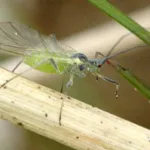 PestGreen Peach AphidMyzus persicae
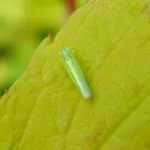 PestSmaller green leafhopperEmpoasca vitis
 PestGreen Apple AphidAphis pomi
 Environmental stressWaterlogging
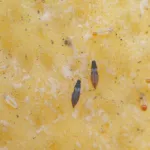 PestGreenhouse thripsHeliothrips haemorrhoidalis
Toxicity and pollen
Wild basil has a history of culinary use, but published safety evidence is uneven and often concerns concentrated extracts or essential oils rather than normal food quantities. Essential oils and strong extracts contain biologically active compounds and should not be swallowed or applied undiluted. Use ordinary culinary amounts only, avoid self-prescribed medicinal dosing, and seek professional advice for pregnancy, children, pets, or medication interactions.
- Typical season
- During flowering, generally summer into early fall in the United States
- Pollination / pollen
- Insect-released pollen from small bilabiate flowers; not typically dispersed in large airborne clouds.
Wild basil produces pollen, and its flowers are visited by bees, but reliable evidence is insufficient to assign a precise household airborne-allergy rating. Because it is primarily insect-pollinated, pollen is generally released at flowers rather than spread as broadly as wind-borne pollen. People with strong plant or fragrance sensitivities should avoid handling flowers or crushed foliage if symptoms occur.
Native habitat
Wild basil is associated with warm tropical and subtropical environments, including seasonally dry habitats, forest margins, secondary vegetation, disturbed ground, and other open sites. It generally performs best in warm soils with good drainage and adequate seasonal moisture, while established plants can tolerate short dry periods better than waterlogged conditions.
Interesting fact
Kew recognizes Ocimum gratissimum as an accepted species with several accepted infraspecific taxa. The plant is a subshrub or shrub rather than simply a soft annual basil. Its strongly aromatic oil profile can vary among populations and cultivated selections, which helps explain differences in fragrance and flavor.
Frequently asked questions (FAQ)
The most relevant questions about this plant, with short and direct answers.
🌱Quick care
What is wild basil (Ocimum gratissimum)?⌄
Wild basil is a strongly aromatic basil species in the mint family, Lamiaceae. It is also known in some references as African basil, clove basil, or East Indian basil, but “wild basil” is the documented common name used here.
Is wild basil perennial or annual in the United States?⌄
Wild basil can behave as a perennial in frost-free climates, but it is usually grown as an annual or overwintered indoors in most of the United States. Freezing temperatures can kill exposed plants.
How large does wild basil get?⌄
Wild basil can become a large, bushy herb or small shrub, with reported mature heights around 5 to 8 feet in favorable frost-free conditions. Size is usually smaller when it is grown as a seasonal container plant.
🌤️Environment and placement
How much sunlight does wild basil need?⌄
Wild basil grows best in full sun, receiving at least 6 hours of direct sunlight daily. In very hot areas, light afternoon shade can reduce heat stress if the soil does not stay waterlogged.
Can wild basil grow indoors?⌄
Wild basil can grow indoors in a bright, warm window or under a grow light. Provide strong light, good air circulation, and a container with drainage because low light and soggy soil commonly cause weak growth.
What USDA hardiness zones are suitable for wild basil?⌄
Wild basil is best treated as a warm-season plant and is safest outdoors after frost in most U.S. regions. It may persist year-round in frost-free areas, while gardeners in colder zones should grow it in a container or bring it indoors before freezing weather.
What temperature does wild basil prefer?⌄
Wild basil prefers warm growing conditions and should be protected from frost. Move container plants indoors before temperatures approach freezing, and avoid exposing seedlings to cold nights.
Can wild basil survive winter outdoors?⌄
Wild basil can survive winter outdoors only where freezing temperatures are uncommon or absent. In areas with regular frost, grow it in a container and move it indoors before cold weather or treat it as an annual.
💧Care and problems
How often should I water wild basil?⌄
Water wild basil moderately, giving it a thorough drink when the soil surface begins to dry. Water more often during hot, dry weather and less often in cool or rainy conditions, while avoiding constantly wet soil.
Why are the leaves on my wild basil turning yellow?⌄
Yellow leaves on wild basil are often caused by overwatering, poor drainage, low light, or normal aging of lower leaves. Check the roots and soil moisture before increasing fertilizer or water.
Why is my wild basil wilting even though the soil is wet?⌄
Wild basil may wilt in wet soil when its roots are stressed by poor drainage or root rot. Improve drainage, allow the upper soil to dry slightly, and inspect roots for dark, soft, or foul-smelling tissue.
Does wild basil need fertilizer?⌄
Wild basil benefits from fertile soil and usually needs only light, balanced fertilization during active growth. Excess fertilizer can produce lush, weak growth with less concentrated aroma, so follow the product label rather than heavily feeding.
Why is my wild basil leggy?⌄
Leggy wild basil usually needs more direct light or more regular pinching. Move it to a brighter location and cut the stems just above leaf nodes to encourage fuller branching.
What pests commonly affect wild basil?⌄
Wild basil may be affected by common basil and greenhouse pests such as aphids, whiteflies, spider mites, and thrips. Inspect leaf undersides regularly and use a plant-safe control appropriate for edible herbs if treatment is needed.
🪴Planting and repotting
What soil is best for wild basil?⌄
Plant wild basil in fertile, well-drained loam or sandy loam. It tolerates a range of soil reactions, but heavy compacted soil should be amended or avoided because poor drainage encourages root problems.
Can wild basil grow in a container?⌄
Wild basil grows well in a container filled with a fertile, well-drained potting mix. Choose a pot with drainage holes and increase container size as the root system fills the existing pot.
When should I plant wild basil outdoors?⌄
Plant wild basil outdoors after the local danger of frost has passed and nighttime temperatures are consistently warm. In much of the United States, this means late spring, although the timing varies by region.
How do I repot wild basil?⌄
Repot wild basil when roots circle the container or growth slows, moving it into a pot only modestly larger than the current one. Preserve the root ball, use fresh well-drained mix, and water thoroughly once after repotting.
✂️Propagation and pruning
Can wild basil be grown from seed?⌄
Wild basil can be propagated from seed. Sow the seed shallowly in a warm, well-drained medium, keep it evenly moist, and provide bright light after germination.
Can wild basil be propagated from cuttings?⌄
Wild basil can be propagated from softwood or semi-softwood cuttings. Take a healthy nonflowering stem cutting, remove the lower leaves, and root it in a clean, lightly moist medium under warm conditions.
How do I prune wild basil?⌄
Prune wild basil by pinching or cutting just above a pair of leaves to encourage branching. Remove damaged growth and trim flowering stems when you want to prioritize leafy, aromatic growth.
Can wild basil reseed itself?⌄
Wild basil can produce seed after flowering and may reseed in warm climates where seed survives. In colder U.S. regions, seedlings may not survive winter, so dependable propagation usually requires saved seed, purchased seed, or cuttings.
⚠️Toxicity and safety
Is wild basil edible?⌄
Wild basil is used as a culinary herb in some regional food traditions, but a household toxicity rating cannot be stated definitively from the available evidence. Do not consume a plant unless its identity and intended culinary use are confirmed by a qualified source.
Is wild basil toxic to dogs or cats?⌄
The available evidence is insufficient to assign a definitive household toxicity rating for wild basil to dogs or cats. Keep pets from chewing unfamiliar plant material and contact a veterinarian or animal poison service if ingestion causes symptoms.
Is wild basil safe to use as a medicinal herb?⌄
Wild basil has a history of traditional medicinal use, but traditional use does not establish safety, dosage, or effectiveness. Avoid self-treating with concentrated preparations, especially during pregnancy, while nursing, or when taking medication.
🌸Flowering and special interest
Should I remove flowers from wild basil?⌄
Remove wild basil flowers if your main goal is continued leafy growth, because flowering redirects energy toward reproduction. Leave some flower spikes if you want seeds or want to observe its small flowers and attract pollinators.
What do wild basil flowers look like?⌄
Wild basil produces small flowers arranged in elongated spikes, typically appearing white to pale-colored depending on the form. The flower spikes can be noticeably hairy or fuzzy in appearance.
When does wild basil flower?⌄
Wild basil generally flowers during warm, active growth, often after the plant has become well established. The exact timing depends on temperature, day length, pruning, and growing conditions.
Does wild basil attract pollinators?⌄
Wild basil flowers may attract bees and other small pollinating insects. Allowing some flower spikes to remain can provide a useful nectar and pollen resource during the growing season.
Similar plants
 Azure Monkshood (Aconitum carmichaelii) care guideAconitum carmichaelii
 Monkshood (Aconitum ‘Stainless Steel’)Aconitum 'Stainless Steel'
 Monkshood (Aconitum ‘Bressingham Spire’)Aconitum 'Bressingham Spire'
 Golden full moon maple (Acer shirasawanum ‘Aureum’)Acer shirasawanum 'Aureum'
 Globosum (Acer platanoides ‘Globosum’)Acer platanoides 'Globosum'
 Striped maple (Acer pensylvanicum) care guideAcer pensylvanicum