
 Source:
 Xkakaltun (Ocimum campechianum) short overview
Xkakaltun, Ocimum campechianum, is a tropical and subtropical American basil in the mint family, Lamiaceae. It is usually a bushy annual or short-lived subshrub with aromatic, broadly ovate leaves and compact whorled racemes of tiny whitish flowers marked with pale violet. In the United States it is best grown as a warm-season container or herb-garden plant, with full sun, excellent drainage, and protection from frost.
Taxonomic classification
Xkakaltun (Ocimum campechianum) care guide
Light and placement
Grow in a warm location receiving at least 6 hours of direct sun, ideally with morning-to-early-afternoon exposure and some protection from intense reflected heat in very hot climates. Sparse, stretched stems and small pale leaves indicate insufficient light; scorched leaf margins, bleached foliage, or sudden midday wilt suggest excessive heat, root stress, or harsh reflected sun.
Watering and humidity
Water deeply when the top inch of soil feels dry, then allow excess water to drain fully. Keep plants more consistently moist while establishing and during hot container weather, but reduce watering in cool conditions. Avoid wet foliage late in the day and never leave pots standing in saucers of water.
Soil and growing medium
Use a loose, fertile, fast-draining medium such as quality potting mix amended with compost and coarse perlite, or a sandy loam in the ground. Avoid dense clay and chronically wet sites, which can cause root decline. A slightly acidic to neutral reaction is suitable; routine pH correction is usually unnecessary in ordinary garden soil.
Feeding
Mix a modest amount of finished compost into the planting area, then feed containers every 3 to 4 weeks with a balanced liquid fertilizer at half strength while plants are actively growing. Avoid heavy nitrogen feeding, which can produce soft, lush stems and reduce compact habit. Do not fertilize during cold, drought-stressed, or recently transplanted periods.
Growth and habit
This species commonly forms a branching, somewhat bushy plant and may behave as an annual in temperate gardens or a short-lived subshrub in frost-free climates. Pinch young shoot tips to encourage branching and harvest leafy growth before flowering becomes extensive. Allowing some stems to flower produces seed but can make the plant less leafy.
Planting and repotting
Plant outdoors only after frost danger has passed and the soil has warmed. Sow shallowly because the seed is small, keep the surface evenly moist until emergence, and thin or transplant seedlings once they have several true leaves. Harden indoor-grown plants gradually before setting them outside. Provide good air circulation and avoid low, waterlogged locations.
Move container plants into a pot only one size larger when roots fill the existing container. Use a fresh, well-drained potting medium and ensure the container has open drainage holes. Repot in spring or early summer, water thoroughly afterward, and protect the plant from intense sun for several days while roots re-establish.
Propagation and pruning
Propagation
Sow fresh seed shallowly in warm conditions in late winter or spring, keeping the surface lightly moist until germination. Stem cuttings may also root readily from healthy, nonflowering shoots in a clean, free-draining medium. Transplant seedlings or rooted cuttings after they have developed a strong root system and outdoor temperatures are warm.
Pruning
Pinch the growing tips regularly once plants are established to promote branching and delay flowering. Harvest stems just above a leaf pair, and remove spent flower spikes if continued leafy growth is desired. At the end of the season, cut back frost-damaged growth and discard plants grown as annuals.
Overwintering
Treat it as a frost-tender annual in most of the United States. Before the first freeze, take cuttings or bring a healthy container plant indoors to a bright, warm window. Reduce watering indoors, provide good air circulation, and expect slower growth during short winter days. Do not expose it to freezing temperatures.
Uses
Useful as an aromatic herb, warm-season container plant, and informal pollinator-garden accent. Culinary use is documented for related regional traditions and some records specifically report edible leaves, but flavor, identification, and food-safety information are not as standardized as for common sweet basil. Do not use it medicinally without qualified guidance; traditional-use records do not establish clinical safety or efficacy.
Appearance
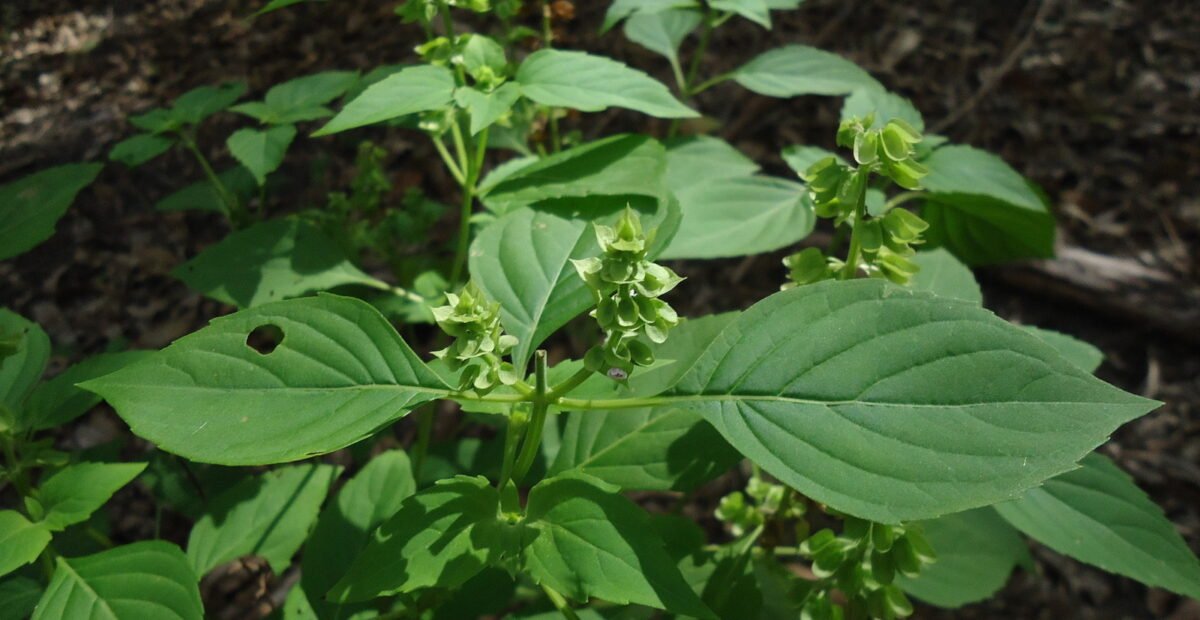
The plant has aromatic, broadly ovate to elliptic leaves, usually 3/4 to 2 1/2 inches long, on slender branching stems. Young growth is lightly hairy. Compact racemes bear whorls of very small whitish flowers with pale violet markings, followed by tiny dark nutlets.
Flowering
Flowering occurs during warm, frost-free growth, generally from summer into early fall in much of the United States. The tiny bilabiate flowers are borne in compact whorls along short racemes. Flowering can increase as stems mature, while regular pinching delays blooms and maintains more leafy growth.
Pollination and visitors
As a flowering Ocimum, it offers accessible small flowers with nectar and pollen to insect visitors. The available species-level evidence is limited, so a specific principal pollinator cannot be assigned confidently. Bees, bumblebees, hoverflies, and other small insects are reasonable documented or characteristic visitor groups for the genus and flower structure, but visitation can vary by region.
Ocimum campechianum photos
Click any photo for a larger view. Source, author and license are shown separately.
Diseases and pests
Diseases
The main risks are root and crown problems caused by overwatering, poor drainage, or crowded humid growth, along with occasional foliar fungal spotting. Use clean containers, avoid overhead irrigation, water at the soil line, provide spacing, and remove badly affected leaves. Discard severely declining plants rather than repeatedly keeping infected material.
Pests
Aphids, whiteflies, spider mites, and occasionally thrips may attack stressed plants, especially indoors. Inspect leaf undersides and growing tips weekly. Improve air circulation, rinse foliage when practical, and use insecticidal soap according to its label for active infestations. Avoid broad-spectrum insecticides when flowers are open to protect visiting insects.
Related diseases and pests
Only Plant Doctor profiles whose host data indicate this plant may be affected are shown here.
 Environmental stressOverwatering
 PestBroad mitePolyphagotarsonemus latus (Banks)
 PestOnion thripsThrips tabaci Lindeman
 PestMelon thripsThrips palmi Karny
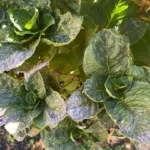 PestChilli thripsScirtothrips dorsalis Hood
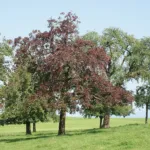 DiseasePear Decline‘Candidatus Phytoplasma pyri’
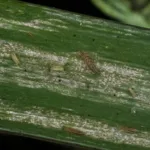 PestDracaena ThripsParthenothrips dracaenae
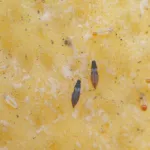 PestGreenhouse thripsHeliothrips haemorrhoidalis
Toxicity and pollen
Reliable species-specific human and companion-animal toxicity information was not located in the reviewed authoritative sources. Traditional food or medicinal records should not be treated as proof of safety, and essential oils or concentrated extracts can pose different risks from ordinary culinary exposure. Avoid ingestion by children and pets, and seek poison-control or veterinary advice after a significant exposure.
- Typical season
- Summer to early fall outdoors in the United States
- Pollination / pollen
- Insect-released pollen; not typically dispersed in large airborne clouds
The flowers are insect-pollinated, so pollen is primarily presented to visiting insects rather than released as a large airborne cloud. That does not prove zero allergy risk: sensitive people may still react to plant contact, fragrance, or incidental pollen exposure. Species-specific clinical allergen data are limited, so the rating remains conservative.
Native habitat
It occurs in tropical and subtropical American landscapes including fields, thickets, open disturbed ground, savanna, woodland margins, shrubland, and some seasonally dry habitats. Records extend from near sea level to roughly 4,760 feet. It generally favors warm conditions, open light, and soils that are not persistently saturated.
Interesting fact
Kew treats Ocimum campechianum as an accepted species and includes Ocimum micranthum among its synonyms. The species is often herbaceous but can develop a subshrubby habit. Its tiny black nutlets are characteristic of the mint family. In Florida, it occurs in distinctive habitats including pine rockland and Keys cactus barren communities.
Frequently asked questions (FAQ)
The most relevant questions about this plant, with short and direct answers.
🌱Quick care
What is Xkakaltun?⌄
Xkakaltun is the documented local common name for Ocimum campechianum, a basil in the mint family, Lamiaceae. It is an annual or short-lived subshrub native to tropical and subtropical regions of the Americas.
Is Xkakaltun the same as Ocimum campechianum?⌄
Yes, Xkakaltun is a local common name used for Ocimum campechianum. The species may also appear under older scientific synonyms, including Ocimum micranthum.
How tall does Xkakaltun grow?⌄
Xkakaltun is commonly described as a relatively small basil, with reported mature heights ranging from about 10 inches to 40 inches. Size varies with climate, soil, light, and whether the plant is grown as an annual or subshrub.
What does Xkakaltun smell or taste like?⌄
Xkakaltun is described as having a strong, complex basil-like aroma and flavor with notes that may include spice, clove, cinnamon, camphor, or eucalyptus. The profile can vary among plants and growing conditions.
Where is Ocimum campechianum native?⌄
Ocimum campechianum is native across tropical and subtropical parts of the Americas, including regions of Mexico, Central America, the Caribbean, South America, and Florida. Its broad native range reflects its preference for warm conditions.
🌤️Environment and placement
How much light does Xkakaltun need?⌄
Grow Xkakaltun in full sun to light afternoon shade. In very hot climates, light afternoon shade can reduce heat stress while preserving strong growth.
Can Xkakaltun grow indoors?⌄
Xkakaltun can grow indoors if it receives several hours of bright direct sunlight, preferably from a south- or west-facing window or a grow light. Good air circulation and a container with drainage are important indoors.
What USDA Hardiness Zones are suitable for Xkakaltun?⌄
Xkakaltun is best treated as a frost-tender plant, generally suited to warm climates around USDA Zones 10 and warmer. In colder zones, grow it as a seasonal annual or bring container plants indoors before frost.
Is Xkakaltun a perennial or an annual?⌄
Xkakaltun may behave as an annual or subshrub depending on climate. It can persist longer in frost-free conditions but is usually grown seasonally where freezing temperatures occur.
💧Care and problems
Can Xkakaltun survive frost?⌄
No, Xkakaltun is frost-tender and may be seriously damaged or killed by freezing temperatures. Move containers indoors or protect plants before the first expected frost.
How often should I water Xkakaltun?⌄
Water Xkakaltun when the soil surface begins to dry, keeping the root zone moderately and evenly moist. Do not leave the plant in soggy soil, because waterlogged roots can decline quickly.
Why is my Xkakaltun turning yellow?⌄
Yellowing leaves on Xkakaltun commonly indicate overwatering, poor drainage, insufficient light, or normal aging of older leaves. Check the soil moisture and roots first, then improve drainage and provide brighter light if needed.
Why is my Xkakaltun wilting even though the soil is wet?⌄
Wilting despite wet soil often indicates root stress from poor drainage or root damage rather than a lack of water. Let excess moisture drain, inspect the roots for decay, and repot into fresh, well-drained mix if necessary.
🪴Planting and repotting
What type of soil is best for Xkakaltun?⌄
Use well-drained loam or sandy loam for Xkakaltun. Heavy clay or compacted soil should be amended or avoided because excess moisture around the roots can cause problems.
Does Xkakaltun need good drainage?⌄
Yes, excellent drainage is important for Xkakaltun. In containers, use a pot with drainage holes and a loose potting mix rather than garden soil that may stay wet.
When should I plant Xkakaltun outdoors?⌄
Plant Xkakaltun outdoors after the danger of frost has passed and the soil has warmed. In the United States, the appropriate planting date varies by local climate and should follow your area’s last-frost timing.
Can Xkakaltun be grown in a container?⌄
Yes, Xkakaltun grows well in a container with drainage holes and a well-drained potting mix. Container growing is especially useful in cooler parts of the United States because the plant can be moved indoors before frost.
✂️Propagation and pruning
How do you propagate Xkakaltun?⌄
Xkakaltun is most naturally propagated from seed, and basil plants can also be propagated from healthy stem cuttings. Start seed in warm conditions and keep the medium lightly moist until germination.
Can Xkakaltun be grown from cuttings?⌄
Yes, healthy non-flowering stem cuttings may root in water or a sterile, lightly moist rooting medium. Rooting success can vary because detailed species-specific propagation guidance for Xkakaltun is limited.
Should Xkakaltun be pruned?⌄
Prune Xkakaltun by pinching growing tips to encourage branching and a fuller plant. Remove flower spikes if the goal is continued leafy growth, but allow some flowers to mature if you want to collect seed.
⚠️Toxicity and safety
Can Xkakaltun leaves be eaten?⌄
The leaves of Ocimum campechianum are reported as food in parts of its native range, but culinary use is not as well documented in the United States as common sweet basil. Use only correctly identified, clean plant material and avoid medicinal or concentrated preparations without qualified guidance.
Is Xkakaltun toxic to people or pets?⌄
The toxicity of Xkakaltun has not been established, so it should not be assumed to be safe for people or pets. Keep it away from children and animals, and contact a poison-control or veterinary professional if plant material is ingested.
Is Xkakaltun used medicinally?⌄
Ocimum campechianum has documented traditional medicinal uses, but those uses do not establish safety or effectiveness. Avoid using it to treat illness, during pregnancy, or in concentrated forms without advice from a qualified health professional.
🌸Flowering and special interest
Does Xkakaltun flower?⌄
Yes, Xkakaltun produces small flowers that may range from white to lavender. Flowering is encouraged by warm temperatures, adequate light, and avoiding excessive nitrogen fertilizer.
When does Xkakaltun bloom?⌄
Xkakaltun generally blooms during active warm-season growth, although the exact timing depends on temperature, day length, and growing conditions. In frost-free climates it may flower for an extended period.
Are Xkakaltun flowers attractive to pollinators?⌄
Xkakaltun is regarded as a useful honey plant in parts of its native range, so its flowers may attract bees and other pollinators. Local pollinator activity will depend on what insects are present and whether the plant is flowering abundantly.
Similar plants
 Azure Monkshood (Aconitum carmichaelii) care guideAconitum carmichaelii
 Monkshood (Aconitum ‘Stainless Steel’)Aconitum 'Stainless Steel'
 Monkshood (Aconitum ‘Bressingham Spire’)Aconitum 'Bressingham Spire'
 Golden full moon maple (Acer shirasawanum ‘Aureum’)Acer shirasawanum 'Aureum'
 Globosum (Acer platanoides ‘Globosum’)Acer platanoides 'Globosum'
 Striped maple (Acer pensylvanicum) care guideAcer pensylvanicum