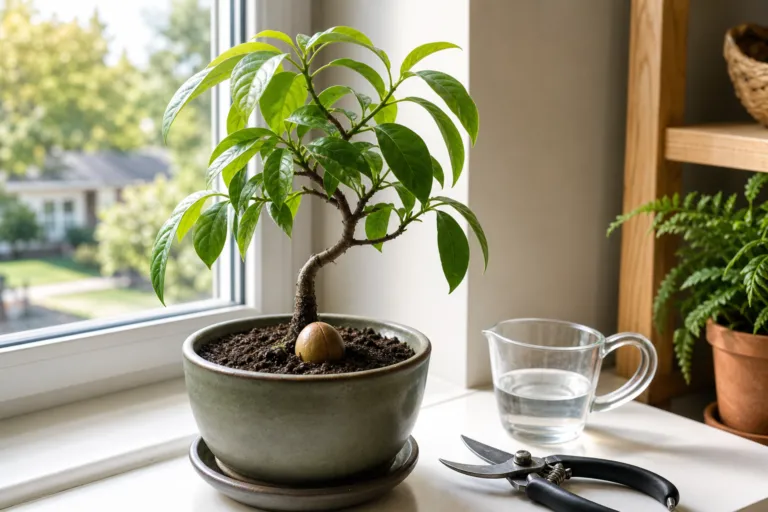
Yes – most houseplants have a growing season indoors, even though your living room never experiences frost, snow or a short growing day in quite the same way as your backyard. The difference is that indoor seasons are controlled less by the calendar and more by light, temperature, humidity and your plant’s natural rhythm.
In spring and summer, longer, brighter days usually encourage fresh leaves, new stems and faster water use. In fall and winter, shorter days and lower light often slow growth dramatically. Some plants nearly stop growing, while others continue at a gentle pace if they sit close to a bright window or beneath a grow light.
Once you understand this indoor growing cycle, plant care becomes much easier. Instead of watering on a fixed schedule, you can respond to what your plant is actually doing.
What “growing season” means indoors
A growing season is the period when a plant actively produces new growth and uses resources such as water and nutrients more quickly. For many common houseplants, that period roughly runs from spring through early fall. Indoors, however, the timing can vary from one room to another.
A monstera beside a bright south-facing window may continue producing leaves well into fall. A pothos several feet from a north-facing window may slow down much earlier. A cactus in a warm, brightly lit room can remain active while a tropical plant in a cool, dim corner rests.
Think of the “season” as a set of conditions rather than a date on the calendar. Plants respond mainly to:
- Light duration: how many hours of usable light reach the leaves.
- Light intensity: how bright that light is.
- Temperature: warmth generally supports faster activity, within the plant’s preferred range.
- Water availability: actively growing plants usually use water more quickly.
- Plant type: a succulent, fern and flowering houseplant may follow very different rhythms.

Why winter slows indoor plants down
The biggest winter change is usually light. The days are shorter, the sun sits lower in the sky, and many windows receive less direct light. Even a sunny spot that worked beautifully in July may provide much less usable energy in December.
When light drops, a plant may produce smaller leaves, longer spaces between leaves or thin stems that lean toward the window. Older leaves may yellow and fall as the plant adjusts the amount of foliage it can support. This does not always mean the plant is dying; it may simply be operating on a reduced winter budget.
Indoor heating creates a second challenge. Warm air can make leaves lose moisture, while the potting mix may remain damp because the plant is growing slowly and using less water. That combination often tempts gardeners to water again before the soil has dried sufficiently.
For many houseplants, winter decline comes from treating a resting plant like a summer plant: frequent watering, regular feeding and sudden moves into harsh light or dry heat.
Not every houseplant follows the same schedule
Comparing plant groups helps explain why there is no universal indoor watering or feeding calendar.
Tropical foliage plants
Pothos, heartleaf philodendron, monstera, rubber plant and many dracaenas often grow most vigorously from spring into summer. They may continue growing indoors during winter, but usually at a slower rate unless light and warmth remain strong.
In a dim winter room, expect less frequent watering and little or no fertilizer. In a bright room under a grow light, the same plant may continue active growth and need more regular attention.
Succulents and cacti
Many succulents and cacti prefer a pronounced winter rest. They often need less water than tropical foliage plants, especially when temperatures are cooler and light is limited. Some may show little visible growth for months and then respond quickly when bright spring light returns.
A warm, brightly lit room can change the picture. If a succulent is actively producing new growth, check its soil and overall condition rather than assuming it is dormant simply because it is winter.
Flowering houseplants
African violets, orchids, holiday cacti and other flowering plants may follow special light or temperature cues. Some bloom in response to day length, cooler nights or a period of rest. Others can flower repeatedly indoors when they receive suitable light and consistent care.
For these plants, watch the leaves and flower buds closely. A flowering plant may need more energy than a resting foliage plant, but feeding a stressed or poorly lit plant will not solve the underlying problem.
Herbs and edible plants
Basil, cilantro and many leafy herbs can grow indoors through winter, but they need much brighter light than people often expect. A sunny windowsill may be enough for a short time, yet a small LED grow light can make the difference between sturdy, productive growth and pale, stretched stems.
A simple home experiment: measure your plant’s real season
Rather than guessing when your plant is growing, try a four-week observation experiment. Choose one plant and record the same information once a week.
- Count the number of new leaves or visible leaf unfurlings.
- Measure the length of one new stem, if the plant produces one.
- Record the room temperature near the plant.
- Write down the date and amount of water added.
- Note the soil moisture before watering and the amount of light the plant receives.
For a practical comparison, place two similar pothos cuttings in separate rooms. Keep one about 12 inches from a bright east- or south-facing window. Place the other 6 feet from the window in the same general temperature range. After four weeks, compare new leaf production, stem length and watering needs.
The brighter plant will often show more active growth and dry its potting mix sooner. The dimmer plant may remain healthy but produce smaller leaves or longer spaces between them. If the room is very dark, it may stop producing new growth altogether.
This is not a laboratory test, and the plants will not be perfectly identical. Still, the exercise teaches an important lesson: two plants in the same home can have different “seasons” because their light exposure differs.
Water by measurement, not by the calendar
Watering is where seasonal awareness matters most. During active growth, a plant may use water quickly. During winter rest, the same pot may remain moist for many more days.
Try this simple measurement method with a plant in a 6-inch nursery pot. Water slowly until a small amount drains from the bottom, then measure how much water you used. Depending on the potting mix and how dry the plant was, that might be roughly 2 to 3 cups. Empty the saucer after about 10 minutes so the pot does not sit in standing water.
Now record how many days pass before the top 1 to 2 inches of potting mix feel dry. If the plant needed 2.5 cups every 5 days in June but takes 11 days to reach the same dryness in January, do not continue using the summer schedule. The plant’s water demand has changed.
Use the numbers as a guide, not a rigid rule. A plant in a terracotta pot may dry faster than one in plastic. A small plant in a sunny window may need water sooner than a large plant in a cool room. Root-bound plants and different potting mixes also change the timing.
A useful winter watering check
- Push a finger 1 to 2 inches into the potting mix.
- Lift the pot and notice whether it feels lighter than it did after watering.
- Look for a plant-specific signal: soft leaves, curling leaves or new growth may tell you more than the calendar.
- Water thoroughly when the plant needs it, then allow excess water to drain.
- Never add a small splash every few days just to follow a routine.
Some plants prefer to dry more deeply between waterings, while others need more even moisture. Always consider the species, pot size and potting mix together.
Light is the indoor season-maker
If you want houseplants to keep growing through winter, improve the light before reaching for fertilizer. Move plants closer to the brightest suitable window, but make changes gradually if the plant is not accustomed to direct sun.
Rotate pots every week or two so one side does not stretch toward the window. Clean broad leaves gently with a damp cloth when dust accumulates. A clean leaf can make better use of the light available.
When natural light is inadequate, use a supplemental LED grow light. Position it according to the manufacturer’s instructions and provide a consistent daily schedule rather than leaving it on continuously. A timer makes this easy and gives the plant a predictable light-and-dark cycle.
Signs that a plant may need more light include:
- Long, thin stems or unusually wide gaps between leaves.
- New leaves that are much smaller than older ones.
- Growth leaning strongly in one direction.
- Loss of color or persistent leaf drop without an obvious watering problem.
- Failure to flower when the plant has previously bloomed under brighter conditions.
Should you fertilize during winter?
Fertilizer supports growth; it does not create the light needed for growth. If a plant is barely producing new leaves in winter, regular feeding may contribute to salt buildup or root stress instead of helping.
For many houseplants, pause feeding during the darkest part of winter or reduce it substantially. Resume gradually when you see steady new growth in spring. Plants growing strongly under bright natural or supplemental light may continue to need occasional feeding, but use the product label and avoid increasing the dose to compensate for low light.
Temperature and humidity still matter
Most common foliage houseplants do well in typical indoor temperatures, roughly 65°F to 75°F during the day, with somewhat cooler nights. Protect them from cold drafts, icy window glass, radiators, fireplaces and heating vents.
Winter air can become very dry, especially in homes with forced-air heat. Grouping plants together or using a humidifier can raise humidity nearby. A pebble tray may add a small local effect, but keep the pot above the water rather than sitting directly in it.
Humidity cannot replace light. A fern in a dark bathroom may still struggle, even if the air feels pleasantly moist. Choose a location that provides both suitable humidity and enough light.
Spring is the real reset button
As days lengthen, many houseplants wake up before you do. New leaves may appear, soil may dry faster and plants that looked tired in February may begin stretching toward the window.
Use this transition gradually:
- Increase watering only when the soil dries more quickly.
- Begin feeding after you see active new growth.
- Move plants into stronger light over one to two weeks.
- Prune weak or stretched growth if the plant responds well to pruning.
- Repot only when the roots or potting mix show a genuine need.
Suddenly placing a low-light plant in intense spring sun can scorch leaves, so let it acclimate. If you move plants outdoors for summer, begin in a sheltered, shady location and increase exposure gradually.
The bottom line
Houseplants absolutely can have a growing season indoors – but it is flexible. Spring and summer usually bring faster growth, while fall and winter often bring a slower rhythm. Bright light, warm conditions and an actively growing plant can extend that season; dim light and cool temperatures can shorten it.
Let your plant set the pace. Check the soil, observe new growth, measure how quickly the pot dries and adjust care as conditions change. With a little attention, winter does not have to be a season of frustration. It can be a useful resting period that prepares your plants for a fresh burst of growth when spring light returns.