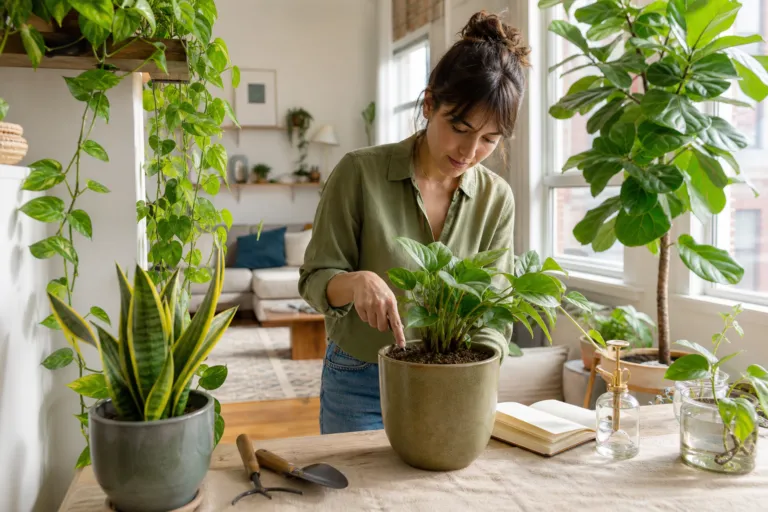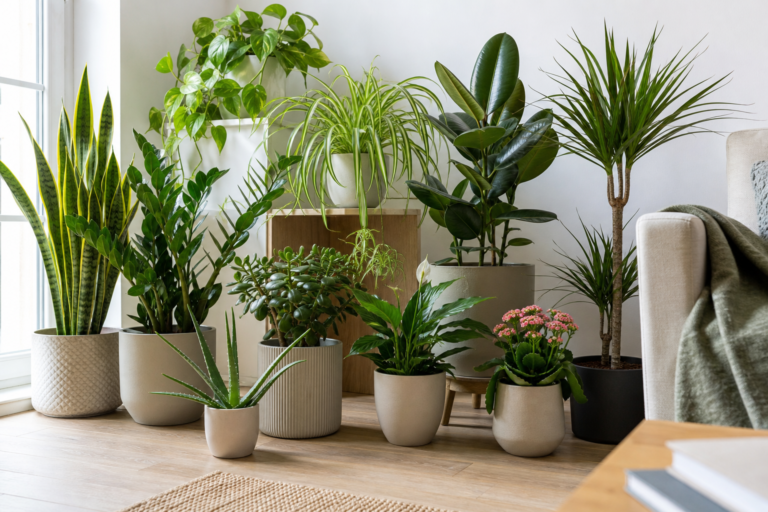
For a while, it seemed as if every kitchen counter, office shelf and social-media feed had become a miniature jungle. Monsteras were treated like design statements, rare aroids changed hands for startling prices, and “plant parent” became a familiar part of everyday language.
Now the conversation feels quieter. Some specialist plant shops have closed, collectors are downsizing, and the once-hyped rare-plant market is far less frantic. So, is the houseplant trend over?
Not exactly. The pandemic-era boom has cooled, but indoor gardening has not disappeared. Instead, it is becoming more practical, more selective and less dependent on chasing the next fashionable plant. In the United States, houseplants are moving from short-lived social-media craze to an established part of home gardening.
The boom is over—but that is not the same as a collapse
The most visible part of the houseplant craze was never the whole market. It was the high-energy collecting culture around rare variegated plants, online auctions, elaborate grow cabinets and four-figure specimens. That corner of the hobby was always especially vulnerable to oversupply and changing tastes.
When more growers began propagating popular cultivars, availability increased and prices fell. At the same time, many people who bought plants during the stay-at-home years discovered that a large collection requires regular watering, pest checks, pruning, repotting and space. For some households, the hobby became another chore rather than a relaxing pleasure.
That correction was predictable. Trends often move through a cycle: novelty attracts attention, demand surges, prices rise, supply catches up, and buyers become more discerning. The dramatic part may be finished, but the underlying activity can remain healthy.
What the numbers suggest
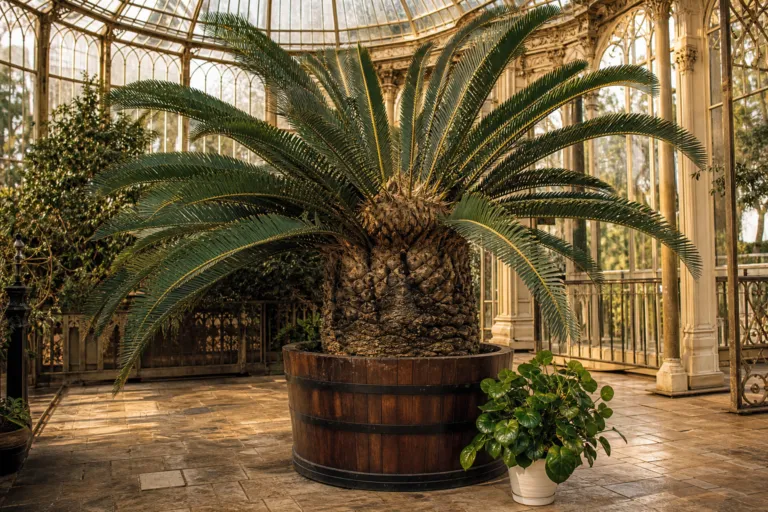
US horticultural data still show a substantial commercial indoor-plant business. The latest federal Census of Horticultural Specialties reports that growers sold about 145.9 million potted foliage plants for indoor or patio use in 2024, with a reported value of roughly $844 million. That category includes familiar plants such as pothos, philodendrons, snake plants, ficus, palms, ferns, succulents and many others.
The same census recorded about 200.6 million potted flowering plants for indoor or patio use, valued at approximately $1.29 billion. These figures describe commercial grower sales rather than every plant purchased by consumers, and they do not provide a simple year-by-year popularity score. Still, they make one point clear: houseplants remain a significant US horticultural category.
Consumer research also continues to track indoor houseplant gardening as a distinct activity, alongside vegetable gardening, flower gardening and container gardening. That matters because an established gardening category behaves differently from a passing fad. People may buy fewer plants than they did during the peak, but they continue replacing lost plants, adding seasonal color, decorating new homes and learning how to care for what they already own.
The new houseplant mood is quieter and more useful
The next phase of indoor gardening is less about owning the rarest plant in the room and more about choosing plants that fit real life. That shift favors dependable varieties, smaller collections and attractive plants that can tolerate ordinary household conditions.
Current garden trend forecasts point toward collecting as a form of personal expression, compact plant displays and more intentional gardening. Those ideas translate easily indoors. You do not need a wall of tropical foliage to participate in the trend; a windowsill of herbs, a carefully chosen orchid or a single large floor plant can be enough.
Look for these changes in the way people shop:
- Fewer impulse purchases: shoppers are more likely to consider light, space and care needs before buying.
- More affordable plants: common cultivars are widely available at garden centers, home-improvement stores, supermarkets and independent nurseries.
- Greater interest in useful plants: kitchen herbs, compact citrus, small edible projects and plants that make a room feel calmer are gaining appeal.
- More emphasis on longevity: a healthy pothos that grows for years can be more satisfying than a fragile novelty that looks impressive for one season.
Three plant groups that reveal where the hobby is heading
1. Reliable foliage plants
Pothos, heartleaf philodendron, snake plant, ZZ plant, cast-iron plant and many aglaonemas continue to earn their place because they are forgiving. They can handle the imperfect light and irregular schedules that define many American homes.
That does not mean they can live in a dark closet or survive months without water. It means they give beginners more room to learn. If you are starting again after losing a collection, choose one or two reliable plants before filling every available surface.
2. Collectible plants with sensible price tags
Plant collecting has not vanished; it has become more approachable. You can still compare leaf shapes, growth habits, variegation patterns and cultivars, but you no longer need to treat rarity as the main measure of value.
A good collection might focus on a genus, such as hoyas or peperomias, or on a growing condition, such as low-light plants for a north-facing room. Even common varieties can become interesting when you compare how their leaves, roots and watering needs differ.
3. Small, modular displays
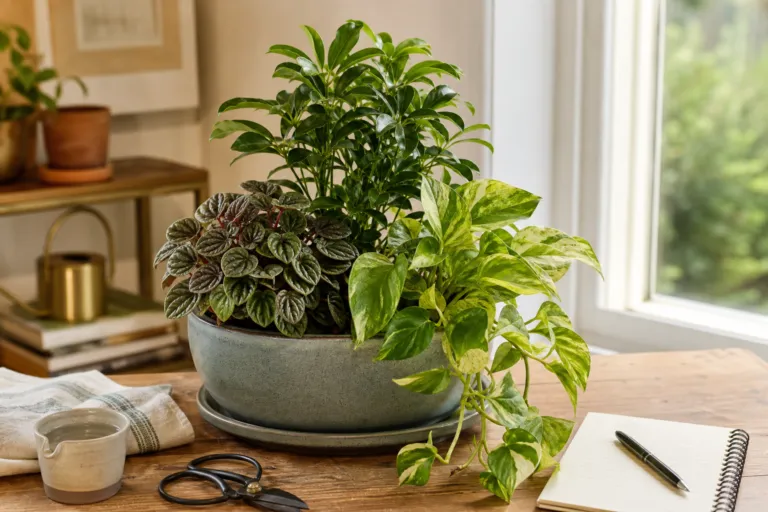
Compact displays suit apartments, dorm rooms, offices and homes where large collections are impractical. Try a trio of small pots on a tray, a windowsill herb garden or a single terrarium-style arrangement using plants with compatible moisture needs.
This approach also makes care easier. You can move the entire group to a brighter location, rotate plants for even growth or inspect them for insects without navigating a crowded jungle.
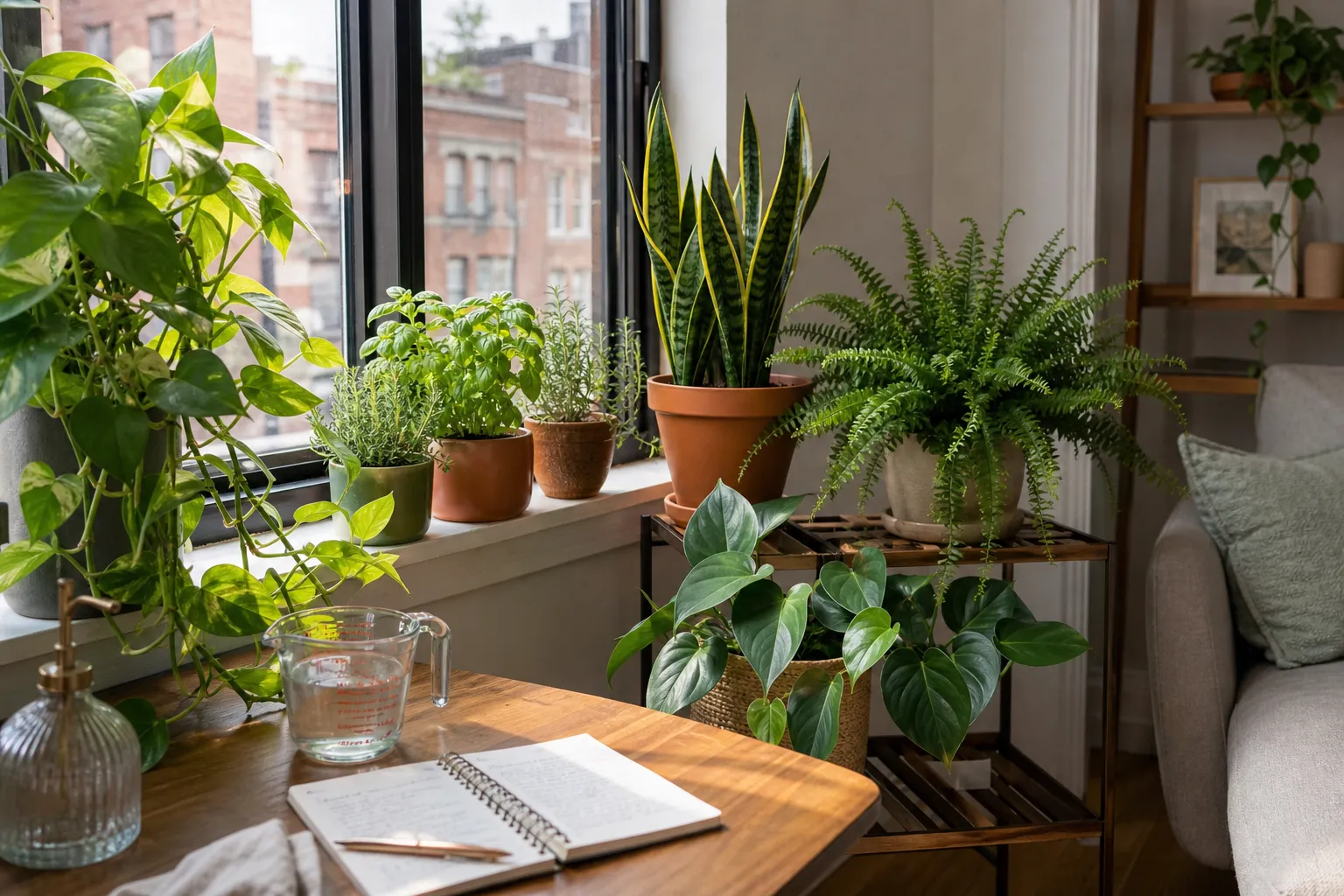
A simple home experiment: compare plants instead of chasing hype
If you want to understand which plants truly suit your home, run a four-week growing experiment. Choose three healthy plants in similar-sized pots and place them in the same room, but not so close together that their leaves touch.
A useful beginner comparison might include:
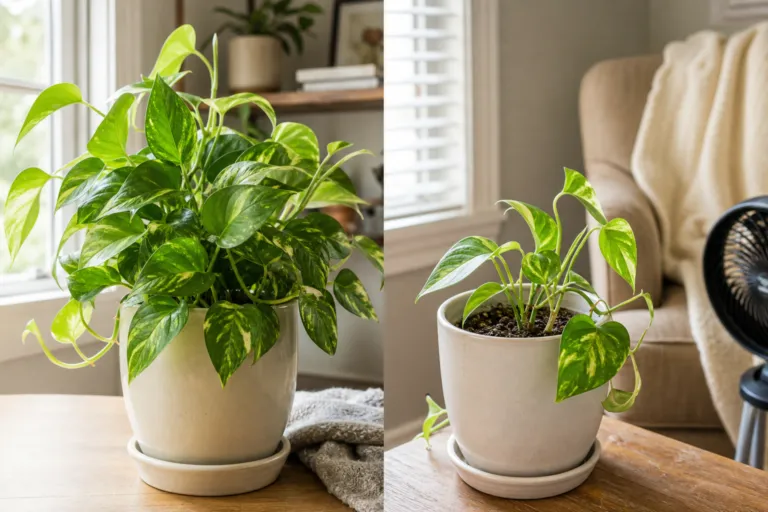
- Pothos: a trailing plant that usually prefers bright, indirect light but adapts to a range of indoor conditions.
- Snake plant: an upright, drought-tolerant plant that generally needs less frequent watering.
- Fittonia or nerve plant: a compact plant that shows more quickly when humidity or moisture is inadequate.
Keep the pots, soil type and light exposure as similar as possible. Record the date, room temperature, approximate light conditions, watering amount and visible changes in each plant.
Do not expect the experiment to produce universal rules. A dry, sunny apartment in Arizona will produce different results from a cool, humid home in the Pacific Northwest. The value is personal: you are learning which plants match your schedule.
Measure watering instead of guessing
“Water when needed” is good advice, but it can feel vague when you are beginning. A measuring cup makes the instruction more useful.
For a small 4-inch pot, start by checking the soil with your finger. If the top 1 to 2 inches feel dry and the plant’s needs call for watering, slowly apply about 8 fluid ounces of water. Wait a minute, then check whether water begins to drain from the bottom. Empty the saucer rather than allowing the pot to sit in standing water.
For a 6-inch pot, you might begin with 12 to 16 fluid ounces, again adjusting for the plant, potting mix and season. These are starting points, not fixed prescriptions. A thirsty fern in a warm room may need water sooner than a snake plant in the same-sized container.
Here is an example of a useful four-week log for three 4-inch pots:
- Pothos: watered on days 1, 9 and 18; 8 ounces each time; soil dry to about 1 inch before watering.
- Snake plant: watered on day 15; 6 ounces; soil dry several inches down before watering.
- Nerve plant: watered on days 1, 5, 10, 15, 21 and 27; 6 ounces each time; leaves began to droop between waterings.
This sample shows why a calendar reminder alone is unreliable. The plants may occupy the same room, yet their watering patterns differ. Instead of asking, “What day is watering day?” ask, “What is the soil telling me, and how did this plant respond last time?”
Why variety still matters
One reason the houseplant craze became exhausting was that many people bought plants for appearance without considering their differences. A glossy-leaved philodendron, a succulent and a fern may all look attractive on a store shelf, but they do not want the same light, soil moisture or humidity.
Compare varieties by practical traits:
- Light: Does the plant tolerate lower light, or does it need a bright window?
- Watering: Does the soil need to dry partially, or should it remain evenly moist?
- Growth habit: Will the plant trail, climb, spread or remain compact?
- Seasonal behavior: Will growth slow noticeably during winter in your home?
- Maintenance: Does it need frequent pruning, staking, grooming or repotting?
For a beginner, a $15 plant that thrives for three years is often a better purchase than a $75 plant that struggles after six weeks.
Houseplants are also following broader gardening trends
Indoor gardening no longer exists in a separate bubble. It is blending with outdoor gardening, home design, food growing and environmental awareness.
People are bringing plants indoors from summer patios, starting seeds under lights, growing herbs near the kitchen and using houseplants to make small spaces feel more personal. In colder USDA hardiness zones, indoor growing extends the gardening season. In warmer zones, it provides a way to enjoy tropical foliage year-round while protecting tender plants from occasional cold snaps.
There is also growing interest in using technology carefully rather than theatrically. A simple moisture meter, a timer for a grow light or a spreadsheet tracking watering can be useful. You do not need an expensive smart planter to become a better indoor gardener.
What is probably over
Some parts of the trend deserve to stay in the past:
- Buying plants solely because they are labeled rare.
- Paying inflated prices without understanding the plant’s mature size or care needs.
- Assuming every room can support tropical growth without supplemental light.
- Using a rigid watering schedule for every plant.
- Treating a large collection as a measure of gardening success.
The more sustainable version of the hobby is slower. It gives you time to observe, propagate, prune and learn. It also makes room for failure without turning one lost plant into a reason to quit.
The verdict: houseplants are not over—they are growing up
The houseplant trend has changed shape. The speculative rare-plant frenzy has cooled, and the social-media spectacle is less dominant. But commercial sales, consumer interest and everyday availability all point to a hobby that remains firmly rooted in American homes.
What comes next is likely to be more personal and practical: plants chosen for a particular window, a particular schedule or a particular room. You may keep fewer plants, but understand them better. You may spend less, yet enjoy the collection more.
So choose one plant that matches your conditions, measure your watering for a month and watch how it responds. The future of houseplants does not need to be bigger, rarer or more expensive. It simply needs to work for you.