
 Source:
 ZZ Plant (Zamioculcas zamiifolia) short overview
ZZ Plant (Zamioculcas zamiifolia) is a long-lived tropical houseplant valued for glossy, pinnate leaves and thick underground rhizomes that store water. It handles low indoor light better than many foliage plants, but grows best in bright, indirect light with a well-drained mix and thorough watering only after the soil has dried. Its unusual flower structure is rarely produced indoors. Keep it away from pets and children because chewing the plant can cause irritation.
Taxonomic classification
ZZ Plant (Zamioculcas zamiifolia) care guide
Light and placement
Place in bright, filtered or indirect light for the best balance of compact growth and healthy color; an east-facing window or a position several feet from a south- or west-facing window works well. It tolerates lower light, including many offices, but growth becomes slower and stems may elongate. Direct hot afternoon sun can bleach or scorch leaflets, while very dim light combined with frequent watering increases rot risk.
Watering and humidity
Water thoroughly until excess drains from the pot, then empty the saucer. Wait until the mix is mostly or completely dry before watering again; the interval may be several weeks and is usually longer in winter or low light. Do not water by calendar alone. Persistent moisture, especially in a cool or dim location, can rot the rhizomes. Average indoor humidity is sufficient.
Soil and growing medium
Use a loose, fast-draining houseplant mix amended with perlite, pumice, or coarse bark. The container must have an unobstructed drainage hole. A slightly acidic to neutral reaction is suitable; avoid dense, water-retentive soil because the rhizomes are vulnerable to rot when kept saturated.
Feeding
Feed during active spring and summer growth with a balanced liquid houseplant fertilizer diluted to half strength, usually every 6–8 weeks. Water the plant first if the mix is dry, then apply fertilizer solution. Do not fertilize a recently repotted, dormant, severely stressed, or root-rotted plant, and reduce or stop feeding in the darker winter months.
Growth and habit
This species forms upright to gently arching leaf stalks from a clumping underground rhizome system. New shoots emerge from the base, and established plants gradually become fuller rather than producing a woody trunk. Slow growth in low light is normal; brighter indirect light supports stronger, more compact development and better recovery after propagation.
Planting and repotting
In the United States, grow this species outdoors only in frost-free areas, generally USDA Zones 9–10, and bring it indoors before temperatures approach 60°F. Set the root ball at its previous soil level. Space outdoor specimens about 24–36 inches apart for air circulation and mature spread; container plants need no special planting depth beyond covering the roots.
Repot in spring only when the rhizomes have filled the container or roots are emerging from the drainage holes. Move up one pot size, handle the rhizomes gently, and use fresh, porous mix. Avoid placing the plant deeper than it was previously growing. Delay heavy watering for a few days if roots were disturbed or damaged.
Propagation and pruning
Propagation
Divide crowded rhizomes in spring, ensuring each division has healthy roots and at least one growing point. Leaflet or leaf cuttings can root, but they are slow and may take many months to form usable rhizomes. Keep new cuttings only lightly moist in a warm, bright location and avoid overwatering.
Pruning
Remove yellow, damaged, or collapsed stems at the soil line with clean, sharp pruners. Do not repeatedly shorten healthy leaflets, because a cut leaflet does not resume normal growth. Pruning is mainly cosmetic or sanitary; dense plants can be thinned by removing an entire older stem from the base.
Overwintering
Move outdoor plants indoors before temperatures fall toward 60°F, inspect for pests, and place them in bright filtered light. During winter, reduce watering because growth and evaporation slow, and stop feeding unless the plant remains actively growing under strong light. Protect it from cold windows, drafts, and temperatures near freezing.
Uses
Primarily used as an indoor ornamental foliage plant in homes, offices, lobbies, and public interiors. It is valued for architectural form, low-light tolerance, and relatively low watering needs. It has no established culinary use, and all plant parts should be treated as unsafe to ingest because of calcium oxalate crystals.
Appearance
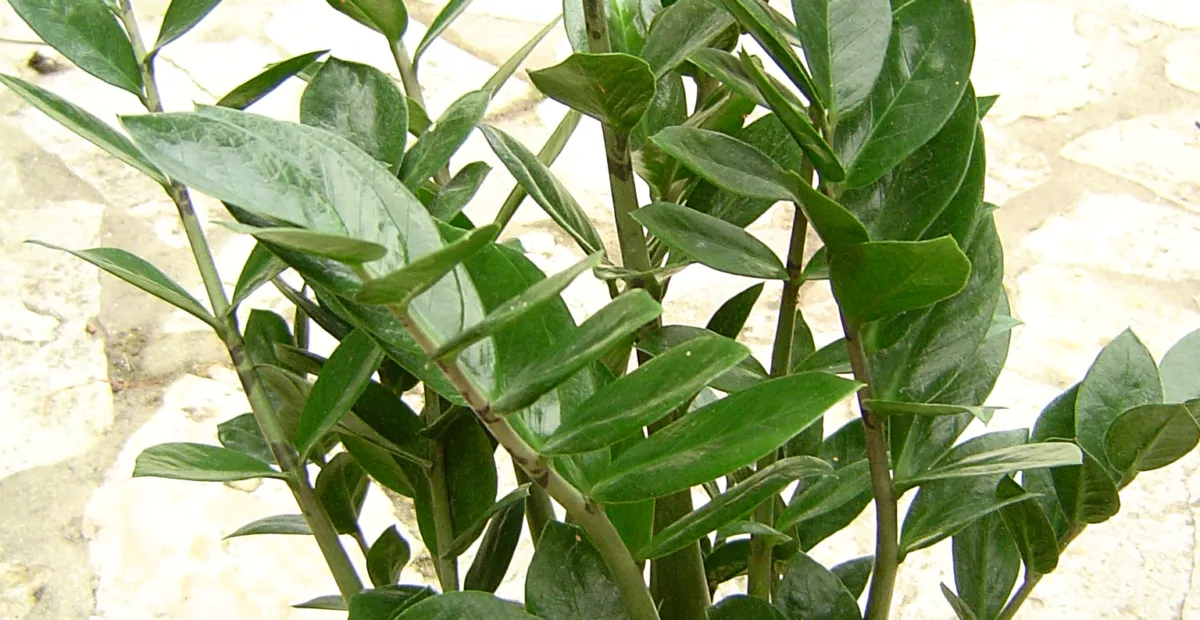
The plant has no woody trunk. Several fleshy, upright leaf stalks rise from a basal clump, each carrying paired, elliptic leaflets with a smooth surface and strong gloss. The underground rhizomes are thick and rounded, resembling small potatoes. Leaf stalks and leaflets are typically deep green; dark-leaved cultivars belong to the same horticultural species but are not represented by this exact taxon entry.
Flowering
Mature plants may produce a short cream-white spadix enclosed by a green, sheath-like spathe near the base of the foliage. Blooming is seasonal and uncommon under ordinary indoor conditions. The structure is a typical aroid inflorescence rather than a showy flower display.
Pollination and visitors
The compact aroid inflorescence is capable of insect-mediated pollination, but reliable species-level visitor records and evidence of strong attraction in cultivation are limited. No specific pollinator species is assigned here.
Zamioculcas zamiifolia photos
Click any photo for a larger view. Source, author and license are shown separately.
Diseases and pests
Diseases
The main risk is rhizome or root rot caused by persistently wet media, especially in low light. Prevention depends on a draining pot, porous substrate, and allowing the mix to dry substantially between waterings. Remove rotted tissue with sterile tools, replace saturated mix, and improve drainage. Leaf spot or stem decay warrants isolation and removal of affected material.
Pests
Inspect leaf undersides and stem bases for scale, mealybugs, and spider mites. Isolate infested plants, remove small colonies with a cotton swab or gentle wash, and use an appropriately labeled houseplant treatment if needed. Avoid routine pesticide use when monitoring and physical removal are sufficient. Stress from dry air, dust, or poor watering can make infestations more noticeable.
Related diseases and pests
Only Plant Doctor profiles whose host data indicate this plant may be affected are shown here.
 PestCotton mealybugPhenacoccus solenopsis Tinsley
 DiseaseRhizopus soft rotRhizopus stolonifer
 PestCottony Cushion ScaleIcerya purchasi
 DiseaseAlternaria leaf spot and fruit rotAlternaria alternata
 DiseaseRhizoctonia DiseasesRhizoctonia solani Kühn
 Environmental stressWaterlogging
 PestObscure mealybugPseudococcus viburni
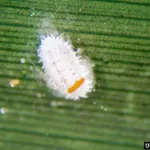 PestCitrus mealybugPlanococcus citri
Toxicity and pollen
The plant contains insoluble calcium oxalate crystals. Chewing or swallowing leaves, stems, or rhizomes can cause immediate mouth and throat irritation, drooling, nausea, vomiting, or difficulty swallowing; serious effects are uncommon but possible with substantial exposure. Keep plant material out of reach, remove chewed pieces, rinse the mouth if safe, and contact a medical or veterinary professional for concerning symptoms.
- Pollination / pollen
- Pollen is produced only when the plant flowers; airborne exposure is not well documented
ZZ Plant is normally grown for foliage and rarely flowers indoors. Its inflorescences are small and low on the plant, and meaningful airborne pollen exposure in ordinary homes is not well documented. People with known plant-pollen sensitivity should still avoid handling flowering material if symptoms occur.
Native habitat
In its native range, the species occurs from Kenya through eastern and southeastern tropical Africa to KwaZulu-Natal. It is associated with seasonally dry tropical vegetation, including dry grassland and forest habitats, where underground rhizomes help it persist through periods of limited rainfall. This ecology explains its preference for drainage and drying cycles.
Interesting fact
The swollen underground rhizomes act as water-storage organs and help the plant survive irregular watering. The glossy leaflets can look almost artificial, which is a natural surface feature rather than a wax coating. The species is native to seasonally dry tropical regions of eastern and southeastern Africa. Its flowers are compact aroid inflorescences hidden low among the leaf bases.
Frequently asked questions (FAQ)
The most relevant questions about this plant, with short and direct answers.
🌱Quick care
How do you care for a ZZ Plant?⌄
Give a ZZ Plant low to bright indirect light, water thoroughly only after the soil dries, and use a loose, well-drained potting mix. Its rhizomes store water, so overwatering is a greater risk than occasional drought.
🌤️Environment and placement
How much light does a ZZ Plant need?⌄
A ZZ Plant grows in low light but performs best in bright, indirect light. Protect it from prolonged, intense direct sun, especially hot afternoon sunlight, which can bleach, scorch, or brown the leaflets.
Can a ZZ Plant grow in a dark room?⌄
A ZZ Plant can tolerate very low light, but it will grow slowly and may produce fewer or more widely spaced stems. Move it closer to a bright window with filtered light if growth becomes weak or stretched.
Can a ZZ Plant tolerate direct sunlight?⌄
A ZZ Plant can handle some gentle morning or winter sun, but strong direct sunlight may scorch or fade its leaves. Use a sheer curtain or place it several feet from a bright south- or west-facing window.
What temperature is best for a ZZ Plant?⌄
Keep a ZZ Plant in warm indoor conditions, ideally around 65–85°F, and protect it from cold drafts. It is frost tender and should be protected when temperatures approach or fall below 60°F.
Can a ZZ Plant live outside in the United States?⌄
A ZZ Plant can grow outdoors year-round only in warm, frost-free areas roughly comparable to USDA Zones 10b–12. In colder areas, grow it in a container and bring it indoors before temperatures fall below 60°F.
💧Care and problems
How often should you water a ZZ Plant?⌄
Water when the potting mix has dried out completely or nearly completely, then let excess water drain away. Indoor conditions vary, but many plants need watering about every 1–3 weeks during active growth and less often in winter.
Why are my ZZ Plant leaves turning yellow?⌄
Yellow leaves most often indicate overwatering, poor drainage, or soil that stays wet too long. Check the roots and rhizomes for rot, allow the mix to dry, and make sure the pot has an unobstructed drainage hole.
Why is my ZZ Plant turning brown?⌄
Brown leaflets can result from intense direct sun, underwatering, dry air, physical damage, or root problems caused by excess moisture. Review light and watering first, then remove severely damaged tissue with clean shears.
Why is my ZZ Plant drooping or leaning?⌄
Drooping or leaning may result from very low light, uneven growth, underwatering, or stems becoming top-heavy. Improve indirect light, check soil moisture, rotate the pot periodically, and support or prune stems only if needed.
Why is my ZZ Plant not growing?⌄
Slow growth is normal for a ZZ Plant, especially in low light, cool conditions, or winter. Provide brighter indirect light, warm temperatures, and watering only after the soil dries; avoid compensating with frequent watering.
How do I fix an overwatered ZZ Plant?⌄
Stop watering and inspect the roots and rhizomes for soft, dark, or foul-smelling tissue. Remove rot with sterilized tools, repot healthy portions into fresh porous mix, and use a container with drainage.
🪴Planting and repotting
What soil is best for a ZZ Plant?⌄
Use a loose, porous, well-drained houseplant mix that does not remain soggy. A standard indoor potting mix amended with perlite, pumice, or coarse bark can improve aeration and drainage.
Does a ZZ Plant need a pot with drainage holes?⌄
Yes, a ZZ Plant should be grown in a pot with drainage holes because excess water can cause rhizome and root rot. Empty any water collected in a cachepot or saucer after watering.
When should I repot a ZZ Plant?⌄
Repot when roots or rhizomes fill the container, drainage becomes poor, or the plant repeatedly dries out unusually fast. Choose a pot only slightly larger than the current one and repot during active growth when practical.
✂️Propagation and pruning
How do you propagate a ZZ Plant?⌄
Propagate a ZZ Plant by division, stem cuttings, or individual leaf cuttings. Division is usually fastest, while leaf propagation can take many months because each cutting must develop roots and a new rhizome.
Can you propagate a ZZ Plant from one leaf?⌄
Yes, an individual healthy leaflet can produce roots and eventually a small rhizome in lightly moist, well-drained medium. Keep it warm in bright indirect light and be patient, because new growth is typically very slow.
Can you propagate a ZZ Plant in water?⌄
Stem or leaf cuttings may root in water, but water propagation is slow and increases the risk of rot if the cutting or water becomes stagnant. Transfer rooted cuttings to a porous potting mix once they have established roots.
Should I prune a ZZ Plant?⌄
Prune a ZZ Plant only to remove yellow, damaged, diseased, or unwanted stems. Cut the entire stem near the soil line with clean, sharp shears rather than trimming individual leaflets for shape.
⚠️Toxicity and safety
Is a ZZ Plant toxic to cats and dogs?⌄
Yes, a ZZ Plant is toxic if chewed or swallowed by cats or dogs and may cause mouth irritation, drooling, vomiting, or difficulty swallowing. Keep it out of reach and contact a veterinarian if a pet eats any part of it.
Is a ZZ Plant poisonous to humans?⌄
Yes, all parts of a ZZ Plant can irritate the mouth and digestive tract if chewed or swallowed. Keep it away from children, avoid contact with sap, and seek medical or poison-control advice after ingestion.
Can touching a ZZ Plant cause a rash?⌄
Touching a ZZ Plant is not usually a problem, but its sap may irritate sensitive skin. Wear gloves when pruning or repotting, avoid touching your eyes or mouth, and wash exposed skin afterward.
🌸Flowering and special interest
Does a ZZ Plant flower indoors?⌄
A mature ZZ Plant may produce a small, cream-colored aroid inflorescence near the soil surface, but indoor flowering is uncommon. Brighter indirect light and mature growth may make flowering more likely, although it cannot be reliably forced.
What does a ZZ Plant flower look like?⌄
A ZZ Plant flower is a short, pale spadix surrounded by a light-colored spathe that appears close to the soil line. It is less showy than the plant’s glossy foliage and may be partly hidden by the stems.
Similar plants
 Azure Monkshood (Aconitum carmichaelii) care guideAconitum carmichaelii
 Monkshood (Aconitum ‘Stainless Steel’)Aconitum 'Stainless Steel'
 Monkshood (Aconitum ‘Bressingham Spire’)Aconitum 'Bressingham Spire'
 Golden full moon maple (Acer shirasawanum ‘Aureum’)Acer shirasawanum 'Aureum'
 Globosum (Acer platanoides ‘Globosum’)Acer platanoides 'Globosum'
 Striped maple (Acer pensylvanicum) care guideAcer pensylvanicum