
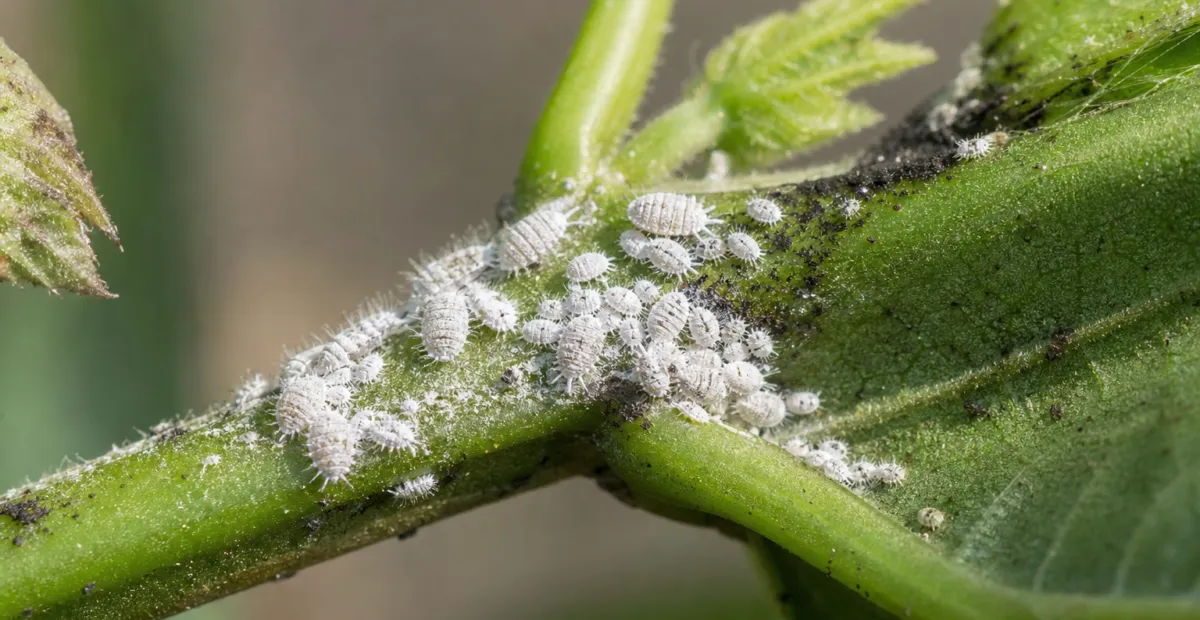
Cotton mealybug
Phenacoccus solenopsis TinsleyCotton mealybug overview
Cotton mealybug, Phenacoccus solenopsis, is a phloem-feeding scale insect native to North America and now established in many warm regions, including parts of the United States. Colonies cluster on tender shoots, leaf undersides, stems and sometimes roots, producing honeydew, sooty mold, distorted growth and, under heavy pressure, shoot dieback. Accurate identification may require specialist confirmation because several mealybug species look similar.
Typical conditions
Overview
Phenacoccus solenopsis is commonly called the cotton mealybug or solenopsis mealybug. Females and nymphs are soft-bodied, oval insects covered with white wax; colonies are often concentrated on new growth, petioles, stems, branch junctions and leaf undersides. Feeding removes phloem sap and the insects excrete honeydew, which can support black sooty mold and attract ants.
In the United States, it is especially relevant in warm cotton-growing areas, greenhouses and landscapes where susceptible ornamental or vegetable hosts are maintained. A white mealybug colony alone is not sufficient for reliable species identification; submit specimens to a state diagnostic laboratory or extension specialist when the distinction matters.
Symptoms and identification
- White, cottony or powdery-wax colonies on stems, shoots, petioles, leaf undersides or roots.
- Sticky honeydew on foliage and nearby surfaces, often followed by black sooty mold.
- Yellowing, premature leaf drop, reduced vigor, shortened internodes and distorted or curled young leaves.
- Heavy infestations may cause flower or fruit drop, shoot dieback and reduced yield; young plants can be severely weakened.
- Ant activity on the plant is a useful clue because ants may harvest honeydew and protect the colony.
Symptoms overlap with other mealybugs, soft scales and root-feeding insects. Confirmation should rely on a properly prepared specimen rather than symptoms alone.
Causes and spread
Spread begins when crawlers move from an infested plant to nearby tissue. They can also be carried on nursery stock, cuttings, tools, clothing, animals, wind-blown plant material and infested crop residues. All mobile immature stages and adult females may be moved in trade, while the first-instar crawler is the principal natural dispersal stage.
Warm conditions, dense foliage, excess nitrogen that promotes succulent growth, frequent movement of infested plants and uncontrolled weeds can accelerate population increase. Ants may protect colonies from predators while collecting honeydew, making infestations more persistent.
Life cycle and persistence
Females produce live crawlers in most observed populations, although egg-laying has also been reported. Crawlers disperse, settle and begin feeding, then pass through several nymphal stages. Males develop through additional immature stages and a pupal-like period before emerging as short-lived winged adults; females remain wingless and continue feeding and reproducing.
Development is strongly temperature-dependent. In warm conditions, generations can overlap and populations may increase rapidly. In much of the United States, outdoor activity is greatest during the warm growing season, while greenhouse plants and sheltered ornamentals may support continuous activity. The species may overwinter on perennial hosts, roots, protected stems or plant debris where local conditions allow.
Treatment and control
Begin management when colonies are small and before wax accumulates. Isolate or remove infested plants where feasible. On sturdy ornamentals, prune and dispose of badly infested shoots, then wash exposed colonies from foliage and stems with a firm stream of water. Repeat inspections because crawlers and protected individuals may remain in leaf axils, dense foliage or roots.
For greenhouse, nursery or crop situations, use scouting records to locate hotspots and determine whether treatment is justified. Favor methods that reach the insects directly; the waxy covering and concealed feeding sites can reduce contact treatment performance. Preserve natural enemies by avoiding unnecessary broad-spectrum applications, and rotate insecticide modes of action when a legally labeled treatment is required.
Low-impact and biological control
- Physically remove colonies with cotton swabs, pruning or a forceful water spray, repeating as needed.
- Use insecticidal soap, horticultural or narrow-range oil, azadirachtin or Beauveria bassiana only when the specific product is permitted for the crop, site and use pattern.
- Apply contact materials thoroughly to stems, leaf axils, undersides and other hiding places; avoid treating drought-stressed plants or applying oils in heat conditions that can cause injury.
- Conserve and, where appropriate, release effective natural enemies such as mealybug destroyer lady beetles and parasitoid wasps, recognizing that performance varies by mealybug species, crop and climate.
- Manage ants with exclusion, sanitation and appropriately placed bait so predators and parasitoids can reach the mealybugs.
Biological control is most effective against exposed nymphs and small colonies and is less reliable when ants, heavy wax or repeated disruptive sprays are present.
Prevention
- Inspect incoming plants, cuttings and rooted material with particular attention to leaf axils, stem joints, undersides of leaves and roots.
- Quarantine new plants for at least two to three weeks when practical, and use a hand lens to check for crawlers and waxy colonies.
- Remove heavily infested plant parts and bag them before disposal; clean pruning tools between plants.
- Control weeds around vegetable gardens, cotton plantings, greenhouses and nursery areas because they can maintain populations.
- Avoid excessive nitrogen fertilization and excessive irrigation that produces soft, lush growth.
- Monitor ants and reduce their access to infested plants, since ant tending can interfere with natural enemies.
- Use clean propagation stock and do not move suspect plants, soil or clippings to uninfested areas.
Interesting facts
- The species was first described from New Mexico specimens collected on roots and stems of native plants in association with fire ants.
- Despite the common name, cotton is only one of many documented hosts; reported hosts include hibiscus, okra, papaya, tomato, pepper, eggplant, tobacco and lantana.
- Honeydew-producing mealybugs and ants can form a mutually beneficial association: ants obtain food while protecting colonies from some natural enemies.
- Most reproduction in studied populations is parthenogenetic and live-bearing, which helps explain how a small founder population can increase quickly.
- Some research indicates that populations identified as P. solenopsis may include cryptic or closely related forms, reinforcing the value of specialist identification.
Use only pesticide products legally authorized and currently labeled in the United States for the specific crop, site and mealybug problem. Follow the current label exactly, including rates, protective equipment, reentry and preharvest intervals. Do not infer legality from a product labeled for another mealybug, crop or state. Contact the crop adviser, state extension service or pesticide regulatory authority before treating edible crops, greenhouse plants or nursery stock. Avoid routine broad-spectrum sprays that can destroy parasitoids and predators and may worsen outbreaks through resistance or natural-enemy disruption.
Affected plants
The plants below are linked to this problem by structured host-plant data. The list updates automatically as new plant profiles are added.
 Okra (Abelmoschus esculentus) care guideAbelmoschus esculentus
 Aibika (Abelmoschus manihot) care guideAbelmoschus manihot
 West African Okra (Abelmoschus caillei) care guideAbelmoschus caillei
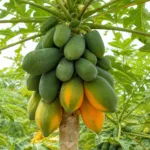 Papaya (Carica papaya) care guideCarica papaya
 Rose of Sharon ‘Red Heart’ (Hibiscus ‘Syriacus Red Heart’)Hibiscus 'Syriacus Red Heart'
 Hibiscus ‘Syriacus’Hibiscus 'Syriacus'
 Cotton-rose (Hibiscus mutabilis) care guideHibiscus mutabilis
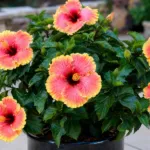 Sinensis Hawaiian Sunset (Hibiscus rosa ‘Sinensis Hawaiian Sunset’)Hibiscus rosa 'Sinensis Hawaiian Sunset'
 Sinensis Ruby Red (Hibiscus rosa ‘Sinensis Ruby Red’)Hibiscus rosa 'Sinensis Ruby Red'
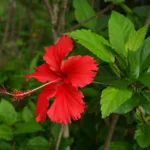 Hibiscus rosa-sinensis care guideHibiscus rosa-sinensis
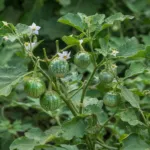 Solanum aethiopicum care guideSolanum aethiopicum
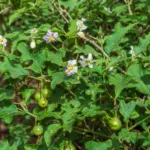 Solanum macrocarpon care guideSolanum macrocarpon