
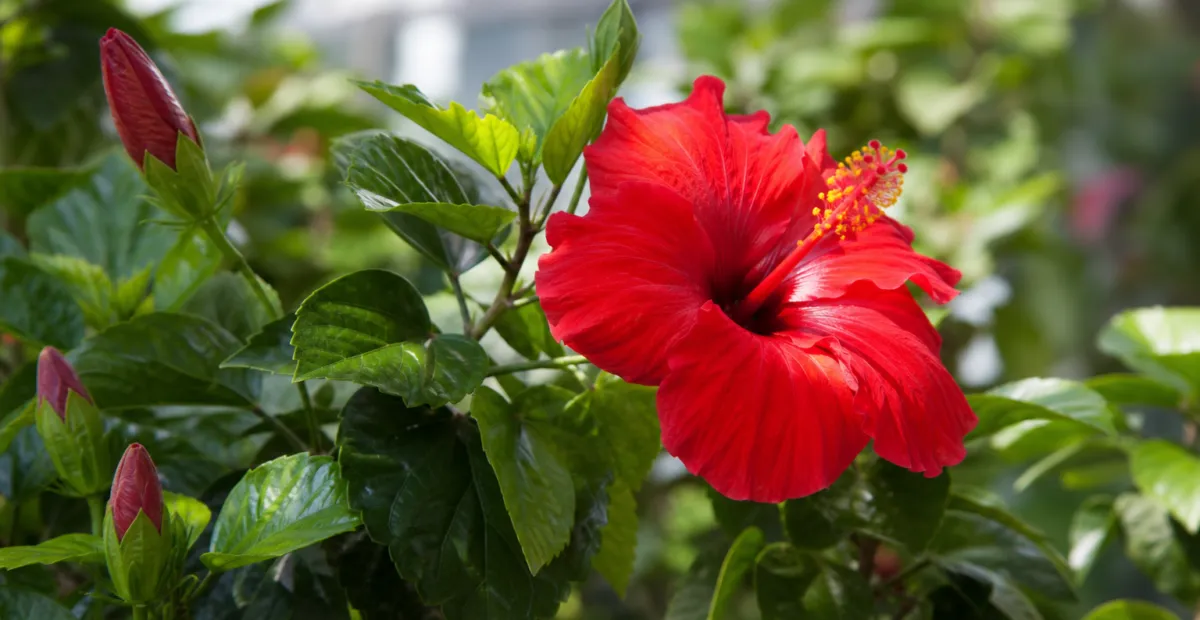
 AI-generated illustration
Sinensis Ruby Red (Hibiscus rosa ‘Sinensis Ruby Red’) short overview
Hibiscus rosa 'Sinensis Ruby Red' is a horticultural identity associated with tropical hibiscus grown for glossy evergreen foliage and vivid red flowers. The exact cultivar is poorly documented in authoritative sources, and its accepted botanical placement is not fully resolved. Treat it as a frost-tender container or conservatory plant: provide strong light, warmth, evenly moist but well-drained soil, and winter protection in the United States.
Taxonomic classification
Sinensis Ruby Red (Hibiscus rosa ‘Sinensis Ruby Red’) care guide
Light and placement
Provide the brightest practical position: full morning or afternoon sun outdoors, or strong filtered light through a south-, southeast- or southwest-facing window indoors. Acclimate gradually before intense sun. Long, weak shoots, sparse leaves and poor flowering indicate insufficient light; bleached foliage, scorch or sudden wilt can indicate excessive heat or abrupt sun exposure.
Watering and humidity
Water thoroughly when the surface begins to dry, allowing excess water to drain fully. Keep the root ball evenly moist during warm active growth, but reduce frequency in cool or dim winter conditions. Do not leave the pot standing in water. Humidity helps indoors, but it cannot compensate for poor drainage.
Soil and growing medium
Use a fertile, well-drained potting mix with added organic matter and good aeration. A slightly acidic to neutral reaction is suitable. Avoid dense, waterlogged soil because hibiscus roots are vulnerable to decline when drainage is poor.
Feeding
Feed during active growth with a balanced, complete fertilizer at label dilution every 2–4 weeks, or use a controlled-release product according to its label. Reduce or stop feeding during cool, dim winter conditions and never fertilize severely wilted, chilled or waterlogged plants.
Growth and habit
A warm-climate, woody shrub with branching stems and an evergreen habit when temperatures remain suitable. Growth slows markedly in cool or dim conditions. Container culture makes it easier to move the plant indoors and maintain a stable root environment.
Planting and repotting
In the United States, plant outdoors only after frost danger has passed and nighttime temperatures remain warm. Set the root ball at the same depth as before planting. Establish gradually with consistent moisture and shelter from cold wind.
Repot in spring or early summer when active growth resumes, moving up only one container size. Refresh part of the substrate while preserving the root ball, and ensure the new pot has unobstructed drainage.
Propagation and pruning
Propagation
Softwood or semi-ripe cuttings are the most practical method for preserving a named clone. Take healthy non-flowering shoots during active growth, root them in a sterile, airy medium with warmth and high humidity, then acclimate gradually. Seed is not recommended for maintaining cultivar identity.
Pruning
Prune lightly in late winter or early spring, or after a flush of flowering, to shape the plant and encourage branching. Remove dead, weak or crossing shoots first. Avoid severe pruning immediately before cold weather, and sanitize tools between plants.
Overwintering
Move containers indoors before nights approach 50°F. Provide the brightest available light, protect from heating vents and reduce watering as growth slows. Inspect for pests before bringing plants inside. In frost-free climates, shelter plants from cold snaps with temporary protection, but do not expose them to freezing temperatures.
Uses
Primarily an ornamental shrub for patios, containers, conservatories and frost-free landscapes. It can be trained as a specimen or seasonal flowering accent. Do not use this named cultivar for food, tea or medicine because identity and edible-use evidence are not established.
Appearance
Typically forms a leafy, branched shrub with glossy ovate leaves and woody stems. The supplied cultivar name suggests red-flowered selection, but authoritative descriptions of its exact petal arrangement, leaf size and mature habit were not found. Identification should therefore rely on verified nursery provenance rather than flower color alone.
Flowering
The exact flowering schedule and flower form of this named identity are not securely documented. Related tropical hibiscus cultivars produce showy flowers from leaf axils during warm, bright conditions, with flowering often continuing intermittently when plants remain actively growing.
Pollination and visitors
Hibiscus flowers can provide nectar and pollen resources for visiting insects, but reliable visitor records for this exact named identity were not found. The pollinator listing therefore reflects characteristic visitors of cultivated hibiscus rather than a confirmed cultivar-specific study.
Diseases and pests
Diseases
Prevent root and stem problems with porous soil, drainage, good air circulation and careful watering. Watch for leaf yellowing, bud drop and dieback after cold or prolonged saturation. Remove affected tissue and correct the growing conditions before using fungicides.
Pests
Inspect leaf undersides and new growth for aphids, whiteflies, thrips and spider mites. Isolate infested plants, rinse foliage and improve airflow. Use insecticidal soap or horticultural oil only according to the product label and avoid treating heat-stressed plants.
Related diseases and pests
Only Plant Doctor profiles whose host data indicate this plant may be affected are shown here.
 PestMelon thripsThrips palmi Karny
 PestGreenhouse thripsHeliothrips haemorrhoidalis
 PestSweetpotato whiteflyBemisia tabaci species complex
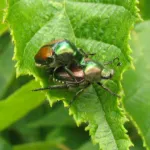 PestJapanese beetlePopillia japonica
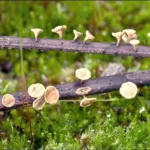 DiseaseAsh diebackHymenoscyphus fraxineus
 DiseaseAster yellows‘Candidatus Phytoplasma asteris’
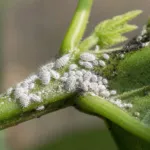 PestCotton mealybugPhenacoccus solenopsis Tinsley
 PestBrown Garden SnailCornu aspersum (Müller, 1774)
Toxicity and pollen
Reliable, cultivar-specific toxicity evidence was not located. Avoid treating the plant as edible, keep plant material away from children and pets, and seek professional advice after ingestion or an adverse reaction.
- Typical season
- During flowering in warm conditions; United States timing varies by indoor or outdoor culture
- Pollination / pollen
- Flower pollen, mainly transferred by animal visitors
The flowers produce pollen, but no reliable cultivar-specific airborne-allergy study was located. Large, conspicuous hibiscus flowers are generally associated with animal-mediated pollen transfer, which may reduce airborne dispersal compared with strongly wind-pollinated plants; sensitive individuals should still avoid direct contact if symptoms occur.
Native habitat
The exact cultivar has no securely documented native habitat. Its horticultural background is associated with cultivated tropical hibiscus, which favors warm climates, bright light, fertile soils and reliable moisture while avoiding prolonged saturation.
Interesting fact
The exact name is encountered inconsistently in horticultural commerce rather than in major taxonomic references. Tropical hibiscus cultivars are commonly maintained by cuttings because seed offspring may not reproduce the parent flower. Cold stress can cause yellow leaves, bud drop and temporary dormancy even when the root system survives.
Frequently asked questions (FAQ)
The most relevant questions about this plant, with short and direct answers.
🌱Quick care
How much light does Hibiscus rosa 'Sinensis Ruby Red' need?⌄
Hibiscus rosa 'Sinensis Ruby Red' grows best in full sun to bright filtered light. Indoors, place it near a bright south- or west-facing window, while outdoor plants benefit from protection from harsh afternoon heat in very hot climates.
How often should I water Hibiscus rosa 'Sinensis Ruby Red'?⌄
Water Hibiscus rosa 'Sinensis Ruby Red' when the top inch of soil begins to dry, keeping the mix evenly moist but never waterlogged. Empty excess water from the saucer so the roots do not remain saturated.
Can Hibiscus rosa 'Sinensis Ruby Red' grow indoors?⌄
Yes, Hibiscus rosa 'Sinensis Ruby Red' can grow indoors in a bright, warm room. Provide strong light, good humidity, air circulation, and reduced watering during periods of low winter light.
Is Hibiscus rosa 'Sinensis Ruby Red' an annual or perennial plant?⌄
Hibiscus rosa 'Sinensis Ruby Red' is a frost-tender perennial shrub in warm climates, but it is commonly grown as a seasonal container plant in colder parts of the United States. Move it indoors before freezing temperatures arrive.
🌤️Environment and placement
What USDA zones can grow Hibiscus rosa 'Sinensis Ruby Red' outdoors?⌄
Hibiscus rosa 'Sinensis Ruby Red' is best grown outdoors year-round only in frost-free or nearly frost-free parts of the United States. In colder USDA zones, grow it in a container and overwinter it indoors because freezing temperatures can cause severe damage or death.
Can Hibiscus rosa 'Sinensis Ruby Red' tolerate full afternoon sun?⌄
Hibiscus rosa 'Sinensis Ruby Red' can tolerate full sun when gradually acclimated and adequately watered. In very hot, dry locations, light afternoon shade can reduce leaf scorch and moisture stress.
What temperature is too cold for Hibiscus rosa 'Sinensis Ruby Red'?⌄
Protect Hibiscus rosa 'Sinensis Ruby Red' before temperatures approach 45°F, and never expose it to freezing conditions. Cold injury can cause leaf drop, dieback, or plant loss.
Does Hibiscus rosa 'Sinensis Ruby Red' need high humidity?⌄
Hibiscus rosa 'Sinensis Ruby Red' performs best with moderate to high humidity, especially indoors. Use a humidifier or group plants together if indoor air is very dry, while maintaining ventilation to discourage fungal problems.
What is the best soil for Hibiscus rosa 'Sinensis Ruby Red'?⌄
Use a fertile, loam-based potting mix that drains freely while retaining moderate moisture. Avoid heavy garden soil or any mix that stays waterlogged after watering.
💧Care and problems
Why are the leaves of Hibiscus rosa 'Sinensis Ruby Red' turning yellow?⌄
Yellow leaves on Hibiscus rosa 'Sinensis Ruby Red' are commonly caused by overwatering, poor drainage, low light, or a sudden environmental change. Check the roots and soil moisture before increasing fertilizer or water.
Why is Hibiscus rosa 'Sinensis Ruby Red' dropping leaves?⌄
Hibiscus rosa 'Sinensis Ruby Red' may drop leaves after changes in light, temperature, watering, humidity, or location. Leaf drop is especially common when a plant is moved indoors or kept in low winter light.
Why is Hibiscus rosa 'Sinensis Ruby Red' not blooming?⌄
Hibiscus rosa 'Sinensis Ruby Red' may fail to bloom because of insufficient light, cold temperatures, overfertilization, drought stress, or excessive pruning. Give it bright light, steady moisture, warm conditions, and balanced feeding during active growth.
What pests commonly attack Hibiscus rosa 'Sinensis Ruby Red'?⌄
Common pests include aphids, whiteflies, spider mites, scale, and thrips. Inspect new growth and leaf undersides regularly, then treat infestations early with a suitable horticultural soap or other labeled control.
Should I fertilize Hibiscus rosa 'Sinensis Ruby Red'?⌄
Yes, fertilize Hibiscus rosa 'Sinensis Ruby Red' during active growth with a balanced fertilizer according to the product label. Avoid heavy feeding when the plant is dormant, stressed, or receiving limited winter light.
🪴Planting and repotting
When should I repot Hibiscus rosa 'Sinensis Ruby Red'?⌄
Repot Hibiscus rosa 'Sinensis Ruby Red' in spring when roots have filled the container or water runs through unusually quickly. Move it into a pot only 1–2 inches wider to avoid excess wet soil around the roots.
Can Hibiscus rosa 'Sinensis Ruby Red' be planted in the ground?⌄
Yes, plant Hibiscus rosa 'Sinensis Ruby Red' in the ground only where freezing weather is uncommon and the soil drains well. In areas with regular freezes, a container is safer because the plant must be moved indoors.
How deep should I plant Hibiscus rosa 'Sinensis Ruby Red'?⌄
Plant Hibiscus rosa 'Sinensis Ruby Red' at the same depth it was growing in its nursery container. Burying the stem or root crown too deeply can restrict aeration and increase the risk of rot.
✂️Propagation and pruning
Can Hibiscus rosa 'Sinensis Ruby Red' be grown from cuttings?⌄
Yes, Hibiscus rosa 'Sinensis Ruby Red' can usually be propagated from healthy stem cuttings taken during active growth. Root semi-hardwood cuttings in a warm, consistently moist, well-drained medium under bright indirect light.
How should I prune Hibiscus rosa 'Sinensis Ruby Red'?⌄
Prune Hibiscus rosa 'Sinensis Ruby Red' lightly in late winter or early spring to shape the plant and remove weak, damaged, or crossing stems. Avoid severe pruning during cold or low-light periods, when recovery is slower.
Can I overwinter Hibiscus rosa 'Sinensis Ruby Red' indoors?⌄
Yes, overwinter Hibiscus rosa 'Sinensis Ruby Red' indoors in the brightest available location before outdoor temperatures become cold. Inspect for pests, reduce watering as growth slows, and return it outdoors gradually after the danger of frost has passed.
⚠️Toxicity and safety
Is Hibiscus rosa 'Sinensis Ruby Red' poisonous to cats or dogs?⌄
The toxicity of Hibiscus rosa 'Sinensis Ruby Red' has not been established reliably for this exact cultivar, so do not allow pets or children to chew the plant. Contact a veterinarian or poison-control service if a significant amount is eaten or symptoms develop.
Can you eat the flowers of Hibiscus rosa 'Sinensis Ruby Red'?⌄
Do not treat the flowers of Hibiscus rosa 'Sinensis Ruby Red' as edible because this exact ornamental cultivar is not established as a food plant. It should not be confused with culinary roselle, Hibiscus sabdariffa, which is a different species.
🌸Flowering and special interest
How long do Hibiscus rosa 'Sinensis Ruby Red' flowers last?⌄
Individual flowers of Hibiscus rosa 'Sinensis Ruby Red' generally last about one day, although the plant can produce new blooms repeatedly under warm, bright growing conditions. Bud drop is more likely after cold, drought, relocation, or low light.
How can I make Hibiscus rosa 'Sinensis Ruby Red' flower more?⌄
To encourage flowering, provide strong light, warm temperatures, consistent moisture, good drainage, and regular but not excessive fertilizer. Avoid moving the plant repeatedly while it is forming buds.
Does Hibiscus rosa 'Sinensis Ruby Red' bloom indoors?⌄
Hibiscus rosa 'Sinensis Ruby Red' can bloom indoors when it receives several hours of strong light and remains warm and actively growing. Flowering often decreases in winter because indoor light levels and temperatures are lower.
Similar plants
 Azure Monkshood (Aconitum carmichaelii) care guideAconitum carmichaelii
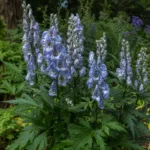 Monkshood (Aconitum ‘Stainless Steel’)Aconitum 'Stainless Steel'
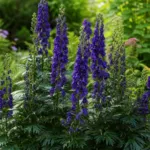 Monkshood (Aconitum ‘Bressingham Spire’)Aconitum 'Bressingham Spire'
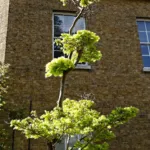 Golden full moon maple (Acer shirasawanum ‘Aureum’)Acer shirasawanum 'Aureum'
 Globosum (Acer platanoides ‘Globosum’)Acer platanoides 'Globosum'
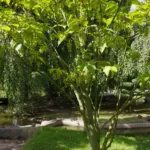 Striped maple (Acer pensylvanicum) care guideAcer pensylvanicum