
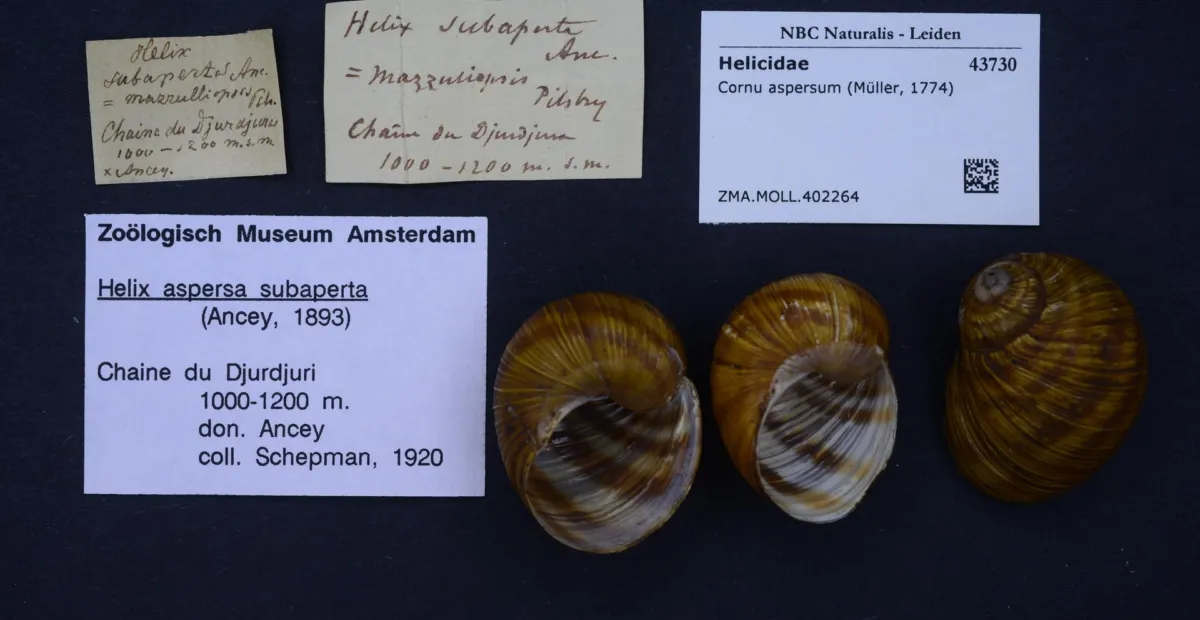
Brown Garden Snail
Cornu aspersum (Müller, 1774)Brown Garden Snail overview
The brown garden snail, Cornu aspersum, is a nocturnal, plant-feeding land snail that damages vegetables, fruit, seedlings, ornamentals, and young trees. It chews irregular holes in leaves, feeds on ripening fruit and tender bark, and leaves silvery mucus trails. Populations increase where irrigation, dense vegetation, debris, and sheltered moist sites provide daytime refuge.
Typical conditions
Overview
The brown garden snail is a hermaphroditic land snail in the family Helicidae. Adults commonly reach about 1 inch in shell diameter, with a rounded, brown-and-tan banded shell and four to five whorls. It feeds with a rasping radula and may attack foliage, seedlings, tender bark, fruit, flowers, and decaying plant material.
In the United States, it is a particularly important garden, nursery, ornamental, vegetable, and citrus pest in California. Identification should be confirmed when a regulated or unusual snail is suspected, because several pest snails have similar habits and appearance.
Symptoms and identification
Look for irregular holes and ragged chewing along leaf margins, especially on succulent foliage and seedlings. Snails may remove large sections of leaves, scar or gouge ripening fruit, and injure young bark or tender stems. Silvery mucus trails on leaves, containers, soil, walls, or nearby hard surfaces are a useful diagnostic clue.
Damage is usually greatest overnight, during early morning, or after rain, irrigation, fog, or cloudy weather. During daylight, live snails may be hidden under boards, pots, mulch, stones, dense groundcover, tree skirts, or other shaded structures.
Causes and spread
Populations build where moisture, shade, shelter, and abundant succulent plant growth occur together. Frequent sprinkler irrigation, dense weeds or groundcovers, unpruned citrus skirts, boards and debris on the soil, and closely spaced nursery stock create favorable habitat.
Long-distance spread commonly occurs when live snails or eggs are moved with container plants, nursery stock, soil, equipment, pallets, landscape materials, and garden debris. Snails may also disperse locally by crawling between adjoining gardens, orchards, and landscaped areas.
Life cycle and persistence
Adults and juveniles are mainly nocturnal and become active when surfaces are cool and damp. Mature snails mate, and each individual can lay eggs because the species is hermaphroditic; cross-fertilization is common. Eggs are small, round, pearly white spheres deposited in shallow depressions in moist topsoil.
Depending on climate and food availability, adults may lay several batches during a season, with reports of up to about 80 eggs per month under favorable citrus-growing conditions. Snails may overwinter in the upper soil or protected sites. In some regions they are active nearly year-round; in colder areas, activity declines during winter. Immature and adult snails both cause plant injury, and maturity may take roughly two to three years.
Treatment and control
Begin control with night inspections using a flashlight, especially after irrigation or rain. Hand-pick snails from plants, walls, containers, and shelter sites, then dispose of them according to local sanitation practices. Place boards, inverted pots, or other removable shelters near damaged plants as monitored traps; inspect them early each morning and remove the snails.
In orchards, remove low branches and tree-skirt vegetation, clear trunk bases, and use appropriately installed trunk barriers where suitable. Combine habitat reduction, trapping, hand removal, irrigation management, and targeted baiting rather than relying on a single measure. Recheck the area repeatedly because eggs and hidden juveniles can sustain reinfestation.
Low-impact and biological control
- Hand-picking and monitored shelter traps are the most reliable low-input measures for small gardens.
- Reduce moisture and cover around susceptible plants while maintaining enough water for crop health.
- Iron phosphate baits may be used where the product is labeled for the crop and site; apply them according to the current U.S. label and keep granules away from edible plant portions unless the label permits such use.
- Predatory decollate snails, Rumina decollata, have been used in some Southern California citrus areas, but they are not appropriate everywhere and may threaten native mollusks or be restricted by state or local rules. Do not introduce them without official authorization and expert guidance.
- Beer traps, ash, sand, and diatomaceous earth generally provide inconsistent or short-lived control, particularly after rain or irrigation.
Prevention
- Inspect new plants, containers, root balls, pallets, and nearby debris before bringing them into a clean growing area. Remove visible snails and egg masses.
- Reduce hiding places by removing boards, sacks, dense litter, weeds, fallen fruit, and unnecessary ground debris.
- Water at the base of plants when practical, irrigate early in the day, and avoid keeping soil and foliage continuously wet.
- Prune citrus and other tree skirts so foliage and fruit do not touch the ground or create a bridge to the trunk.
- Keep nursery stock elevated and maintain clean, separated production areas. Check state plant-health requirements before moving plants from infested regions.
- Use copper foil or other physical barriers where appropriate, recognizing that barriers require clean, dry, well-maintained surfaces and are not a stand-alone solution.
Interesting facts
- Cornu aspersum has also been documented under the older names Helix aspersa, Cantareus aspersus, and Cryptomphalus aspersus.
- The species was introduced to California in the 1850s for escargot production and later became an important crop and ornamental pest.
- It can self-fertilize, although mating and cross-fertilization are normal.
- Most feeding occurs at night or during cool, wet weather, while the shell protects the animal during hot or dry periods.
- Although it feeds on many living plants, it also consumes decaying plant material and can persist in unmanaged sheltered habitats.
Use only molluscicide products legally authorized and currently labeled in the United States for brown garden snails, the specific crop or ornamental site, and the intended application method. Follow the current label exactly, including bait placement, rate, reentry, harvest, pollinator, wildlife, and water-protection requirements. Never use a product solely because it is labeled for slugs or another snail unless the current label also permits the intended use.
Affected plants
The plants below are linked to this problem by structured host-plant data. The list updates automatically as new plant profiles are added.
 Wild Celery (Apium graveolens) care guideApium graveolens
 Beet (Beta vulgaris) care guideBeta vulgaris
 Ethiopian Rape (Brassica carinata) care guideBrassica carinata
 Brown Mustard (Brassica juncea) care guideBrassica juncea
 Rapeseed (Brassica napus) care guideBrassica napus
 Urnip rape (Brassica rapa) care guideBrassica rapa
 Collard greens (Brassica oleracea) care guideBrassica oleracea
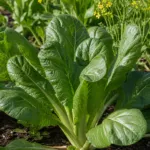 Integrifolia Group (Brassica juncea Integrifolia Group)Brassica juncea Integrifolia Group
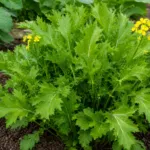 Multiceps Group (Brassica juncea Multiceps Group)Brassica juncea Multiceps Group
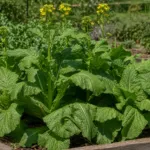 Broad-leaved mustard (Brassica juncea Rugosa Group)Brassica juncea Rugosa Group
 Black Mustard (Brassica nigra) care guideBrassica nigra
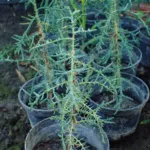 Mediterranean Cypress (Cupressus sempervirens) care guideCupressus sempervirens