
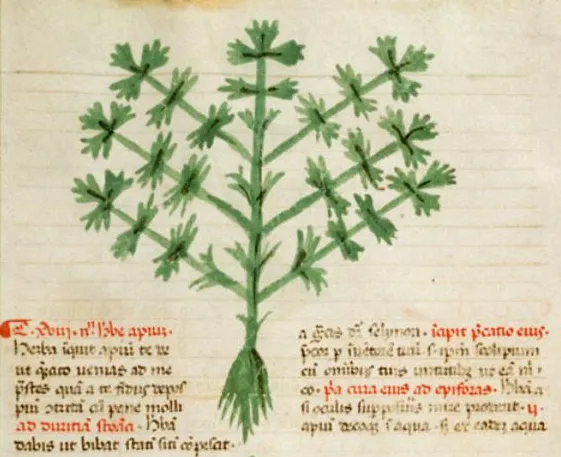
 Source:
 Wild Celery (Apium graveolens) short overview
Wild Celery (Apium graveolens) is a strongly aromatic, cool-season biennial herb and the wild species behind cultivated celery, celeriac, and leaf celery. It forms a low leafy rosette followed by upright, grooved stems and airy clusters of tiny greenish-white flowers. Give it full sun to light shade, rich soil, steady moisture, and reliable drainage. It can support pollinators, but celery is a recognized food allergen.
Taxonomic classification
Wild Celery (Apium graveolens) care guide
Light and placement
Grow in full sun for compact, vigorous growth, or provide partial shade in hot-summer areas, preferably with morning sun and afternoon protection. A bright, open position helps reduce weak, stretched growth. Scorched edges, limp foliage, or rapid bolting can indicate excessive heat or moisture stress; pale, floppy growth usually points to insufficient light.
Watering and humidity
Water deeply and regularly so the shallow root zone never dries substantially. In warm weather, check soil frequently and apply mulch to reduce evaporation, while ensuring drainage remains good. Reduce watering only during cool, inactive periods, and never allow the plant to sit in stagnant water. Humidity is secondary to consistent root-zone moisture.
Soil and growing medium
Use fertile, moisture-retentive soil that still drains freely. A loam or amended clay loam is suitable when irrigation is dependable; lighter soils dry too quickly unless enriched with compost. A mildly acidic to near-neutral reaction is appropriate, with practical cultivation guidance commonly placing the useful range around pH 5.2–6.5.
Feeding
Incorporate mature compost before planting, then provide modest, regular nutrition during active leafy growth. A balanced vegetable fertilizer used at label rates is preferable to heavy feeding. Water after applying granular fertilizer. Stop or reduce feeding when plants are stressed by heat, drought, or saturated soil, since forcing growth under stress can worsen disease.
Growth and habit
Wild Celery begins with a compact leafy rosette and can produce ascending, branching flowering stems after overwintering or bolting. Its shallow-rooted habit makes consistent irrigation important. Remove unwanted seed stalks if maintaining leafy plants, but allow some stems to mature when seed collection or natural reseeding is desired.
Planting and repotting
Plant young seedlings in cool weather after hardening them off. Set them at the same depth they occupied in their original container, avoid burying the crown, and space plants about 6–12 inches apart depending on whether the goal is leafy growth or seed production. Keep the soil evenly moist during establishment and protect young plants from abrupt heat.
Transplant seedlings carefully because the plant has relatively shallow roots. In containers, move young plants into a deep, roomy pot before roots become crowded, retaining the root ball and watering immediately after planting. Repotting is usually unnecessary once the plant is established unless it is being grown for seed.
Propagation and pruning
Propagation
Start from seed, the standard method. Surface-sow or press seed lightly into a moist seed-starting mix because light can aid germination; keep the medium consistently moist and expect slow, uneven emergence. Transplant after seedlings develop several true leaves and have been hardened off. Allow mature plants to set seed if preserving a local strain.
Pruning
Harvest outer leaves as needed without stripping the rosette. Remove yellowing or diseased foliage promptly. Cut flowering stems after seed dispersal if self-sowing is unwanted; otherwise leave selected stems until the dry fruits mature.
Overwintering
In mild climates, plants may overwinter and flower the following season. In colder areas, grow it as a seasonal crop or protect the crown with mulch and a sheltered position. Container plants are more vulnerable to freezing roots and should be moved to a protected location rather than treated as reliably hardy outdoors.
Uses
Useful as the wild progenitor and genetic relative of cultivated celery, celeriac, and leaf celery. It can be grown in herb or vegetable gardens, containers, and pollinator-oriented plantings where soil remains moist. Wild foliage is reported as bitter, so culinary use should not be assumed equivalent to selected cultivated forms. Avoid medicinal claims and use caution around celery allergy.
Appearance
The plant has aromatic green foliage with lobed to pinnatifid leaflets and a basal rosette. Mature stems are erect, ascending, yellow-green to green, and coarsely grooved. The small flowers are carried in rounded, umbrella-like clusters, followed by tiny dark, dry fruits.
Flowering
The plant usually grows as a leafy rosette during its first season and flowers after experiencing sufficient maturity and cool-season conditions. In the flowering stage, upright branched stems carry compound umbels made of many tiny greenish-white flowers. Flowering is followed by small dry schizocarp fruits containing the seed.
Pollination and visitors
Open compound umbels provide accessible nectar and pollen for small bees and butterflies. North Carolina Extension specifically records bees and butterflies as wildlife visitors. Flowering plants should be left undisturbed during bloom where pollinator support is desired.
Apium graveolens photos
Click any photo for a larger view. Source, author and license are shown separately.
Diseases and pests
Diseases
Prevent disease by using clean transplants, rotating crops, improving air movement, and avoiding prolonged waterlogging. Watch for damping-off in seedlings, root or crown rots in poorly drained soil, and foliar blights during wet weather. Remove badly affected foliage, water at the soil line, and avoid working among wet plants.
Pests
Inspect for aphids, earwigs, slugs, nematodes, and celery or caterpillar larvae. Use row cover over young plants, hand-pick slugs and larger larvae, encourage beneficial insects, and keep weeds down. Avoid unnecessary broad-spectrum insecticides, especially while umbels are open and attracting flower visitors.
Related diseases and pests
Only Plant Doctor profiles whose host data indicate this plant may be affected are shown here.
 PestStem and Bulb NematodeDitylenchus dipsaci
 PestGreen Peach AphidMyzus persicae
 PestEuropean Tarnished Plant BugLygus rugulipennis
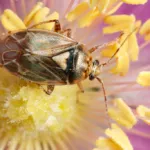 PestTarnished plant bugLygus lineolaris (Palisot de Beauvois)
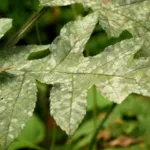 DiseaseApiaceae Powdery MildewErysiphe heraclei
 DiseaseCucumber mosaic virusCucumber mosaic virus
 DiseaseStolbur Phytoplasma Disease‘Candidatus Phytoplasma solani’
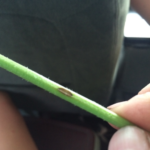 DiseaseAlternaria leaf blight of carrotAlternaria dauci
Toxicity and pollen
Apium graveolens is widely consumed as food, but celery and celery-derived ingredients are medically important allergens and can cause reactions ranging from oral symptoms to severe systemic responses in sensitized people. The principal practical precaution is food-allergy awareness, especially with raw plant material, seeds, and concentrated products. Do not confuse celery with poisonous Apiaceae relatives.
- Typical season
- Late spring through fall when flowering
- Pollination / pollen
- Insect-associated flower pollen; not typically treated as a major airborne pollen source
The species produces pollen during flowering, but the more established allergy concern is exposure to celery food allergens rather than a strong reputation as a major airborne pollen source. Sensitized people may experience cross-reactivity involving celery proteins and certain birch or mugwort pollen allergens. Avoid inferring safety from low airborne exposure.
Native habitat
Native across temperate and Mediterranean parts of North Africa, Europe, and western Asia, it is associated with moist, often low-elevation habitats and temperate climates. In cultivation and where introduced, it can persist in damp disturbed ground, drainage edges, and other sites where moisture is reliable without stagnant water.
Interesting fact
Apium graveolens is the wild species from which several cultivated celery forms were developed, including stalk celery and celeriac. The genus name Apium is associated with bees. Its tiny flowers are arranged in umbrella-like compound umbels typical of the Apiaceae family. The dry fruit is a schizocarp that splits into mericarps.
Frequently asked questions (FAQ)
The most relevant questions about this plant, with short and direct answers.
🌱Quick care
What is Wild Celery (Apium graveolens)?⌄
Wild Celery is a biennial or short-lived perennial herb in the Apiaceae, or carrot, family and the wild ancestor of cultivated celery and celeriac. It has aromatic, divided leaves, upright stems, and small white to greenish-white flowers in umbrella-shaped clusters.
How much light does Wild Celery need?⌄
Wild Celery grows best in full sun, receiving at least 6 hours of direct light daily, but it tolerates partial shade. In hot regions, afternoon shade can help reduce moisture stress.
How often should you water Wild Celery?⌄
Water Wild Celery frequently enough to keep the soil evenly moist. Do not let it dry out, but avoid stagnant water because poorly drained soil can encourage root rot.
Is Wild Celery easy to grow?⌄
Wild Celery is moderately easy to grow when given rich soil, steady moisture, and protection from temperature extremes. Its main challenges are slow early growth, bolting after cold exposure, pests, and moisture-related diseases.
🌤️Environment and placement
What is the best soil for Wild Celery?⌄
The best soil is rich, moisture-retentive, and well drained, such as loam amended with compost. A soil pH from about 6.0 to 8.0 is generally tolerated, although slightly acidic to neutral soil is practical for garden growing.
Can Wild Celery grow in containers?⌄
Wild Celery can grow in containers at least 10 to 12 inches wide and deep, provided the pot has drainage holes and holds moisture well. Container plants usually need more frequent watering than plants grown in the ground.
Does Wild Celery tolerate shade?⌄
Wild Celery tolerates partial shade but usually grows more vigorously and flowers more reliably with several hours of direct sun. Avoid dense shade, where growth may become weak and sparse.
Is Wild Celery hardy in the United States?⌄
Wild Celery is best treated as a cool-season plant that needs protection from severe freezes. Its overwintering success depends on the local climate, soil drainage, and whether the plant is sheltered from prolonged freezing temperatures.
Where does Wild Celery grow naturally?⌄
Wild Celery is associated with moist, low-elevation habitats in temperate and Mediterranean regions of Europe, Asia, and North Africa. In cultivation, it prefers a consistently moist site rather than a dry, exposed bed.
💧Care and problems
Why is my Wild Celery turning yellow?⌄
Yellowing can result from drought, poor nutrition, root stress, or disease. Check soil moisture and drainage first, then improve fertility with compost or a balanced vegetable fertilizer if growth is weak.
What pests attack Wild Celery?⌄
Common pests include aphids, slugs, earwigs, nematodes, and celery worms. Inspect leaf undersides and new growth regularly, remove pests by hand when practical, and use barriers or an appropriate labeled treatment for severe infestations.
What diseases affect Wild Celery?⌄
Wild Celery may develop root rot in waterlogged soil and can also be affected by blight. Improve drainage, water at the soil line, provide air circulation, and remove badly diseased foliage.
Why is my Wild Celery bitter?⌄
Wild Celery naturally has a stronger and more bitter flavor than domesticated stalk celery. Stress from drought, heat, age, or flowering can intensify bitterness, so harvest younger leaves and keep plants evenly moist.
Can you harvest Wild Celery leaves and stems?⌄
You can harvest young leaves and tender stems throughout the growing season, but Wild Celery is generally more bitter and fibrous than cultivated celery. Use small amounts for seasoning, and stop harvesting heavily once the plant begins flowering.
Should Wild Celery be fertilized?⌄
Fertilize Wild Celery lightly with compost or a balanced vegetable fertilizer because it grows best in fertile soil. Avoid excessive nitrogen, which can produce soft, lush growth and may increase disease problems.
🪴Planting and repotting
When should you plant Wild Celery in the United States?⌄
Plant Wild Celery in early spring after the soil can be worked, or in late summer for a fall crop in areas with mild winters. Exact timing varies by USDA climate zone, but cool conditions are generally preferable to summer heat.
How deep should Wild Celery seeds be planted?⌄
Sow Wild Celery seeds on the soil surface or barely cover them because the seeds need light to germinate well. Press them gently into moist soil and keep the seedbed consistently damp until seedlings appear.
How long does Wild Celery take to germinate?⌄
Wild Celery seeds may take roughly 2 to 3 weeks to germinate under suitable conditions. Cool temperatures, inconsistent moisture, old seed, or excessive planting depth can delay or reduce emergence.
How far apart should Wild Celery plants be spaced?⌄
Space Wild Celery plants about 12 to 18 inches apart to allow airflow and room for mature growth. Closer spacing is possible for young-leaf harvests, but crowded plants dry slowly and may have more disease problems.
Can Wild Celery be transplanted?⌄
Wild Celery can be transplanted while young, but it should be moved carefully because root disturbance can slow growth. Harden seedlings gradually and keep them consistently moist after planting.
✂️Propagation and pruning
How do you propagate Wild Celery?⌄
Propagate Wild Celery primarily from seed. Sow fresh seed on the surface of moist soil, provide light, and keep the medium evenly moist until germination.
Can Wild Celery regrow from a celery base?⌄
A celery base may produce new leaves and roots, but regrowth is not a reliable way to recreate a vigorous Wild Celery plant. It is better viewed as a short-term experiment or a way to obtain material that may eventually flower and produce seed.
How do you collect Wild Celery seeds?⌄
Allow the flower clusters to mature until the small seeds turn gray-brown, then cut the seed stalks and place them in a paper bag to finish drying. Store fully dry seed in a cool, dark, airtight container.
Will Wild Celery self-seed?⌄
Wild Celery can self-seed when mature flower heads are left on the plant. Seedlings are more likely where the soil remains moist and bare enough for seeds to contact the ground.
Does Wild Celery need pruning?⌄
Wild Celery does not need routine pruning beyond removing damaged leaves and spent stems. If you want seed, leave the flowering stalks intact; if you want leafy growth, harvest selectively before flowering.
⚠️Toxicity and safety
Is Wild Celery edible?⌄
Wild Celery is related to edible cultivated celery, but its leaves and stems are typically much more bitter and should be eaten only when the plant has been positively identified. Never eat a wild Apiaceae plant based on appearance alone because several relatives are highly poisonous.
Is Wild Celery toxic to people or pets?⌄
Wild Celery is generally considered to have low general toxicity, but it can cause significant allergic reactions because it contains celery-related allergens. Avoid ingestion if you have a celery allergy, and seek urgent medical help for breathing difficulty, swelling, or other signs of anaphylaxis.
Can people with a celery allergy handle Wild Celery?⌄
People with a celery allergy should avoid eating Wild Celery and use caution when handling it, because the species is the source of celery allergens. Ask an allergist for individualized advice, especially if previous reactions were severe.
Is Wild Celery safe to forage?⌄
Wild Celery should not be foraged unless an experienced identifier confirms the plant and its habitat. Poisonous Apiaceae species can resemble celery, and safe identification requires examining multiple features rather than relying on scent alone.
Is Wild Celery safe around children and dogs?⌄
Keep Wild Celery away from children and pets that may chew garden plants, particularly if anyone has a known celery allergy. The main concern is allergic reaction and mistaken identification with poisonous members of the carrot family.
🌸Flowering and special interest
When does Wild Celery flower?⌄
Wild Celery typically flowers in its second growing season, producing small white to greenish-white flowers in rounded umbels. Flowering may occur earlier if young plants experience prolonged cold and become vernalized.
What should I do if Wild Celery starts flowering?⌄
If you are growing Wild Celery for leaves or tender stems, harvest what remains usable because flowering often makes the plant more fibrous and bitter. If you want seed, leave the flower stalks in place until the seeds mature.
Are Wild Celery flowers useful to pollinators?⌄
Wild Celery flowers can attract insects, including bees and other small pollinators, because the open umbels provide accessible nectar and pollen. They also support seed production through insect-mediated cross-pollination.
Similar plants
 Azure Monkshood (Aconitum carmichaelii) care guideAconitum carmichaelii
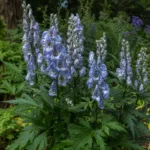 Monkshood (Aconitum ‘Stainless Steel’)Aconitum 'Stainless Steel'
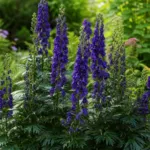 Monkshood (Aconitum ‘Bressingham Spire’)Aconitum 'Bressingham Spire'
 Golden full moon maple (Acer shirasawanum ‘Aureum’)Acer shirasawanum 'Aureum'
 Globosum (Acer platanoides ‘Globosum’)Acer platanoides 'Globosum'
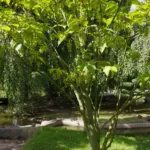 Striped maple (Acer pensylvanicum) care guideAcer pensylvanicum