
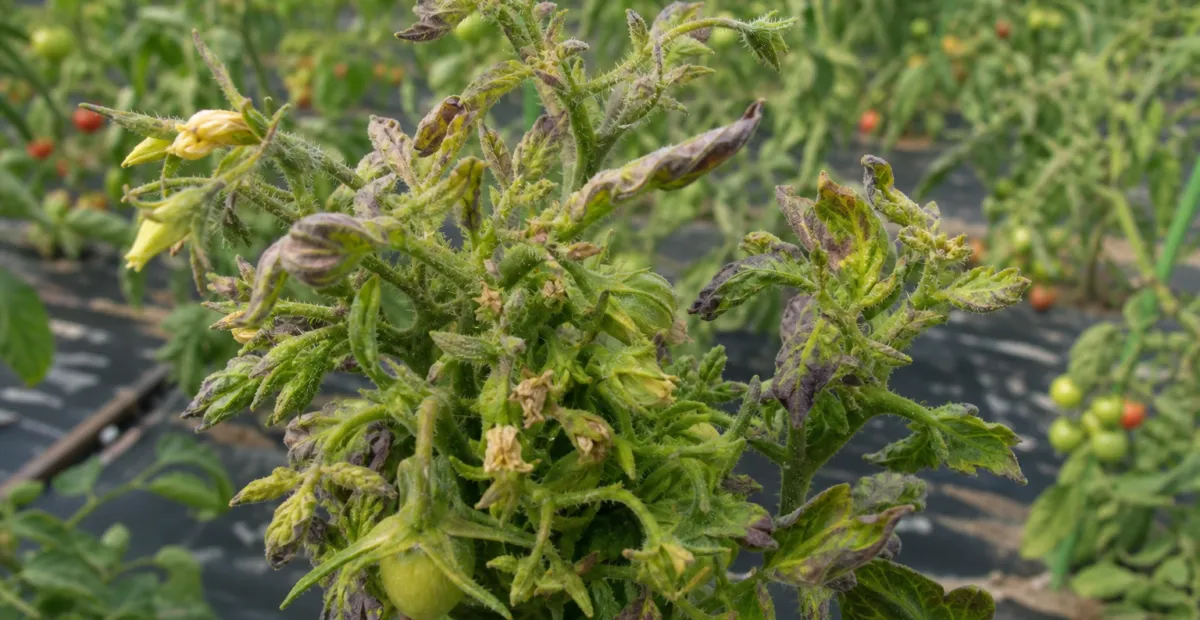
Stolbur Phytoplasma Disease
‘Candidatus Phytoplasma solani’Stolbur Phytoplasma Disease overview
Stolbur phytoplasma disease is caused by the wall-less, phloem-limited bacterium ‘Candidatus Phytoplasma solani’. It is associated with stolbur in potato, tomato and other crops, bois noir in grapevine, maize redness and decline in several ornamentals. Symptoms vary by host and strain, and visual diagnosis alone is unreliable; confirmation requires laboratory molecular testing.
Typical conditions
Overview
Stolbur phytoplasma disease is a group of diseases associated with ‘Candidatus Phytoplasma solani’, a provisional bacterial species that cannot be routinely cultured on standard laboratory media. The organism lives and multiplies in phloem tissue and in the bodies of suitable insect vectors.
In the United States, USDA APHIS lists the 16SrXII-A phytoplasma associated with bois noir and stolbur as a plant disease of concern. Reports and host records are concentrated mainly outside the United States, so suspected findings should be reported through the appropriate state plant diagnostic laboratory or plant-health authority.
The disease name depends on the host: bois noir in grapevine, stolbur in potato, tomato and other crops, and maize redness in corn. Affected plants may show yellowing, reddening, shortened internodes, leaf rolling, abnormal flowers, poor fruit or seed development, wilting and decline.
Symptoms and identification
- Grapevine: white-fruited cultivars may develop leaf yellowing, while red-fruited cultivars may develop leaf reddening; leaves roll downward, shoots mature unevenly, growth is reduced, and berries or clusters may shrivel and dry.
- Potato: upper leaves may roll upward and turn purple or red; internodes become short, aerial tubers can form, plants senesce early, wilt and die.
- Tomato: plants may become bushy with short upper internodes and many axillary shoots. Leaves are small, curled, thickened and yellow or purple. Flowers may show enlarged sealed calyces, purple veins, green petals and stamens, leaf-like sepals, sterility and poor fruit set.
- Maize: the midrib may redden first, followed by red leaves and stalks. Ears may develop abnormally and seed set may be greatly reduced.
- Lavender and other hosts: low vigor, yellowing, sectorial canopy drying, decline and eventual death may occur.
Symptoms are variable and may be delayed, especially in perennial plants. They cannot reliably distinguish ‘Ca. P. solani’ from other phytoplasmas or unrelated disorders.
Causes and spread
The pathogen is spread locally by infected sap-feeding planthoppers. Hyalesthes obsoletus is a major documented vector, particularly in the epidemiology of grapevine bois noir, and other cixiid planthoppers, including Reptalus panzeri in maize-redness systems, can transmit particular strains. Vector identity and efficiency vary by region, strain and host plant.
Wild and weedy plants can act as reservoirs. Documented epidemiological systems include bindweed (Convolvulus arvensis), nettle and other perennial weeds that support vectors or harbor the phytoplasma. Infected grafts, cuttings, tubers and other vegetative propagation material can spread the organism over long distances. It is not considered transmitted through true botanical seed of its hosts.
Moving symptomless infected plants is a major risk because symptoms may be absent or appear only after establishment. Dodder has also been shown to transmit the phytoplasma experimentally or naturally in some systems.
Life cycle and persistence
The phytoplasma survives in the phloem of infected plants and in the hemolymph and tissues of competent planthopper vectors. A vector acquires it while feeding on an infected plant; after an internal multiplication and latency period, the vector can inoculate another plant during phloem feeding. The pathogen is persistent in the vector rather than being carried only on the mouthparts.
Many vector nymphs develop on roots of perennial weeds, while adults move to crop plants and other hosts. This creates a bridge between unmanaged vegetation and cultivated plants. Annual crops may show symptoms within weeks after inoculation, whereas grapevine and other perennial hosts may remain symptomless for a year or longer.
Because the organism has a broad host range and its vector ecology changes among regions, the exact disease cycle should be interpreted locally. Detection normally uses phytoplasma-specific or universal phytoplasma PCR followed by sequencing, subgroup analysis or another validated confirmatory method.
Treatment and control
There is no dependable curative treatment that eliminates ‘Ca. Phytoplasma solani’ from an established field plant. Remove and destroy severely infected annual plants and rogue infected propagation stock. In vineyards and perennial plantings, removal of confirmed infected plants may reduce inoculum, but it will not eliminate reservoir weeds or vectors from the surrounding landscape.
For high-value grapevine or nursery material, use only validated certification, testing and sanitation procedures. Hot-water treatment may be used for specific dormant grapevine propagation material under an appropriate official or nursery protocol; it is not a general home-garden remedy and can injure plants if temperature or duration is incorrect.
Do not diagnose this disease from symptoms alone. Collect appropriate phloem-rich tissue and request molecular testing, because grapevine yellows, aster yellows, viruses, herbicide injury, nutrient problems and drought can look similar. Follow the diagnostic laboratory’s sampling instructions.
Low-impact and biological control
Organic management is preventive and suppressive rather than curative. Use certified clean planting material, remove infected plants, sanitize tools used for propagation, and maintain strict nursery hygiene. Suppress perennial weeds and volunteer hosts around crop borders while preserving non-host vegetation where appropriate for beneficial insects and soil protection.
Use insect-exclusion screens for propagation areas, monitor planthoppers with scouting and appropriately placed traps, and avoid moving infested plants. Conservation of natural enemies can help reduce vector pressure, but biological control has not been shown to cure infected plants or reliably prevent transmission by itself. Any product used in organic production must be allowed under the applicable U.S. organic program and legally registered for the crop and use.
Prevention
- Start with certified, pathogen-tested grapevine, potato, strawberry and other vegetatively propagated material.
- Inspect nursery stock and transplants for abnormal yellowing, reddening, short internodes, virescent flowers or unusual branching; isolate suspicious lots pending testing.
- Remove and destroy confirmed infected plants where practical, especially mother plants, propagation stock and heavily affected annual crops.
- Control perennial reservoir weeds such as bindweed around nurseries, vineyards and crop margins without allowing them to flower or reseed; coordinate weed management with vector biology.
- Manage volunteer potato, tomato and other host plants that can bridge successive crops.
- Reduce movement of untested cuttings, graftwood, tubers and rooted plants between regions.
- Use monitoring and identification of local planthopper vectors rather than assuming that every leafhopper or planthopper can transmit this phytoplasma.
- In the United States, submit suspected regulated or unusual findings to a state diagnostic laboratory or extension plant clinic for confirmation and reporting guidance.
Interesting facts
- The word Candidatus indicates a provisional taxonomic status commonly used for organisms that cannot be maintained in routine pure culture.
- ‘Ca. Phytoplasma solani’ unites strains historically associated with stolbur, bois noir, maize redness and related diseases into one species-level lineage based on molecular and biological evidence.
- It lacks a cell wall and is therefore fundamentally different from ordinary culturable bacterial pathogens.
- Grapevine bois noir symptoms can resemble flavescence dorée, but the two diseases are caused by different phytoplasma lineages and require molecular differentiation.
- Symptoms may be delayed in perennial hosts, while annual crops can show disease within weeks after vector inoculation.
- Host records are broad but not universal: susceptibility depends on the phytoplasma strain, vector, plant genotype and local epidemiological system.
No pesticide program can cure an infected plant. In the United States, use insecticides or herbicides only when a product is legally authorized for the specific crop, site and target problem in your state, and follow the current label exactly. Broad-spectrum insecticides may harm pollinators and natural enemies and may not prevent transmission if timing, vector identity or local biology is uncertain. Prioritize clean planting material, weed and volunteer-host management, scouting, sanitation and official integrated pest management guidance.
Affected plants
The plants below are linked to this problem by structured host-plant data. The list updates automatically as new plant profiles are added.
 Wild Celery (Apium graveolens) care guideApium graveolens
 Beet (Beta vulgaris) care guideBeta vulgaris
 Wild carro (Daucus carota) care guideDaucus carota
 Lavende (Lavandula angustifolia) care guideLavandula angustifolia
 Hidcote Blue (Lavandula angustifolia ‘Hidcote Blue’)Lavandula angustifolia 'Hidcote Blue'
 Canary Island Lavender (Lavandula canariensis) care guideLavandula canariensis
 Lavandula dentata care guideLavandula dentata
 Spanish lavender (Lavandula pedunculata) care guideLavandula pedunculata
 Fernleaf lavender and jagged lavender) is a species of flowering plant in the mint family (Lavandula pinnata) care guideLavandula pinnata
 Stickadove (Lavandula stoechas) care guideLavandula stoechas
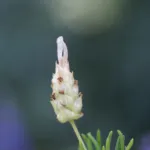 Green lavender or white lavende (Lavandula viridis) care guideLavandula viridis
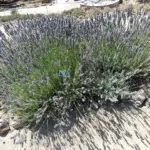 Lavandula intermedia care guideLavandula intermedia