Wild carro (Daucus carota) short overview
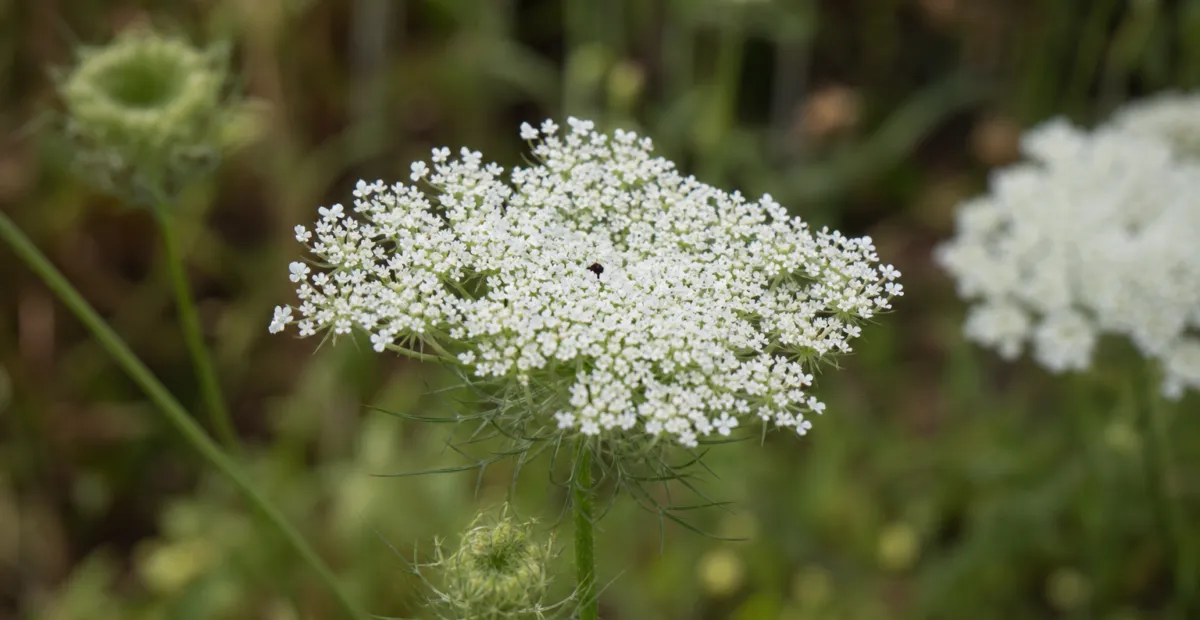
Wild carro (Daucus carota) is a biennial member of the carrot family, forming a low, finely cut leaf rosette in its first season and airy, lace-like umbels in its second. White flowers, often marked by a small dark central floret, rise above slender branching stems. It prefers full sun and loose, well-drained soil, and is useful in naturalistic plantings and pollinator gardens, though it may spread in disturbed areas.
Taxonomic classification
Wild carro (Daucus carota) care guide
Light and placement
Provide full sun, ideally with at least 6 hours of direct light and an open eastern, southern, or western exposure. Strong light supports compact rosettes, sturdy flowering stems, and better root development. In too much shade, plants become sparse and weak and flower less reliably. Very hot sites are acceptable if soil moisture remains even during establishment.
Watering and humidity
Keep newly sown soil consistently, gently moist until seedlings emerge; a fine-rose watering can or shallow irrigation helps prevent seed displacement. After establishment, water when the upper inch of soil begins to dry, aiming for even moisture rather than repeated saturation. Reduce irrigation as foliage dies back after seed production, but do not let container plants become completely dry during active growth.
Soil and growing medium
Use loose, stone-free soil that allows the taproot to develop without obstruction. A sandy or loamy structure with good drainage is preferred, while compacted clay can cause forked or stunted roots. Slightly acidic to slightly alkaline conditions are tolerated; cultivated carrot guidance commonly favors approximately pH 6.0–6.5. Avoid excessive fresh manure, which can distort roots.
Feeding
Prepare the bed with mature compost if soil fertility is poor, then avoid heavy nitrogen feeding. Excess nitrogen can produce lush foliage, forked roots, and weaker flowering stems. For container-grown plants, a mild balanced fertilizer may be used sparingly during active vegetative growth, but stop feeding as plants approach flowering or seed maturity.
Growth and habit
This is a monocarpic biennial: the first year is devoted mainly to a basal rosette and taproot, while the second year produces a tall flowering stem, seed, and eventual dieback. Remove developing seed heads if you want to limit spread; otherwise allow some to mature for natural reseeding.
Planting and repotting
Sow directly outdoors as soon as soil can be worked in spring, or make successive sowings for a longer season. Cover seed lightly, about 1/8–1/4 inch deep, and keep the surface evenly moist until emergence. Thin seedlings to roughly 2–4 inches apart for root production; allow more space when growing primarily for flowers. In mild regions, late-summer sowing can produce overwintering rosettes.
Not generally suitable for routine repotting because the taproot is easily damaged. If grown in a container, sow directly into a deep pot and thin seedlings in place. Transplant only very young seedlings with minimal root disturbance.
Propagation and pruning
Propagation
Propagate by seed. Direct sowing is preferred because the developing taproot dislikes disturbance. Collect mature dry umbels before all seed is shed, then store cleaned seed cool and dry. Seedlings are easy to raise, but germination can be slow and uneven if the seedbed dries.
Pruning
No routine pruning is required. Remove spent umbels before seed dispersal if self-seeding must be limited. Cut the dead flowering stems after seed has matured or after winter, depending on whether seedheads are being retained for structure and wildlife value.
Overwintering
Established rosettes are cold hardy in much of the United States. In colder regions, a light mulch can reduce heaving and protect the crown, but heavy wet mulch may encourage rot. Plants grown for flowering commonly overwinter as rosettes and resume growth in spring. Containers are more exposed to root freezing and should be placed in a sheltered location.
Uses
Useful as a naturalistic border or meadow plant, seasonal cut flower, seed source, and visitor plant for small insects. The species is closely related to cultivated carrot and has edible lineage, but wild harvesting is not recommended without expert identification because poisonous Apiaceae relatives can look similar. It may be invasive or weedy in some U.S. regions.
Appearance
The first-year plant forms a low rosette of finely divided, fern-like leaves. In the second year, hollow-to-solid slender stems rise and branch, with characteristic rough hairs on much of the stem and foliage. The flat white umbels are held above the foliage; a dark reddish-purple central floret may be present. Mature umbels curl inward into a distinctive nest-like structure.
Flowering
The plant normally flowers in its second growing season after producing a basal rosette and storing resources in its taproot. Numerous tiny flowers are arranged in a flat-topped compound umbel. The umbels may close or fold inward as seeds mature, creating a bird-nest-like seed head. Flowering is usually strongest from late spring through summer in much of the United States.
Pollination and visitors
The open umbels provide accessible nectar and pollen to a range of small flower-visiting insects, especially bees, bumblebees, hoverflies, beetles, and some wasps. Their broad landing surface makes the flowers valuable in mixed, insect-friendly plantings.
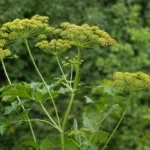
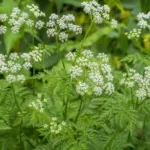
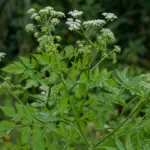
Daucus carota photos
Click any photo for a larger view. Source, author and license are shown separately.
Diseases and pests
Diseases
Common problems include leaf blights, powdery mildew, damping-off, and root diseases favored by wet or poorly drained soil. Reduce risk with clean seed, crop rotation, good air movement, careful watering, and well-drained beds. Remove badly affected foliage and avoid overhead irrigation when disease is active.
Pests
Carrot rust fly, aphids, leafhoppers, caterpillars, slugs, and snails may occur. Use row covers for young plants where carrot rust fly is a concern, remove heavily infested foliage, encourage beneficial insects, and keep beds weed-free. Avoid routine broad-spectrum insecticides during flowering because the umbels attract non-target insects.
Toxicity and pollen
The species includes the cultivated carrot lineage and is widely used as a food plant, but wild plants should not be eaten unless identification is certain because several highly toxic Apiaceae species can resemble them. Sap and foliage may cause skin irritation or photosensitivity in susceptible people. Avoid medicinal use of unidentified wild material.
- Typical season
- Usually late spring through summer in the United States
- Pollination / pollen
- Insect-dispersed pollen
Daucus carota is insect-pollinated, so its pollen is not typically dispersed in large airborne clouds like wind-pollinated grasses or trees. Individual sensitivity is still possible, and handling flowering plants or dried umbels may expose susceptible people to pollen or plant particles.
Native habitat
Wild populations occur in open, sunny habitats such as roadsides, field margins, grasslands, dunes, meadows, and other disturbed ground. The plant tolerates a range of moderately fertile mineral soils but performs poorly where soil remains saturated or the root cannot penetrate.
Interesting fact
The species is the wild progenitor of cultivated carrots.
Its second-year umbels fold into a bird-nest-like seed head.
A small dark floret may occur near the center of the white umbel.
The foliage is finely divided and can smell carrot-like when bruised.
The plant commonly colonizes roadsides, fields, and other disturbed ground.
Frequently asked questions (FAQ)
The most relevant questions about this plant, with short and direct answers.
🌱Quick care
What is wild carro (Daucus carota)?⌄
Wild carro is a flowering biennial in the carrot family, Apiaceae, and the wild ancestor of cultivated carrots. In the United States, it is also widely known by other names, but this FAQ uses the verified common name wild carro.
Is wild carro the same species as a garden carrot?⌄
Yes, wild carro and garden carrots belong to the same species, Daucus carota, although garden carrots are cultivated forms selected for larger, more palatable roots. Wild carro roots are usually smaller, tougher, and less reliably edible.
Is wild carro annual or biennial?⌄
Wild carro is usually biennial, forming a low leafy rosette during its first year and flowering, producing seed, and dying during its second year. Some plants may behave as annuals under particular conditions.
Does wild carro produce edible roots like carrots?⌄
Wild carro produces a taproot, but it is normally smaller, tougher, and more fibrous than a cultivated carrot. Young roots may be edible when the plant is correctly identified, although they are not generally valued as a garden crop.
🌤️Environment and placement
How much sunlight does wild carro need?⌄
Wild carro grows best in full sun, receiving at least 6 hours of direct sunlight daily. It can tolerate limited partial shade, but plants may become less vigorous and flower less heavily.
What type of soil is best for wild carro?⌄
Use loose, well-drained sandy or loamy soil for wild carro. Compacted, shallow, or waterlogged soil can restrict its taproot and cause weak growth or poor root development.
Is wild carro frost hardy?⌄
Yes, wild carro is generally frost hardy and commonly survives winter as a first-year leafy rosette. In colder areas, the top growth may slow or die back while the root remains dormant.
What USDA hardiness zones can grow wild carro?⌄
Wild carro is broadly adapted across much of the United States, with reported hardiness extending from approximately USDA Zones 4 through 11. Local climate, soil drainage, and whether the plant is treated as a wildflower or weed affect its performance.
💧Care and problems
How often should I water wild carro?⌄
Provide moderate, even moisture, especially while seedlings are establishing. Once mature, wild carro can tolerate some drying between waterings, but prolonged drought may reduce growth and flowering.
Should I deadhead wild carro?⌄
Deadhead wild carro if you want to reduce self-seeding and prevent the dry flower clusters from spreading seed. Leave the clusters in place if you want natural reseeding or winter structure, but check local weed regulations first.
Is wild carro invasive in the United States?⌄
Wild carro is introduced and considered weedy or invasive in some parts of the United States, although its status varies by state and habitat. Check your state noxious-weed list before planting or allowing it to spread.
How can I control wild carro in a lawn or pasture?⌄
Remove young plants before they set seed, or mow established stands close to the ground when most plants are flowering. Repeated control is often necessary because mature plants produce abundant seed and may be difficult to eliminate.
🪴Planting and repotting
Can wild carro grow in a container?⌄
Wild carro can be grown temporarily in a deep container, but direct sowing in the ground is usually better because its taproot dislikes disturbance. Choose a container at least 12 inches deep with excellent drainage if container growing is necessary.
When should I plant wild carro seeds?⌄
Sow wild carro seeds in fall or in early spring when the soil can be worked. Fall sowing can provide natural cold exposure, while spring sowing may require patience because germination can be slow and uneven.
How deep should wild carro seeds be planted?⌄
Sow wild carro seeds very shallowly, about 1/8 to 1/4 inch deep, and keep the seedbed evenly moist. Pressing the seeds onto the soil surface and covering them lightly is preferable to burying them deeply.
✂️Propagation and pruning
How long do wild carro seeds take to germinate?⌄
Wild carro seeds may take up to about three weeks to germinate, particularly in cool or inconsistent conditions. Keep the soil moist and avoid disturbing the seedbed while waiting for emergence.
Do wild carro seeds need cold stratification?⌄
Cold stratification can improve and synchronize germination, especially when seeds are sown outside the normal fall-to-spring cycle. Naturally overwintered seeds may receive this treatment outdoors.
How do I propagate wild carro?⌄
Propagate wild carro from seed, because division is unsuitable for its taprooted growth habit. Collect mature, dry seed clusters or purchase correctly identified seed, then sow shallowly in a prepared bed.
Does wild carro reseed itself?⌄
Yes, wild carro commonly reseeds when mature flower heads dry and release their bristly fruits. Remove spent heads before seed dispersal if you want to limit spread, and verify that growing it is allowed in your state or county.
⚠️Toxicity and safety
How can I identify wild carro safely?⌄
Wild carro typically has finely divided leaves, a bristly or hairy stem, a carrot-scented taproot, and white umbels with conspicuous bracts beneath the flower cluster. Identification from a photograph alone is not reliable because several highly toxic Apiaceae species look similar.
How is wild carro different from poison hemlock?⌄
Wild carro generally has hairy stems and leaves, finely divided carrot-like foliage, and prominent bracts beneath its flower clusters. Poison hemlock typically has a smooth, hollow stem often marked with purple blotches, but markings can vary, so do not rely on one feature alone.
Can you eat wild carro?⌄
The young root, leaves, flowers, and seeds of correctly identified wild carro are described as edible, but the root is usually inferior to a cultivated carrot. Because toxic look-alikes can be deadly, never eat a wild Apiaceae plant unless identification is certain and confirmed by an expert.
Is wild carro poisonous to humans?⌄
Wild carro is generally regarded as low-risk in small food quantities, but its sap or leaves may cause skin irritation, especially with sunlight exposure, and large amounts may be harmful. Misidentification with poison hemlock or other toxic relatives is the more serious danger.
Can wild carro cause a skin reaction?⌄
Yes, contact with wild carro sap or leaves may cause dermatitis or irritation in some people, particularly when skin is exposed to sunlight afterward. Wear gloves and long sleeves when handling unfamiliar plants or removing large stands.
Is wild carro toxic to pets or livestock?⌄
Wild carro is not usually considered highly poisonous, but reports describe possible mild toxicity or irritation in livestock consuming large quantities, especially in hay. Prevent animals from eating unidentified plants because several similar Apiaceae species are dangerous.
🌸Flowering and special interest
When does wild carro bloom?⌄
Wild carro commonly blooms from early summer into late summer, with timing varying by region and weather. In much of the United States, flowering occurs after the plant has overwintered and resumes growth in its second season.
What do wild carro flowers look like?⌄
Wild carro produces flat, rounded clusters of many small white flowers called compound umbels. A small dark red or purplish central flower may occur, but it is not present on every plant.
Why does wild carro form a bird’s-nest shape after flowering?⌄
After pollination, the flower cluster folds inward into a cupped, bird’s-nest-like structure as the dry fruits mature. The bristly fruits can later disperse near the parent plant or move with animals, mud, and contaminated seed.
Does wild carro attract pollinators?⌄
Yes, wild carro flowers can attract bees, flies, butterflies, and other small flower-visiting insects. Its broad umbels provide an accessible landing surface and abundant small flowers.
Why is my wild carro not flowering?⌄
A plant that has not flowered may still be in its first-year rosette stage, since wild carro usually flowers in its second year. Insufficient sunlight, drought, severe competition, or an unsuitable site can also reduce vigor and delay flowering.