
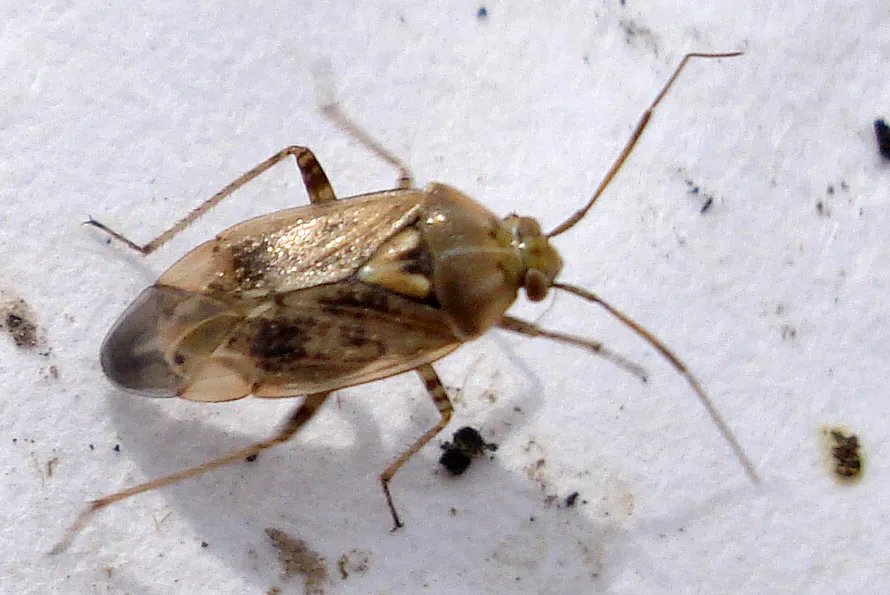
European Tarnished Plant Bug
Lygus rugulipennisEuropean Tarnished Plant Bug overview
The European tarnished plant bug, Lygus rugulipennis, is a mobile, polyphagous plant bug that injures growing points, flower buds, blossoms, immature fruit and developing seeds. Feeding and egg-laying can cause distorted shoots, blasted flowers, misshapen fruit, seed loss and stunting. In the United States, confirm the species carefully because several native Lygus species produce similar damage.
Typical conditions
Overview
Lygus rugulipennis is commonly called the European tarnished plant bug. Adults are typically about 0.2–0.24 inch long, oval, and brownish green with variable dark markings. Nymphs are green and lack fully developed wings, commonly showing dark spots on the thorax.
This pest is highly mobile and feeds on many unrelated plants. Crop importance varies with region, crop stage and surrounding vegetation. Records include alfalfa, clovers, potato, cereals, sugar beet, carrot, celery, lettuce, strawberry and cane fruit. In U.S. gardens and farms, identification should be confirmed by an extension diagnostician or qualified entomologist because Lygus lineolaris, Lygus hesperus and other mirids can look similar.
Symptoms and identification
Symptoms depend on the plant part attacked and may appear several days after feeding:
- Wilting, dead or branched growing points and stunted seedlings.
- Distorted young leaves, multiple leaders or side shoots, and delayed growth.
- Brown, sunken or corky puncture spots on stems, leaves, buds or fruit.
- Flower-bud discoloration, blossom blasting, premature flower or fruit drop, and reduced flower size.
- Cat-facing or misshapen berries and other immature fruit.
- Shattered, shriveled or poorly filled seeds in seed crops.
- Small egg-laying scars or pits where eggs were inserted into plant tissue.
Damage can resemble poor pollination, mechanical injury, nutrient stress, frost injury or secondary infection. Finding adults or green, dark-spotted nymphs at the affected growth stage strengthens the diagnosis.
Causes and spread
Both adults and nymphs feed with piercing-sucking mouthparts. Mechanical puncturing and digestive enzymes in saliva damage and collapse plant cells, especially in meristems and reproductive tissues. Females insert eggs into stems, petioles, leaves or other soft plant tissue.
Populations build in flowering weeds, volunteer crops, field margins, hedgerows and unmanaged vegetation, then move into irrigated or actively growing crops as alternative hosts senesce or are mowed. Adults are strong fliers, so infestations may begin at field edges and headlands rather than being evenly distributed.
Life cycle and persistence
The insect passes through egg, five nymphal instars and adult stages. Eggs are elongate, slightly curved and usually inserted into plant tissue. Nymphs resemble small, wingless plant bugs and develop through successive molts; later instars show developing wing pads.
Adults commonly overwinter in leaf litter, plant debris, hedgerows and evergreen or sheltered vegetation. In temperate European production systems, adults resume activity in spring, feed and lay eggs from spring into summer, with additional generations developing during warm weather. Generation number is strongly location- and temperature-dependent; timing in the United States should be inferred from local monitoring rather than imported calendar dates.
Treatment and control
Confirm the insect before treating. Concentrate scouting and any intervention on crop edges, young transplants, flower buds and other susceptible tissues. Use shake sampling, sweep-net counts, visual inspection and crop-specific economic thresholds where available. Spot treatment or edge management may be preferable to whole-field treatment when infestations are localized.
Remove badly damaged flowers or fruit in garden settings, harvest promptly, and control nearby host weeds. In commercial crops, integrate crop stage, pest density, expected crop value, pollinator activity and natural-enemy abundance before deciding whether intervention is justified.
Low-impact and biological control
Integrated organic management may include insect-exclusion row covers, weed and volunteer-host management, border or trap-crop tactics, hand removal in small plantings, and selective products permitted for certified organic production. Natural enemies include big-eyed bugs, damsel bugs, minute pirate bugs, lacewings, spiders, egg parasitoids such as Anaphes species, and nymphal parasitoids in the genus Peristenus. Their contribution is often greatest in surrounding vegetation and may not prevent injury in high-value crops, so monitor rather than assume biological control will be sufficient.
Apply any biological or botanical product only according to its current organic certification and crop label, with special attention to pollinator safety and re-entry requirements.
Prevention
- Scout field edges, young plants and flowering crop stages at least weekly; use a sweep net where practical and inspect buds, flowers and shoot tips closely.
- Remove or mow broadleaf weeds and volunteer hosts before they dry down and force adults into the crop, while avoiding mowing when it would immediately drive bugs into valuable plants.
- Reduce unmanaged overwintering refuges immediately beside high-value plantings, but preserve non-crop habitat strategically where it supports natural enemies and does not act as a pest reservoir.
- Use insect-exclusion fabric over susceptible seedlings and small plantings when pollination requirements permit.
- Consider a managed flowering trap crop such as alfalfa only with a locally appropriate plan for monitoring, mowing or removal; an unmanaged trap crop can increase risk.
- Maintain vigorous, evenly irrigated plants and avoid unnecessary broad-spectrum insecticide applications that destroy predators and parasitoids.
Interesting facts
- Published host reviews have documented Lygus rugulipennis on more than 400 plant species across numerous families, but documented host status does not mean every host is equally attractive or economically important.
- Injury is often delayed: feeding at the shoot apex may later appear as multiple leaders, lateral shoots or abnormal branching.
- Nymphs can be especially damaging to soft reproductive and meristematic tissues even though adults are the most conspicuous dispersing stage.
- The European tarnished plant bug is not the same species as the better-known North American tarnished plant bug, Lygus lineolaris.
- Headlands and crop margins can show disproportionate injury because overwintered adults and migrating bugs often enter from nearby refuges.
Use only insecticides legally authorized for Lygus rugulipennis or the applicable Lygus pest on the specific crop in the United States and in your state. Follow the current product label exactly, including crop, pest, rate, preharvest interval, reentry interval, resistance-management, aquatic-toxicity and pollinator precautions. Do not use a pesticide solely from a photograph or a generic Lygus recommendation; species identification, local registration and crop-specific labeling may differ.
Affected plants
The plants below are linked to this problem by structured host-plant data. The list updates automatically as new plant profiles are added.
 Wild Celery (Apium graveolens) care guideApium graveolens
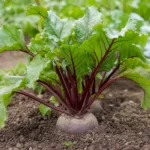 Beet (Beta vulgaris) care guideBeta vulgaris
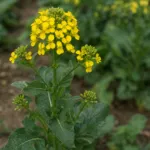 Ethiopian Rape (Brassica carinata) care guideBrassica carinata
 Brown Mustard (Brassica juncea) care guideBrassica juncea
 Rapeseed (Brassica napus) care guideBrassica napus
 Urnip rape (Brassica rapa) care guideBrassica rapa
 Collard greens (Brassica oleracea) care guideBrassica oleracea
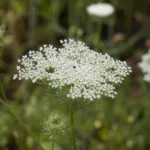 Wild carro (Daucus carota) care guideDaucus carota
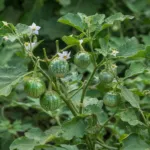 Solanum aethiopicum care guideSolanum aethiopicum
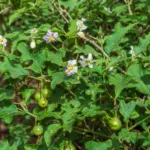 Solanum macrocarpon care guideSolanum macrocarpon
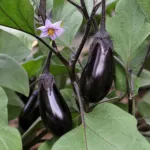 Eggplant (Solanum melongena) care guideSolanum melongena
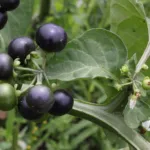 Garden Huckleberry (Solanum scabrum) care guideSolanum scabrum