
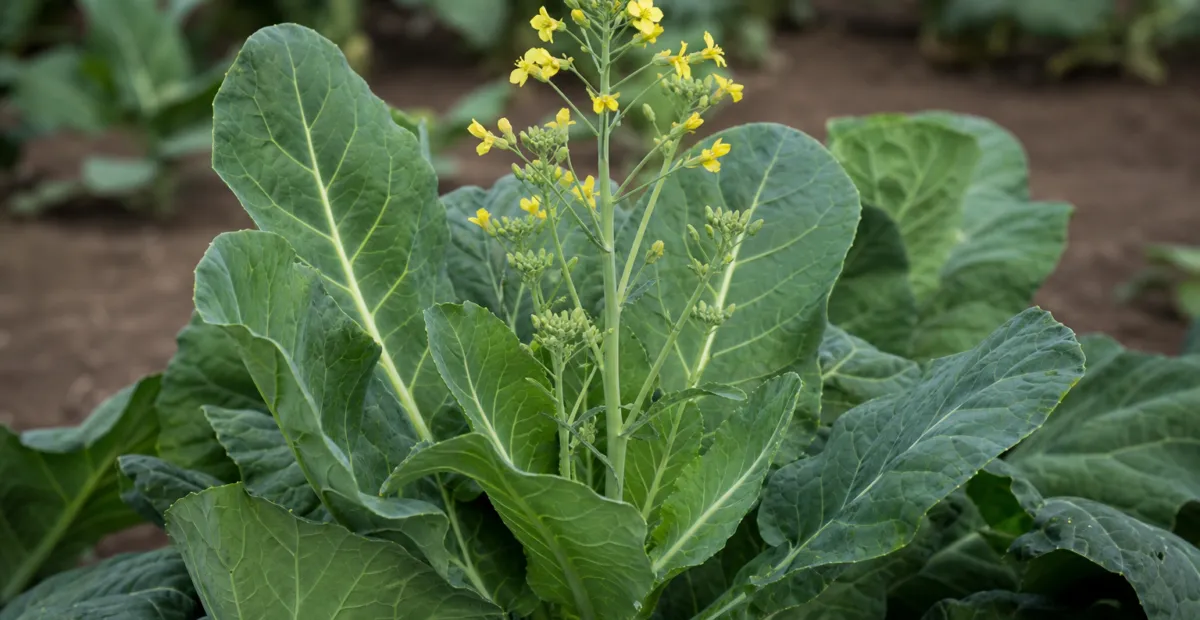
 AI-generated illustration
Collard greens (Brassica oleracea) short overview
Collard greens are the leafy, non-heading form of Brassica oleracea, a highly variable species that also includes cabbage, broccoli, kale, cauliflower, Brussels sprouts, and kohlrabi. Grown as an annual vegetable in most U.S. gardens, collards form a broad rosette of large, blue-green leaves and tolerate light frost. They perform best in full sun, fertile soil, and consistently even moisture, with harvests continuing as outer leaves are removed.
Taxonomic classification
Collard greens (Brassica oleracea) care guide
Light and placement
Give collards full sun for compact growth, strong leaf production, and better airflow; in hot climates, light afternoon shade can reduce heat stress. An east- or south-facing bed is usually suitable. Too little light produces stretched plants and slower growth, while intense heat combined with reflected afternoon sun can cause wilting, coarse leaves, and premature bolting.
Watering and humidity
Keep soil evenly moist but never saturated. Water deeply when the top inch of soil begins to dry, aiming for a steady supply rather than repeated shallow sprinkling. Increase frequency during hot, windy weather and reduce it during cool, rainy periods. Mulch helps prevent moisture swings, which otherwise produce tough or bitter leaves.
Soil and growing medium
Use fertile, moisture-retentive but well-drained loam enriched with compost. A slightly acidic to neutral soil is suitable, although collards tolerate a modestly wider pH range. Avoid compacted ground and sites that remain waterlogged; good drainage helps reduce root and stem disease.
Feeding
Before planting, incorporate 1–2 inches of mature compost or a complete vegetable fertilizer according to the soil test and product label. Feed again lightly after several weeks of active growth if leaves are pale or growth is slow. Avoid excessive nitrogen, which can produce lush, tender growth that is more attractive to pests and may reduce overall balance.
Growth and habit
Collards form a persistent central growing point surrounded by successively older leaves. Harvesting the lower, mature leaves encourages continued production from the center. Growth is fastest under cool temperatures, adequate moisture, and good fertility; heat, drought, crowding, and nutrient stress can slow growth or trigger premature bolting.
Planting and repotting
In much of the United States, sow or transplant for a spring crop several weeks before the last frost, or for a fall crop in midsummer. Set transplants at the same depth they were growing. Space plants 12–18 inches apart, with 24–36 inches between rows. Mulch after establishment to moderate soil temperature and moisture.
Container-grown collards can be transplanted once seedlings have several true leaves. Move them with the root ball intact into a container at least 12 inches wide and deep, refreshing spent mix between crops. Because this is a large leafy vegetable, containers dry quickly and may need more frequent watering than garden beds.
Propagation and pruning
Propagation
Sow seed indoors or directly in the garden; direct sowing is practical in cool weather. Seedlings transplant readily. Some perennial or tree-collard selections can also be rooted from stem cuttings, but seed is the standard method for most collard crops.
Pruning
No ornamental pruning is required. Harvest older outer leaves regularly by cutting or snapping them near the main stem while leaving the central growing point intact. Remove yellowing or diseased leaves promptly. If a plant bolts, cut the flower stalk for a short extension of harvest, or leave it for flowers and seed.
Overwintering
Collards tolerate light freezes and may continue producing in mild-winter areas. In colder regions, protect plants with frost cloth, a low tunnel, or a thick organic mulch around—but not against—the stem. Plants left through winter may bolt rapidly after chilling and lengthening days; harvest before flowering if leaves are the priority.
Uses
Primarily grown as a leafy food crop for fresh, cooked, frozen, or preserved greens. It is useful in vegetable beds, raised beds, and large containers, and its flowers support insect visitors when plants are overwintered for seed. Harvest only from plants grown without unsafe pesticides or other contaminated inputs.
Appearance
The plant forms a broad, open rosette of thick, leathery, blue-green to dark-green leaves. Leaf margins may be smooth, wavy, or lightly crinkled depending on cultivar. Mature plants can develop a firm upright stem, especially when lower leaves are harvested or when plants overwinter and produce a flowering stalk.
Flowering
Plants usually remain vegetative during the first growing season. After winter chilling, overwintered plants produce an upright flower stalk bearing many small, four-petaled yellow flowers. Flowering is followed by elongated seed pods. Exact timing varies with planting date, winter severity, latitude, and cultivar.
Pollination and visitors
The yellow flowers provide nectar and pollen for several insect visitors, including bees, bumblebees, hoverflies, and beetles. As with other Brassica oleracea crops, flowering plants can cross-pollinate with compatible cultivars, so seed production requires isolation from other flowering forms of the species.
Brassica oleracea photos
Click any photo for a larger view. Source, author and license are shown separately.
Diseases and pests
Diseases
Common problems include clubroot, black rot, downy mildew, damping-off, and various leaf spots. Use clean seed, rotate away from Brassica crops for several years, improve drainage, avoid overhead watering, and remove badly infected debris. Clubroot is favored by acidic, wet soil; liming may help where soil tests support it, but sanitation and rotation are essential.
Pests
Watch for cabbage worms, imported cabbageworm, diamondback moth larvae, aphids, flea beetles, slugs, and cabbage loopers. Use row cover over young plants, inspect leaf undersides, hand-pick caterpillars, wash away aphids, and remove heavily damaged leaves. Rotate crops and avoid unnecessary broad-spectrum insecticides that harm beneficial insects.
Related diseases and pests
Only Plant Doctor profiles whose host data indicate this plant may be affected are shown here.
 PestDiamondback MothPlutella xylostella
 DiseaseClubrootPlasmodiophora brassicae Woronin
 PestImported cabbagewormPieris rapae
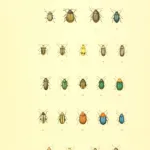 PestCabbage Stem Flea BeetlePsylliodes chrysocephala
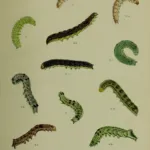 PestCabbage mothMamestra brassicae (Linnaeus, 1758)
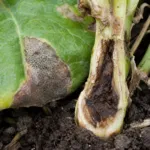 DiseaseBlackleg of Canola and BrassicasLeptosphaeria maculans
 DiseaseAlternaria leaf spot of brassicasAlternaria brassicae (Berk.) Sacc.
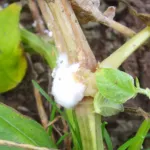 DiseaseWhite mold (Sclerotinia stem rot)Sclerotinia sclerotiorum
Toxicity and pollen
Collard greens are a commonly eaten vegetable and are not generally regarded as poisonous to people or companion animals. Raw or cooked plant material can still cause digestive upset if eaten in unusually large amounts, and prepared dishes containing onion, garlic, or rich seasonings may create separate risks. Wash produce and avoid eating plants treated with non-food-safe chemicals.
- Typical season
- Spring after overwintering and bolting
- Pollination / pollen
- Insect-released pollen; some becomes airborne
Brassica pollen can become airborne during flowering, and sensitization has been documented, especially among people with substantial occupational exposure to flowering crops or breeding material. For most home gardeners, exposure is likely limited because collards are commonly harvested before flowering. People with known pollen allergies should avoid handling flowering plants in windy conditions and use appropriate personal precautions.
Native habitat
The wild species is native to Atlantic coastal regions of Great Britain, France, and Spain, where it occurs in temperate maritime environments. Wild forms are associated with exposed, rocky or disturbed coastal settings and tolerate cool conditions, wind, and periodic salt influence better than many inland vegetables.
Interesting fact
Brassica oleracea is one species containing many familiar vegetables, including collards, cabbage, broccoli, cauliflower, kale, Brussels sprouts, and kohlrabi. Most forms require winter chilling before flowering and seed production. Different B. oleracea crop groups can cross-pollinate, so seed growers must separate flowering varieties.
Frequently asked questions (FAQ)
The most relevant questions about this plant, with short and direct answers.
🌱Quick care
How do you grow collard greens successfully?⌄
Grow collard greens in fertile, well-drained soil with even moisture and full sun to partial shade. Plant during cool weather, provide steady water, and harvest outer leaves regularly.
Are collard greens annuals or perennials?⌄
Collard greens are usually grown as annual vegetables in the United States. In mild climates they may survive winter and produce a second season, but severe cold can injure or kill them.
🌤️Environment and placement
How much sun do collard greens need?⌄
Collard greens grow best in full sun, receiving at least 6 hours of direct light daily. They also tolerate partial shade, especially where summers are hot.
Can collard greens grow in partial shade?⌄
Yes, collard greens can grow in partial shade, although growth may be slower and leaves may be smaller. Afternoon shade can help reduce heat stress in warm climates.
What temperature is best for growing collard greens?⌄
Collard greens prefer cool growing conditions, roughly 40–75°F. They tolerate frost well, but prolonged severe cold can damage leaves and stop growth.
Can collard greens survive frost?⌄
Yes, established collard greens tolerate light frost and often remain productive through cool weather. Their flavor may improve after frost, but temperatures near 20°F or lower can cause injury depending on plant condition and protection.
💧Care and problems
How often should you water collard greens?⌄
Water collard greens consistently so the soil stays evenly moist but not waterlogged. About 1 inch of water per week is a useful starting point, with more frequent watering in sandy soil or hot weather.
Why are my collard greens bitter?⌄
Collard greens often become bitter or strongly flavored when exposed to heat, drought, or slow growth. Keep the plants evenly watered and harvest spring crops before prolonged hot, dry weather.
How do you fertilize collard greens?⌄
Before planting, incorporate finished compost and use a soil test to guide fertilizer needs. If growth is weak, apply a balanced or nitrogen-containing vegetable fertilizer according to the product label, avoiding excessive nitrogen.
How do you harvest collard greens so they keep growing?⌄
Harvest the oldest, lowest leaves first by cutting or snapping them near the stem while leaving the central growing crown intact. This allows the plant to continue producing new leaves.
Can you harvest collard greens more than once?⌄
Yes, collard greens support repeated harvests when you remove individual outer leaves and leave the growing point undamaged. Harvesting baby leaves can also provide multiple cuttings before the plant declines.
When are collard greens ready to harvest?⌄
Collard greens are ready when the leaves reach a usable size and still look firm and healthy. Young leaves are more tender for raw or quick cooking, while larger leaves are commonly cooked longer.
How do you keep collard greens from getting leggy?⌄
Provide strong light, adequate spacing, steady moisture, and sufficient fertility to encourage compact growth. Leggy seedlings usually result from insufficient light or overcrowding.
What pests commonly attack collard greens?⌄
Common pests include cabbage worms, imported cabbageworms, aphids, flea beetles, and leafminers. Inspect the undersides of leaves frequently and use row covers or pest controls labeled for edible crops when needed.
Why do collard green leaves have holes?⌄
Holes are usually caused by chewing insects such as flea beetles, caterpillars, or cabbage worms. Check the leaves and undersides for insects, eggs, or frass before choosing a control method.
Why are my collard greens turning yellow?⌄
Yellow leaves can result from nitrogen deficiency, water stress, poor drainage, aging outer leaves, or disease. Check soil moisture and drainage first, then inspect roots and foliage for signs of insects or infection.
How do you prevent diseases in collard greens?⌄
Use crop rotation, provide good air circulation, avoid overhead watering when possible, and remove badly diseased plant material. Do not grow collard greens or related cole crops in the same area repeatedly; a four-year rotation is a useful guideline.
🪴Planting and repotting
What soil is best for collard greens?⌄
Use fertile, compost-enriched, well-drained loam that holds moisture without staying soggy. A soil pH around 6.0–7.5 is generally suitable.
How far apart should collard greens be planted?⌄
Space collard greens about 8–12 inches apart for full-size plants, with rows roughly 18–30 inches apart. Baby-leaf crops can be planted closer, but always check the seed packet for the variety’s mature size.
How deep should collard green seeds be planted?⌄
Sow collard green seeds about ¼–½ inch deep in prepared soil. Keep the seedbed evenly moist until germination and thin seedlings after they emerge.
When should you plant collard greens in the United States?⌄
Plant collard greens in early spring for a late-spring or early-summer crop, or in late summer for fall and winter harvests. Exact dates depend on your USDA growing zone and average frost dates.
Can you plant collard greens in the fall?⌄
Yes, fall is one of the best seasons for collard greens in much of the United States. Sow or transplant them early enough to mature before hard freezes, using your local first-frost date as a guide.
Should collard greens be direct-sown or transplanted?⌄
Collard greens can be either direct-sown or transplanted successfully. Direct sowing is simple, while transplants can provide a faster start and more predictable spacing.
How long do collard greens take to mature?⌄
Collard greens commonly begin producing usable leaves about 40–65 days after planting, while full-size harvests may take longer. Variety, temperature, and whether you start from seed or transplants affect timing.
Can collard greens grow in containers?⌄
Yes, collard greens can grow in containers if the pot is large enough for the roots and has drainage holes. Use fertile potting mix, keep the soil evenly moist, and choose compact varieties or harvest leaves young.
✂️Propagation and pruning
Can you grow collard greens from store-bought stems?⌄
Store-bought collard stems may produce limited new growth under favorable conditions, but they are not a reliable way to establish a productive plant. Growing from seed or a healthy nursery transplant is more dependable.
Can collard greens be grown from seed?⌄
Yes, collard greens are readily grown from seed. Sow them directly in the garden or start them indoors several weeks before transplanting, then thin or space seedlings appropriately.
⚠️Toxicity and safety
Are collard greens toxic to people or pets?⌄
Collard greens have low toxicity concern and are commonly eaten as a vegetable. Wash them before use, and people with thyroid conditions or medication-related dietary restrictions should ask a healthcare professional about unusually large amounts of raw cruciferous greens.
🌸Flowering and special interest
Do collard greens flower?⌄
Yes, collard greens flower when they remain through winter or experience conditions that trigger bolting. Flowering makes the leaves tougher and stronger flavored, although the edible flower shoots may be used like other brassica greens.
Can you eat collard greens after they flower?⌄
Yes, collard greens remain edible after flowering, but mature leaves may be tougher or more pungent. Harvest young leaves and tender flower shoots for better texture.
Similar plants
 Azure Monkshood (Aconitum carmichaelii) care guideAconitum carmichaelii
 Monkshood (Aconitum ‘Stainless Steel’)Aconitum 'Stainless Steel'
 Monkshood (Aconitum ‘Bressingham Spire’)Aconitum 'Bressingham Spire'
 Golden full moon maple (Acer shirasawanum ‘Aureum’)Acer shirasawanum 'Aureum'
 Globosum (Acer platanoides ‘Globosum’)Acer platanoides 'Globosum'
 Striped maple (Acer pensylvanicum) care guideAcer pensylvanicum