
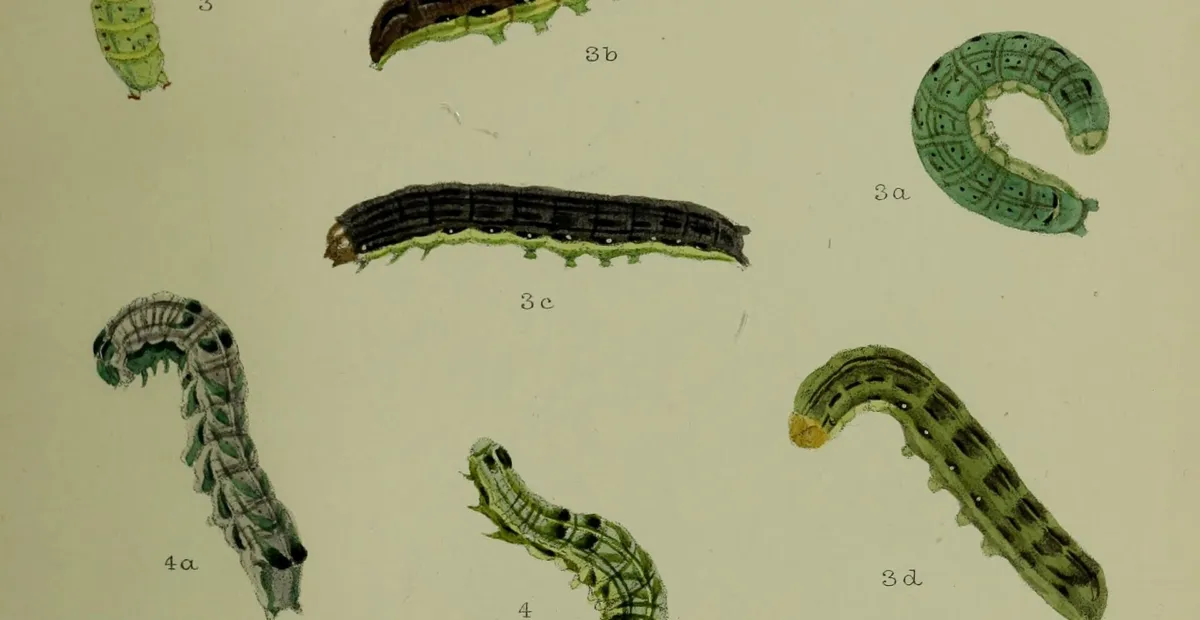
Cabbage moth
Mamestra brassicae (Linnaeus, 1758)Cabbage moth overview
Cabbage moth, Mamestra brassicae, is a Palearctic noctuid moth whose caterpillars chew leaves, bore into cabbage heads and may damage a wide range of vegetables. Brassica crops are the most important hosts. The species is not established across the United States, so suspected findings should be documented carefully and reported to state plant-health authorities or USDA APHIS before control decisions are made.
Typical conditions
Overview
The cabbage moth is an insect pest rather than a plant disease. Adults are medium-sized, mostly brown noctuid moths, while the damaging stage is the caterpillar. Larvae vary considerably in color, commonly showing green, gray, brown or nearly black tones with pale longitudinal markings.
Brassica oleracea is regarded as a major host, but records also include other vegetable and field crops. In the United States, identification should not be based on chewing injury alone: cabbage looper, imported cabbageworm, cross-striped cabbageworm and other noctuid larvae can look similar. Preserve a specimen or clear photographs and seek confirmation from a county extension office, state department of agriculture or USDA APHIS if the species is suspected.
Symptoms and identification
- Young caterpillars scrape or skeletonize leaf tissue, often beginning on leaf undersides.
- Older caterpillars make irregular holes and may remove large portions of leaves.
- Larvae can feed within cabbage, broccoli or cauliflower heads, leaving frass and contamination between leaves or florets.
- Severe defoliation can reduce plant vigor, delay heading or lower market quality.
- Look for caterpillars, clustered eggs, webbing or fresh granular frass; feeding damage alone is not diagnostic.
Causes and spread
Damage is caused by larval feeding after adult moths lay eggs on host plants. Spread occurs through adult flight, movement of infested plant material and the presence of volunteer brassicas or related weeds that support larvae. Because the species is not established in the United States, any apparent occurrence may represent a misidentification, an isolated introduction or an intercepted population rather than a locally persistent infestation.
Life cycle and persistence
The species generally overwinters as a pupa in soil or soil-associated debris. Adults emerge in spring or early summer, mate and lay eggs in clusters, commonly on the undersides of leaves. Caterpillars pass through several molts, feed for several weeks and then pupate in the soil. It is typically bivoltine in much of its range, but generation number varies with latitude, temperature and season. In cooler regions it may complete only one generation.
Adults are mainly active from dusk through the night. Seasonal timing in the United States should not be assumed from European calendars; confirmed local records and state pest alerts should guide interpretation.
Treatment and control
Begin with confirmation and physical removal. Hand-pick and destroy eggs and caterpillars on small plantings, especially before larvae enter heads. Remove heavily infested leaves when this will not compromise crop development. For larger plantings, use scouting records and crop-specific action thresholds rather than treating solely because moths are present.
Where larvae are confirmed, prioritize products and practices that target young caterpillars and conserve predators and parasitoids. Rotate effective modes of action when treatment is justified, avoid spraying during pollinator activity, and direct applications to foliage where larvae are feeding. Because the species is not established in the United States, coordinate any response to a suspected detection with state or federal plant-health officials.
Low-impact and biological control
- Use insect netting, hand-picking and removal of egg masses as first-line measures.
- Apply a properly labeled microbial or botanical product only when the active ingredient is legally registered for the crop and pest in the applicable U.S. state.
- Products based on Bacillus thuringiensis subsp. kurstaki can be useful against small exposed caterpillars when the label permits the use; coverage and repeat timing are important.
- Conserve birds, predatory bugs, spiders and parasitoid wasps by reducing broad-spectrum insecticide use and maintaining diverse, unsprayed refuge areas.
- Do not rely on beneficial organisms alone if larvae are protected inside cabbage heads or if a regulated population is suspected.
Prevention
- Inspect brassica transplants, field edges and incoming plant material for eggs and caterpillars before planting.
- Use fine insect-exclusion netting or row cover over young crops, securing edges and removing the cover during flowering when pollinator access is needed.
- Remove volunteer brassicas and relevant weeds where practical, while avoiding unnecessary habitat destruction for beneficial insects.
- After harvest, remove or destroy crop residues and manage soil-associated debris that could shelter pupae.
- Scout at least weekly, checking leaf undersides, plant centers and developing heads; record caterpillar size and abundance.
- Report suspected Mamestra brassicae detections before moving potentially infested plants or produce.
Interesting facts
- Mamestra brassicae is often called cabbage moth in English, but it is not the same species as cabbage looper, imported cabbageworm or diamondback moth.
- The caterpillar host list is broad, yet Brassica oleracea is identified as a major host in international pest databases.
- Published records include crops in several plant families, including Brassicaceae, Solanaceae, Cucurbitaceae, Asteraceae, Fabaceae and Amaranthaceae; host importance varies by region and source.
- In North America, similar-looking native noctuid caterpillars make expert confirmation particularly important.
Use only pesticide products legally authorized in the United States and in your state for the specific crop and pest, and follow the current label exactly, including application rate, preharvest interval, protective equipment, reentry interval and resistance-management directions. Do not use a product merely because it is labeled for a similar caterpillar or a different Mamestra species. For suspected cabbage moth detections, consult state plant-health authorities before treatment or movement of plant material.
Affected plants
The plants below are linked to this problem by structured host-plant data. The list updates automatically as new plant profiles are added.
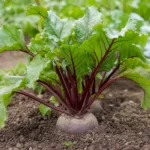 Beet (Beta vulgaris) care guideBeta vulgaris
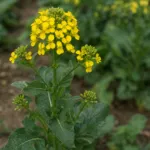 Ethiopian Rape (Brassica carinata) care guideBrassica carinata
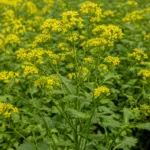 Brown Mustard (Brassica juncea) care guideBrassica juncea
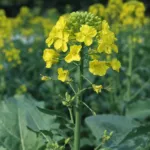 Rapeseed (Brassica napus) care guideBrassica napus
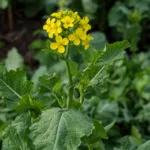 Urnip rape (Brassica rapa) care guideBrassica rapa
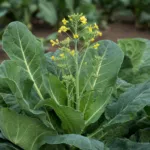 Collard greens (Brassica oleracea) care guideBrassica oleracea
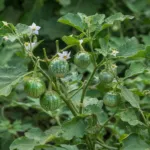 Solanum aethiopicum care guideSolanum aethiopicum
 Solanum macrocarpon care guideSolanum macrocarpon
 Eggplant (Solanum melongena) care guideSolanum melongena
 Garden Huckleberry (Solanum scabrum) care guideSolanum scabrum
 Lettuce (Lactuca sativa) care guideLactuca sativa
 Celtuce (Lactuca sativa Angustana Group)Lactuca sativa Angustana Group