
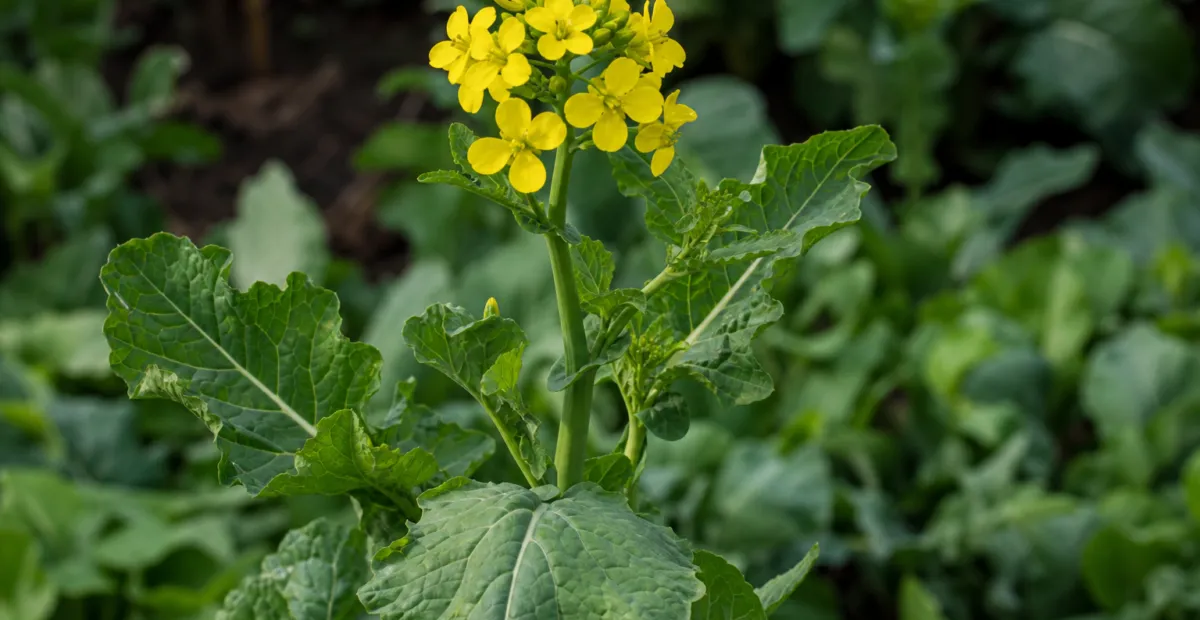
 AI-generated illustration
Urnip rape (Brassica rapa) short overview
Urnip rape is the verified US common name used here for Brassica rapa, a highly variable cool-season brassica in the cabbage-and-mustard family. Depending on the selected form, it may be grown for oilseed, forage, edible leaves, flower shoots, or a swollen storage root. Plants prefer full sun, fertile soil, and steady moisture, producing small yellow flowers followed by narrow seed pods. Brassica rapa is a variable cool-season brassica grown in the United States for oilseed, forage, edible leaves, flower shoots, roots, and cover crops. It is an annual or biennial herb with yellow four-petaled flowers and narrow siliques.
Taxonomic classification
Urnip rape (Brassica rapa) care guide
Light and placement
Provide full sun, ideally at least 6 hours of direct light, in an open bed with good air movement. Morning-to-afternoon sun supports compact growth and strong flowering. Excess shade causes weak, stretched plants and reduced leaf or root production; intense heat combined with dry soil can trigger premature bolting, especially in spring plantings.
Watering and humidity
Water deeply enough to moisten the main root zone whenever the upper inch of soil begins to dry, aiming for steady rather than alternating wet and dry conditions. Increase frequency during hot, windy weather and container culture. Reduce irrigation only near harvest if soil remains adequately moist; avoid saturated beds and prolonged leaf wetness.
Soil and growing medium
Use fertile, friable soil that drains well while holding even moisture. Loam enriched with mature compost is suitable for most forms. A slightly acidic to slightly alkaline reaction is tolerated, with roughly pH 6.0–7.5 practical for garden production. Avoid compacted ground and prolonged waterlogging, which can restrict roots and increase disease pressure.
Feeding
Before sowing, incorporate a moderate amount of finished compost. If growth is pale or slow, apply a balanced vegetable fertilizer at the label rate when plants are established, especially on poor soil. Avoid heavy nitrogen late in the crop, which can produce lush, weak growth and delay useful root or seed development.
Growth and habit
Growth is typically rapid in cool weather, with a basal leaf stage followed by stem elongation and branching when plants flower. Biennial forms may remain vegetative in the first season and bolt after winter. Remove bolting plants promptly if the goal is tender leaves or roots, but allow selected plants to mature when seed is desired.
Planting and repotting
Sow in early spring for a spring crop or in late summer to early fall for a cool-season crop, adjusting timing to local frost dates and the selected form. Cover seed lightly, keep the seedbed evenly moist, and thin promptly so plants develop without competition.
Usually grown from seed directly in the ground. For containers, transplant young seedlings before roots become crowded, disturbing the root ball as little as possible. Choose a deep container for root-forming selections and provide drainage holes.
Propagation and pruning
Propagation
Propagate by seed. Direct sowing is preferred for root-forming selections; leafy forms can also be started in trays and transplanted while young. Save seed only from isolated, healthy plants because Brassica rapa forms can cross with related B. rapa crops and flowering individuals.
Pruning
No routine pruning is needed. Harvest outer leaves or young shoots as required, taking care not to remove all growing points if continued production is wanted. Cut back or remove spent seed stalks after seed collection or before unwanted reseeding.
Overwintering
Many forms tolerate light freezes and can be grown as fall or winter crops in mild regions. In colder areas, protect young plants with row cover or mulch, but do not bury the crown under wet material. Biennial plants may overwinter and bolt the following spring; severe cold can reduce survival without protection.
Uses
Depending on the cultivated form, Brassica rapa is used for edible roots, leaves, flower shoots, seed oil, livestock forage, wildlife food, and cool-season cover cropping. It can also be grown in pollinator-oriented beds for its yellow flowers. Culinary use should be limited to correctly identified, intentionally grown plants.
Appearance
Plants usually begin as a basal rosette of soft to slightly bristly leaves, then produce an erect, branching flowering stem. Leaves vary widely among forms, from entire and swollen-petioled to lobed or clasping. Yellow cruciform flowers and slender elongated siliques help distinguish flowering plants from many other field brassicas.
Flowering
The species produces terminal racemes of four-petaled yellow flowers, usually after a period of vegetative growth and, in biennial forms, after overwintering. Flowers are followed by narrow siliques containing numerous small seeds. Exact timing varies substantially among forms and climates.
Pollination and visitors
The open yellow flowers expose pollen and nectar to small generalist visitors, including bees, bumblebees, hoverflies, and some beetles. Visitor activity is generally strongest in mild, sunny weather during the flowering period.
Brassica rapa photos
Click any photo for a larger view. Source, author and license are shown separately.
Diseases and pests
Diseases
Rotate brassicas for at least three years where possible. Watch for damping-off, downy mildew, clubroot, black rot, and Alternaria leaf spot. Improve drainage, avoid overhead irrigation late in the day, remove badly diseased material, and use clean seed and transplants. Clubroot risk increases in acidic, poorly drained soil.
Pests
Flea beetles, aphids, cabbage aphids, caterpillars, cabbage maggots, and slugs may damage plants. Use insect netting over young crops, remove weeds that shelter pests, monitor leaf undersides, and hand-pick or use labeled controls when thresholds are exceeded. Rotate brassica crops and avoid repeated planting in the same bed.
Related diseases and pests
Only Plant Doctor profiles whose host data indicate this plant may be affected are shown here.
 DiseaseClubrootPlasmodiophora brassicae Woronin
 PestCabbage Stem Flea BeetlePsylliodes chrysocephala
 DiseaseAlternaria leaf spot of brassicasAlternaria brassicae (Berk.) Sacc.
 PestCabbage MaggotDelia radicum
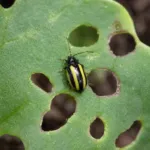 PestTurnip flea beetlePhyllotreta nemorum (Linnaeus, 1758)
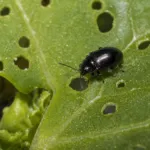 PestTurnip Flea BeetlePhyllotreta atra (Fabricius, 1775)
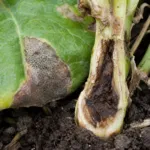 DiseaseBlackleg of Canola and BrassicasLeptosphaeria maculans
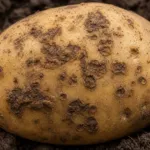 DiseasePotato common scabStreptomyces scabiei (synonym: Streptomyces scabies)
Toxicity and pollen
Edible forms of Brassica rapa are widely used as food, but raw plant material can contain glucosinolates and may cause digestive upset in large amounts. Normal culinary portions are generally considered acceptable. Avoid consuming unidentified volunteer plants or seed treated with agricultural chemicals. People with known brassica sensitivities should use individual caution.
- Typical season
- During flowering, commonly spring to early summer in the United States
- Pollination / pollen
- Insect-exposed pollen; limited airborne dispersal
Brassica rapa releases pollen from exposed anthers during flowering, but it is primarily an insect-pollinated crop and is not usually among the most prominent wind-borne pollen sources. Individual allergy responses vary, and flowering plants may still cause localized exposure near dense plantings.
Native habitat
The species is associated with temperate agricultural landscapes, disturbed ground, cultivated fields, field margins, and open habitats. It performs best in fertile soils with reliable moisture and cool-to-mild temperatures. Many North American occurrences are introduced or escaped rather than native.
Interesting fact
Brassica rapa is one of the most morphologically diverse cultivated crop species. Its forms include turnips, leafy Asian vegetables, oilseed crops, and forage types. The species has been introduced widely beyond its native range and can escape cultivation. Its narrow fruits are siliques, a characteristic fruit type of the mustard family.
Frequently asked questions (FAQ)
The most relevant questions about this plant, with short and direct answers.
🌱Quick care
What is urnip rape (Brassica rapa)?⌄
Ur nip rape is the verified common name used here for Brassica rapa, an annual or biennial species in the Brassicaceae, or cabbage-and-mustard, family. The species includes oilseed, root, leafy-green, and flowering vegetable forms.
How much sun does urnip rape need?⌄
Ur nip rape grows best in full sun, meaning at least 6 hours of direct sunlight daily. Light afternoon shade can help in hot climates, but too much shade may produce weak, leafy growth.
How often should I water urnip rape?⌄
Water urnip rape to maintain moderate, even moisture without leaving the soil waterlogged. Give the plant about 1 inch of water per week when rainfall is insufficient, adjusting for heat, soil, and container conditions.
Is urnip rape frost tolerant?⌄
Ur nip rape is seasonally frost tolerant, especially during cool-season growth. Young plants generally handle light frosts, but severe or prolonged freezes can damage foliage, flowers, and developing seed crops.
🌤️Environment and placement
What soil is best for urnip rape?⌄
Use fertile, well-drained loam with good moisture retention for urnip rape. A soil test can help guide lime and fertilizer applications, particularly where the plant is grown as an oilseed or forage crop.
Can urnip rape grow in containers?⌄
Ur nip rape can grow in a large container if the root zone has adequate depth, drainage, and fertility. Containers dry out faster than garden beds, so monitor moisture closely and avoid crowding plants.
What USDA hardiness zones are suitable for urnip rape?⌄
Ur nip rape is primarily grown as a cool-season annual or biennial rather than as a permanent landscape plant. Suitability varies by cultivar and purpose, so planting dates based on local frost dates are more useful than a single hardiness-zone range.
Does urnip rape prefer cool or hot weather?⌄
Ur nip rape generally performs best in cool to mild weather. Heat, drought, and delayed harvest can increase bolting, bitterness, woody roots, or reduced seed quality, depending on the form being grown.
💧Care and problems
How do I fertilize urnip rape?⌄
Fertilize urnip rape according to a soil test, using a balanced application worked into fertile soil before planting. Avoid excessive nitrogen, which can encourage lush foliage and increase disease or lodging in oilseed crops.
Why is my urnip rape bolting?⌄
Ur nip rape bolts when it experiences conditions that trigger flowering, commonly heat, day-length changes, maturity, or cold followed by warming. Harvest leafy or root forms promptly and use heat-tolerant or seasonally appropriate cultivars when possible.
Why are urnip rape leaves turning yellow?⌄
Yellow leaves on urnip rape may result from overwatering, poor drainage, nitrogen deficiency, disease, or normal aging. Check soil moisture and roots first, then use a soil test and inspect for pests or leaf lesions before adding fertilizer.
What pests commonly affect urnip rape?⌄
Common pests of urnip rape include flea beetles, aphids, cabbage worms, caterpillars, and root maggots. Row covers, crop rotation, weed control, and monitoring the undersides of leaves can reduce damage.
What diseases affect urnip rape?⌄
Ur nip rape can be affected by clubroot, downy mildew, Alternaria leaf spot, bacterial soft rot, and turnip mosaic virus. Good drainage, crop rotation, clean seed, resistant varieties, and avoiding overhead irrigation help reduce disease pressure.
How can I prevent clubroot in urnip rape?⌄
Reduce clubroot risk by rotating brassica crops, improving drainage, controlling volunteer brassicas, and maintaining suitable soil pH based on a soil test. Do not repeatedly grow urnip rape or related crops in the same bed.
🪴Planting and repotting
When should I plant urnip rape in the United States?⌄
Plant urnip rape during the cool growing season, timing seed sowing so plants mature before severe summer heat or winter freezes. In many regions, this means early spring or late summer for a fall crop, but local frost dates should guide the schedule.
How do I plant urnip rape seeds?⌄
Sow urnip rape seeds shallowly in finely prepared, fertile soil and keep the seedbed evenly moist until emergence. Thin seedlings to the spacing appropriate for the selected oilseed, forage, leafy, or root form.
How far apart should urnip rape plants be?⌄
Spacing depends strongly on the type of urnip rape being grown. Root and leafy forms need enough room for air circulation and harvest development, while oilseed crops are commonly drilled more closely according to seed-production recommendations.
Can urnip rape be grown as a fall crop?⌄
Ur nip rape can be grown as a fall crop in many parts of the United States, especially where late-summer conditions allow establishment before cold weather. Plant early enough for the plants to develop a useful root system before hard frost.
Should I rotate urnip rape with other brassicas?⌄
Yes, rotate urnip rape with unrelated crops rather than following cabbage, broccoli, turnips, radishes, or other brassicas in the same bed. Rotation helps reduce the buildup of clubroot, soilborne pathogens, and specialized pests.
✂️Propagation and pruning
How is urnip rape propagated?⌄
Ur nip rape is normally propagated from seed. It can flower and produce seed when allowed to mature, but seed should be saved only from correctly identified plants because Brassica forms can cross-pollinate.
Can I save seeds from urnip rape?⌄
You can save urnip rape seed by allowing healthy plants to flower and dry their seed pods before collection. Isolate compatible brassica varieties or expect cross-pollination, and keep seed from plants that show desirable, true-to-type characteristics.
Does urnip rape need pruning?⌄
Ur nip rape generally does not need pruning. Harvesting outer leaves or removing damaged foliage is sufficient for edible forms, while oilseed and forage plants are usually left intact until their intended harvest stage.
⚠️Toxicity and safety
Is urnip rape poisonous to humans?⌄
Ur nip rape is a low concern in normal culinary use when the plant is correctly identified and grown as an edible form. Oilseed types are not interchangeable with food-grade canola, so do not consume seed or homemade oil unless the cultivar and preparation are known to be food safe.
Are urnip rape leaves edible?⌄
Some Brassica rapa forms have edible leaves, but edibility depends on the cultivar or subspecies rather than the species name alone. Use properly identified food varieties, harvest young leaves for milder flavor, and cook mature greens if they are tough or bitter.
Is urnip rape safe for pets?⌄
Ur nip rape is not generally considered a major poisoning concern in small, occasional amounts, but pets should not be given unidentified plants, large quantities, seeds, or concentrated oil. Consult a veterinarian if a pet develops digestive or other symptoms after eating it.
🌸Flowering and special interest
What do urnip rape flowers look like?⌄
Ur nip rape typically produces small yellow, four-petaled flowers arranged on branching stems. Flowering is characteristic of mature plants and is followed by elongated seed pods containing the seeds.
When does urnip rape flower?⌄
Ur nip rape flowers after reaching maturity or after environmental cues such as cold exposure and subsequent warming. Spring-planted plants may flower in late spring or summer, while overwintered plants commonly flower in spring.
How do I harvest urnip rape seed?⌄
Harvest urnip rape seed when the pods have dried and the seeds have turned mature, but before extensive shattering occurs. Cut or pull the plants in dry weather, finish drying them under cover, and thresh and store the clean seed in a cool, dry place.
Is urnip rape useful for pollinators?⌄
Flowering urnip rape can provide nectar and pollen for bees and other flower-visiting insects. Its value depends on bloom timing, nearby floral resources, pesticide use, and whether the crop is allowed to flower rather than being harvested earlier.
Similar plants
 Azure Monkshood (Aconitum carmichaelii) care guideAconitum carmichaelii
 Monkshood (Aconitum ‘Stainless Steel’)Aconitum 'Stainless Steel'
 Monkshood (Aconitum ‘Bressingham Spire’)Aconitum 'Bressingham Spire'
 Golden full moon maple (Acer shirasawanum ‘Aureum’)Acer shirasawanum 'Aureum'
 Globosum (Acer platanoides ‘Globosum’)Acer platanoides 'Globosum'
 Striped maple (Acer pensylvanicum) care guideAcer pensylvanicum